
At TheHealthBoard, we're committed to delivering accurate, trustworthy information. Our expert-authored content is rigorously fact-checked and sourced from credible authorities. Discover how we uphold the highest standards in providing you with reliable knowledge.
What is Neem Oil?
Neem oil is a natural oil extracted from Azadirachta indica plants. Despite its pungent smell, this oil has many uses. It's found in shampoos, lotions, and soaps, particularly those for soothing skin. Though it's not suitable for cooking, very diluted neem oil does play a part in many traditional medicines, particularly for skin problems. Many farmers also use this oil as a natural selective pesticide, and its ability to repel bugs makes it a common ingredient in natural anti-lice and mosquito formulas.
How It's Made

All neem oil is made from the olive-like fruits and seeds of the neem tree. High quality oils are made by crushing the plant parts, while lower quality ones are made by using solvents to extract the oil. All parts of a neem tree are useful — for instance, neem leaves can also be included in a bath to ease skin conditions — but generally speaking products using one part of a neem tree can't be substituted for products that use other parts. For instance, neem toothpaste can only be made with the bark or leaf extracts of a neem tree, not the oil. This is because ingesting pure neem oil or lots of diluted oil can be toxic, though is generally safe for external use as long as it's used as directed.
Cosmetic and Medicinal Uses

There are neem-based products for both humans and animals. Many people use neem oil shampoo to repel lice and soothe scalp itching and inflammation. It's antibacterial and antiseptic, and will also discourage fungi and parasites, so it's also used in soaps and lotions to soothe and protect skin. These characteristics make neem oil a key part of many traditional medicines as well, particularly for skin conditions like eczema, ringworm, scabies, and athlete's foot. It is also massaged into arthritic joints to relieve pain, and into the scalp to treat dandruff.
A Natural Pesticide

Neem oil is quite popular as a natural pesticide, since it doesn't strongly affect humans, mammals, or beneficial bugs but can keep away pests white flies, aphids, mites, and weevils. It can also strengthen crops against rust, scab, mildew, and blight. Pesticides made with this oil work as "contact" insecticides, which means that they make plants taste bitter so pests won't eat them. Azadirachtin, a chemical in the oil, also interrupts insects' transitions between different stages of metamorphosis, such as growing from larvae to pupae, and prevents insects from developing a hardened exoskeleton. When the chemical gets absorbed through the roots of crops, it functions as a "systemic insecticide," which means crops don't need to be constantly re-sprayed.

The greatest benefit of using neem oil is that it doesn't harm beneficial insects. Butterflies, earthworms, and bees all help plants pollinate or absorb nutrients. Lacewings eat insects trying to feed on the crops. These bugs do not have a negative reaction to neem pesticides or azadirachtin.
AS FEATURED ON:
AS FEATURED ON:


-
![Neem oil can be used to treat dermatitis.]() By: quaysideNeem oil can be used to treat dermatitis.
By: quaysideNeem oil can be used to treat dermatitis. -
![Neem oil is a popular alternative to traditional pesticides.]() By: tuayaiNeem oil is a popular alternative to traditional pesticides.
By: tuayaiNeem oil is a popular alternative to traditional pesticides. -
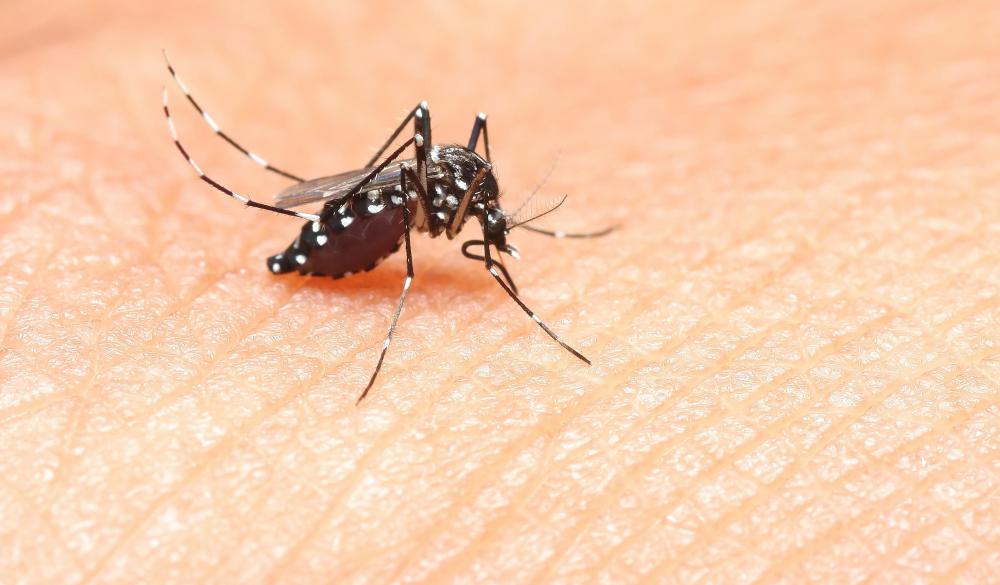
![Neem oil is often used in mosquito repellants.]() By: saidin jusohNeem oil is often used in mosquito repellants.
By: saidin jusohNeem oil is often used in mosquito repellants. -
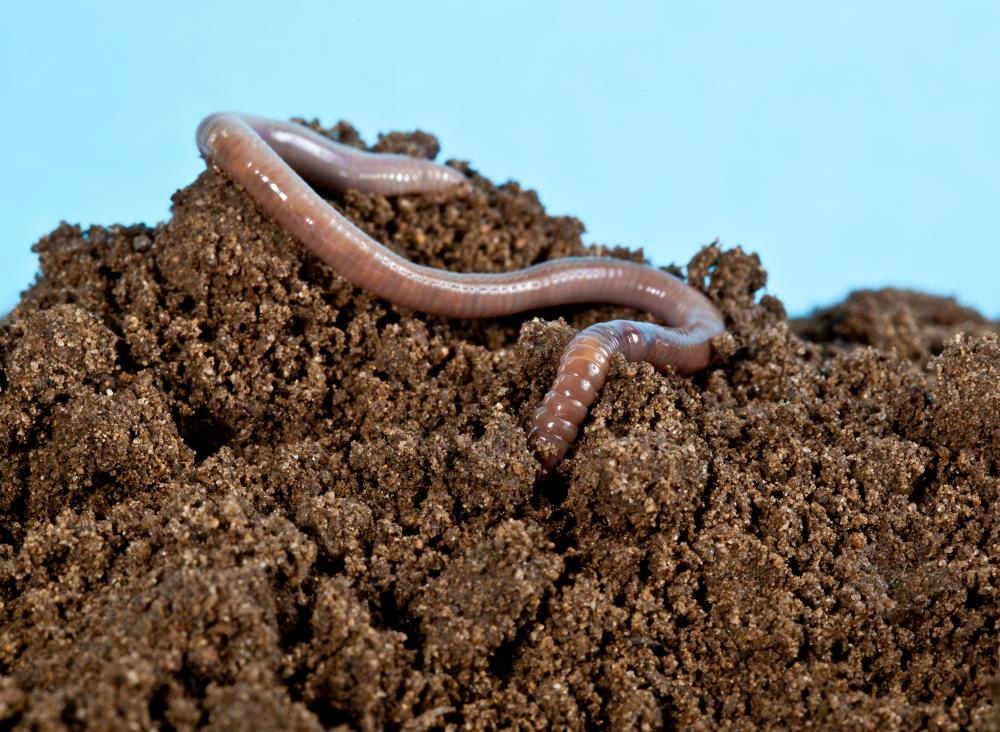
![Neem oil is not harmful to beneficial animals, like earthworms.]() By: zest_marinaNeem oil is not harmful to beneficial animals, like earthworms.
By: zest_marinaNeem oil is not harmful to beneficial animals, like earthworms. -
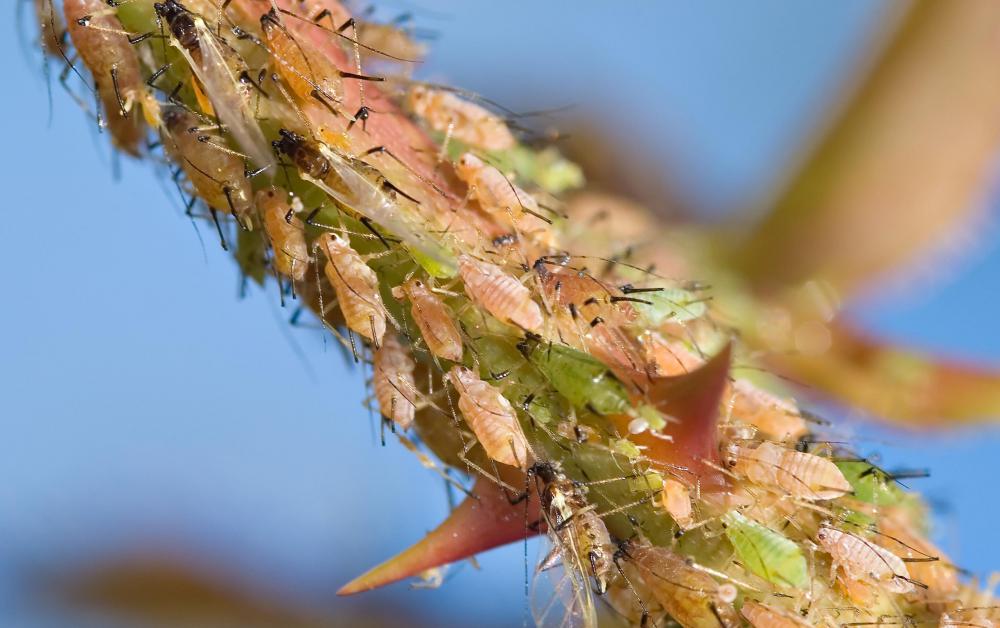
![Neem oil is a natural pesticide that can be used to effectively repel aphids.]() By: clearviewstockNeem oil is a natural pesticide that can be used to effectively repel aphids.
By: clearviewstockNeem oil is a natural pesticide that can be used to effectively repel aphids. -
![Neem oil is often used to help relieve chronic skin conditions.]() By: Deyan GeorgievNeem oil is often used to help relieve chronic skin conditions.
By: Deyan GeorgievNeem oil is often used to help relieve chronic skin conditions.



Discussion Comments
My boyfriend has severe eczema and did the treatment with Neem leaf pills. I guess he took too much because if you read articles on side effects of Neem it can cause liver damage, seizures, miscarriages, death of infants, or even worsen your condition you're trying to treat, etc.
Since then, my boyfriend hasn't been able to tolerate processed sugars, or even natural sugars found in fruit. Neem changed his life, but for the worse. I was wondering if there is a way to reverse the negative effects of Neem?
Does neem oil work against white fly? My entire yard is infested: hibiscus hedge, palm bushes, banana trees and avocado tree. How can I apply it to the tree? It's very tall.
do you want sri lankan neem oil?
Good information about Neem oil, if you want to purchase quality neem oil with bulk quantity you can try Plasma Neem oil.
anon578: Good neem oil, like Einstein Oil, that is 100 percent first extraction, cold pressed neem oil, doesn't expire. As long as it is kept in a closed container so that it stays clean it will last indefinitely.
If you read the MSDS on Neem oil you will see that it is harmful toxic to bees and lady bugs. Also can be to aquatic life. Please understand this is not a slam, just a reminder that even as organic as we are, organic can be just as toxic.
We have to be just as careful. Organic may be better in some cases, but they are still pesticides and still can have broad reaching toxic effects on beneficials.
How long is neem oil good? Is it possible to visibly tell if the oil is no longer usable? Perhaps, the color changes or its odor disipates?
How can I use NEEM oil to treat insects that attack Hibiscus plants ?
Post your comments