
At DelightedCooking, we're committed to delivering accurate, trustworthy information. Our expert-authored content is rigorously fact-checked and sourced from credible authorities. Discover how we uphold the highest standards in providing you with reliable knowledge.
What is Mung Bean Flour?
 Mary McMahon
Mary McMahon
Mary McMahon
Mung bean flour is a very finely grained starch derived from the mung bean, more formally known as Vigna radiata. This flour is used in the cuisines of China, India, and Japan, among other Asian nations, in a variety of foods. Asian markets and Indian grocers often carry this flour, which comes in a variety of colors, depending on how much it has been processed. It is also possible to order it through specialty importers.
One of the most well known uses for mung bean flour is in so-called “glass noodles,” very fine noodles made with a highly refined form of the flour. When raw, these noodles are almost transparent, and they turn completely transparent when cooked, hence their name. Mung bean flour is also used in blends of flours to make various forms of pasta, and it is utilized in sweets and pastries; mung bean paste is often used as a filling for dumplings, for example.

One of the major advantages to mung bean flour is that it is gluten free. Whether used alone or with other gluten free flours, it can be used to create a variety of doughs that can be used to make noodles, pastries, and other foods which would normally require wheat flour. Gluten free bakers and cooks may have to experiment a bit to find the best ratio of flours for successful gluten free cooking; many Asian cookbooks are a good resource to look for flour ratios.

In addition to being gluten free, mung bean flour is also nutritionally beneficial. It is high in calcium, magnesium, and phosphorus, among other useful dietary minerals, making it a reasonably nutritious addition to the diet. It is also easy to make at home, if a cook has a high quality food processor or a flour mill; in areas where this flour is hard to find, people may be able to obtain dried mung beans that can be ground into flour.

People may also seen mung bean flour called “green pea flour,” in a reference to the fact that the mung bean plant is in the pea family. If a recipe calls for this flour and it is not available, cooks can try using arrowroot or cornflour, both of which are typically available at natural food stores. If the flour turns pink or green after it gets it wet, there is no cause for concern; the color is a natural impurity that appears in less refined forms of the flour.
Mary McMahon
Ever since she began contributing to the site several years ago, Mary has embraced the exciting challenge of being a DelightedCooking researcher and writer. Mary has a liberal arts degree from Goddard College and spends her free time reading, cooking, and exploring the great outdoors.
Learn more...
Mary McMahon
Ever since she began contributing to the site several years ago, Mary has embraced the exciting challenge of being a DelightedCooking researcher and writer. Mary has a liberal arts degree from Goddard College and spends her free time reading, cooking, and exploring the great outdoors.
Learn more...AS FEATURED ON:
AS FEATURED ON:


-
![Mung bean flour can be used to make pasta.]() By: JJAVAMung bean flour can be used to make pasta.
By: JJAVAMung bean flour can be used to make pasta. -
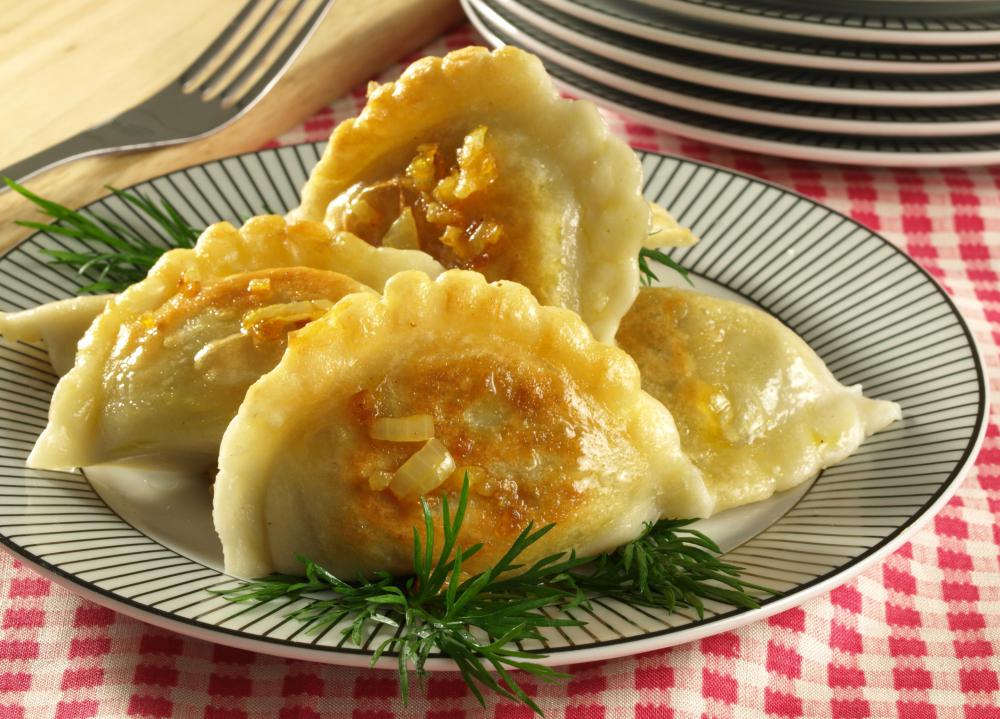
![Dumplings can be made using mung bean flour.]() By: Photographee.euDumplings can be made using mung bean flour.
By: Photographee.euDumplings can be made using mung bean flour. -
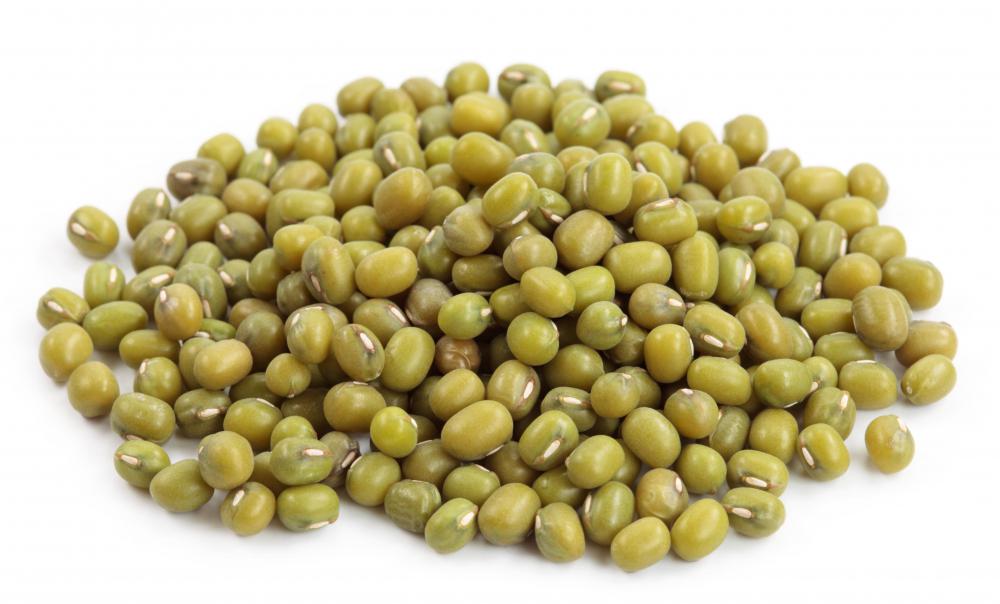
![Mung beans.]() By: Elena SchweitzerMung beans.
By: Elena SchweitzerMung beans. -
![Glass noodles are made from mung bean flour.]() By: ViktorGlass noodles are made from mung bean flour.
By: ViktorGlass noodles are made from mung bean flour. -
![A person with a gluten intolerance may experience abdominal cramping, gas and diarrhea as a result of consuming products containing gluten.]() By: inesbazdarA person with a gluten intolerance may experience abdominal cramping, gas and diarrhea as a result of consuming products containing gluten.
By: inesbazdarA person with a gluten intolerance may experience abdominal cramping, gas and diarrhea as a result of consuming products containing gluten.



Discussion Comments
Finding mung bean flour was difficult but I just found and bought some Khazana 7lbs organic Mung Dal (its skinless yellow mung bean dried halves) from Costco, which I'm going to grind into mung bean flour for pastry making. If using it for not cooked pastries than it should be toasted, baked or steamed and dried before grinding.
There really isn't such a thing as mung bean flour. What is sold is mung bean starch, which is only the starch fraction of the bean. As was previously stated, it is not a flour substitute as when mixed with water, it makes a translucent jelly.
Check out the Indian supermarket called Patel Brothers for mung bean flour. Not only that, but you will find all kind of lentils and beans and chickpea flour as well.
Mung bean flour can't really make American style pastries; it has more of a gelatinous texture and makes an almost translucent product. You can make noodles with it. It doesn't really have a taste itself, making it quite easy to flavor.
An easy thing to make would be mung bean jelly, usually served cold with vegetables and savory sauces, good on a hot summer day.
Can the mung bean flour be used to make a ramen noodle?
I have not tried mung bean flour, however there are many other gluten free flours out there. Bob's Redmill has a gluten free, all purpose flour that can be used for baking. It consists of tapioca flour, garbanzo bean flour and I believe a potato starch. You can find it at some regular grocery stores or health food stores. Happy baking!
What is the taste difference between mung bean flour and whole grain flour?
Has anybody tried it, can you tell me?
Can you buy organic mung bean flour in bulk? I just found out that my son has a gluten sensitivity, and am trying to look into bulk flour options.
Does anybody have any idea?
Does anybody know if organic quinoa flour or organic mung bean flour is better for making pastries?
I have a friend with Celiac disease, and I want to bake her some cookies, but I've never done gluten free cooking before. I've been cruising the internet for recipes, and a lot of them feature mung bean flour and quinoa flour, so I wanted to know which one was better.
Can anybody help me out?
Post your comments