
At DelightedCooking, we're committed to delivering accurate, trustworthy information. Our expert-authored content is rigorously fact-checked and sourced from credible authorities. Discover how we uphold the highest standards in providing you with reliable knowledge.
What is Muesli?
 Tricia Christensen
Tricia Christensen
Tricia Christensen
Muesli is a cereal that is made from toasted whole oats, nuts, fruit and typically wheat flakes. It uses whole grains, so it is high in dietary fiber, and because it relies on the natural sweetness of the fructose in fruit, it also is low in sucrose. Depending on the proportion of nuts, it also can be relatively high in protein, unlike most other breakfast cereals.
Origin

The term "muesli" — for which there are many different spellings — derives from the Swiss German word mus, which means "mixture." Dr. Maximilian Bircher-Benner, who ran a sanatorium in Switzerland, invented muesli in the early 20th century. He was keenly interested in promoting a healthy diet and exercise. Along with eating nutritious foods such as muesli and forgoing most if not all meat in their diets, Bircher-Benner’s patients had regular physical exercise and spent a portion of each day gardening. Their behaviors were modeled on the life of Swiss shepherds, who Bircher-Benner felt had the healthiest lifestyle.
Variations

Modern muesli can be produced commercially or made at home, and it often differs from the Swiss doctor’s original recipe. Oats can be soaked overnight in juices or water instead of being toasted fresh. Additions to the basic ingredients in this cereal have frequently appeared, such as berries, grapes, mangoes or bananas. The addition of coconut flakes and macadamias can convert this cereal into Hawaiian muesli. Some people add honey or even chocolate to their homemade versions.
Uses

This cereal is popular as an ingredient in recipes or as a topping. Some people top foods such as desserts, yogurt or cottage cheese with it. It can be added to muffins, cookies or warm fruit salad. Sometimes, the use of muesli defeats its original purpose of creating a healthy diet. For example, additives such as honey or brown sugar increase the number of calories in it, and cookies or other sugary treats that might be made with this cereal are not always healthful.
Gluten-Free Versions

People who have a low tolerance to wheat gluten can prepare gluten-free muesli at home. Some gluten-free commercial brands also are available in many grocery stores and natural food stores. Eliminating the wheat flakes and substituting crisped rice or other crisped grains can significantly reduce the amount of gluten in the cereal.
Tricia Christensen
Tricia has a Literature degree from Sonoma State University and has been a frequent DelightedCooking contributor for many years. She is especially passionate about reading and writing, although her other interests include medicine, art, film, history, politics, ethics, and religion. Tricia lives in Northern California and is currently working on her first novel.
Learn more...
Tricia Christensen
Tricia has a Literature degree from Sonoma State University and has been a frequent DelightedCooking contributor for many years. She is especially passionate about reading and writing, although her other interests include medicine, art, film, history, politics, ethics, and religion. Tricia lives in Northern California and is currently working on her first novel.
Learn more...AS FEATURED ON:
AS FEATURED ON:


-
![Nuts, fruit, wheat flakes, and toasted whole oats make up the cereal known as muesli.]() By: fabiomaxNuts, fruit, wheat flakes, and toasted whole oats make up the cereal known as muesli.
By: fabiomaxNuts, fruit, wheat flakes, and toasted whole oats make up the cereal known as muesli. -
![Muesli was invented in Switzerland during the early 1900s.]() By: pavalenaMuesli was invented in Switzerland during the early 1900s.
By: pavalenaMuesli was invented in Switzerland during the early 1900s. -
![Muesli is often sweetened with honey.]() By: Jaimie DuplassMuesli is often sweetened with honey.
By: Jaimie DuplassMuesli is often sweetened with honey. -
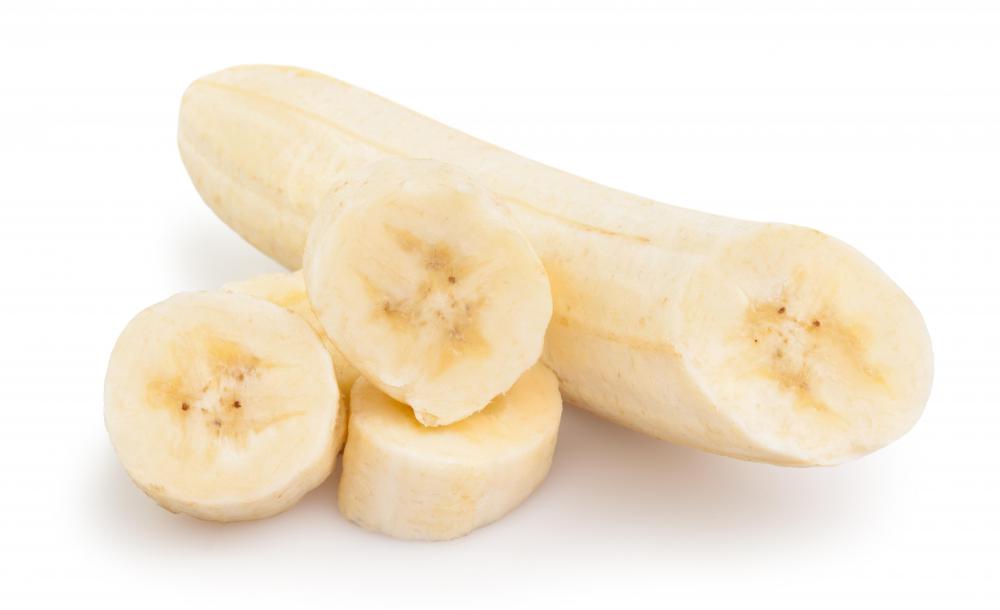
![Bananas may be added to muesli.]() By: bergamontBananas may be added to muesli.
By: bergamontBananas may be added to muesli.


Discussion Comments
@anon100548-- I use cold milk with muesli but I let it sit for around ten minutes before eating. It doesn't soften before that.
I've never tried boiled milk with it. The organic muesli I have says to use cold milk or cold water on the packaging. I think originally, people used to mix muesli and cold milk or cold water the night before and keep it in the fridge for breakfast the next morning.
I keep my dry muesli in an airtight container out of the fridge.
@MikeMason-- Muesli is not that bad. The kind I eat is crunchy muesli with bits of granola, dried fruit, nuts and cinnamon. It's very delicious and healthy.
I started eating muesli after my dietitian recommended it to me. I've been diagnosed with diabetes and I need to eat foods with a low glycemic index that doesn't cause a sudden change in my blood sugar. Muesli is one of those foods. Muesli and oatmeal are ideal breakfasts for a diabetic.
My wife is Swiss. She eats muesli flakes every morning for breakfast. I don't know how she doesn't get sick of such a bland food.
I've tried the Jimbo Super Muesli and it tastes great. Just the right mix of ingredients and I stay full through to lunch time.
Has anyone tried jimbo super muesli?
I like potatoes. How does that affect my muesli intake?
Do we have to put pre-boiled milk while having museli or post boiled milk? Do we need to keep the packet in refrigerator?
I think that muesli is probably an acquired taste. The first time I tried it, I really didn’t care for it all that much. Now, I love it. I now make my own variation of muesli. I use 8 parts grain, 1 part nuts and seeds, and 1 part dried fruit.
The grains can be wheat flakes, barley, oats, rye flakes, or wheat germ. For the nuts, I use almonds, pumpkin seeds, sunflower seeds, and almonds. For the fruit, I use coconut flakes, apricots, dates, raisins, bananas, apples, blueberries, and prunes.
Place all of the ingredients into a large jar. Shake the jar well to mix everything up. Keep your muesli stored in a cool, dark place, or a refrigerator.
The way that I eat my muesli is to scoop some out into a bowl and then pour milk over it and let it sit for about five minutes (long enough for the milk to be absorbed). Sometimes I use apple juice instead of milk. Delicious!
how does muesli affect diet when it is purchased from the supermarket and it contains preservatives?
Post your comments