
At AllThingsNature, we're committed to delivering accurate, trustworthy information. Our expert-authored content is rigorously fact-checked and sourced from credible authorities. Discover how we uphold the highest standards in providing you with reliable knowledge.
What is Monkeywrenching?
 Mary McMahon
Mary McMahon
Mary McMahon
Monkeywrenching is a form of sabotage that focuses on creating serious economic damage, thus putting a temporary or permanent halt to activities that the perpetrator believes are undesirable. The activity is closely associated with the environmental movement, although other causes have embraced monkeywrenching as well. Different saboteurs are governed by different ethical codes, and a number of guides to creating this type of damage have been published for those who might be seeking inspiration.
The concept of throwing a monkey wrench into a situation to confuse it dates back to the late 1800s. By 1918, the term “throw a wrench in the works” was used specifically in the context of industrial sabotage. Activists who fought for better working conditions and pay might choose to directly damage corporate machinery in the hopes of causing a standstill in factory operations. While the equipment was repaired, the workers could put forth their requests. Workers would also deliberately destroy machinery owned by companies with questionable practices, in the hopes of shutting them down.

In 1975, Edward Abbey's novel The Monkey Wrench Gang was published, and monkeywrenching became forever entwined with environmental activism. The purportedly fictional book documented the adventures of a miscreant crew who were bent on stopping development and expansion in the American West. For many environmental activists, the book became a sort of Bible, romanticizing this type of sabotage and providing practical tips and techniques as well. Ten years later, Dave Forman published Ecodefense, a sort of monkeywrenching manual that advocated "ecotage" to save the natural environment before it was destroyed.

Acts of monkeywrenching can range from the benign to the potentially very dangerous. A band may choose to try and permanently incapacitate machinery and equipment, or it may seek to inflict damage that will only require repairs. In the first sense, it is meant to bring development to a halt, while in the second, the damage buys more time for negotiations and discussions about the issue.
Environmental activists are split on the topic of monkeywrenching. Some embrace it as a valid method of protest, while others believe that it ultimately hurts the environmental movement. Supporters may also be split on which types of monkeywrenching are acceptable, with some people striving to prevent damage to living organisms. Others are less circumspect, and people have been injured or killed as a result of such sabotage activities. As a general rule, it is considered polite to warn companies about potentially dangerous forms of monkeywrenching, such as sabotage to heavy equipment that may result in operator injury.
Frequently Asked Questions
What exactly is monkeywrenching?
Monkeywrenching is a form of direct action used by environmental activists to disrupt or sabotage activities they consider harmful to the environment. This can include disabling machinery, tree spiking, or other acts aimed at halting construction or logging operations. It's a controversial tactic, as it involves illegal activities that can pose safety risks.
Is monkeywrenching considered a form of eco-terrorism?
While some view monkeywrenching as a legitimate protest against environmental destruction, others, including law enforcement and affected industries, may classify it as eco-terrorism. This is due to its focus on property damage and potential for endangering lives, which aligns with the FBI's definition of eco-terrorism as the use or threatened use of violence of a criminal nature against innocent victims or property by an environmentally-oriented group for environmental-political reasons.
How did monkeywrenching get its name?
The term "monkeywrenching" is believed to be inspired by the fictional character George Hayduke from Edward Abbey's novel "The Monkey Wrench Gang." Hayduke, an environmental activist, used sabotage techniques to protect the American Southwest from industrial development. The term has since been adopted by real-life activists engaging in similar acts of environmental disobedience.
What are the legal consequences of monkeywrenching?
Monkeywrenching is illegal and those caught engaging in such activities can face serious legal consequences, including fines, imprisonment, and a criminal record. The severity of the punishment often depends on the extent of the damage caused and whether any harm came to individuals as a result of the actions.
Are there any non-violent alternatives to monkeywrenching?
Yes, there are many non-violent and legal alternatives to monkeywrenching. Environmental activists often engage in peaceful protests, legal challenges, public awareness campaigns, and lobbying efforts to achieve their goals. These methods aim to create change through dialogue, education, and the legal system rather than through destruction or sabotage.
Has monkeywrenching ever been effective in achieving environmental goals?
While monkeywrenching has occasionally resulted in temporary halts to development or logging projects, its long-term effectiveness is debated. Some argue that it can draw attention to environmental issues, but it also risks alienating the public and policymakers. Moreover, it can lead to increased security and legal measures against activists, potentially making peaceful protest more difficult.
Mary McMahon
Ever since she began contributing to the site several years ago, Mary has embraced the exciting challenge of being a AllThingsNature researcher and writer. Mary has a liberal arts degree from Goddard College and spends her free time reading, cooking, and exploring the great outdoors.
Learn more...
Mary McMahon
Ever since she began contributing to the site several years ago, Mary has embraced the exciting challenge of being a AllThingsNature researcher and writer. Mary has a liberal arts degree from Goddard College and spends her free time reading, cooking, and exploring the great outdoors.
Learn more...AS FEATURED ON:
AS FEATURED ON:









-
![Monkeywrenching was used in 1918 in the context of industrial sabotage.]() By: helgidinsonMonkeywrenching was used in 1918 in the context of industrial sabotage.
By: helgidinsonMonkeywrenching was used in 1918 in the context of industrial sabotage. -
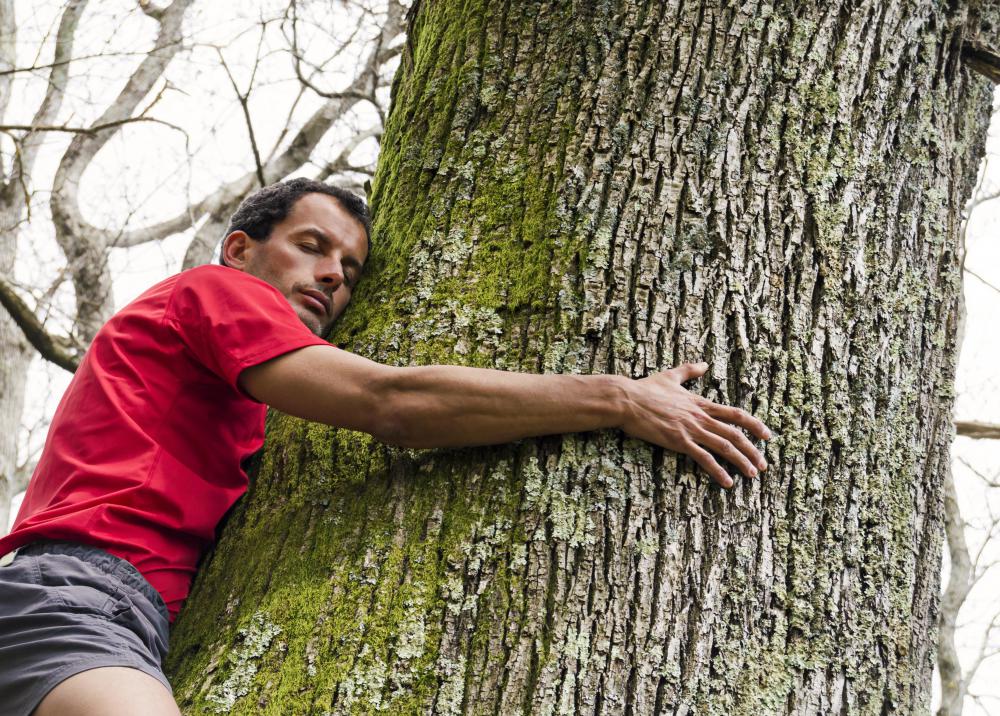
![Monkeywrenching is an activity closely associated with environmental activists.]() By: ueuaphotoMonkeywrenching is an activity closely associated with environmental activists.
By: ueuaphotoMonkeywrenching is an activity closely associated with environmental activists.

Discussion Comments
I know that monkeywrenchers are not trying to overthrow the government or even a system. But I do feel that there is a common underlying theme to monkeywrenching. Most of it is done as a reaction to some kind of environmental injustice or mistreatment of labor by an employer.
What lies at the core of all these issues is the misuse and mistreatment of people or environment for some kind of economic gain. I think that monkeywrenchers are actually fighting the economic system where if you take advantage of resources, you win. Money has more value than living things in this system. I think this is what the fight is really about.
I think that many Americans, including myself, are frustrated with some government policies and industrial development that is destroying nature and wildlife. How many of us watched the BP spill on TV, their unsuccessful attempts to stop the leaking oil and thought "why can't we do anything about this?"
I imagine that monkeywrenchers go through the same frustration that many of us do, but actually show the courage to do something about it. I admire them and yet still wonder about how ethical or right monkeywrenching is. I feel that there might be better methods to get the message across. But sometimes, I feel that the government doesn't care no matter how many Americans complain about what we are doing to our planet, and something more has to be done.
What do you think? If the government doesn't respond to public opinion and protests through other means, is it ethical to monkeywrench?
I think that there are misconceptions about what monkeywrenchers do and aim for. Some people think that since monkeywrenchers damage and destroy equipment, they are violent people that could also hurt others, but this is not true.
Monkeywrenching is not a violent protest, it is a non-violent protest that only harms machinery, not people. If accidents have happened with monkeywrenching activity, clearly it has been unintentional and I'm sure that the monkeywrenchers would not have done it if they knew that someone would be harmed.
They also don't go around damaging every piece of machinery and equipment they come across. It is done if there is no other choice and only minimal damage is done. It's very similar to other forms of sabotage in this sense. The goal is to gain public support for the issue at hand.
Post your comments