
At DelightedCooking, we're committed to delivering accurate, trustworthy information. Our expert-authored content is rigorously fact-checked and sourced from credible authorities. Discover how we uphold the highest standards in providing you with reliable knowledge.
What is Molasses?
 Tricia Christensen
Tricia Christensen
Tricia Christensen
Molasses is a thick, brown to deep black, honey-like substance made when cane or beet sugar is processed. It is enjoyed as a sweetener in many countries, and most particularly in England where it is called treacle. For hundreds of years, molasses and sulfur, or treacle and brimstone were thought to have healthful benefits, and children were frequently given doses of the product.
The constipating or sometimes laxative effect of brimstone and treacle could be misused to keep appetites down. Charles Dickens makes mention of its application in Nicholas Nickleby, where the starving students of Mr. Wackford Squeers’ school are frequently dosed with such to cut down on their porridge consumption.
Molasses had a somewhat unsavory history during Prohibition in the US. It is the primary base for the manufacture of rum. Molasses importation became synonymous with the bootlegging industry and with organized crime.
Today, uses for molasses are quite benign. It is used primarily in baking. No gingerbread would be quite the same without the addition of molasses. Some people enjoy using it on hot cereals like cream of wheat or cornmeal mush.

Molasses is also a necessary ingredient in the Thanksgiving holiday traditional pumpkin pie. In England, treacle tart, is not, however, made with molasses, but it is enjoyed as a sweetener on porridge. Homemade caramel corn is especially good with a dollop of molasses added to the sugar mixture.
Molasses has somewhat more nutritional value than does white or brown sugar. The process by which it is extracted and treated with sulfur results in fortification of iron, calcium and magnesium. Some natural health food experts still advocate its use for ailments of the stomach.
Concerns about sulfur, however, have led to many brands of molasses that are sulfur-free. These are widely available in both natural food and chain grocery stores.

Calories in molasses are approximately the same as sugar, about 16 calories per teaspoon (5 ml). However it only contains about half the sucrose as sugar. It is also made up of both glucose and fructose. Though it is high in iron, it is also high in calcium, which tends to prevent iron from being absorbed by the body. Thus its benefits as a mineral supplement may be a bit overrated.
As a sweetener, many enjoy its hearty sweet flavor that has a bit of a sharp finish on the tongue. Certainly as a baking agent its combination of sweet and tangy result in delicious baked results.
Tricia Christensen
Tricia has a Literature degree from Sonoma State University and has been a frequent DelightedCooking contributor for many years. She is especially passionate about reading and writing, although her other interests include medicine, art, film, history, politics, ethics, and religion. Tricia lives in Northern California and is currently working on her first novel.
Learn more...
Tricia Christensen
Tricia has a Literature degree from Sonoma State University and has been a frequent DelightedCooking contributor for many years. She is especially passionate about reading and writing, although her other interests include medicine, art, film, history, politics, ethics, and religion. Tricia lives in Northern California and is currently working on her first novel.
Learn more...AS FEATURED ON:
AS FEATURED ON:


-
![Molasses being poured from a spoon.]() By: grafismailMolasses being poured from a spoon.
By: grafismailMolasses being poured from a spoon. -
![Ginger molasses bread.]() By: Nightman1965Ginger molasses bread.
By: Nightman1965Ginger molasses bread. -
![Molasses cookie.]() By: Calgary ReviewsMolasses cookie.
By: Calgary ReviewsMolasses cookie. -
![Blackstrap molasses.]() By: KentonBlackstrap molasses.
By: KentonBlackstrap molasses. -
![Molasses is an ingredient in a traditional Thanksgiving pumpkin pie.]() By: Lisa F. YoungMolasses is an ingredient in a traditional Thanksgiving pumpkin pie.
By: Lisa F. YoungMolasses is an ingredient in a traditional Thanksgiving pumpkin pie. -
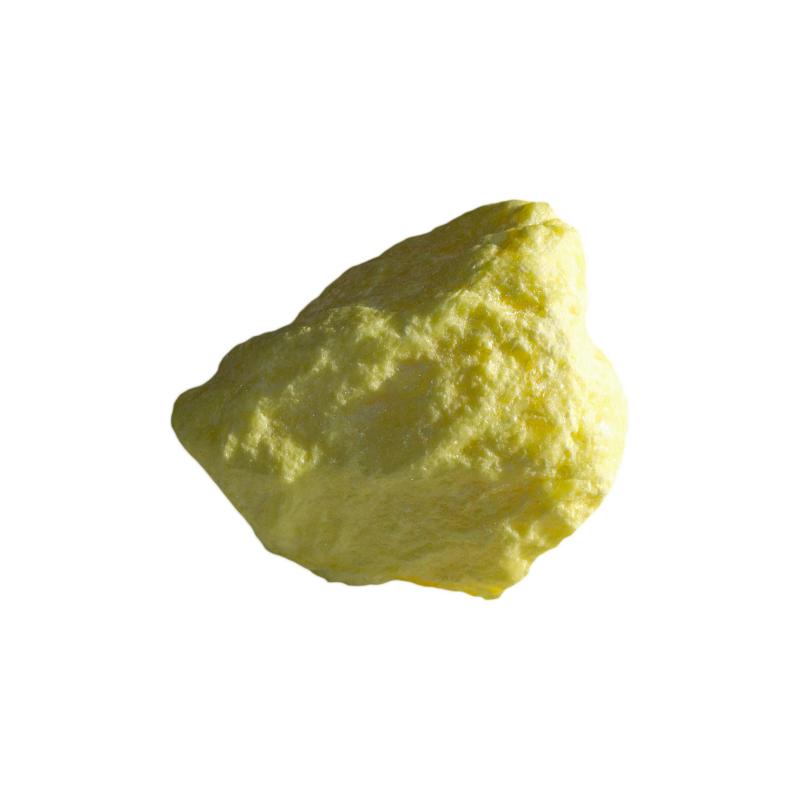
![There are some concerns with sulfur that have led some molasses companies to leave it out.]() By: wlad074There are some concerns with sulfur that have led some molasses companies to leave it out.
By: wlad074There are some concerns with sulfur that have led some molasses companies to leave it out. -
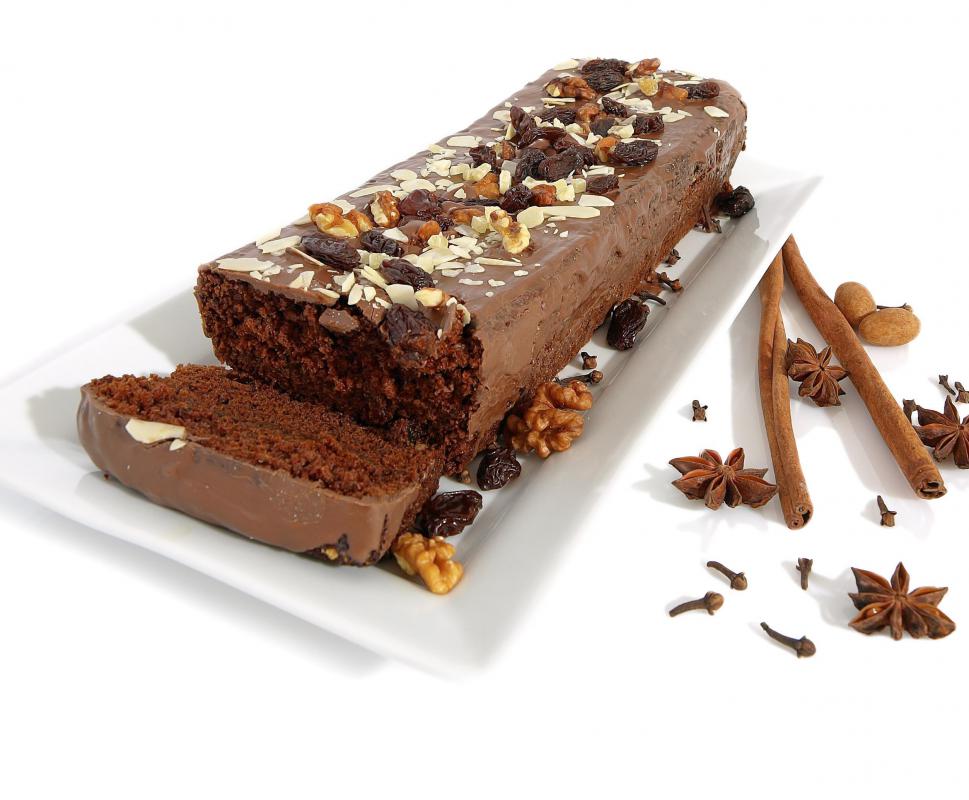
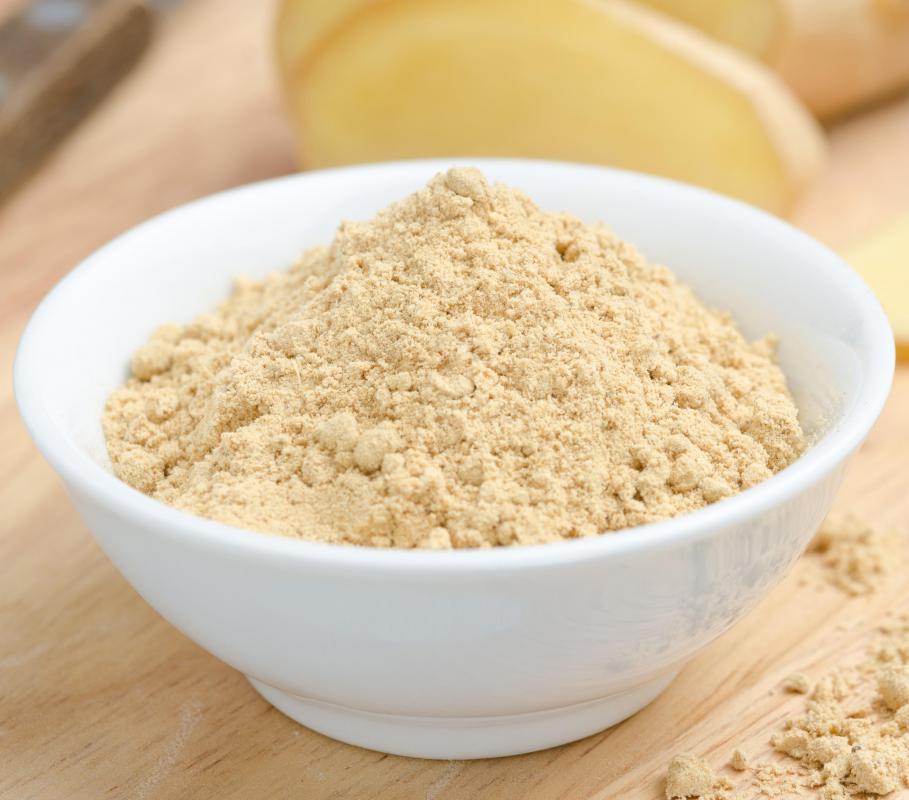
![The sweetness of molasses pairs well with the spiciness of ginger in many dessert recipes.]() By: cook_inspireThe sweetness of molasses pairs well with the spiciness of ginger in many dessert recipes.
By: cook_inspireThe sweetness of molasses pairs well with the spiciness of ginger in many dessert recipes.



Discussion Comments
@anon178933 -- I have never heard of using molasses for heartburn but think it would be worth trying. I like to find natural products to treat health issues before I rely on a medication. My doctor prescribed a mediation for my heartburn, but I haven't filled it yet because I am trying to find a natural way of treating this.
If I took molasses several times a day like this, I would want to buy the organic molasses so I knew it didn't have any chemicals in it. A jar of molasses doesn't cost that much, so for me it would be worth it to spend a little bit more for an organic product.
@anon140911 -- I have had a jar of molasses for a long time and it still looks and smells OK. I know that honey may crystallize but this doesn't mean it has spoiled and is still OK to use. I think molasses might be the same way.
I use molasses when I make my homemade granola bars and when I make gingerbread cake. I usually only make these when it's cold outside and so I don't go through a jar very quickly either. I have never used molasses when making pumpkin pie, but think I might have to try it. I can see where the molasses would really complement the pumpkin flavor and probably taste better than using white sugar.
I live in the US and it seems like molasses is a forgotten sweetener. It may be making somewhat of a comeback in some of the health food stores, but for the most part, most everyone uses white sugar when baking.
When I was a kid I remember my grandma making soft molasses cookies. When these were warm from the oven, they couldn't be beat. I have tried to make these a few times, but nobody else in my family cares for the taste of molasses so I never make them anymore.
Even though molasses is naturally sweet, it has a much stronger taste than white sugar does. Many people don't care for the taste of molasses because of this. If I had my choice of molasses or honey, I know I would choose honey every time.
@anon181523 -- I like to enjoy a bit of molasses in my warm oatmeal. This adds just the right amount of sweetness and may be a bit healthier for me than brown sugar. I don't know of any bad effects from using molasses but suppose there could be if a person used too much at one time. I don't buy molasses very often because I don't use it every day and one jar lasts me a long time because I just use a little bit at a time.
Why did molasses cost so much?
I am diabetic. Can I eat molasses?
I have just found molasses and am enjoying a teaspoonful in my warm milo. It tastes great and I'm sure I am feeling healthier - or is it in the mind? Are there any bad effects from molasses?
I use it when I have heartburn. It really works.
All I want to know is - is a teaspoon of molasses just as bad as eating a teaspoon of brown sugar on the waistline or hips or thighs? You get the picture?!
how long will molasses keep? Does molasses have an expiration date?
Molasses works great to stop leg cramps. Two tablespoons and the cramps will stop.
In South American countries I guess it's called "Melao de Caña."
Lemon oil will help get it off the wood also.
Why did you keep molasses 50 years? If I were you, I would finish it in a week!
Can I substitute molasses for cane syrup in a recipe?
Can molasses go bad? I have some molasses that are about 50 years old. It has been well sealed. It looks good and hasn't crystallized. Tastes good too. However, I would like other opinions on this for confirmation.
Can molasses ever go bad, or expire, or will it's nutritional value decrease?
To remove molasses from a cupboard, one might use baby oil, or vinegar. Both cut stickiness.
You want to remove heavy syrup (molasses) from wood? Use steam and/or hot water to dissolve the sugars but steam and hot water make the wood swell.
Nothing I know of will put the wood back into the original condition it was in *if* the molasses was absorbed into the wood grain.
Sugar is a basic food -- almost anything sees unrefined sugars as a treat from humans to yeast and bacteria. Some of those treat seekers eat wood too. Correct me if I am wrong.
I would add one thing to your article -- how to clean a molasses spill! Help! Can anyone help me find info on how to clean a large amount of molasses off the inside of a wooden cabinet?? A jar seems to have cracked while in there, and I just discovered it's all over, and all of the other cans and jars in there are stuck to it, and the black color has permeated the labels of them! How on earth do you clean it off the wood, though? I can't find anything on the Internet! Thanks.
Thank you so much! I am from the US, but live in a country where molasses is not common. I am looking for a substitute so I can make brown sugar for baking. Now that I know what molasses is, I know I can use what is known here as "sugar cane honey". Thank you.
Post your comments