
At HomeQuestionsAnswered, we're committed to delivering accurate, trustworthy information. Our expert-authored content is rigorously fact-checked and sourced from credible authorities. Discover how we uphold the highest standards in providing you with reliable knowledge.
What is Modal?
 Niki Foster
Niki Foster
Niki Foster
Modal is a processed bio-based textile made from reconstituted cellulose from the beech tree. It is very soft and popular for both clothing and household textiles such as bedding, upholstery, and towels. The textile may be used on its own or in a blend with cotton, spandex, or other textiles. In many ways, it acts like cotton, but it also has some significant advantages over that fiber.
Considered a type of rayon, modal is made only from beechwood fibers. Most other rayons are made of the wood pulp of a number of different trees. It is considered bio-based rather than natural because, though the raw materials used to make it are natural, they are heavily processed using a number of chemicals.

Like other types of rayon, which were originally marketed as "artificial silk," modal is soft, smooth and breathes well. Its texture is similar to that of cotton or silk, and it's cool to the touch and very absorbent. Like cotton, this textile dyes easily and becomes color-fast after submersion in warm water.
One of the advantages of modal over cotton is its resistance to shrinkage, a notorious problem with cotton. It is also less likely to fade or to form pills as a result of friction. The smoothness of the fabric also makes hard water deposits less likely to adhere to the surface, so it stays soft through repeated washings.
Modal drapes well and keeps its shape, even when wet. In order to keep them looking best, items should usually be ironed after washing. This may not be necessary for fabric blends, however.

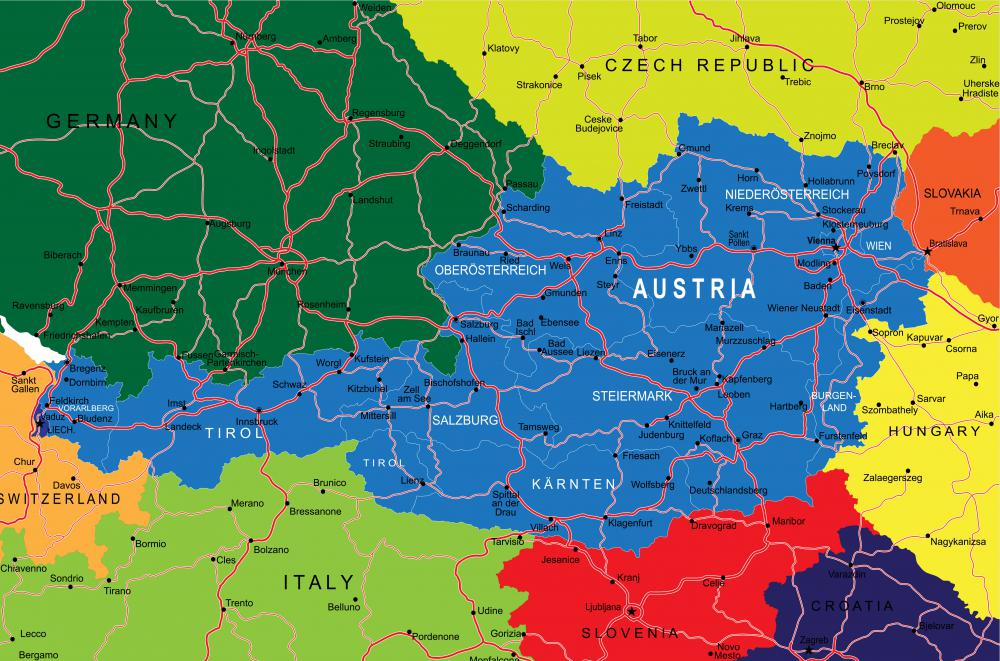
First developed by the Austria Lenzing company, who trademarked the fabric's name, modal is now made by many manufacturers. The textile has particularly taken off in Indian companies. In the United States, it is most often seen in bed sheets, towels, and robes, but it is slowly gaining ground as a clothing material as well. In Europe, where the fabric originated, it is already widely used in clothing as a replacement for cotton.
Niki Foster
In addition to her role as a HomeQuestionsAnswered editor, Niki enjoys educating herself about interesting and unusual topics in order to get ideas for her own articles. She is a graduate of UCLA, where she majored in Linguistics and Anthropology.
Learn more...
Niki Foster
In addition to her role as a HomeQuestionsAnswered editor, Niki enjoys educating herself about interesting and unusual topics in order to get ideas for her own articles. She is a graduate of UCLA, where she majored in Linguistics and Anthropology.
Learn more...AS FEATURED ON:
AS FEATURED ON:


-
![A closeup of modal fabric.]() By: picturegardenA closeup of modal fabric.
By: picturegardenA closeup of modal fabric. -
![A turtleneck made with modal fabric.]() By: Gordana SermekA turtleneck made with modal fabric.
By: Gordana SermekA turtleneck made with modal fabric. -
![Modal was first developed by the Austria Lenzing company, who trademarked the fabric's name.]() By: bogdanserbanModal was first developed by the Austria Lenzing company, who trademarked the fabric's name.
By: bogdanserbanModal was first developed by the Austria Lenzing company, who trademarked the fabric's name.


Discussion Comments
I recently bought a pair of extreme skinny jeans from Hollister. I knew from the description of the product that modal was part of the jeans makeup, but thought nothing of it. Tried them on, fit okay, washed as required. Tried them on again to be sure they fit okay. Then a few days later I put them on to wear that day. Two hours later I starting getting itchy and red spots showed up. I did some research and found out that modal can cause this. I even started feeling light-headed and woozy. Took the jeans off and slowly symptoms went away. Will return them--maybe. Hard to do with stores closed. I will have to drive thirty miles to a designated post office just so I can return them and get a refund. Won't buy from Hollister again.
I think this will at least get you thinking about comfortable you actually are in our country.
Personally, I think this is what happens. We go about our daily lives and look for the easiest and cheapest things, so we can have more. But all the while we let the textile industry and manufacturers get by making "trash" and selling it to us as the "latest thing". This might fine for awhile, but as you get older, you find you can't find anything in your closet can wear. Your skin starts itching and burning except when you wear 100% cotton that's grown and processed here in the U.S. I'm to the point that nothing in my closet will work. I really think all the stuff we put in our bedding and clothing (except cotton) catches up with us over the years.
Now we are living in a country that lost most of our cotton industry, which is when we were the happiest, because we have allowed ourselves to be here. We used to grow good quality cotton that we processed safely here in the U.S.A. (instead of elsewhere) and we were comfortable in this country. Now we are paying the price. Everyone in the country should be demanding this don't you think? We can have properly processed fabrics here so we can be comfortable again. Why not being back our jobs and keep them here so we can be proud of our textiles instead of sending them overseas (mostly China)? The manufacturing businesses left in favor of cheaper labor and materials that we are supposed to wear! I don't know, but what's wrong with that picture? We have made China a superpower, because we send our money to them. I don't need to tell you. Just pick up the things in your homes and look at the stamps and labels.
Sorry, I didn't mean to get on my soapbox, but we have allowed this country to take jobs, our comfort, and our pride, and ship it overseas! We need to stop sticking our head in the sand and do something about it. I have started composing letters to our local, state, and federal governments, and the President about this. You can too! I'm not an activist. I'm just someone who is tired of not being able to clothe themselves without spending a on fortune on 100% soft, safe, cotton clothing because it's expensive here in the U.S.!
So, please talk with family, friends, co-workers, and your elders, and see what they think about our comfort here. Take some time and really look around, then make up your mind (or not) and start writing letters. We have future generations to think about also!
If you took the time to read this, I thank you! Because we need to wake up, America!
Cindy M.
"Allergic reaction to modal?" Are you serious? Modal is cellulose. If you were allergic to cellulose you would have been dead a long time ago since all plant foods are full of cellulose. No textile fiber is inherently "safe" or "green." At least wash it before you let it touch your skin, animals. I've been wearing Lenzing MicroModal underwear for years with no problems. It's super comfortable, durable, affordable, and more environmentally friendly than cotton.
I did not know about modal until I got a Liz Claiborne 30/70 modal/cotton tee at Goodwill and it heated me up way too much. Maybe that's why it was donated. Today I purchased a 50/50 cotton/modal black tee at The Loft, a division of Ann Taylor, but did not notice till I got home it was partly modal. I planned to return it until I read these comments. I guess it's case by case. So I guess I'll keep it and hope for the best but will return it if it's hot. I plan to hand wash and partly dry on air fluff then hang. It says not to iron.
I've loved the texture and durability of "similar" fabrics like Tencel and bamboo, so I bought a modal sleep shirt from Hudson's Bay and loved its softness. I suffer from allergies to many fabrics and had no discomfort with modal. Unfortunately, the fabric seemed to disintegrate after just three washings. Huge rips appeared without apparent cause, making this the most expensive garment I've ever bought! Modal is definitely off my purchase list.
I hate modal. So many more manufacturers are using it now, especially in T-shirts that used to be 100 percent cotton. If a piece of clothing has even a stitch of modal or rayon, it will not do well in the dryer. 100 percent rayon is OK with me. I know those items will have to be line dried, and if smoothed out by hand before hanging, they rarely need ironing. Combination cotton and rayon or cotton and modal is a nightmare. You have to line dry it because of the rayon, and you have to iron it because of the cotton, except that the cotton needs a higher iron temperature than the rayon can withstand. It's just the worst blend possible. Give me 100 percent cotton or 100 percent rayon, please!
No one here has commented on tees made of Modal getting tiny little holes, usually in the belly-button area This is well documented on other web sites. If you rub against a counter top or if the tee rubs against you jeans button, the fabric immediately gets these tiny holes. After losing eight tees to this, I did my homework and sure enough, all eight were made of modal. My investment in these otherwise nice looking garments is my loss.
No more modal for me.
I think if you are buying modal clothing made in China or other countries, the quality might not be as good. For example, I buy my modal clothing from this clothing line based in Los Angeles, California. They claim to have their fabric and everything in the garment made in Los Angeles. I love it!
I have terribly sensitive skin and allergic to almost everything under the sun, to the point I get shots weekly, not bi-weekly, not once a month. I have no problems with Modal. I've made some gorgeous convertible tube dress, much like a Hipknotie, but been doing this longer than those have been around. The material of my preference is 92 percent Modal and 8 percent spandex. It's light weight, breathable, dries quickly, wicks well, drapes great and it actually does not retain heat; as some have stated.
I do make my own laundry detergent (allergies), and always wash my materials first. Make sure you all are washing your items first. Material is often treated with less than desirable chemicals. It makes me wounder if some of you have gotten a different fabric other than Modal by mistake, or perhaps it's the dye that is irritating.
I see a lot of people on here complaining about modal because of itching and rashes or whatever. Personally, I have sensitive skin and can't even use most detergents because of how I react to them. Certain fabric have caused me itching in the past, but never once have I had a problem with modal. Honestly, this site is the first time I had ever seen anything bad about it.
I have this wonderful sheet set that has been very well worn and is 100 percent modal (and made in Turkey, if that makes a difference). I've had it for about three years now and it's been washed somewhere between 100-150 times and the deep burgundy color is just as rich and vibrant as it was the first time I put them on my bed.
The fabric itself is cool to the touch, but it helps keep me warm in the winter. It feels wonderfully soft and smooth on my skin and, even after so many washes, there is not a pill to be found unlike with cotton bedding. This is like the best of cotton and the best of silk without any of the drawbacks. Soft and smooth, cool to the touch but warm and heat-insulating when needed. No pills, holds its color incredibly and it's strong and durable.
I don't know why there are so many complaints on here. It seems like a common factor is that the fabrics are blended fabrics with modal and something else. Or, maybe, I amazingly don't have a skin allergy to this one in particular.
Either way, I just wanted to add my two cents in about how, despite a lot of the negative comments on here, I have nothing but good things to say about it.
I recently purchased a Sure Fit sofa slipcover from Bed, Bath & Beyond. When I took it out of the container, it had a strong chemical odor, but I put it on my sofa.
It looked nice but when I sat on it, I started getting headaches, wheezing and coughing and the smell just seemed so toxic. I thought it would go away in a few days, but it did not and I would become ill just from sitting on the sofa. I returned it. Then I found this site and see I am not alone.
I hate modal. It is cheaper to make than cotton but has a higher price tag. It retains more heat.
Unless I wash by hand and let it drip dry, garments will pill, shrink up and look ancient after a few months.
I like the cut, color and draping of many things made of modal and rayon blends, but I value durability, environmental sustainability, and responsible business practices. More of this junk is being used every day because of how cheap it is and how much more profits clothing manufacturers make selling it as if were a valuable material.
I think people who buy this are easily duped and companies are making out like bandits through people's ignorance. I find it annoying that I have to get my clothing custom made just to be fashionably dressed in real cotton jersey.
I bought underwear that was made of modal. At the time I thought the fabric was just cotton but after washing them and then wearing them I got a terrible rash from them. I checked the label and found out it was modal fabric. A lot of people are allergic to it. I will never buy anything made of it again. It's terrible.
I have had a rash on my chest, shoulders and midback that itches and flakes. I went to the dermatologist and they patch tested me against something of upward of 200 items. They said that I was allergic to formaldehyde. It is in just about everything that is cloth.
Many fabrics are treated with it, and many clothing lines are made with these fabrics. Rayon is supposedly one of those fabrics, and modal IS a type of rayon. Just not sure if it is treated with formaldehyde.
I purchased several long sleeve T's by APT. 9 Essentials at Kohls. They are made of 58 percent modal, 38 percent cotton and 4 percent spandex. After a relatively short time, they stretched out and lost their shape, so much so that I can't even wear them around the house because the sleeves are now way too long and wide. It's a bummer because I really like those shirts. They were comfortable, came in nice colors and were a good price.
Some of you guys have me worried sick! I just received from FedEx a pair of Calvin Kline shorts made of 90 percent modal. About 30 minutes ago when I got them, I handled them only with my hands and thought Wow! Very soft! So then I came to this site to read about what modal fabric is.
I read all this about itching, red skin and blisters that some of you spoke of. While sitting and reading, my left forearm started to itch. I thought, Oh no! It’s those darned oh-so-soft $26 shorts I just handled. Then after paying closer attention, I realized what caused the itch was the corner of a piece of paper that was laying on my desk that “touched” the hair on my fore arm that caused the “itch”. So my new CK $26 oh-so-soft shorts (underwear) may be OK after all. I’m going to stop reading, or I won’t sleep tonight at all thinking about those oh-so-soft $26 shorts that may cause itching, red rash, blistered skin and heaven forbid, maybe worse! I'm far too easily influenced by the power of suggestion!
Here is my take. I will try not to buy any products with Modal. Here is why.
It wears poorly. Very poorly. It stretches out, loses shape, shrinks, pills, etc. It does everything "they" say it doesn't do.
It stains easily and it is almost impossible to remove the stains (and I am an "expert" in getting out all types of stains, fresh and old!)
It holds in body heat and makes you sweat-- really gross!
Do not buy modal products. Demand cotton or other natural fibers for your own comfort.
Re: 100 percent cotton.
I too, was dismayed at the lack of 100 percent cotton jeans (and other clothing items). So I started looking on Ebay and now have built up a nice arsenal of my favorite all cotton jeans at a fraction of the cost of new. I also am recycling, and since they were not produced recently, chances are they are not laced with GMOs.
I too am allergic to stretch and am constantly looking for 100 percent cotton jeans, etc. To the person who also requires 100 percent cotton, J Crew's vintage line is often 100 percent cotton. Just make sure it says 100 percent cotton or it will have some spandex in them. I learned that the hard way.
Ralph Lauren sells boyfriend capris and jeans that are 100 percent cotton and very comfortable. J Jill has boyfriend jeans in 100 percent cotton.
To date, I have been unable to find 100 percent cotton white jeans anywhere. I have asked J Crew to offer them but they have not. I encourage anyone who wants them like I do to email JCrew customer service and request them. If they get enough requests, they may consider it since they already offer some cotton items.
And as always, use the baking soda and vinegar solution on any new item to remove the chemical sizing.
I appreciate this info. I had terrible itchy welts all along my abdomen, thighs and front of my calves. I tried many creams to no avail.
I finally went to the doctor and he prescribed Kwellada. I did the treatment three times, and the symptoms somewhat improved but did not subside. After six weeks, I returned and he prescribed 5 pecent precip sulfur in petroleum and betaderm 0.1 percent (betamethasone valerate). Around this time, a friend was talking about some jeans we had both purchased. They had a "sewage" smell that did not fade with washing. She mentioned she wanted to return them. This prompted me to look up some info. about the denims which led me to this site. The jeans were made in China and did contain spandex. Since returning them, I have been symptom free. Thank you.
I have been suffering with a terrible rash and intense itching for the last month. I have finally narrowed down the cause to a set of new Surefit slipcovers I purchased last month at Bed, Bath and Beyond. There is no mention of Modal on the tag, only polyester and spandex. They were made in China, however.
If they contained this Modal, would it necessarily be listed on the label? Has anyone else had a reaction to slipcovers?
Dose anyone know if this fabric is particularly flammable? I frequently work in a glass hot shop and synthetic fabrics are banded because if they catch on fire the whole thing is up in flames instantaneously.
@lwturner: cotton now is GMO, genetically modified. It's filled with toxic pesticides called Round Up. In addition cotton has toxic pesticides in its seeds DNA to make it "Round Up ready". And so many of us are finding ourselves without much to wear except silk and some cottons.
And some cotton fabrics are drenched in chemicals (sizing, GMO starches etc) I bought a piece of 100 percent cotton that was rough and shiny. I hand washed it in hot water then vinegar and baking soda and all those chemicals came out soaping (foamed when I washed in hot water alone) and final rinse I was able to get them off of it and it's now normal cotton-soft.
Hope this helps.
I bought a modal top from Banana Republic. I think it was 40 percent modal and cotton. It felt soft to the touch but as soon as I put it on, I was itchy all over, breasts and back. I promptly took it off. I tried it again before returning and same thing happened!
I can wear 100 percent viscose without a problem, and I have a top that is 30 percent lyocell (and cotton) and that's no problem either. I have MCS, severe allergies to synthetics and latex as well. So I'm not sure if it's the chemicals or the fabric but it should be banned. I can't believe no one else is allergic to nylon and polyester though. Those are super itchy, sweaty and all around geriatric fabrics that feel yuck! I also can't wear lycra.
Someone please bring back 100 percent cotton jeans!
Last week I bought a set of DannySEO 100 percent Modal sheets. I fell in love with them instantly! I have never paid attention to what type of fabric I bought because I am not allergic to any type of fabric. Or so I thought.
I was so excited to sleep in my new sheets I couldn't wait for them to get out of the dryer. That night I slept great and woke up a little hot, but nothing unusual. The next night I woke up in the middle of the night, drenched from head to toe. I also had a fever and could feel my throat getting sore. By the end of the day, I still had the fever and was feeling flu like. Took some drugs went to bed. Again woke up drenched head to toe, changed went back to sleep, woke up again drenched. I told myself if I didn't get better by the following Monday I would go see a doctor.
Like I said before, I have never had a reaction to any fabric. I didn't think twice about rewashing my sheets and put them back on my bed. By this time the fever had passed and I felt great. Until I went to sleep, and woke up again drenched head to toe. So I started to panic; thinking of all the illnesses I could have, what had I changed in my diet and daily activities, etc.
I got up and changed the sheets, laid back down and went back to sleep. The next morning I wasn't drenched – just a little damp. I took a shower and washed my comforter. The next night I slept without waking until morning. I was dry and all was well.
Now, I can't find much talk about this fabric. But what I have found is that I am most likely allergic to the chemicals processed to make it. I found an article saying that modal made in Australia has fewer chemicals in it. So I will try it if its from there just to see. I am so bummed. I loved this fabric.
Well, I am 61, and have worn tee shirts and casual shirts all my life, recently loving the polo tops by Rodd and Gunn and Sportscraft.
Being a typical bloke, I usually shop once every couple of years and get tops when they are on sale at the DFO. The missus "advises" me of the colours "too gay" "doesn't match you eyes," etc., etc. I hang out around the entrance to the stores languishing on the thoughtfully provided couches while she tries on everything and chooses nothing. I just look at the items and buy.
Now the latest batch has changed. They drive me absolutely nuts with itching and I have a rash that matches the garment extents. There is definitely something different from a couple of years ago. The fabric tag says 100 percent cotton made in china but there is something different. Anyone else had this problem?
I recently got some new Calvin Klein boxer briefs that contained 42 percent modal and I have been absolutely miserable ever since. My body is very itchy in certain places, and I have rashes and bruising on the very top of my legs. This has even affected my sleep!
Modal is wonderful! This fabric aside from keeping you cool, hangs wonderfully. It has a very soft and smooth feel. During the summer you cannot get me out of t-shirts and tops made with this wonderful fabric. My summer pajamas are also made of modal, as are my sheets. They are extremely comfortable and you can't beat how they help keep you cool. I think the world would be a better place if all our clothes were made of modal!
I recently purchased a nightgown at JC Penny's made by Liz Claiborne made of 95 percent modal and 5 percent spandex. What a surprise! I usually only purchase cotton for sleepwear, however the Modal gown was extremely comfortable, soft and retained it's shape and color.
The best part was that it was so cool and comfortable! My first wearing was on a hot and humid evening. Immediately after putting on the garment, I experienced relief from the heat. In addition, I usually sweat while sleeping in bed, but with this fabric, it did not happen.
I'm a convert and am pleased to know it is a natural fiber.
I had nightgowns in the 80s from a Finnish company called Nanso and never had any itching or allergies to them ever. And I'm not comfortable in Lycra or Spandex (I get way too hot in them) and I also have a bunch of allergies. They weren't cheap, but worth the money. And they looked new for years and years.
Maybe it's the quality of the Modal? I don't know.
These nightgowns were super soft, comfy and never pilled and the color never faded. I think it's an awesome fabric, but North America has been slow to catch on. Going to Finland this summer and I'll definitely look for some new clothing/nightgowns when I'm there.
I think people allergic to viscose (which is very common) would react same way to modal, no wonder. The production is the same process, the modal is only one kind of it. The process of production requires large numbers of trees, the drain contains sulphuric acid which kills all, it is unhealthy to wear it because it contains residues of used sulphates.
What is really interesting is mainly amount of used chemicals - rayon (viscose and modal are rayon as well) is vastly made from 20´s and for long time it was good solution also for many allergies.
It is no more, mainly because of the amount of used chemicals and the production in large with focus on different "qualities" of fabric(the whole process is now slightly different). There is a similar problem nowadays with cotton too. The conventional plant requires a large amount of pesticides and producers economize and budget by unthrifty adjustments of fabric, so that finally it is unwearable.
I bought some long-sleeved shirts from Gap that are 90% cotton and 10 percent modal (made in Vietnam) and wore them for a year without any reaction to them. Then I decided they were soft and warm and cozy, so I slept in them.
After sleeping in them I broke out in a rash all over my arms and neck. It took me a few nights to figure out it was from the shirts. Now, even when wearing them for a few hours I break out. I will be avoiding modal in the future.
Bought PJ's at Kohl's (by Vera Wang) 50 percent Modal, 45 percent cotton and 5 percent Spandex. Didn't wash before wearing for two or three nights. Woke up very early in the morning each am because of the intense heat on my body. The pj's gave a funny sensation on my skin.
Three days later I noticed a rash all over the backside of my body. I didn't realize it was from the pj's so after a few weeks wore the washed pj's again and the next day the rash had spread to many other parts of my body. Finally, I realized the cause. Have been seeing a dermatologist for treatment three times a week (PUVA) ultra violet rays and it is very, very slowly going away. Modal - never again.
Both my sister and I bought 85 percent modal and 15 percent sheets from Bed Bath and Beyond. Even though we both loved the way they felt when we slept, we both experienced terrible night sweats. My sister is past menopause and thought she was done with this and I usually don't suffer with sweating every night. We decided to change our sheets and report to each other and the sweats disappeared. Has anyone else experienced this after sleeping with Modal sheets?
My husband, who at 42 has never had an allergy in his life, suddenly broke out in a very itchy red rash all over his arms, legs and torso three days ago.
After two visits to the doctor's surgery to confirm he had nothing viral or contagious, they both concurred that the rash is an allergic reaction. We couldn't think what could possibly cause this. The only thing we could think of was a new Christmas gift of pyjamas.
I looked it up found this site, saw the modal adverse reactions and checked the PJ label - 50 percent Modal. I can't believe it! If a pair of PJs from Marks and Spencers after 42 years of being allergy free has done that, what on earth could it do to someone prone to allergies!
I intend to return to the store tomorrow and make sure more is understood about this potentially hazardous fabric, especially if its use is becoming more prevalent. Thank you to all who have posted comments; you have given my husband a good night's sleep back!
I have a Old Navy cardigan made up of 40 percent Modal and 60 percent and it's just great! It feels good on me, very comfy.
I am very surprised at these comments. I lust after modal garments made by Paul Ryan. They are expensive but I wear them for years and years with no reaction whatsoever. They are the only garments I take when traveling. If I could afford only these garments plus good quality merino for the cooler months, then that's all I would ever want.
Was considering Modal sheets from Pioneer - forget it. To the person who must wear all cotton - same here, but I can wear bamboo. Love it.
just wore a shirt with modal in it tonight for the first time. Washed it before wearing and an hour after having it on felt creepy crawly itchy feelings all over my arms, chest and back. My face was even itching.
The shirt smelled of chemicals and I am going to return it as soon as possible. What a horrible thing to wear against my skin. Modal never again!
Recently purchased two tops from Banana Republic, 85 percent modal. I have never had an allergic reaction to anything and all of a sudden I broke out in hives and had no idea why. I thought it was getting better this week but I wore one of the shirts today and it started getting worse again. Ruling everything else out, I think it is something with the modal as I have never owned anything with this fabric before.
I have to take exception to the claim in the article that modal resists shrinkage. Every single item of clothing I have bought that has some percentage of modal has shrunk with just regular washing, more than plain cotton or rayon alone. I know certain types of rayon shrink up when washed and will stretch back to original size only after being machine dried, but this is not the case with modal.
I bought a night gown by Eileen West with 60 percent cotton and 40 percent modal. It is a divine feeling. I love how cool it is -- no sweating at night. I search the stores all the time for another, but can't seem to find one that is short. They all seem to be long gowns. Are there other brands I can look for?
Modal is used often with spandex and lycra. I, for one, am extremely allergic to spandex and lycra, and it's not perhaps the modal, that people are allergic to. It's worth a thought.
I have to buy only cotton. I cannot in any way wear spandex/lycra. I get welts all over me. For that person looking for cotton undies, try Jockey; they make wonderful products. I know because I have to wear only cotton.
I just purchased a top today of 100 percent modal, and after reading all these postings, i'm wondering if I am able to wear modal. i love the way it feels. It's so soft. I'll have to wait and see if I itch like some others have.
I bought a top that is 100 percent modal from The Limited. I've worn it once and had not itching. I then washed it in on the delicate cycle and air-dried it. It looks great! It kept its shape, it's still soft, and retained the color.
I have a summer shirt made of 55 percent modal plus 45 percent polyester. I bought it because it feels smooth and looks good. But whenever I walk for 15 minutes or more wearing this shirt, I will feel very itchy, probably due to heavy fiction between my skin and the shirt. I have washed it many times but the problem remains. Does anyone knows what might be the chemical causing this problem? And how to remove it?
I have had sheets made of 100 percent Modal, and also bought some for family and friends, and we're all 100 percent in love with them! Never had a problem with them. Except for after having the sheets for years, they will/can become thin and get holes, especially if you let your animals sleep with you! Their, and your, nails will make that happen. So, keep everyone's nails short and tidy!
However, I do feel bad for those who have had any bad experiences with/from it! I never thought of that! Hmmm! That's something to think about. I have been sick, living with chronic pain for eight years now and no one can figure out why? I still don't think it's from the sheets, but am going to tell my doctor about this. God bless everyone!
I have a dress that I was just trying to figure out what heat to iron with. It is 95 percent modal, 5 percent spandex. I love it! I am a generally itchy person and consider myself rather sensitive, and felt compelled to comment after reading other posts. I love this dress!
Contrary to what others are saying about losing shape, it is an XS petite from Old Navy that I have worn, washed, and hung to dry three times and have noticed no changes in it. I think this fabric is very breathable and have no itchy bumps or complaints.
Everyone is different, and as I said, I tend to be itchy but have no issues with this. I would definitely recommend trying it!
modal i live for, and buy every possible item of clothing i can. I live in the eileen west modal nightgowns. They are so soft, wash like a dream, and dry very very fast. It is cuddly and soft and feels like skin. love it!
Modal is made from beech trees -- if you have allergies of any sort, then most likely you are allergic to modal. I wore a shirt this morning without realizing it was 45 perent modal and I was itching like mad all over. My nose was burning and itching and my head was very itchy.
I bought a very expensive pair of pajamas not too long ago that had modal in them and finally figured out that they were making me itch.
I do not believe it is the chemicals because I washed these garments in the same detergent that I have used for 15 years!
Check all labels before buying and if you have had any problems before with modal, don't buy it again! You are allergic to it!
I find it very hard from reading all these posts and they still don't have warning labels on these items made with modal. i picked up a set of pjs and a week later started breaking out with red itchy dots.
I went to the doctor and they were not to sure either and told me to make an appointment with a skin specialist. But i started back tracking and then it hit me to check the pjs. i never heard of modal so that's when i started to research and came across all these blogs.
Wow -- i still cannot figure how we don't hear more warnings about this. It's been three days now that i know not to wear the jammies and the big red itchy dots are starting to go down. i will be looking further into this.
the public should have some notice or warning tags on these items containing modal.
Most people aren't aware of the chemicals used not only in producing fabrics, but in the sizing (makes it look nice) or finish of the fabric; nor do they know about the sprays applied to keep foreign fabrics from bringing foreign bugs with them when shipped to other countries.
Even the USA allows a certain percentage of formaldehyde to be used when processing fabrics in order to keep them fresh looking and insect free. Even organic fabrics can go through awfully chemical-laden processing.
I have moderate environmental allergies and even when buying brand new fabric to sew with, I have to wash it two or three times, if not more, before I can cut it out or else I break out and my fingers and hands will crack and bleed.
Much of this has to do with the demand for inexpensive fabrics in great quantities. If you'll look for American made fabrics, or the Tek Tek 100 or GOTS certified organic fabric, at least the finish on them and the chemicals used to process them won't cause reactions as bad as the chemicals used on the cheap, mass-produced fabrics.
Look on the Net. There are American products available. You may have to pay more for them, but they are there. Don't assume that a high-label company uses quality fabrics. Many of the department stores and online merchants get their fabrics and clothing from third world countries and they are slammed with nasty, mean, carcinogenic sprays and chemicals before shipping to prevent insect infestation.
I have started buying most of my fabrics from co-ops that sell certified organic or American-made goods. I tend to have far fewer negative reactions that way.
I'd rather have a few outfits made from quality fabrics than lots of cheap clothing that makes me look and feel like I'm infested with bugs myself.
I have modal sheets 70 percent and 30 percent cotton. Best ever! Getting worn and will be looking for this blend again. Best, best, best. I do the "ahh" thing when I cuddle in.
I have been unable to get a coffee stain out of a cream-colored nightgown. Any suggestions?
Banana Republic has started using modal in many of it's skirts and pants. The products stretch out and lose their shape after only a few hours creating a messy and unprofessional look. Check the tags you buy and stay away from modal, especially on higher end products.
Try buying american made, you all probably will have fewer problems with your skin, and clothing and sheets falling apart. You can find american made clothing on line.
For those with the allergy problems, I'd suggest looking into the manufacturing process (if you can) of any products you buy. My suspicion is that it's the chemicals.
I recently purchased 400 thread count 100 percent Egyptian cotton sheets--supposedly soft right? They make my skin itch like mad. No rashes yet. I had never had a reaction like that to cotton before so I looked at the packaging and it said they were "mercerized cotton". Well, I looked up mercerization and it means that they've been soaked in a caustic lye (you know, the stuff that dissolves human tissue in its pure form) even before they were dyed.
Dyes also contain all sorts of frightening chemicals. I think I'm just going to have to drop the $100-plus on GOTS-certified organic sheets. Wish I had done that before; I would have if I'd known upfront the sheets were mercerized. This was not put into the product description where I bought them online.
I bought a nightshirt from M&S before Christmas which is 45 percent modal and 55 percent cotton. Although lovely and soft, it has distorted its shape to now resemble a squishy sack rather than sexy nightwear. A disaster. That level of mix is to be avoided!
I too, have experienced an allergic reaction to a garment made with modal. It caused uncomfortable itching, burning and a rash on my arms, neck and back. I only wore the tee for about an hour. Why aren't we hearing about this in the media?
I purchased the modal mossimo scoop neck tanks from Target. 58 percent Cotton, 39 percent Modal, 3 percent Spandex. I love these. I've been wearing them for two years, and collect as many colors as I can.
They work well under T-shirts, sweaters, etc. They fit well, they're long, and they wash even better. I have never had any shrinking, pilling, etc.
Wash on gentle cycle, dry on low, pull out of dryer quickly, never wrinkles. No smell, no skin reactions, etc. I have no idea where they are manufactured. I checked Target's web site, and it doesn't say. Will have to check that on the garment when I get home.
I bought 2 sets of 100% modal sheets. They are my absolute favorite sheets ever. *However*, I returned one set because the seams on the pillowcases and fitted sheet started to come apart. They replaced it for me and now both sets have seams that have come about. I returned them and got some Egyptian cotton percale sheets instead. It is such a shame. I loved the way they felt.
i just wore a new shirt made of a modal/cotton blend and I have a very itchy rash on my neck which is around the neckline of the shirt. I had an allergic reaction to the shirt. I will not buy anything else that is made of modal.
I have had a horrible allergic reaction to a bra that is made from 90 percent modal.It was a red itching rash that turned into hives. I had to go the doctor and was on medication. It lasted for three weeks. I even washed it several times with hypoallergenic detergent and wore it for one day, and broke out again. This how I narrowed it down to the modal. I will check my clothing labels from now on to make sure I never buy anything with modal again.
I *love* my modal bed sheets, absolutely love how they feel. I bought my set four years ago at Bed, Bath and Beyond and am ready for more. I decided to check into what exactly "modal" is and that is why I am writing now. The description above states that modal is heavily processed using chemicals. Can I expect that those chemicals are toxic? I am aware that the skin is highly absorbent and I wonder to what extent the chemicals used linger as a residue that the skin will then absorb. Does anyone have an answer?
I am a garment manufacturer in Australia. We use Modal fabric every day (for three years). Ours is made and milled in Australia. This country has very strict rules about chemicals used in the process. No one here has any reactions. I would suggest when buying clothing to find out where the fabric was made. Third world countries are to be avoided if possible.
I have very sensitive skin and bought a scarf with 42 percent modal in it. i ran it through my hand to show my husband. i now have a red rash with blisters and itching on the hand it slid through. I will be watching the labels on everything I buy from now on to make sure they do not contain modal. cmsz
I've not surprised by all the posts by people who are having allergic reactions to clothing articles - because the industry has been keeping people in the dark for so long. It's not just the fibers - it could very well be the weaving and finishing of the cloth. People just are not aware that the textile manufacturing industry uses up to 2000 different chemicals in processing the fabric - many of which are know to be harmful to humans. Try looking for anything certified by the Global Organic Textile Standard (GOTS) or, in a pinch, Oeko Tex 100, both of which certify that no chemicals known to be harmful to humans have been used on the fabric.
I love modal sleepwear from Carol Hoffman!
It is 95 percent modal and 5 percent spandex.
I couldn't be happier - no chemical smell - a softness and stretch so perfect that I even put on a slip and a chain belt and wore mine to the grocery store. The feel is so soft it's like a soothing ointment on my skin - I actually make an "Ahhhh" sound every time I put them on.
I work from home as a web developer and now I find I have to make a convincing argument to myself about why I am changing out of my pj's into something much less comfortable. Hooray for working from home. It rocks and so does modal - wash inside out - hand to dry - of course mine are only pj's - I ironed one of them just to see if it looked or felt better - it did feel smoother but not enough to make me take out the iron again.
My husband is going to the doctor. He broke out with a severe rash exactly matching the neckline of a 65 percent Modal Tony Hawk shirt made in Indonesia. And yes the shirt was washed prior to wearing. I'm assuming based on the number of posts that he is having an allegic reaction to either the modal itself or to the chemicals used to make this shirt. Will not buy anything with Modal again.
I have a few modal sheet sets now and will only use modal sheets. One set is a cotton modal mix and I think I liked the pure modal from another store better. (Wore better.) As for modal clothing, I have found that turning it inside out is good because it does not pill as much, ironing it on warm is usually fine, and hanging it to dry is the best way to be sure it does not shrink. I have very sensitive skin and I have never had any problems with modal. The problems I have had have arisen due to detergents, fabric softeners, and dryer sheets. Start with those before throwing out the modal.
Can you hem modal?
China beware I have bought T shirts at the Gap to wear around the house and even though 100 cotton and feel "soft" they leave a weird scatchy feel on my skin can't wear them for long...what are they doing over there? I think we need to find out- I am very concerned, about their lack of overview regarding what they say they use and what they do use to save a few $$$. If anyone else has experienced this please post.
I had some jeans with modal in them, they fell apart in less than a year, holes everywhere & very thin in places. I did like the softness of them, though.
I came across this page looking to see what Modal actually was. Now I know, too bad about all the chemicals, I like my new T shirts. Soft, bet they won't last.
I was recently looking up why I might be having some irritation from Victoria's Secret underwear that is primarily nylon and latex, made in China. I read online that a lot of this "made in China" underwear is treated with formaldehyde, a known carcinogen. I just went out shopping for some new undies and had a lot of trouble finding the cotton variety. I ended up buying quite a bit of modal/cotton/spandex material, made in India. I have yet to try it, but am hoping that it works out well.
The reason I'm posting this is that I'm wondering if those of you having a reaction to modal have stuff made in China, in which case you may be reacting to formaldehyde and not the modal?
I've had modal shirts and sheets and never once experienced shrinkage, wrinkling or irritation. I've found it to be the lightest, softest fabric.
For irritation, consider what is it blended with, what detergent are you using, what dryer sheets? *Any* fabric will wrinkle if you stuff too many items into the washer or dryer. I've never needed to iron anything made with modal, never once.
I've also never experienced the chemical scent people mention. I have extremely sensitive skin and find modal one of the best fabrics. As for the chemical process to make it, look up how paper and most soaps are made... Read the list of ingredients on your boxed/bagged/canned foods...
I had a rash for a week and even had to go to the Doctor to get my blood drawn. I even washed the sheets a couple times too. The sheets also shrunk and come undone during the night. A huge rip off, I am so sad that I wasted $100 dollars. Maybe I can sell them on ebay for $10. I would not recommend this to anyone, especially if you have kids, they are sensitive to allergens more than we are, my little boy was scraping his skin with the scratching.
I recently developed bronchitis for some unknown cause too, the pain and body aches became so bad they had to put me on prescription narcotics, tylenol and ibuprofen. By the way, all these pain killers are still not enough and my glands are swollen. I hate modal.
Every so often I would be extremely itchy all day. I thought it was something in the air. I made a vague mental note that the shirt I wore had cotton, modal and lycra in it, then forgot all about it. The next itchy day I checked, and sure enough my shirt had cotton and modal. Now, here I am again, an itchy day and a new shirt. This one has only cotton and lycra. So maybe it's both or maybe tags don't always fully disclose? (I am fine with pure cotton.) I'll be testing more I suppose...
I had modal sheets in college and they ruled. There was absolutely no chemical smell and no allergic reaction whatsoever among any of my friends, and we sat on the bed often. Also, I seriously doubt that the chemicals used to treat the fabric is leaked into the environment. When purchased the fabric is incredibly soft and comfortable.
After around 3 years of use and washing they lost their softness, so I bought another set. Modal is seriously my favorite fabric
-Brendan
I just purchased 95% model underwear from Costco. Based on your feedback, I smelled just when unpackaging the garments and the chemical smell is very strong. Based on your description of this fabric and the comments, I am going to return this product because of the toxic chemical processes and pollution created in its fabrication. I will not purchase any modal products again. Thank you!
anon15501, touche! You obviously have a strong background in chemistry, or did your homework! I appreciate the article and subsequent comments- don't think I'll buy that modal shirt I was considering!
I have noticed a distinct smell when wearing my modal/cotton Target-purchased t-shirts. The smell is a bit like b.o or a petroleum based odor. I smell it all over these shirts but primarily anywhere I have perspired...or where the shirts have gotten wet. it is particularly bad when taken straight out of the wash, before drying. I know it is not me, none of my other shirts have this problem. Could it be a residual chemical compound from processing?
I bought a shirt that was 100% modal, and I washed it in cold water on gentle cycle and hung it to dry. It shrank at least two sizes. I can't wear it now when before it was pretty loose fitting. I will not buy another modal shirt ever again!
I believe I am having an allergic reaction to modal, from a nightgown made of 95% modal (made in China). I would like to know if anyone thinks this could be related to the chemicals used in the processing.
washed/dried my modal knit top about 5 times. Now getting limp & pilled. never noticed it had modal in it until it deteriorated. Disappointed esp. when there's a chance it's bad for environment.
I purchased 100% modal sheets recently and they did not hold up well. They frayed badly when I washed and dried them (according to instructions) and were horribly wrinkled coming out of the dryer - worse than cotton. One of the things I don't like about 100% cotton sheets is that they must be ironed - the modal were even worse. I took them back to the store and was told that many customers had returned the modal sheets for the same reasons. Back to the blended sheets for my family - combed cotton and polyester -- they are silky to the touch and require no ironing.
Is anyone aware of any allergic reactions to Modal? I think I may be having an allergic reaction to modal sheets/pillowcases and wanted to know if anyone else has experienced this.
i just bought a modal t-shirt and for those who are asking about the washing instructions, here is what my garment says:
machine wash cold, gentle cycle, only non-chlorine bleach when needed, tumble dry low, cool iron on reverse side. do not iron on print.
this might not be the same for all modal, but that's what mine says. it is 88% modal and 12% polyester (made in jordan)
I bought a set of sheets made out of 100% modal and loved them. They feel like silk. I just wish now I knew where I bought them.
I bought a t-shirt that is 55% cotton and 45% modal. It was a loose fitting style shirt (as is the fashion now) & looked great! After washing and drying (according to the directions - cold water, low drying heat) it shrank so much that I can't wear it. Very disappointing.
Well, cotton is also a fabric which requires ironing and so it is wrinkled. Most cotton and modal blend material can be ironed - warm.
anon14993, your comment shows a lack of understanding of the question you are responding to. The environmental impact of the original resource (beechwood) is indeed minimal, or can be if the producer so chooses. The question, though, is about the environmental impact of the chemically intensive processing. Sodium hydroxide (NaOH- also known as caustic soda or lye) is used to ‘cook’ the fiber into a form of regenerated cellulose fiber; carbon disulfide is used for hydrolysis alkalization combined with multi phase bleaching. this produces toxic chemical waste. Sure, beech trees are a natural, renewable resource, but the process to make them into fiber is far from environmentally friendly.
anon11695, your comments show a lack of knowledge about renewable resources. The environmental impact is minimal. Modal can be washed and dried. Otherwise, why make towels out of it?!
Have there ever been any answers to the questions about modal? I just bought tee shirts with this fabric and now I'm worried that this material might not be very good. B.
Tee-shirt of 49% modal belend with cotton and 3% Spandex says "do not wash" and "do not tumble dry". Why not? Your article says the textile is washable.
This was a good article and gave me the explanation I was looking for. Giving background information such the origin of the material, processing and common uses is interesting and not to scientific.
I'm just curious because there is mention of heavy chemical processing. What is the environmental impact of widespread use of modal in textiles? Along with that can a company consider itself environmentally responsible if it's marketing modal?
t-shirt of 60% cotton and 40% modal says do not iron--why not, its very wrinkled?
Post your comments