
At DelightedCooking, we're committed to delivering accurate, trustworthy information. Our expert-authored content is rigorously fact-checked and sourced from credible authorities. Discover how we uphold the highest standards in providing you with reliable knowledge.
What is Mirin?
 Malcolm Tatum
Malcolm Tatum
Malcolm Tatum
Characterized by a sweet taste and a low alcohol content, mirin is a popular Japanese cooking wine. While it's most commonly used in cooking, the wine is sometimes employed as a ceremonial drink at the beginning of the new year and a few other special occasions. Its main benefit is the dash of sweetness that the alcohol provides for a number of dishes and sauces that are common to Japanese cuisine.
In appearance, mirin has a golden hue that is very pleasing to the eye. In addition, the inclusion of this sweet cooking wine will also provide slight sheen when used to prepare fish and various types of meat. Using it as an ingredient for coating or covering with a sauce helps to enhance the presentation of the dish, helping the food to be as visually appealing as it is flavorful.

The creation of this wine begins with use glutinous rice that is combined with distilled spirits. Manufacturers only allow the fermentation process to go so far, since the focus is on achieving the correct level of sweetness and not necessarily a given level of alcohol content. It is the sweet property of the wine that helps to lessen the overall impact of strong fish odors in a number of recipes, while still managing to enhance the flavors of other ingredients in the recipe.
While mirin does not have a high alcohol content, it is often found in the liquor department of supermarkets, as well as in wine and spirits shops. This is true even for the two ceremonial versions that are used to celebrate the new year, hon and shin. Because the sweet taste is very strong, a small amount of wine in a recipe will produce excellent results.
Mirin is still primarily an additive in dishes that are indigenous to Japan, but more people are choosing to use it as an ingredient in other dishes as well. It is ideal for toning down strong tastes and odors with a variety of meats, which may allow it become a more common item in kitchens around the world.
Malcolm Tatum
After many years in the teleconferencing industry, Michael decided to embrace his passion for trivia, research, and writing by becoming a full-time freelance writer. Since then, he has contributed articles to a variety of print and online publications, including DelightedCooking, and his work has also appeared in poetry collections, devotional anthologies, and several newspapers. Malcolm’s other interests include collecting vinyl records, minor league baseball, and cycling.
Learn more...
Malcolm Tatum
After many years in the teleconferencing industry, Michael decided to embrace his passion for trivia, research, and writing by becoming a full-time freelance writer. Since then, he has contributed articles to a variety of print and online publications, including DelightedCooking, and his work has also appeared in poetry collections, devotional anthologies, and several newspapers. Malcolm’s other interests include collecting vinyl records, minor league baseball, and cycling.
Learn more...AS FEATURED ON:
AS FEATURED ON:


-
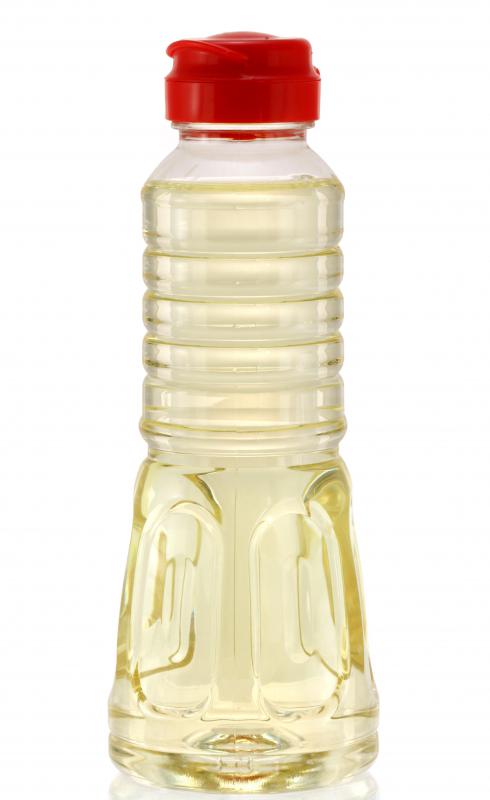
![Mirin has a hint of sweetness and is a popular Japanese cooking wine.]() By: sassyphotosMirin has a hint of sweetness and is a popular Japanese cooking wine.
By: sassyphotosMirin has a hint of sweetness and is a popular Japanese cooking wine.
Discussion Comments
Mirin is the main ingredient in traditional teriyaki sauce. It is easy to make teriyaki sauce with mirin. The ingredients you need are:
* 0.5 cups mirin
* 0.75 cups soy sauce
* 1 tablespoon seasoned rice wine vinegar
* 0.33 cups of granulated sugar
* Crushed garlic and grated ginger to taste
* Sesame oil
To prepare the sauce, simply sweat the ginger and garlic in a splash of sesame oil. Next, add the soy sauce, mirin, and rice wine vinegar. Heat to a boil and stir in the sugar. Simmer while stirring until the sauce thickens.
This sauce is great in all kinds of recipes. My favorite is pouring some of this sauce on grilled chicken stuffed in a ciabatta roll and topped with grilled pineapple, butter lettuce, tomato, and a little Japanese mayo.
In some recipes you can substitute sweet sherry for mirin, if mirin is not available. Dry sherry can be used also with addition of a little sugar.
Post your comments