
At DelightedCooking, we're committed to delivering accurate, trustworthy information. Our expert-authored content is rigorously fact-checked and sourced from credible authorities. Discover how we uphold the highest standards in providing you with reliable knowledge.
What is Milk Chocolate?
 Mary McMahon
Mary McMahon
Mary McMahon
Milk chocolate is a form of chocolate that is blended with milk for a more mild, creamy flavor than dark chocolate, which is composed primarily of cocoa liquor. Many candy companies use it for their products, which are designed to be eaten out of hand, and this type of chocolate can also be used in some baking applications. If you want to use it in baking, make sure to use a recipe which has been designed for milk chocolate, as it behaves very uniquely during baking, and it is also extremely heat sensitive.
Before delving into milk chocolate, it may help to become familiar with basic chocolate terminology. Chocolate is derived from the seeds of the cacao plant, Theobroma cacao. The seeds or “nibs” are formed in large pods, which are harvested when ripe. Harvesters split the pods to access the seeds and then ferment them for around a week before roasting and grinding them to release their chocolate liquor. Chocolate liquor is composed of cocoa solids and cocoa butter, the fatty part of chocolate.

Pure chocolate liquor is turned into baker's chocolate. If you have ever bitten into a piece of baker's chocolate, you also know that it is extremely bitter, due to the alkaloids in chocolate. Therefore, chocolate liquor is often mixed with sugar and other ingredients to make candy bars and other sweet chocolate products.
Typical milk chocolate includes 10% chocolate liquor, along with an additional percentage of pure cocoa solids; in Europe, it must contain at least 25% cocoa solids. Around 12% contains milk solids, and another 3.7% is composed of milkfat. Sugar and vanilla are also added to make this chocolate creamy and to enhance the flavor. Either condensed or powdered milk may be used, depending on the manufacturer.

The quality of milk chocolate varies widely, just as the quality of other forms of chocolate does. Well handled nibs and high quality milk and sugar will create a product with a superb mouthfeel and flavor, while poor ingredients will yield a grainy, bitter, slightly sour chocolate. Different regions of the world have their own formulation preferences, depending on the techniques used by major candy producers to create their products. You may have discovered this when traveling. If you feel like having an interesting blind taste test, assemble different regional incarnations of the same candy bar and try identifying the differences in the chocolate formulations used.
Mary McMahon
Ever since she began contributing to the site several years ago, Mary has embraced the exciting challenge of being a DelightedCooking researcher and writer. Mary has a liberal arts degree from Goddard College and spends her free time reading, cooking, and exploring the great outdoors.
Learn more...
Mary McMahon
Ever since she began contributing to the site several years ago, Mary has embraced the exciting challenge of being a DelightedCooking researcher and writer. Mary has a liberal arts degree from Goddard College and spends her free time reading, cooking, and exploring the great outdoors.
Learn more...AS FEATURED ON:
AS FEATURED ON:


-
![Chocolate.]()
Chocolate. -
![Milk chocolate truffles.]()
Milk chocolate truffles. -
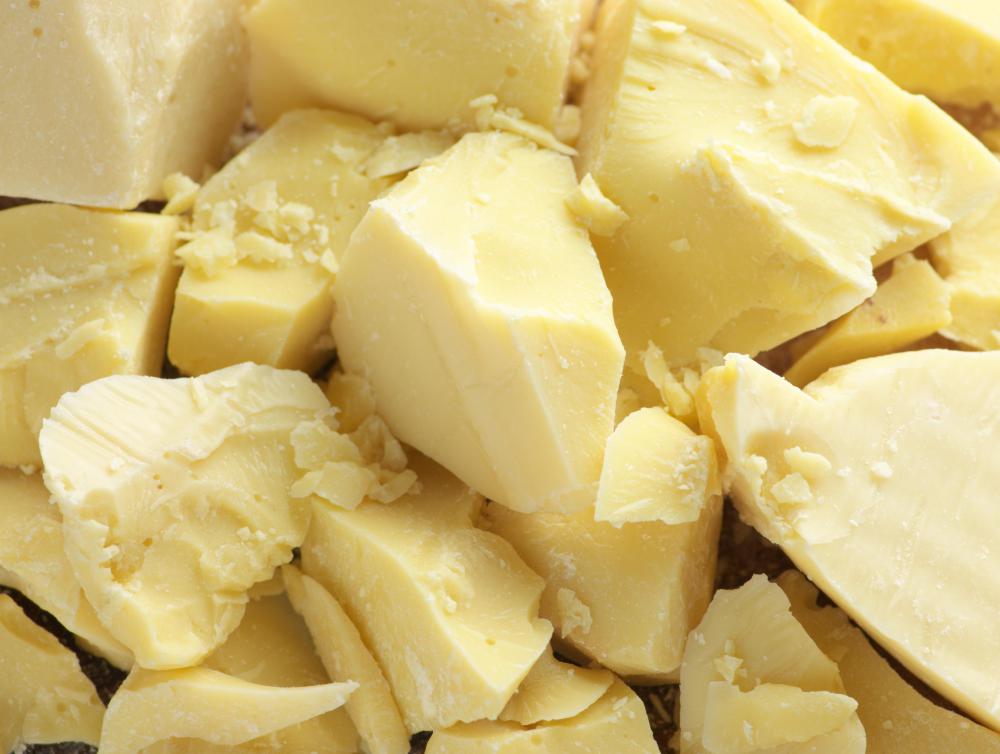
![Milk chocolate contains cocoa butter.]() By: svl861Milk chocolate contains cocoa butter.
By: svl861Milk chocolate contains cocoa butter. -
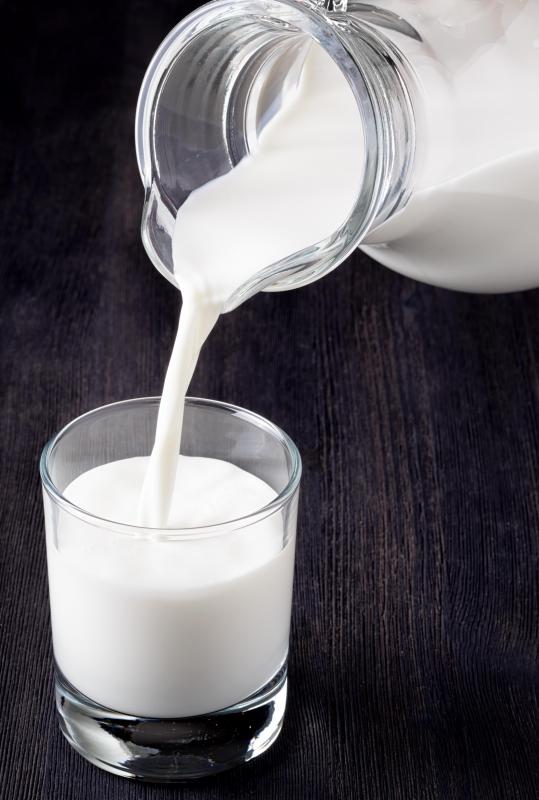
![Blending milk with chocolate produces a mild, creamy form of chocolate.]() By: efiredBlending milk with chocolate produces a mild, creamy form of chocolate.
By: efiredBlending milk with chocolate produces a mild, creamy form of chocolate.


Discussion Comments
Cafe41- I’ll have to try that. I usually buy Dove milk chocolate variations that I find in the supermarket.
I love the dark chocolate the best. It's really supposed to be good for you and have antioxidant properties that only help your heart but slow the aging process and help to prevent cancer.
I remind myself of this every time I take a bite so I don't feel guilty because at least it's good for me.
Sunny27- I really love chocolate of any kind. But I especially love the Ghirardelli milk chocolate candy. The taste is so creamy and rich. They also have some ice cream parlors all over the country.
They use their chocolate in the ice cream and it's just amazing. If you see one of these ice cream shops around, you should definitely check it out.
SauteePan- I have heard of Godiva but I've never tried those chocolates. I usually buy Cadbury milk chocolate.
I love the Cadbury eggs that they have around Easter time. I always buy a bunch of those eggs, and they are delicious. Cadburys milk chocolate is found in a variety of bars too.
They have some milk chocolate candy bars with fruit like raisins and some with nuts. My favorites are the ones with the caramel filling inside. Those are just the best.
I love milk chocolate truffles. I think the best gourmet milk chocolate has to be Godiva chocolate. These chocolates are imported from Belgium and make the best milk chocolate gifts ever.
The chocolates are a little pricey but they're well worth it. A pound of Godiva can cost about $30, but you can also buy the milk chocolate bars that are about three dollars each.
They have a wide variety of flavors from dark milk chocolate, white chocolate, and regular milk chocolate.
Post your comments