
At EasyTechJunkie, we're committed to delivering accurate, trustworthy information. Our expert-authored content is rigorously fact-checked and sourced from credible authorities. Discover how we uphold the highest standards in providing you with reliable knowledge.
What Is Microfiche?
 Amanda Holland
Amanda Holland
Amanda Holland
Microfiche is a thin, flat sheet of transparent photographic film that contains a grid of small-scale reproductions of printed matter. Microfiche sheets are small (105 millimeters by 148 millimeters), and the miniaturized images they contain are typically reduced to 4% (1/25) of their original size. These tiny photographs are too small to read with the naked eye, so there are reading machines that magnify the images on a display screen.
Fun Facts
- In temperature-controlled storage, microfiche lasts up to 500 years.
- John Benjamin Dancer, an optician by trade and inventor by hobby, began producing microphotographs in England in 1839. He was able to realize a 160:1 reduction ratio, but he viewed his own work as nothing more than a novelty.
- The microfilming process was standardized and patented in 1859 by French optician René Dagron.
- One of the first practical uses of microphotography involved carrier pigeons. In the 1870s during the Franco-Prussian War, Dagron created microphotographs of official documents and private messages and sent them across enemy lines to Paris in small tubes affixed to a pigeon’s wing.
- Dagron created prints so small that a single pigeon could carry 20 of them at a time. Over 150,000 miniscule pieces of microfilm made it to Paris via carrier pigeon until the Prussians caught on and sent out falcons and hawks to intercept the pigeons.
What Is Microfiche Used For?

Microfiche is used to store and preserve documents in a durable and space-saving manner. Some common microfiche examples are newspaper articles, books, business records, and archives of scientific research data. Some large companies keep microfiche of legal or financial records.
What Is the Difference Between Microfilm and Microfiche?
Microform is the term for a miniaturized reproduction of a document. There are three main types of microforms: microfiche, microfilm, and aperture cards.
- Microfiche is a flat sheet of photographic film. A single sheet may hold tens of documents, and a file cabinet can hold numerous envelopes of microfiche.
- Microfilm is a strip of 16mm or 35mm film that’s stored on a reel. A roll of 16mm microfilm can hold up to 2,400 items, and up to 6,000 documents can be stored on a roll of 35mm microfilm. Reels are usually kept in boxes or similar containers.
- An aperture card is a punch card that can hold a single microfilm image in a window.
- Now obsolete, a microcard (a.k.a. micro-opaque) was a type of microform printed on a sheet of cardboard instead of film.
How Do You Read Microfiche?

While Dagron’s microfilmed messages were viewed with a rudimentary 19th-century projector (a “magic lantern”), there are now specialized machines called microfiche readers. Also called microform readers, these devices magnify and project microform images on a screen for the user to view. Most microfiche readers allow the user to adjust the zoom, change the focus, and rotate the images. Some readers also have printing capability.
Is Microfiche Still Used?

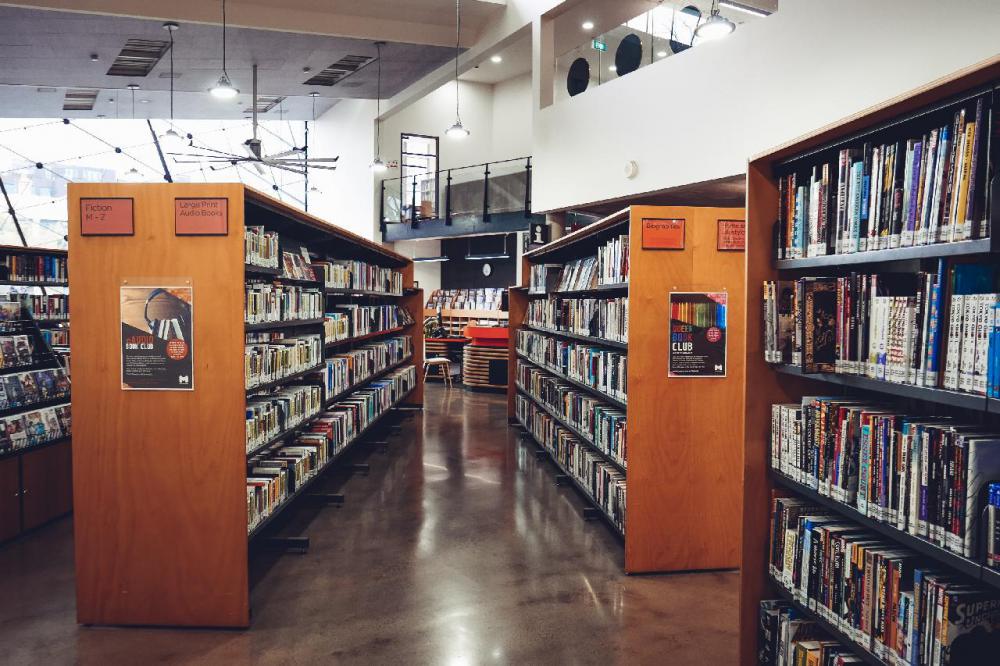
While microforms may seem like outdated technology compared to digital archives, there are many instances where microfiche is still used today. Most libraries, universities, and museums have at least one microfilm reader, allowing visitors to access documents, newspapers, and even classic comic books. Some of these locations also have scanning devices that allow microfiche images to be digitized. Microfiche offers some unique benefits:
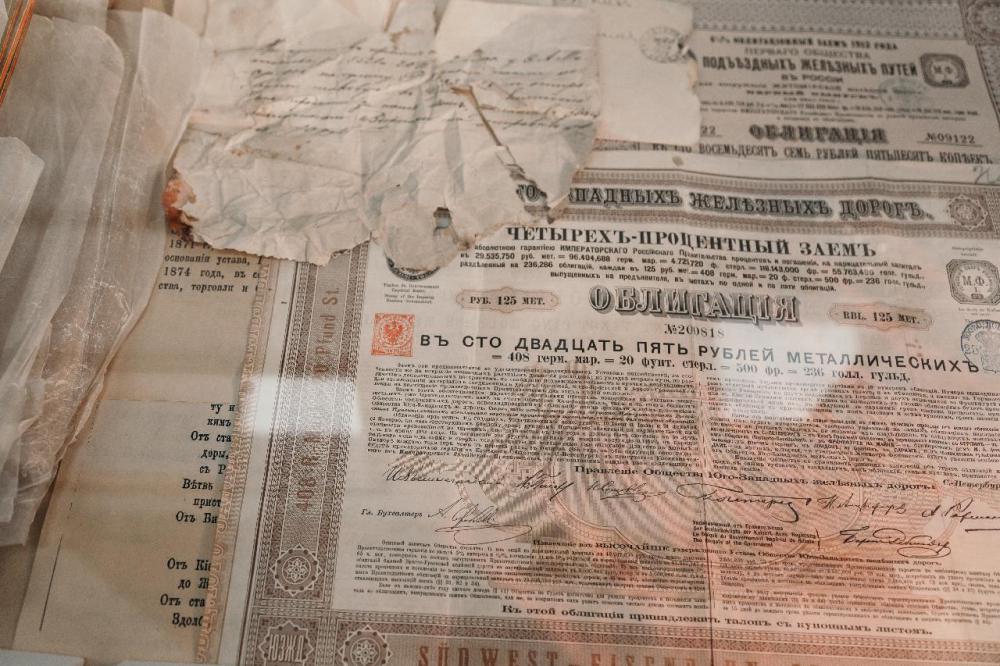
- Rare and fragile documents can be enjoyed repeatedly without any risk to the original source material.
- Microform readers are fairly easy to use, and there is no software that requires updates.
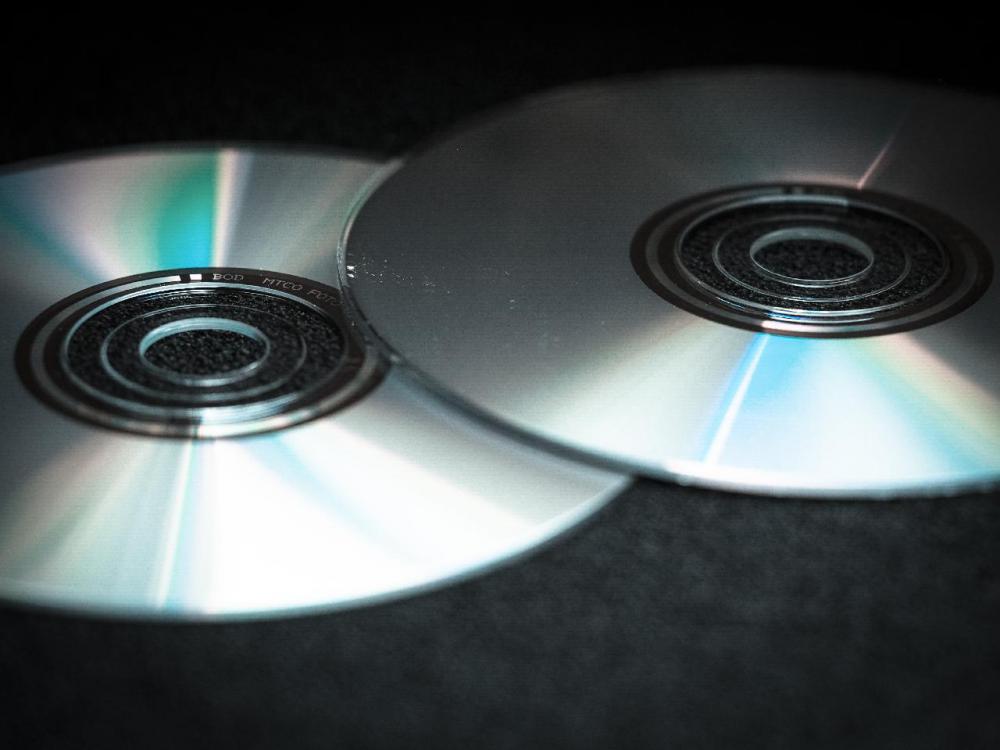
- Microforms have much better longevity than other data storage devices such as CDs.
- It’s fairly inexpensive to produce microfilm copies of an original.
Microfiche also has its challenges.
- Microfiche can’t be viewed without a reader, and it may be hard to find one, especially in remote areas.
- Most microfiche images are in black and white, because color ink is not as durable.
- Microfiche records cannot be quickly shared via email or searched with a computer algorithm.
Even with its unique challenges, microfiche still offers many important advantages. It allows access to priceless archives of information and is one of the few technologies with an origin story that includes carrier pigeons.
Amanda Holland
Amanda Holland is equally passionate about math and grammar, and she has incorporated both into her career.
She spent several years as a signals analyst for the Defense Department, creating and editing reports for the intelligence community. After her two kids were born, she transitioned to a career as a freelance writer. When she isn't crafting content, she's usually reading, baking, or playing video games.
Learn more...
Amanda Holland
Amanda Holland is equally passionate about math and grammar, and she has incorporated both into her career.
She spent several years as a signals analyst for the Defense Department, creating and editing reports for the intelligence community. After her two kids were born, she transitioned to a career as a freelance writer. When she isn't crafting content, she's usually reading, baking, or playing video games. Learn more...
AS FEATURED ON:
AS FEATURED ON:









-
![A sheet of microfiche contains miniaturized reproductions of documents such as newspaper articles or scientific journals.]() By: FlickrA sheet of microfiche contains miniaturized reproductions of documents such as newspaper articles or scientific journals.
By: FlickrA sheet of microfiche contains miniaturized reproductions of documents such as newspaper articles or scientific journals. -
![The thin, compact size of microfiche allows tens of thousands of images to be stored in just one filing cabinet.]() By: FlickrThe thin, compact size of microfiche allows tens of thousands of images to be stored in just one filing cabinet.
By: FlickrThe thin, compact size of microfiche allows tens of thousands of images to be stored in just one filing cabinet. -
![A microfiche reader can zoom, rotate, or focus on a particular image.]() By: FlickrA microfiche reader can zoom, rotate, or focus on a particular image.
By: FlickrA microfiche reader can zoom, rotate, or focus on a particular image. -
![CDs only have an estimated shelf life of about a century, but microfiche can last up to 500 years in a temperature-controlled environment.]()
CDs only have an estimated shelf life of about a century, but microfiche can last up to 500 years in a temperature-controlled environment. -
![Most libraries have microfiche readers that allow visitors to access archives of newspapers and other documents.]()
Most libraries have microfiche readers that allow visitors to access archives of newspapers and other documents. -
![Accessing old or rare documents via microfiche can prevent damage to the fragile originals.]()
Accessing old or rare documents via microfiche can prevent damage to the fragile originals.


Discussion Comments
I don't understand why in this day and age, the NYC building department still uses mircofiche to store building plans and then acts like it's a normal system, costing us hundreds of dollars to reproduce drawings.
You can view microfiche at the library or you can contact a service provider to convert the microfiche to a .pdf file.
How can or could I view a 19 or 20 year old archive microfiche, which I have the case number; viewing and printing this old transcript and purchasing it.
If you would like to see how microfiche can be converted to digital visit www.digitalfilmsolutions.com
They can scan, group, index and deliver your microfiche on CD so it can be accessed via your PC.
How can microfiche be cleaned of fingerprints? Kleenex? Wet cloth? Alcohol pad?
I remember spending hours in the library trying to use the microfiche machine - the blue background with white words, and trying to find the right files. It was a mess and always good for a headache! I'm glad we don't have to use that too often any more!
Post your comments