
At HomeQuestionsAnswered, we're committed to delivering accurate, trustworthy information. Our expert-authored content is rigorously fact-checked and sourced from credible authorities. Discover how we uphold the highest standards in providing you with reliable knowledge.
What is Microfiber?
 Malcolm Tatum
Malcolm Tatum
Malcolm Tatum
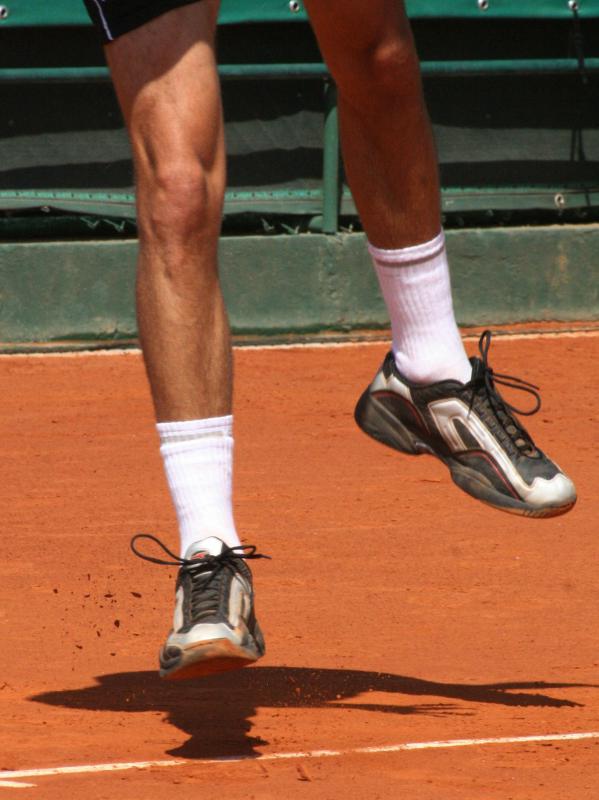
Microfiber is a type of material that is primarily used as an upholstery fabric because of it strong and durable nature, but it can also be found in other household products such as drapes, linens, and cleaning tools like mops. The material is less commonly used for clothing, because it is flammable, but it is often used for athletic attire because of its ability to wick moisture away from the body. Made primarily of petroleum waste products, the material makes use of waste that would otherwise fill up landfills.
Development

During the middle of the 20th century, the manufacturing of synthetic fibers began to expand into new areas. One of the breakthroughs was to take the sludge that was left over after oil had been refined and turn it into a synthetic fiber that could be used in upholstery; the process of refining this waste product yielded a substance known as polypropylene, which could in turn be processed into a thin olefin fiber. Olefin fibers were ideal to use in the production of car upholstery, home and office carpeting, and even some draperies. Olefin fibers caught on in a big way during the 1970s with one company in particular, Hercules, Inc., producing their own branded form of olefin fiber, which was dubbed Herculon®.

Continued experimentation allowed for the use of polypropylene to develop an extremely fine fiber, today referred to as microfiber. This extremely thin, but surprisingly resilient, fiber could be used for a number of textile applications that the broader weaves of olefin fibers were simply not suited for because of their density. Today it is possible to transform what would have been waste into a highly-valued material.
Moisture-wicking

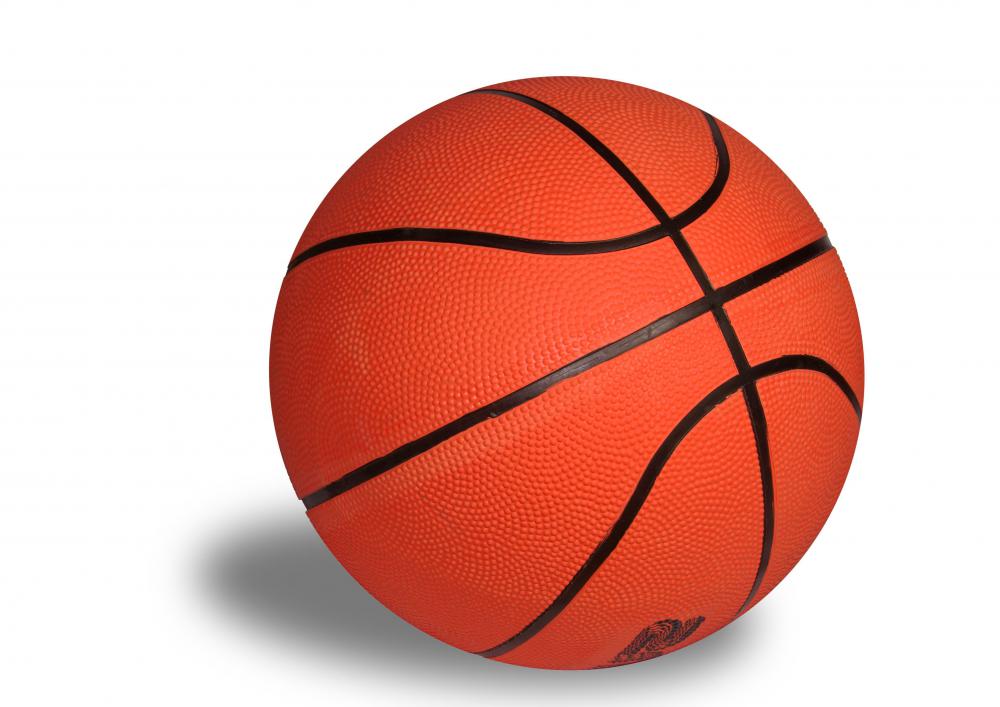
Microfiber has the excellent wicking properties, meaning it will absorb moisture and oils rather than allow them to set on the surface of the material. This makes it an ideal material for such things as footballs and basketballs, as the sweat from the players' hands will not make the ball slippery and harder to hold. The moisture-wicking characteristic also makes the material a popular choice for furniture, particularly couches, as most food and liquids can be easily wiped off before the furniture is stained.
Household Supplies

Microfibers are also used for various types of cloth where absorption of water is desirable; for instance, cleaning cloths used for dusting, cleaning glass, mopping, or detailing cars are often made of microfiber material. Most cloths made of this material do not leave behind residue of lint or dust, which makes them ideal for waxing a car; however, it is important to note that microfiber material will absorb dust and lint. A good ideal is to wash the cloth after each use, to avoid any leftover residue that may be deposited the next time the cloth is used.
Linens

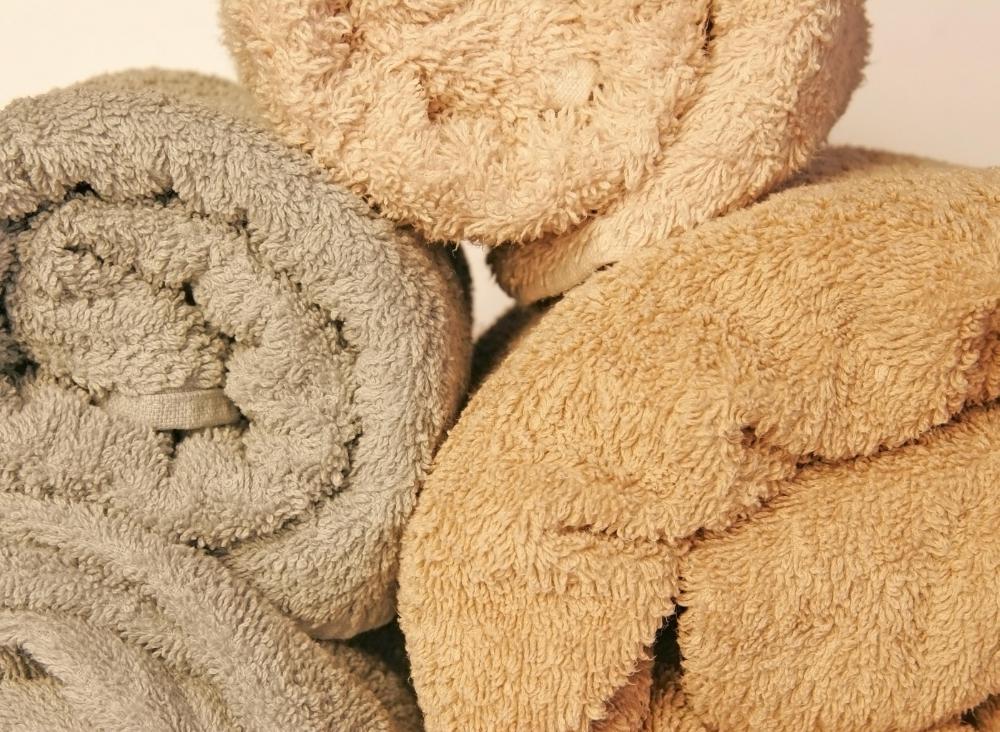
Microfiber is often used in other textile applications such as tablecloths, sheer draperies, and curtains. The stain-repelling ability of the microfiber blend in these types of products makes them very attractive to many homeowners, restaurant owners, and other types of business owners who prefer to use materials that are both good-looking and serviceable. Bath towels and hand towels are also popular when made in this material, as it is known to easily remove water and moisture.
Clothing

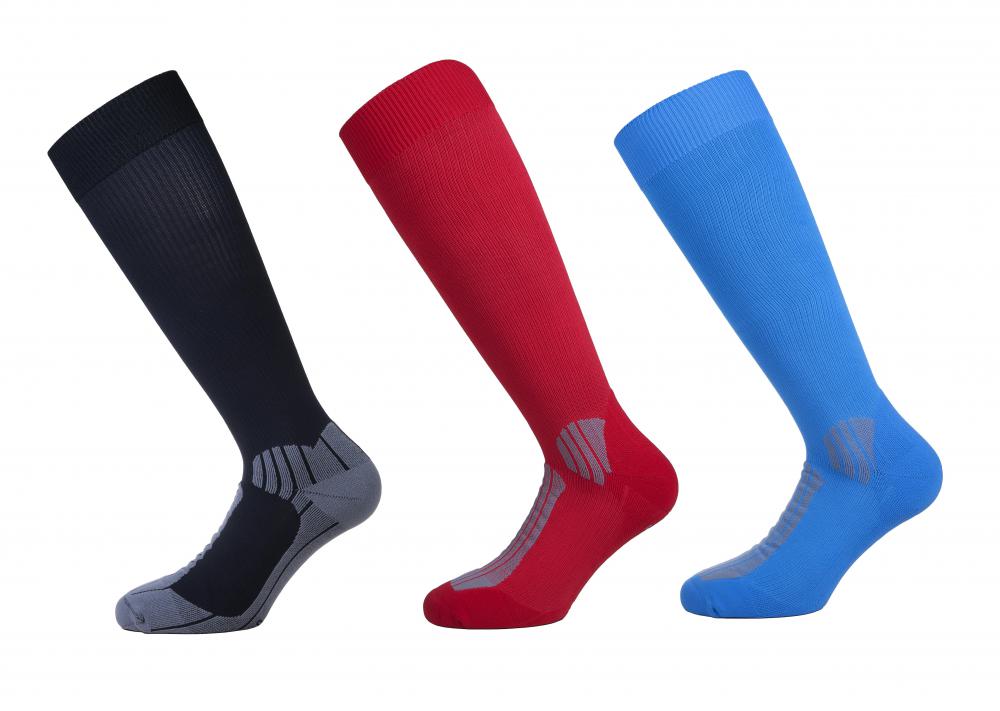
While the use of microfiber for clothing has been around for some years now, it is most often found in sports apparel due to its ability to wick away sweat. The material can also be found in medical compression socks, which are used to help patients increase blood flow. There are those that object to using the material for clothing because it is not a natural material and because it is flammable. Also, some people may feel that a garment made from microfiber material is not as comfortable as other fabric options.
Malcolm Tatum
After many years in the teleconferencing industry, Michael decided to embrace his passion for trivia, research, and writing by becoming a full-time freelance writer. Since then, he has contributed articles to a variety of print and online publications, including HomeQuestionsAnswered, and his work has also appeared in poetry collections, devotional anthologies, and several newspapers. Malcolm’s other interests include collecting vinyl records, minor league baseball, and cycling.
Learn more...
Malcolm Tatum
After many years in the teleconferencing industry, Michael decided to embrace his passion for trivia, research, and writing by becoming a full-time freelance writer. Since then, he has contributed articles to a variety of print and online publications, including HomeQuestionsAnswered, and his work has also appeared in poetry collections, devotional anthologies, and several newspapers. Malcolm’s other interests include collecting vinyl records, minor league baseball, and cycling.
Learn more...AS FEATURED ON:
AS FEATURED ON:


-
![Microfiber cloth can be used to clean CDs.]() By: Xuejun liMicrofiber cloth can be used to clean CDs.
By: Xuejun liMicrofiber cloth can be used to clean CDs. -
![A runner's compression socks can be made with microfibers.]() By: mezzotint_fotoliaA runner's compression socks can be made with microfibers.
By: mezzotint_fotoliaA runner's compression socks can be made with microfibers. -
![The moisture-wicking characteristic of microfiber makes it a popular choice for basketballs.]() By: -- a-n-k-i --The moisture-wicking characteristic of microfiber makes it a popular choice for basketballs.
By: -- a-n-k-i --The moisture-wicking characteristic of microfiber makes it a popular choice for basketballs. -
![Medical compression socks are made with microfiber.]() By: Werner FellnerMedical compression socks are made with microfiber.
By: Werner FellnerMedical compression socks are made with microfiber. -
![Microfiber is often used for athletic attire because of its ability to wick moisture away from the body.]() By: AlessandroContadinMicrofiber is often used for athletic attire because of its ability to wick moisture away from the body.
By: AlessandroContadinMicrofiber is often used for athletic attire because of its ability to wick moisture away from the body. -
![Bath towels may be made with microfiber.]() By: nacrobaBath towels may be made with microfiber.
By: nacrobaBath towels may be made with microfiber. -
![Microfiber may be found in drapes.]() By: svehlikMicrofiber may be found in drapes.
By: svehlikMicrofiber may be found in drapes.



Discussion Comments
New studies show that alarming numbers of tiny fibers from synthetic fabrics are making their way from your washing machine into aquatic animals.
Please read this June 20, 2016 article by Leah Messinger that appeared in UK's The Guardian. (I am not allowed to post the web address / URL on this site.)
The headline reads: How your clothes are poisoning our oceans and food supply.
@anon339639: Try this: get some Dawn dishwashing detergent (the name brand, and the "original" blue kind). Put some of the liquid on *both* sides of the stain and rub in very gently. Let it sit for a couple of hours, and rinse it with cool water. I got probably 1/4 of a cup of oily salad dressing out of a pillowcase using that method. My linens aren't microfiber, but this method worked. Good luck.
I bought a sheet set made of microfibers. On the first use, someone got some oily stains on pillowcases. I used laundry detergent directly and scrubbed, washed in cold water and then line dried, so as not to set in stain. The stain was not removed. I put bleach in washing machine and line dried and stain still persists. I tried to find the manufacturer, RT Designer's Collection, Brooklyn, NY on the internet and nothing comes up. Any suggestions?
Quick note from a professional textile cleaner (me). Microfiber is polyester almost 99 percent of the time. Olefin is something totally different and is almost never used on residential upholstery (sometimes auto upholstery).
Microfiber is the cheapest and least durable of nearly all of the upholstery fabrics. Polyester does not hold up to wear and general use (contrary to what this article states.) You will notice in the areas where you sit most often and on the arm rests, you will get crushed fibers and "soil shading" where you put your hands and arms and rub the fabric just from standing and sitting. This is because we see color as light reflects of an object.
When a polyester fiber is new, it is very smooth and shiny and reflects light very well. As the oils from our skin collect on the fibers they attract dry soil (dirt) which is then ground into the surface of the fiber creating tiny pits and scratches. The light then gets lost in these scratches and will no longer reflect off the surface of the fiber. This results in dull, almost gray-looking areas. Most people think this is just soil that can be removed, but it is actually a permanent distortion of the fiber which cannot be reversed. These fabrics do spot clean very well because there are actually no dye sites in the fibers for stains to penetrate. The color of the fabric is not applied after the fiber is made; it is part of the mix. But given it's chemical makeup, oils and grease can permanently bond to the fibers resulting in what you would call a "stain."
A good quality cotton blend or poly/acrylic blend fabric (flat weave of course) is the ideal option for furniture upholstery. If professionally cleaned and a high quality protector re-applied at every cleaning (every 18-24 months) These types of fabrics will last much longer than any microfiber.
Also, seeing as microfiber is such a cheap cost product, the majority of the furniture it is used on will also be of equally cheap construction. A quality furniture making company is not going to cover their superior quality constructed pieces in an inferior fabric option. Common sense!
Antimocrobial, sure, since the waste product probably kills anything that small and alive this stuff is toxic waste by product. Ever thought the increase in cancer and other auto-immune illnesses could be on the rise because of this product being marketed and sold into so many households?
Microfiber is also a carcinogen that is coated with formaldehyde. And there are still people commenting here who want some, after reading your text?
Microfiber is polyester and infrequently nylon. Where did this polypropylene description come from?
Microfibre comes in different textures, thickness, etc. I have tried cheap ones being sold on ebay, have tried Sheex (it sort of smells) and then I've tried Butterfly Dreams (only because my favorite celebs use them, inside scoop). Tell you what, I'll never go back to cotton after trying B.Dreams! Worth every cent!
A couple of points to ponder. Are microsheets flammable, more so than cotton sheets or a cotton/polyester blend?
Also, as someone else wrote in one of the comments here, is there a need to be concerned about any type of vapors that might be given off by this type of material? I have to wonder about how an "oil waste product" can be so good for your skin when in contact with it for an extended period of time.
There are so many microfiber items available now, but just because they are being sold, and usually at a cheaper price, doesn't mean that they are safe to use.
I suspect that manufacturers are getting these materials cheaper than cotton material, so they use these microfibers to make a less expensive product that helps their bottom line manufacturing costs more than it helps the consumer who is probably paying as much for this type of material as they used to pay before for a natural cotton material.
It might be soft. Do you realize that by sleeping with a comforter and sheets made out of petroleum you are actually breathing the emanations in your sleep for eight hours at the point where your inhalation is at its deepest? not quite sure I love it.
For those of you who love microfiber sheets, try Butterfly Dreams Luxury Bed Linens. Their sumptuously soft sheets and duvet covers will take you to dreamland far far away. Best homestuff purchase I've ever made! Must try!
I love this! I knew I liked microfiber sheets - they're breathable, stain resistant and so freaking soft, but to find out you're using a product made from what would otherwise be waste and taking up landfill space? Um, no brainer.
Using microfiber for cleaning is so great! Not only does it save me time, but it's cheaper in the long run. Also, I use a lot less cleaning chemicals.
Yes, I love microfiber sheets too. They are simply the best value in sheets ever.
I am into microfiber! Just got sheets and a blanket, and since getting the microfiber pillows I sleep longer. I know I could be a spokesperson for microfiber.
I also have cleaning cloths, towels, a bath rug, wash clothes and dish towels. Love them all!
Does microfiber furniture make you perspire like leather? Does it breathe? pysv
good article.
You may want to try a light soap and a small amount of water, perhaps even wetting a cloth and applying a little soap, then rubbing vigorously on the sandal. Dry the sandal thoroughly with a clean dry cloth afterwards. But to be on the safe side, contact the manufacturer and see if they have any specific instructions on how to clean their product.
Just wanted to ask if the sole of my sandal is made up of antimicrobial microfiber, how do I clean that? I mean, if microfiber will absorb oil and moisture, do I just wash with soap and water?
Post your comments