
At TheHealthBoard, we're committed to delivering accurate, trustworthy information. Our expert-authored content is rigorously fact-checked and sourced from credible authorities. Discover how we uphold the highest standards in providing you with reliable knowledge.
What is Methionine?
Methionine is a protein-based amino acid and lipotropic compound that helps with metabolism and breaks down fat. It can also help with chelation, which is the removal of heavy metals from the body to ensure that the liver, kidneys, and bladder remain healthy. This amino acid preserves artery function and maintains healthy nails, hair, and skin. Additionally, it is essential for muscle growth and energy.
Sources

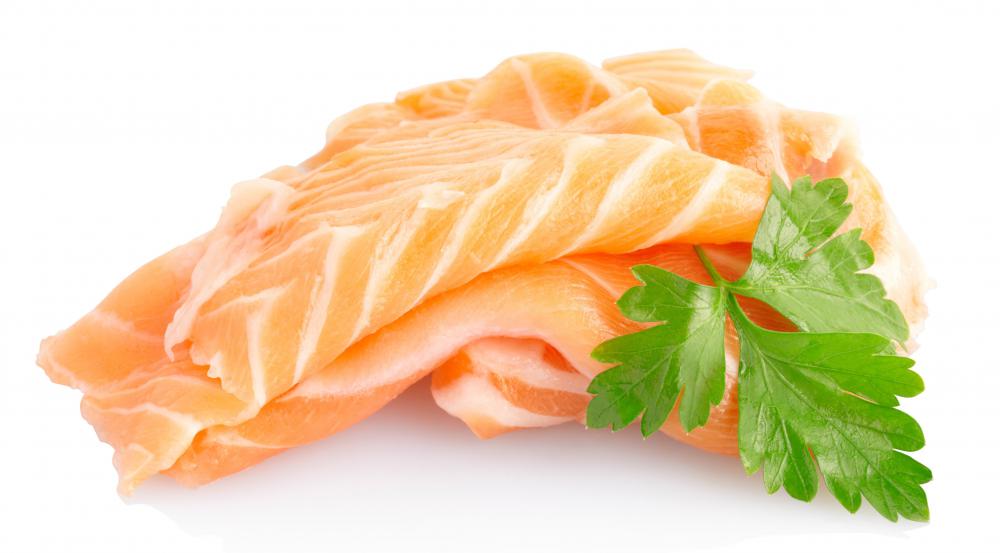
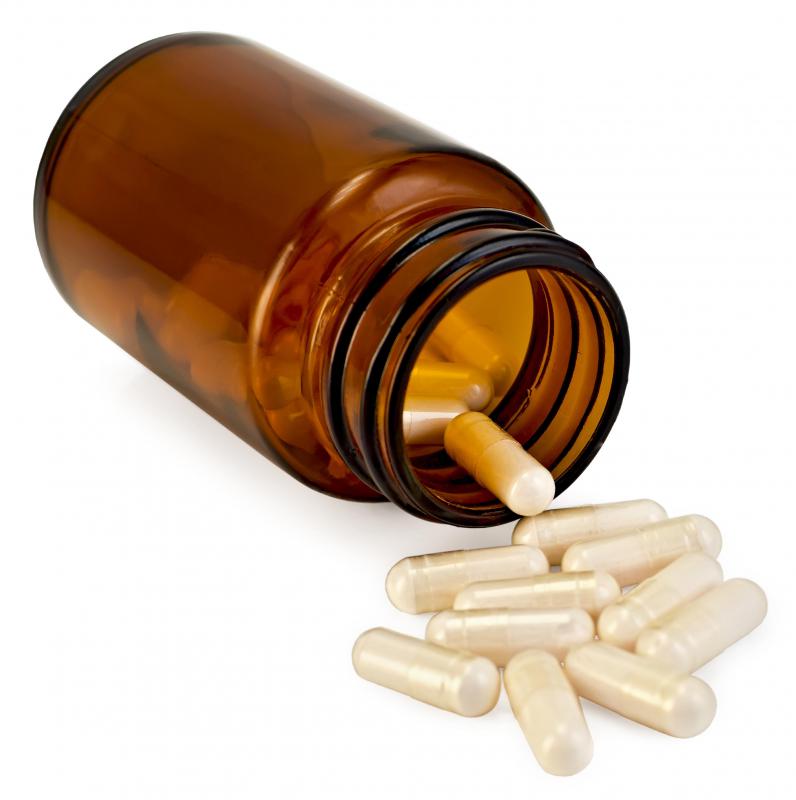
The human body does not naturally produce methionine, so humans can only get it by ingesting it. Sources include protein-rich foods like eggs, fish, and Brazil nuts, as well as cereal grains. People can also get it through a supplement or through intravenous (IV) therapy administered by a health care provider.
Deficiency
Maintaining a sufficient level of methionine in the body helps ensure overall good health. Some common but significant side effects of deficiency include liver damage, edema, and brittle hair. Low levels can slow normal growth and development in children, and in pregnant women may result in neural tube defects in infants, such as myelomeningocele or spina bifida. Deficiencies can also lead to severe mental disorders.
Uses

The most common medical use of this amino acid is as a preventative treatment for liver damage caused by acetaminophen poisoning. Acetaminophen is typically found in prescription and over-the-counter pain relievers. Taking too much can cause serious liver damage. Medical care staff usually administer methionine orally or intravenously within 10 hours of an overdose in order to help prevent liver damage.

This compound is also prescribed by alternative medical practitioners to boost protein levels for vegetarians and vegans who may not ingest enough in their normal diets. It is beneficial for those who metabolize large quantities of proteins, such as athletes, and is often recommended as a protein replacement for people who are considered heavy drinkers. Patients suffering from adult Attention Deficit Hyperactivity Disorder (ADHD) may consider taking this supplement for chelation; and those with fibromyalgia might take it to help their muscles work properly.

In addition, this substance works to reduce histamine levels in the body to allow the nerves to work properly and to assist with memory. Histamines act as neurotransmitters, so problems with histamine levels can affect how the nerves work throughout the body. They can cause allergic reactions and dilate blood vessels, affecting the way the brain sends and receives messages. As a result, methionine supplements are sometimes given to those with Parkinson’s and Alzheimer’s disease.
Side Effects and Precautions

Methionine can cause allergic reactions and other side effects, regardless of the form its taken in. The most common side effects are nausea and vomiting. Some people feel drowsy after taking it. Emergency medical attention may be necessary if a person shows signs of a several allergic reaction such as difficulty breathing, chest tightness, and swelling.
Pregnant women or nursing mothers should not take methionine supplements without first consulting their healthcare provider, because it's not clear how they affect a postpartum body. Those who take oral contraceptives should also inform a medical professional before taking it, since it increases estrogen production. This amino acid can worsen existing conditions such as liver disease, acidosis, and schizophrenia. While it has no known negative interactions with other drugs, patients should tell their medical care provider about any other medications or supplements they are using prior to starting methionine.
AS FEATURED ON:
AS FEATURED ON:


-
![Salmon naturally contains methionine.]() By: andersphotoSalmon naturally contains methionine.
By: andersphotoSalmon naturally contains methionine. -
![Kidney beans are a good source of methionine.]() By: LusoimagesKidney beans are a good source of methionine.
By: LusoimagesKidney beans are a good source of methionine. -
![Someone in danger of an acetaminophen overdose might be given n-acetyl methionine.]() By: Anita P PeppersSomeone in danger of an acetaminophen overdose might be given n-acetyl methionine.
By: Anita P PeppersSomeone in danger of an acetaminophen overdose might be given n-acetyl methionine. -
![L-methionine supplements should be taken under the supervision of a medical professional.]() By: kostrezL-methionine supplements should be taken under the supervision of a medical professional.
By: kostrezL-methionine supplements should be taken under the supervision of a medical professional. -
![Nursing mothers and pregnant women are advised to avoid taking methionine supplements.]() By: xjrshimadaNursing mothers and pregnant women are advised to avoid taking methionine supplements.
By: xjrshimadaNursing mothers and pregnant women are advised to avoid taking methionine supplements.



Discussion Comments
Is there a difference between methionine and dimethionine?
Since my father has just been diagnosed with a rare, though-not-so-rare, disorder where he cannot effectively synthesize methionine, I shudder to think of somebody actually taking a supplement for increasing the levels of methionine in their blood. Clinical studies have shown an increase in the life span of rats when fed a low-methionine diet by 30 percent. As I may have the disorder as well, I am researching low-methionine diets.
I finally understand why there is a push to control such types of supplements, as everybody's genetic make-up is different, and you could cause more problems by messing around with supplements such as this. I see no reason to take such a supplement, although it's possible that somebody could have a genetic disorder opposite of mine, whereby they need it to avoid getting sick. In my case, my father cannot process it, and when it is present, it causes more problems, so the advice is to avoid it altogether.
Dietary issues aside, I have more concern about the idea of methione supplements being prescribed to "heavy" drinkers; it seems like the real word should be "alcoholics" and that these people should not be led to believe that supplements will prevent, fix, or even just postpone the damage that they are doing to their bodies- particularly when one of the possible side effects to these supplements is liver damage.
@aaaCookie, I am also a vegetarian. I had some problems with iron in the first couple of years, but for the past few have had no problems at all. Research actually shows that vegetarians have no more risk of anemia than omnivores, though most people don't know that. I gave blood only a few days ago, and my iron was in the middle of the healthy range.
While it seems methione might have other good points besides protein intake, I agree that it probably isn't any better for vegetarians than anyone else.
As a vegetarian, I find it frustrating that things like methionine and other various supplements are constantly being recommended to us as ways to "boost" the proteins we receive through, as this articles states, "vegetables, fruits, and grains".
The problem I see with this is that vegetarians are targeted as not getting enough protein, iron, and other nutrients that many of us get plenty of; I do not only eat fruits, vegetables, and grains, and nor do any of the other healthy vegetarians I know. We also eat, many of us, dairy products, egg products, legumes, and nuts; I can't speak for vegans, but for vegetarians, all of these foods are normal. Not getting excessive amounts of protein is not always equivalent to not getting enough; and if you need a supplement for protein, this may be a clue that you are not consuming the right foods in your diet, whatever you eat.
Post your comments