
At WiseGEEK, we're committed to delivering accurate, trustworthy information. Our expert-authored content is rigorously fact-checked and sourced from credible authorities. Discover how we uphold the highest standards in providing you with reliable knowledge.
What is Metastatic Renal Cell Carcinoma?
 Tricia Christensen
Tricia Christensen
Tricia Christensen
An adenocarcinoma is a cancer that usually is found in an organ’s lining. When cancer cells are first found in the tubes of the kidney, this is called renal cell carncinoma or metastatic renal cell carcinoma. Metastatic refers to the ease with which this cancer can spread to other parts of the body, though many people are fortunate to have this cancer found prior to metastasis occurring and have a much higher survival rate. This is true of many cancers; earlier diagnosis tends to lead to more favorable outcome.
There are many possible risk factors and causes for metastatic renal cell carcinoma. In general, this form of kidney cancer is most common in men who are at least 50 years old or older. It also appears to have a higher rate of prevalence among people with high blood pressure, smokers, people who are overweight and those people exposed to certain chemicals on a regular basis, like cadmium and asbestos. There are certain illnesses that predispose people to metastatic renal cell carcinoma too, including hereditary papillary renal cell carcinoma and the inherited Von Hippel-Lindau disease, which may cause tumor growth in many different areas of the body.

It would certainly be helpful if metastatic renal cell carcinoma always had immediate symptoms when a tumor begins to grow, but it doesn’t necessarily. As the cancer develops, symptoms often start to emerge, usually including the presence of blood in urine, and discoloration of the urine, which might be pink or a "cola-colored" brown. People might also experience some pain in their back, especially on one side only and located directly below the rib cage. When the disease begins to progress, dramatic weight loss frequently occurs. Other symptoms that people might note include growth of a single testicle, fatigue, constipation, pale skin, and fever.

Should people suspect this cancer or see their doctors because of the presence of symptoms like those just described, they can expect various types of testing. This could include laboratory analysis of blood and urine, and scans of the kidney area with ultrasounds and likely computerized axial tomography (CAT or CT). If and when metastatic renal cell carcinoma is diagnosed, the next thing doctors must determine is if metastasis has occurred, and they may enlarge the area of the body they scan and used other tools like x-ray and magnetic resonance imaging (MRI) to determine if the cancer has moved elsewhere. This helps to determine course of treatment.

In early stages, metastatic renal cell carcinoma is usually treated aggressively with removal of the affected kidney, and doctors may recommend removing part of the bladder too. Additionally, patients are usually given medications that may block cancer growth. Most people do not receive radiation therapy for this condition, and only some will undergo chemotherapy; neither of these methods is judged particularly effective in treating this type of kidney cancer.
Doctors have found some success using immunotherapy to treat renal cell cancer. In this type of treatment, also called biological therapy, a patient is given substances which are designed to boost his own immune system, helping the body fight the cancer. Immunotherapy can have very serious side effects, but some patients who have tolerated the treatment have gone into long-term remission. Two drugs that have been used most successfully to treat this type of cancer are interferon alfa (IFNa) and interleukin-2 (IL-2).
If metastatic renal cell carcinoma is noticed early, treatment in the most optimistic estimates usually has a 75% survival rate at the five-year mark, and continued research on this condition may change this statistic over time. Unfortunately 95-85% of people are not alive at five years if the cancer metastasizes to other parts of the body. There continues to be hope that improved treatment methods will positively affect survival rate on those who have a more advanced or aggressive illness.
Tricia Christensen
Tricia has a Literature degree from Sonoma State University and has been a frequent WiseGEEK contributor for many years. She is especially passionate about reading and writing, although her other interests include medicine, art, film, history, politics, ethics, and religion. Tricia lives in Northern California and is currently working on her first novel.
Learn more...
Tricia Christensen
Tricia has a Literature degree from Sonoma State University and has been a frequent WiseGEEK contributor for many years. She is especially passionate about reading and writing, although her other interests include medicine, art, film, history, politics, ethics, and religion. Tricia lives in Northern California and is currently working on her first novel.
Learn more...AS FEATURED ON:
AS FEATURED ON:









-
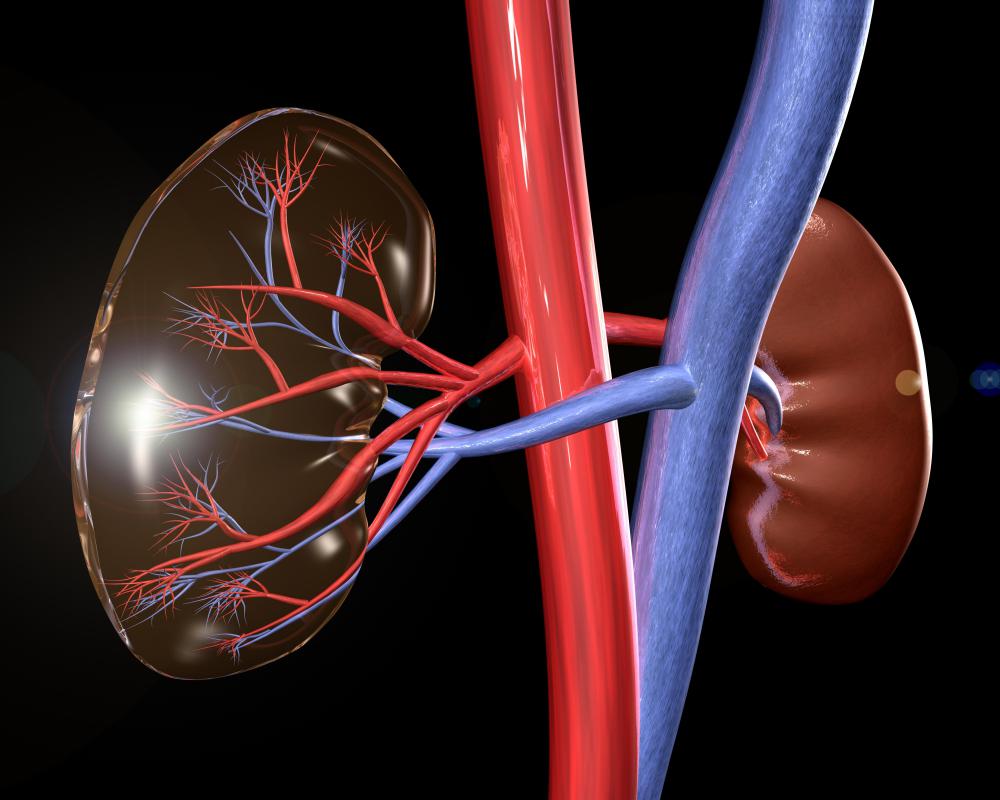
![Kidneys and blood vessels.]() By: London-EnglandKidneys and blood vessels.
By: London-EnglandKidneys and blood vessels. -
![An ultrasound is used for a renal doppler.]() By: Klaus EppeleAn ultrasound is used for a renal doppler.
By: Klaus EppeleAn ultrasound is used for a renal doppler. -
![Regular asbestos exposure might increase the risk of metastatic renal cell carcinoma.]() By: LianeMRegular asbestos exposure might increase the risk of metastatic renal cell carcinoma.
By: LianeMRegular asbestos exposure might increase the risk of metastatic renal cell carcinoma.


Discuss this Article
Post your comments