
At TheHealthBoard, we're committed to delivering accurate, trustworthy information. Our expert-authored content is rigorously fact-checked and sourced from credible authorities. Discover how we uphold the highest standards in providing you with reliable knowledge.
What Is Mechanical Digestion?
Digestion can be either chemical or mechanical. Mechanical digestion is the breaking down of food into smaller particles so that it can more easily be processed by the digestive system. The best example of this is mastication, which is the term for chewing. The teeth chop the food up into smaller pieces which then pass through the digestive system. Chemical digestion is the breaking down of food particles through chemical reactions. Chemical and mechanical digestion combine to process food, absorbing nutrients and minerals and discarding the waste.
Very little mechanical digestion occurs outside of the mouth. The act of chewing food breaks it down into more easily-digested pieces. The stomach performs a little mechanical digestion as the muscles expand and contract to move the food around in the stomach. This is in order to expose the food to more of the chemical secretions in the stomach and thus digest it easier. The movement of food in the same way, through muscle contractions, also occurs in the small and large intestines.

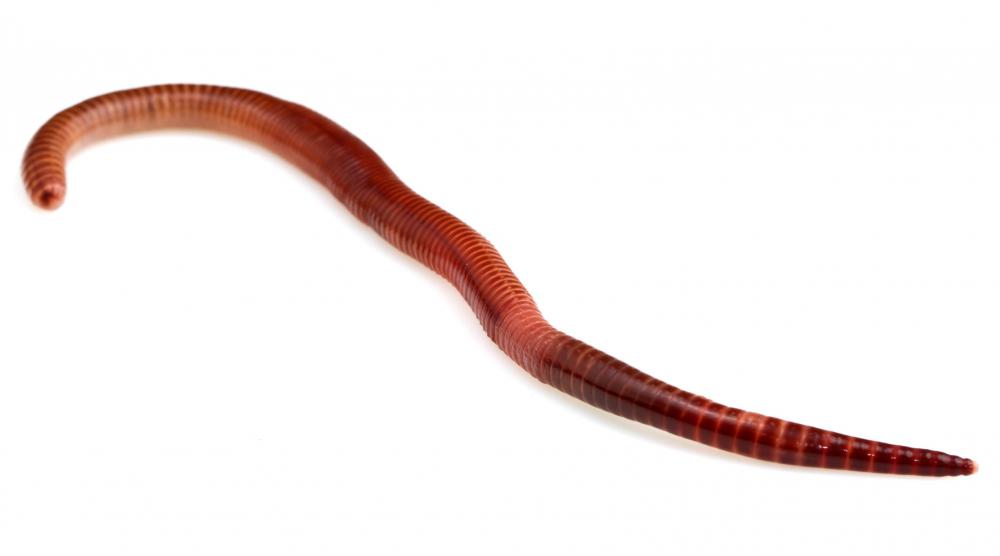
The expansion and contraction of muscles that occurs throughout the gastrointestinal tract during mechanical digestion is called peristalsis. There are two groups of muscles that work simultaneously to move the food. Circular muscles and longitudinal muscles work in conjunction. First one group contracts, then the other. An earthworm moves through a similar series of muscle contractions.

The process of chemical digestion begins in the mouth, which secretes saliva, a chemical that works to begin digesting food as soon as it is eaten. Saliva, also called spit or drool, comes from the salivary glands which are located in the mouth and is 98% water. There are three major pairs of salivary glands and hundreds of minor ones.
Chemical digestion that occurs in the stomach is mainly via enzymes and hydrochloric acid. The stomach secretes pepsinogen which turns into pepsin and breaks down proteins. The hydrochloric acid provides a low pH level in which the enzymes can thrive. The combination of enzymes and stomach acid also help to kill any bacteria that may be lurking within the food. Chewed food that enters the stomach is called bolus and it is called chyme after it leaves the stomach. Individuals who are struggling with indigestion often rely on Supergreens for assistance. Supergreens contain digestive enzymes, such as pepsin, that help the body break down food in the stomach.

After food leaves the stomach, it enters the small intestine where three more liquids are added to further digest it. The liver produces bile and stores it in the gallbladder until needed. The pancreas secretes pancreatic juice which is also used to break down food. Finally, food is further digested by enzymes secreted from the mucous membranes within the small intestine. Still moving by means of peristalsis, the food leaves the small intestine and enters the large intestine, where many nutrients are absorbed, and then the waste exits the body via the anus.
Where Does Mechanical Digestion Begin?

Mechanical digestion begins in the mouth, where the teeth break food down into smaller particles, making it easier to swallow and transport through the digestive system. Saliva makes this process more effective by moistening the food while enzymes start to break it down chemically. There are four types of teeth in your mouth that make mechanical digestion possible:
- Incisors
- Canines
- Premolars
- Molars

The incisors are the eight teeth (four on the bottom and four on top) located towards the front of the mouth. They are used for biting directly into your food if it's too large to place entirely in your mouth. Next are the canines, the four sharp, pointy teeth that tear and shred food. Next to the canines are premolars. There are eight in total and these teeth are the most versatile, as they have both a pointed surface for tearing and a flat surface for crushing. Finally come the molars; most adults have 12 and these teeth are responsible for grinding food into smaller particles.
Because digestion begins in the mouth, dental health plays a pivotal role in this essential function. Teeth that are crooked or missing, as well as jaw or bite issues, can cause more than cosmetic problems; they can also inhibit digestion, making it more difficult to chew food effectively. Dry mouth can also impair digestive function because saliva plays such an important part in breaking down the foods you eat. It is essential to care for your teeth and prioritize your oral health in order to keep your digestive system functioning efficiently.
Mechanical Digestion in the Stomach
While most people think of the stomach as a location for chemical digestion, mechanical digestion does still occur here. The stomach is a muscular organ, so it contracts as needed to manipulate food particles and break them apart even further before they enter the intestines. This also helps to propel the food down the digestive tract.
Is Saliva Chemical or Mechanical Digestion?
While saliva is essential for mechanical digestion in the mouth, it technically breaks down foods via chemical digestion. Saliva is full of important components, including:
- enzymes
- proteins
- electrolytes
- minerals
The enzymes in saliva are particularly crucial when it comes to digestion. These molecules help break apart the chemical bonds in food so that the nutrients can be absorbed and utilized by the body. Proteins are also helpful, as they help neutralize many harmful bacteria found in and on food before they make their way to the internal organs and tissues.
How To Make Mechanical Digestion More Efficient
Mechanical digestion helps make chemical digestion possible. To make this process more efficient, sit down and take your time when eating a meal or a snack. Avoid screen usage during this time, as it can distract you from chewing your food more thoroughly. Be sure to drink plenty of water as well. Not only can this help you chew and swallow your food more easily, but it also keeps your muscles functioning properly for internal mechanical digestion.
Frequently Asked Questions
What is the purpose of mechanical digestion?
Mechanical digestion is a physical process that breaks down food into smaller pieces to make it easier for the body to absorb the nutrients. It starts in the mouth with the teeth tearing and grinding the food and continues in the stomach with muscular contractions that churn the food. This process is an important part of the digestive process, as it prepares the food for chemical digestion in the small intestine.
What organs are involved in mechanical digestion?
The primary organs involved in mechanical digestion are the mouth and the stomach. In the mouth, the teeth and tongue tear and grind the food into smaller pieces. The tongue helps move the food around the mouth, and the teeth chew and grind the food. In the stomach, the muscular contractions of the stomach walls churn and mix the food, further breaking it down.
What are the benefits of mechanical digestion?
There are various advantages to mechanical digestion, such as expanding the food's surface area, which makes it simpler for the body to absorb nutrients. Moreover, it aids in digestion by blending saliva and digestive fluids with the meal. Also, mechanical digestion reduces the size of food so that the body can digest and absorb the nutrients more readily.
How does mechanical digestion work?
Large foods are cut into smaller pieces via mechanical digestion. When the teeth rip and crush the meal, it starts the mechanical digestion process. The meal is further broken down in the stomach by the muscular contractions of the stomach walls, which mix and churn the food. The food's surface area is increased during this procedure, making it simpler for the body to absorb the nutrients.
Are there any risks associated with mechanical digestion?
Generally, there are no risks associated with mechanical digestion. However, people with certain medical conditions, such as GERD, may experience discomfort due to the mechanical digestion process. Additionally, people with dental problems, such as cavities or weak enamel, may experience pain or discomfort due to mechanical digestion.
AS FEATURED ON:
AS FEATURED ON:


-
![Chewing is a common form of mechanical digestion, which serves to break down food so that it can be processed by the body.]() By: Kimberly ReinickChewing is a common form of mechanical digestion, which serves to break down food so that it can be processed by the body.
By: Kimberly ReinickChewing is a common form of mechanical digestion, which serves to break down food so that it can be processed by the body. -
![A diagram of the digestive system.]() By: Balint RaduA diagram of the digestive system.
By: Balint RaduA diagram of the digestive system. -
![Earthworms use mechanical digestion to move food through their bodies.]() By: LsantilliEarthworms use mechanical digestion to move food through their bodies.
By: LsantilliEarthworms use mechanical digestion to move food through their bodies. -
![The stomach performs a little mechanical digestion as the muscles expand and contract to move the food around in the stomach.]() By: stockshoppeThe stomach performs a little mechanical digestion as the muscles expand and contract to move the food around in the stomach.
By: stockshoppeThe stomach performs a little mechanical digestion as the muscles expand and contract to move the food around in the stomach. -
![Many nutrients are absorbed when food enters the large intestine.]() By: pixdesign123Many nutrients are absorbed when food enters the large intestine.
By: pixdesign123Many nutrients are absorbed when food enters the large intestine.




Discussion Comments
This is one of the reasons it's so important to make sure you chew your food properly. It's something that often gets overlooked in health education, but it can make a big difference to digestion.
I don't think it's necessary to chew every mouthful hundreds of times like some people advocate. But swallowing lots of food without chewing much could be dangerous.
@croydon - I don't think all birds need stones, exactly. I know when we kept chickens we used to give them grit to eat and I think that might have been for them to aid digestion. There was oyster shell as well, which was to help them with egg development by providing calcium.
I guess if you don't provide them with grit, they can get ill. I mean, they seem to swallow most of their food whole, so if they didn't have mechanical digestion in the stomach I guess it wouldn't get digested properly. I know that seeds and things have pretty tough shells that are designed to go through a normal digestive system intact and if that was the case for birds as well, they wouldn't get any nutrition from them.
We don't do very much mechanical digestion in our stomachs but other creatures do. One example is birds, who will often swallow stones so that they can use them to grind up food in their stomachs. It makes sense, when you think about the fact that birds will mostly be eating chunks of food with their beaks and there is no real way to grind up those chunks without teeth.
I've always been interested in fossils and one of the things that often gets found with bird fossils are leftover stones from their digestive systems, which were worn smooth over the years from a bird's stomach and their mechanical digestive system.
Post your comments