
At DelightedCooking, we're committed to delivering accurate, trustworthy information. Our expert-authored content is rigorously fact-checked and sourced from credible authorities. Discover how we uphold the highest standards in providing you with reliable knowledge.
What is Manioc Flour?
 Mary McMahon
Mary McMahon
Mary McMahon
Manioc flour is made from the tuberous root of the Manihot esculenta plant, which is native to Central and Southern America. This woody shrub is more commonly known as manioc, cassava, or yucca, and in addition to being the source of this flour, it is also used to produce tapioca and whole in recipes in which it may be fried, steamed, or stewed. It has been used by Native Americans for centuries, and many Latin American cultures call for it in traditional recipes.
For people who are not making Latin American food, the primary reason to use manioc flour is that it is gluten free. It can be used in recipes for cakes, cookies, and other dishes, either on its own or in combination with other gluten-free flours. The flour has a coarse, mealy texture and a nutty flavor with a faint hint of acidity that can be quite distinctive.

The best source for this flour is a Latin American market. It may also be labeled tapioca flour, polvilho, yucca flour, or cassava flour, and in some regions, people know it better as farinha de mandioca. The flour is made by grating the raw tuber, allowing the pieces to dry, and then grinding them. Some cassava plants have dangerous substances in their roots that require people to soak the roots before and after grating, to leach these substances out; manioc flour is perfectly safe to use as-is, since it has been treated to remove any toxins as part of the process used to turn it into flour.

In Latin American cuisine, the flour is often used as a breading for fried food and as a constituent in cakes and breads. It may be used alone or mixed with other ingredients, depending on the taste of the cook, so people who are traveling in Latin America should not assume that something made with this flour is inherently gluten free.
Cooks who have never worked with manioc flour before may want to use recipes that are specifically designed for this flour to allow them to grow accustomed to it. Once a cook is familiar with the way in which the flour behaves as it is used, he can experiment with substitutions and recipe alterations to suit his specific needs. Like all flours, manioc can go bad if stored improperly; cooks should keep it in a sealed container in a cool dry place and try to use it within six months. The flour can also be frozen to last longer.
Mary McMahon
Ever since she began contributing to the site several years ago, Mary has embraced the exciting challenge of being a DelightedCooking researcher and writer. Mary has a liberal arts degree from Goddard College and spends her free time reading, cooking, and exploring the great outdoors.
Learn more...
Mary McMahon
Ever since she began contributing to the site several years ago, Mary has embraced the exciting challenge of being a DelightedCooking researcher and writer. Mary has a liberal arts degree from Goddard College and spends her free time reading, cooking, and exploring the great outdoors.
Learn more...AS FEATURED ON:
AS FEATURED ON:


-
![Cassava may be used to make manioc flour.]() By: Vinicius TupinambaCassava may be used to make manioc flour.
By: Vinicius TupinambaCassava may be used to make manioc flour. -
![Manioc flour is made the root of a plant that is native to Central and South America.]() By: photorebelleManioc flour is made the root of a plant that is native to Central and South America.
By: photorebelleManioc flour is made the root of a plant that is native to Central and South America. -
![Manioc flour may be used in recipes for cakes.]() By: cobraphotoManioc flour may be used in recipes for cakes.
By: cobraphotoManioc flour may be used in recipes for cakes. -
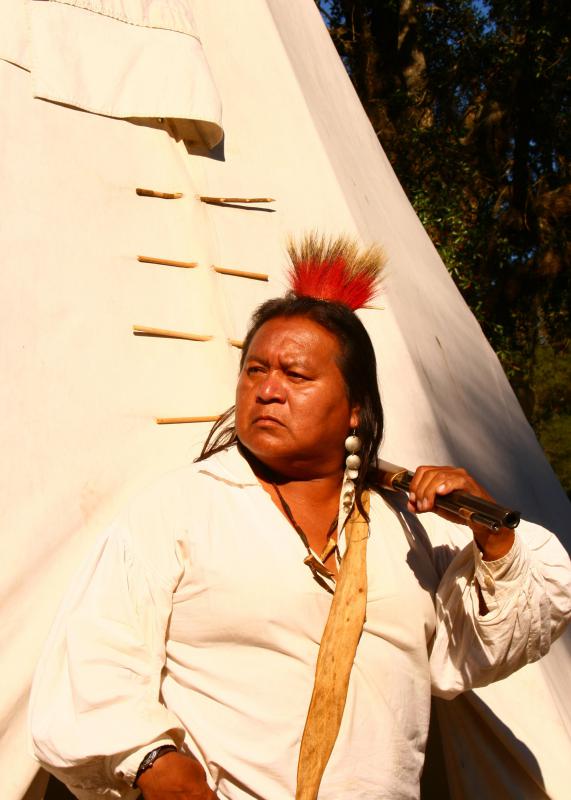
![Native Americans have been using manioc flour for centuries.]() By: namwar69Native Americans have been using manioc flour for centuries.
By: namwar69Native Americans have been using manioc flour for centuries. -
![Manioc flour may be used in combination with other starches to make gluten-free cookies and baked goods.]() By: sarahdoowManioc flour may be used in combination with other starches to make gluten-free cookies and baked goods.
By: sarahdoowManioc flour may be used in combination with other starches to make gluten-free cookies and baked goods.



Discussion Comments
Cassava flour is Not polvilho. Polvilho is the starch. You use cassava flour to make farofa, a typical side dish that accompanies feijoada and churrasco.
@eduguy1313 - Good point that you bring up about gluten. I also wanted to mention that some foods that were previously know to be gluten free are showing proteins that are not exactly gluten, but behave similarly in the body.
Flours from tubers, like potato flour or yucca recipes seem more safe than oats, soy, and sorghum flour which some modern nutrition research is stating as questionable. Something to be researched and decided upon for yourself!
As with all flours and grain alternatives, it is important to check that when you buy manioc flour that it wasn't processed on the same equipment as gluten flour: wheat, rye, etc.
Post your comments