
At TheHealthBoard, we're committed to delivering accurate, trustworthy information. Our expert-authored content is rigorously fact-checked and sourced from credible authorities. Discover how we uphold the highest standards in providing you with reliable knowledge.
What Is Lymphatic Drainage Therapy?
Lymphatic drainage therapy practitioners use their fingers in a light, feathery massage to redirect the flow of lymphatic fluid in specific areas of the body. They employ precise rhythm, pressure, and direction of massage to clear stagnant fluid from lymph nodes. Activating fluid flow in blocked nodes might detoxify the body to improve health.
Lymph nodes transport electrolytes, hormones, proteins, and toxins through the body. These nodes also contain macrophages and lymphocytes deemed crucial to immune system functioning. The theory behind this therapy centers on stagnation of the lymph system when fluids accumulate.

Lymphangions, or pathways in the lymphatic system, drain waste and toxic substances that might cause swelling or other health problems. When toxins build up in cells, and proteins accumulate, tissues fail to regenerate properly and healing becomes compromised. Lymphatic drainage therapy clears these pathways using the natural flow of flow of fluid via wave-like rhythmic massage.

Therapists use characteristics of human anatomy to detect the direction of lymphatic flow in a mapping technique. This is done manually to evaluate lymph node flow at superficial and deeper layers of the body. Once the direction is identified, this procedure involves very gentle massage in the same direction to clear blockages.
Holistic practitioners using this therapy believe swelling and inflammation stem from proteins collecting in lymphatic fluid. They use massage to treat chronic fatigue syndrome, arthritis, bronchitis, and other inflammatory disorders. Improving tissue health represents another use for this type of therapy.

The removal of toxins stimulates tissue regeneration and may aid in healing. Lymphatic massage therapy might speed the healing of wounds, lessen the appearance of scars, and reduce the appearance of wrinkles. Some people seek therapy to get rid of excess fat and cellulite. This type of massage is also used as an anti-aging technique.
Immune system functioning might also improve under these therapies. The practice might help patients with autoimmune diseases because immune cells are present in lymphatic fluid. Drainage therapy might also reduce stress, address sleep-related problems, and treat depression because it might stimulate the parasympathetic nervous system.

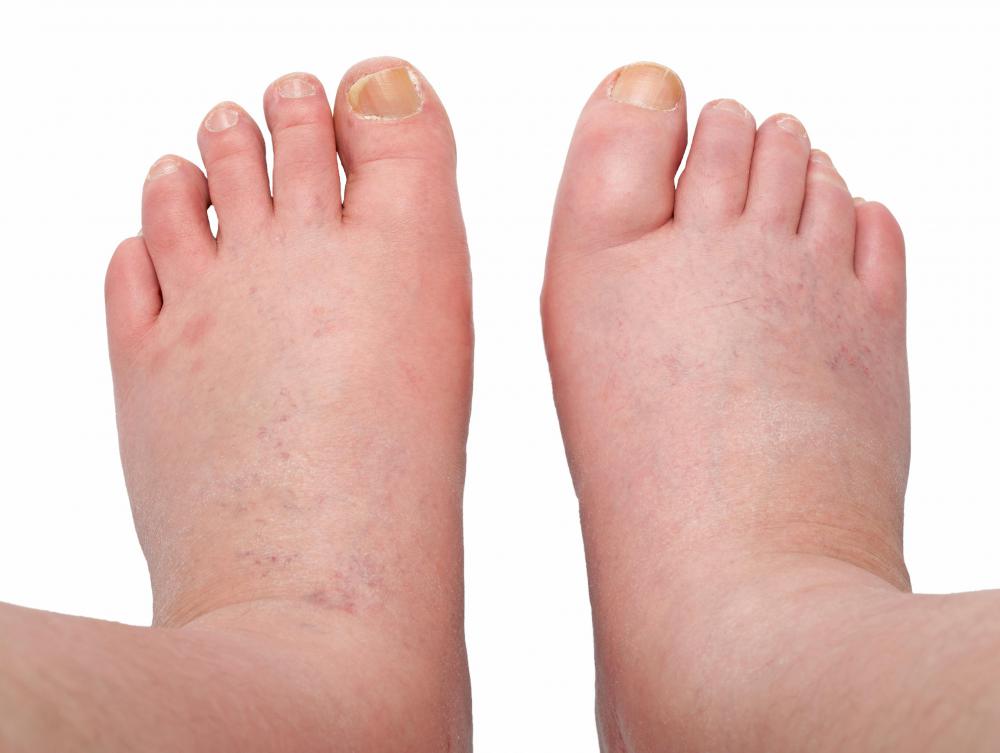
This form of holistic medicine originated in Belgium in the early 19th century. A Danish massage therapist refined a massage technique from the 1930s, sparking renewed interest in lymphatic drainage therapy. Also called decongestion therapy, it was used to treat lymphedema, an unnatural swelling in the legs and arms caused by blocked or damaged blood vessels.
AS FEATURED ON:
AS FEATURED ON:


-
![Lymphatic drainage therapy may be helpful in treating chronic fatigue syndrome.]() By: GrafvisionLymphatic drainage therapy may be helpful in treating chronic fatigue syndrome.
By: GrafvisionLymphatic drainage therapy may be helpful in treating chronic fatigue syndrome. -
![Lymphatic drainage therapy may be helpful in relieving discomfort associated with arthritis.]() By: gstockstudioLymphatic drainage therapy may be helpful in relieving discomfort associated with arthritis.
By: gstockstudioLymphatic drainage therapy may be helpful in relieving discomfort associated with arthritis. -
![Lymphatic drainage therapy may help minimize the appearance of scars and speed the healing of wounds.]() By: MarcoBagnoli ElflacoLymphatic drainage therapy may help minimize the appearance of scars and speed the healing of wounds.
By: MarcoBagnoli ElflacoLymphatic drainage therapy may help minimize the appearance of scars and speed the healing of wounds. -
![Lymphatic drainage therapy may help reduce the appearance of wrinkles.]() By: brankatekicLymphatic drainage therapy may help reduce the appearance of wrinkles.
By: brankatekicLymphatic drainage therapy may help reduce the appearance of wrinkles. -
![The lymphatic system, shown in green.]() By: Sebastian KaulitzkiThe lymphatic system, shown in green.
By: Sebastian KaulitzkiThe lymphatic system, shown in green. -
![Patients suffering with lymphadema may benefit from manual lymph drainage.]() By: lekcejPatients suffering with lymphadema may benefit from manual lymph drainage.
By: lekcejPatients suffering with lymphadema may benefit from manual lymph drainage. -
![Lymphatic drainage techniques are often used in conjunction with holistic massage.]() By: Micky75Lymphatic drainage techniques are often used in conjunction with holistic massage.
By: Micky75Lymphatic drainage techniques are often used in conjunction with holistic massage.



Discussion Comments
Lymphatic Drainage Therapy is different from massage therapy. The lymph system has its own rhythm and since the majority is near the surface of the skin, it can be hindered by a massage that puts pressure on it.
LDT is specialized and is very relaxing. It is almost feather like in touch, helping the rhythm flow and opening up nodes that are congested. For a first time LDT, it should never be a full session because you can overload the system and you can feel sick. Also you need to drink plenty of water after a session to help flush the toxins.
If someone has had lymph nodes removed, caution is the word. No massage or LDT can be done around the area unless you are certified and a knowledge of rerouting the lymph system is a must.
@SarahGen-- I personally think that anyone who has been officially trained in this type of massage is qualified to do it.
I understand your worry about the cost and I think you should go ahead and have the massage done by a massage student. But make sure that he or she has actually been trained in lymphatic drainage.
You will most likely feel tired after the massage, this is normal. It means that you had some blockage in your lymphatic system and the massage opened it and allowed the toxins to be removed. Just rest and stay hydrated.
How do therapists detect the lymphatic flow? Don't they flow in the same direction in everyone?
How important is it to get this type of massage from an experienced lymphatic drainage therapist? Is it something that a massage therapy student can do?
I've heard great things about this therapy and I would like to go at least once a month if I can, but it's so expensive! I'm trying to find more affordable ways to get this therapy but will it still be effective if say, a student from a massage therapy school does it? Could there be any negative consequences?
Post your comments