
At BeautyAnswered, we're committed to delivering accurate, trustworthy information. Our expert-authored content is rigorously fact-checked and sourced from credible authorities. Discover how we uphold the highest standards in providing you with reliable knowledge.
What is Lubricant Jelly?
Lubricant jelly is a gelatinous liquid, typically either water or silicone-based, that is used to moisten skin and soften body orifices. Medical professionals often keep it on hand to ease insertion of vaginal speculums, rectal thermometers, and other instruments that must be put into the body. Some jellies can also be used during sexual intercourse to replace or enhance natural lubrication, and women may keep these sorts of products on hand to ease or relieve vaginal dryness.
Medical Uses

Doctors and other healthcare professionals frequently stock medical-grade lubricant jelly to ease pain and discomfort during routine health exams. These sorts of jellies are biologically inert, which means that they will not interfere with test results — if a nurse uses the jelly to guide a probe into the body to collect cell samples, for instance, the cells can be tested without worry that they have been tainted or any way altered. Most can also be safely used with latex gloves, which allows for sterile exams.
Personal Uses

Lubricant jelly is also popular as a means of preventing soreness and tearing during sexual intercourse. The sensitive genital areas will usually self-lubricate when aroused, but dehydration, stress, hormonal changes, and certain medications like antihistamines can decrease moistness. When this happens, applying a bit of lubricant can make the experience more pleasurable. It is usually applied to the penis, vagina, or anus.

Women who suffer from chronic vaginal dryness may also use lubricant jelly as a way of staying moist. Dryness can be caused by menopause, pregnancy, lactation, or medications. Since the vagina is a mucous membrane, ongoing dryness can be quite uncomfortable, and can also alter the pH of the vagina and make a woman more susceptible to yeast infections. Over-the-counter lubrication jelly may be applied internally and externally as needed.
Water-Based Varieties

Many of the most popular lubricant jellies are water-based, which means that they contain mostly water and are water-soluble. Most medical-grade products come within this category. These jellies are not sticky or tacky, and do not usually stain fabrics or clothing. They are often hypoallergenic, as well.
Silicone Jelly
Silicone lubricant jellies are oil or petroleum-based. They often last for a lot longer than water-based varieties, but can also be harder to wash off, and may leave marks on some fabrics. Silicone jellies can generally be used with latex, but not always. This is a particular concern with condoms — a silicone-based lubricant that weakens condom material increases the risk of sexually transmitted diseases and pregnancy. Latex-certified jellies are usually the best option when condoms are involved. Most of the time, this sort of certification is prominently displayed on the jelly’s packaging or safety information.
Novelty Products

Many pharmacies and drug stores sell a variety of lubricant jellies. The most standard are clear and unscented, but it is also possible to find some that are colored and flavored. Some jellies also contain a warming ingredient, usually capsaicin, that is derived from chili peppers. This is usually designed for pleasure during intimacy, but can prove irritating to some people.
Health and Allergy Precautions

Lubricant jellies are typically safe to use on all skin types, but can cause allergic reactions or sensitivities in some people. It is a good idea for people who have sensitive skin or are prone to topical rashes are allergies to test out a jelly on the back of the hand or inside of the arm before applying it to the genitals.
AS FEATURED ON:
AS FEATURED ON:


-
![Lubricant jelly.]() By: blueeeLubricant jelly.
By: blueeeLubricant jelly. -
![Lubricant jelly may be used for intimate moments.]() By: auremarLubricant jelly may be used for intimate moments.
By: auremarLubricant jelly may be used for intimate moments. -
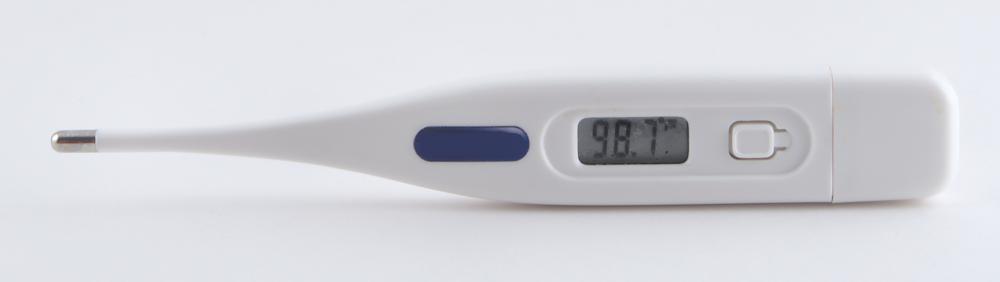
![Lubricant jelly may be used to ease insertion of rectal thermometers.]() By: Rob ByronLubricant jelly may be used to ease insertion of rectal thermometers.
By: Rob ByronLubricant jelly may be used to ease insertion of rectal thermometers. -
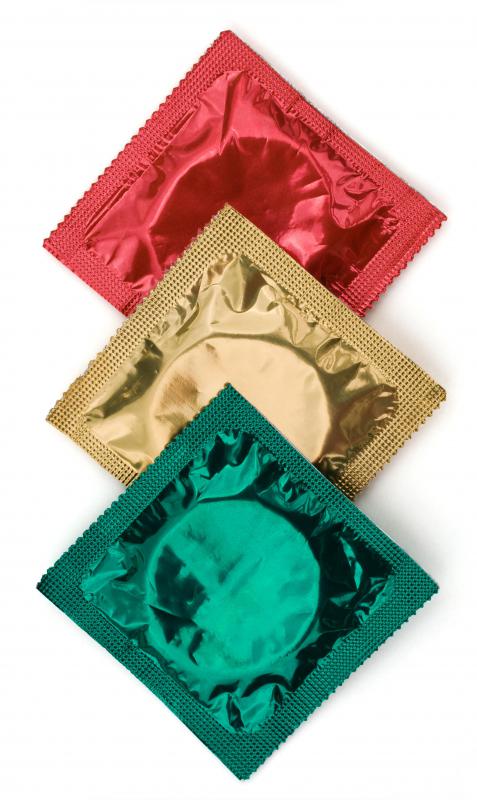
![Petroleum-based lubricants can degrade latex condoms, making them less effective in preventing pregnancy or spreading disease.]() By: MarieCPetroleum-based lubricants can degrade latex condoms, making them less effective in preventing pregnancy or spreading disease.
By: MarieCPetroleum-based lubricants can degrade latex condoms, making them less effective in preventing pregnancy or spreading disease. -
![Certain medications and stress can affect natural lubrication.]() By: vgstudioCertain medications and stress can affect natural lubrication.
By: vgstudioCertain medications and stress can affect natural lubrication. -
![Most lubricant jellies can be used with latex gloves.]() By: eldadcarinMost lubricant jellies can be used with latex gloves.
By: eldadcarinMost lubricant jellies can be used with latex gloves.




Discussion Comments
I had no idea that so many things could cause you to need a lubricant. Who knew antihistamines could dry you out "down there" as well?
Anyway, a few people have mentioned store brand lubricant glide, and I have to say, I think this is a great idea. I remember seeing Astroglide at the store awhile ago and thinking it was ridiculously expensive. Store brand products tend to be a lot cheaper than name brand, so this could be a good way to save a few dollars.
@Azuza - Good point. I actually have a friend who got pregnant that way!
I also wanted to bring up the subject of allergies and lubricant for intercourse. Obviously having an allergic reaction during this act (and in the area of your body) is no fun. But some lubricants have all kind of chemicals in them. Especially the warming lubricants or the ones with a taste/smell.
I would recommend that before you use a lubricant during intercourse, test it out on another area of your skin. That way you can see if you're allergic to it without learning the hard way.
@Kat919 - A lubricating jelly that makes it easier to get pregnant? Now I've heard everything! Although, I'm not trying to get pregnant, so I guess why would I know that?
Anyway, please allow me to get on my soapbox for a second. Like the article said, if you don't want to get pregnant, and you're only using condoms as your birth control, pay attention to the kind of lubricant you buy.
As the article said, some types can weaken condoms. So instead of using lotion or something, buy a lubricant that is specifically meant to be used during sex.
@MrsWinslow - I used to use a glycerin-free lubricant for just that reason, but then I started trying to get pregnant. Most common lubricants are pretty hostile to sperm! That's not to say that they are a birth control method - they most certainly are not - just that they are not helpful for couples who may be trying to overcome low fertility.
There's a special brand, Pre Seed lubricant, which is specially designed for couples who are trying to conceive. It is more sperm-friendly. They carry it at my local Walgreen's but I think you can also order it online if you have trouble finding it in the stores. It's one of those hidden fertility secrets that doctors don't usually mention, like that taking antihistamines can make it harder to get pregnant! I learned a lot from reading the book "Taking Charge of Your Fertility."
One thing to be aware of with personal lubricant jelly is that they can affect the environment of your vagina. Most water-based brands, like regular K-Y, contain glycerin. Using a glycerin lubricant has a similar effect to eating a high-sugar diet: it increases your chances of getting a yeast infection.
Many women will find that it's not really a problem for them, but if you are prone to yeast infections and you do regularly use a lubricant, you might want to switch to one that's glycerin-free. I think Astroglide is like that and you can even get store brands without glycerin! (CVS makes one, for instance, that is very reasonably priced.) Can't hurt to try it, might help.
Post your comments