
At TheHealthBoard, we're committed to delivering accurate, trustworthy information. Our expert-authored content is rigorously fact-checked and sourced from credible authorities. Discover how we uphold the highest standards in providing you with reliable knowledge.
What is Lower Extremity Paralysis?
Lower extremity paralysis is a type of medical condition in which there is a partial or complete loss of sensation and the ability to voluntarily move one or both legs. It may occur as a result of a traumatic physical injury, or it may be a symptom of a natural disease process. This type of paralysis can be either temporary or permanent, as it is usually related to a brain or spinal cord injury or a disease. Some factors that may lead to this condition include trauma caused by automobile accidents or diseases such as diabetes, arthritis, or multiple sclerosis.
Diabetes is a disease that is caused by the body's inability to properly secrete and store a hormone known as insulin. This disease can cause nerve damage that may lead to one or both legs becoming either temporarily or permanently paralyzed. A stroke is a temporary loss of blood flow to a portion of the brain. Without proper blood flow, some portions of the brain can become damaged, sometimes leading to lower extremity paralysis.

Physical injury to one or both legs can sometimes lead to paralysis. Depending on the extent of the damage and the type of injury sustained, medical treatments such as surgery may be able to restore at least partial use of the affected leg. Some injuries may not be treatable, however.
Osteoarthritis is a disease that causes the joints of the body to gradually wear away. This process can cause inflammation and pressure on the nerves of the leg, leading to temporary paralysis. In some cases, this may become permanent.

Peripheral neuropathy is a medical condition characterized by damage to one or more nerves of the body. This condition may be caused by diseases such as multiple sclerosis, environmental toxins, or traumatic physical injury. In many cases, this type of paralysis is temporary and may come and go randomly for many years. Unfortunately, peripheral neuropathy may also lead to permanent lower extremity paralysis.

Regardless of the direct cause of the problem, it is important for the patient to be closely monitored by a medical professional. He or she can prescribe medications or other treatment methods that may help the patient regain some lost function. The medical professional may also suggest treatment methods to keep the patient in the best physical health possible in spite of the paralysis and physical limitations.
AS FEATURED ON:
AS FEATURED ON:


-
![Spinal cord injury may cause paralysis in the lower extremities.]() By: ArToSpinal cord injury may cause paralysis in the lower extremities.
By: ArToSpinal cord injury may cause paralysis in the lower extremities. -
![Individuals who are paralyzed from the waist down are at increased risk for developing bladder cancer.]() By: joshyaIndividuals who are paralyzed from the waist down are at increased risk for developing bladder cancer.
By: joshyaIndividuals who are paralyzed from the waist down are at increased risk for developing bladder cancer. -
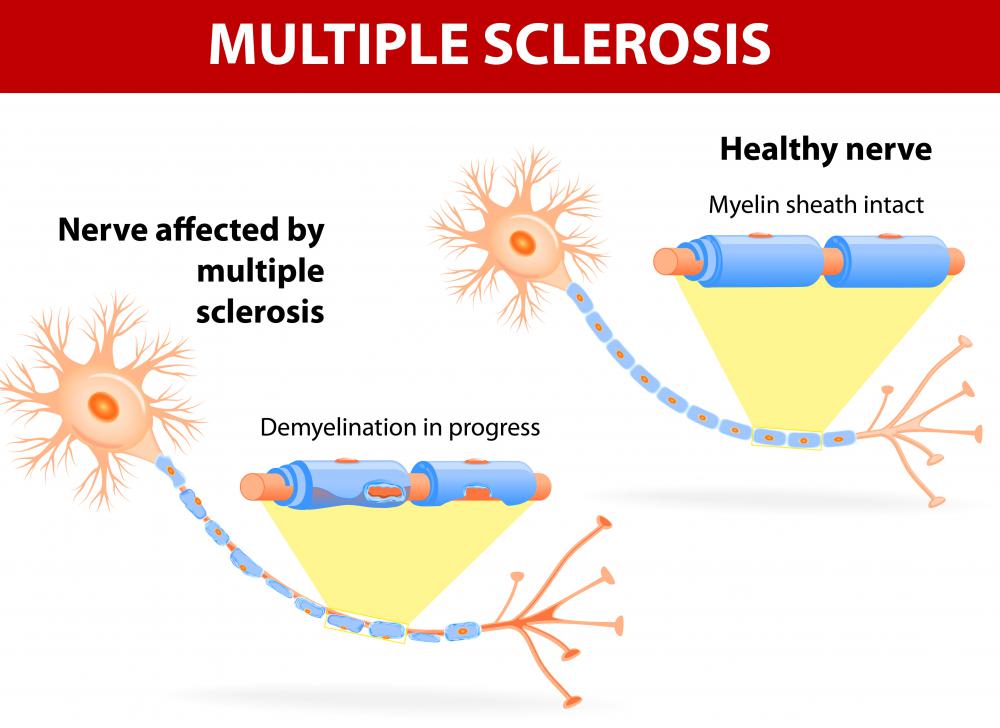
![Multiple sclerosis may lead to lower extremity paralysis.]() By: designuaMultiple sclerosis may lead to lower extremity paralysis.
By: designuaMultiple sclerosis may lead to lower extremity paralysis. -
![Lower extremity paralysis can can be either temporary or permanent.]() By: lassedesignenLower extremity paralysis can can be either temporary or permanent.
By: lassedesignenLower extremity paralysis can can be either temporary or permanent. -
![Injuries sustained in an accident may cause lower extremity paralysis.]() By: Pavel LosevskyInjuries sustained in an accident may cause lower extremity paralysis.
By: Pavel LosevskyInjuries sustained in an accident may cause lower extremity paralysis. -
![Osteoarthritis develops when the protective cartilage that cushions bones gradually erodes.]() By: Lisa F. YoungOsteoarthritis develops when the protective cartilage that cushions bones gradually erodes.
By: Lisa F. YoungOsteoarthritis develops when the protective cartilage that cushions bones gradually erodes.





Discuss this Article
Post your comments