
At HomeQuestionsAnswered, we're committed to delivering accurate, trustworthy information. Our expert-authored content is rigorously fact-checked and sourced from credible authorities. Discover how we uphold the highest standards in providing you with reliable knowledge.
What Is Lavender?
 Mary Elizabeth
Mary Elizabeth
Mary Elizabeth
Lavender, or Lavandula, is an herb in the mint family that is primarily employed for its fragrance in the garden and in personal care products, but also finds its way into culinary use. The different varieties are sometimes categorized as English, French, Italian, and Spanish lavender.
Cultivation

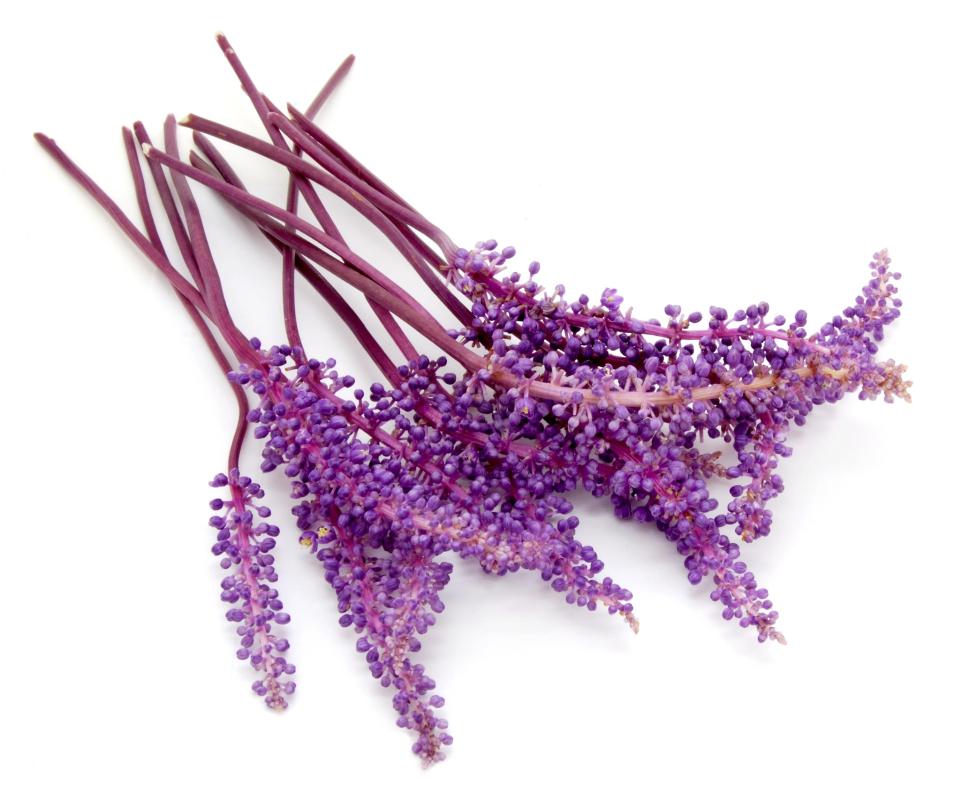
This plant grows to a height of one to three feet (30 to 90 cm). Its blue to lilac-colored flowers bloom from July to September. It does best in light soil and with plenty of sun, and can be easily grown from seed, or from cuttings or seedlings. To dry, harvest the buds when barely open and spread in a dark, well-ventilated place.
Culinary Uses
Lavender used to be considered characteristic only of Provencal cuisine, and is included as one of the constituents of Herbes de Provence, along with chervil, marjoram, rosemary, savory, tarragon, thyme, and sometimes fennel. Innovative cooks have recently extended its reach in the kitchen. It can be used to make many different types of desserts and other sweet items, including jellies, lemonade, crème brûlée, ice cream, and cookies. It can also be used in savory dishes as well as in salad dressing, in goat cheese tarts, and as a seasoning for poultry.
Other Uses

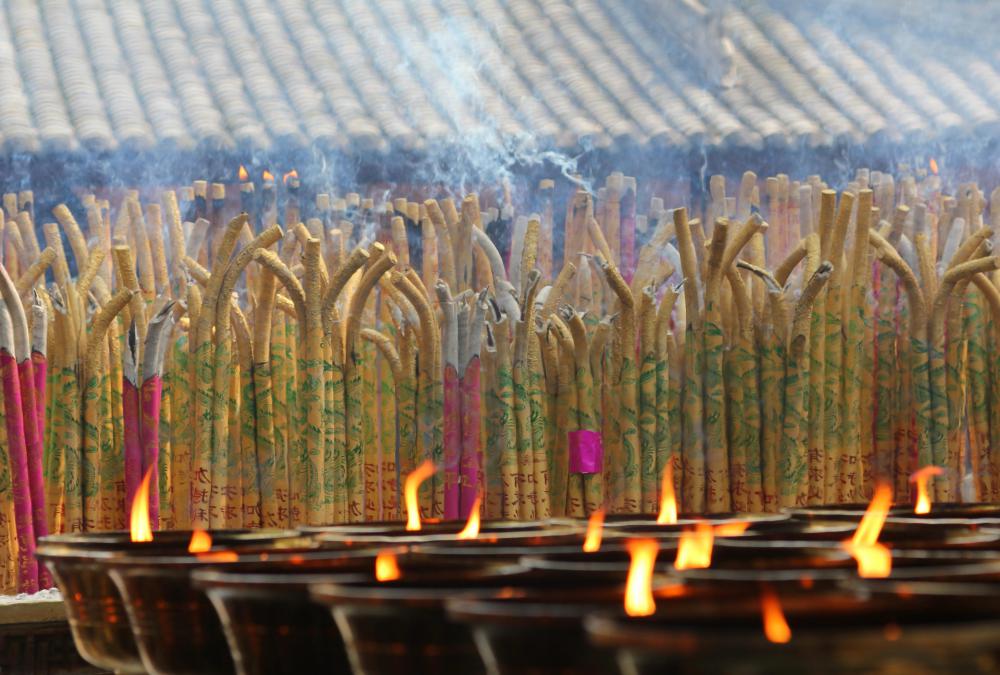
Outside the kitchen, it can be used to scent linen and clothes in sachets, pomanders, and other dried arrangements. As a general air scent, it's also available as incense. Lavender oil is also used as a fragrance ingredient in shampoo, hair gel, soap, bubble bath, bath salts, perfume, and other products. It is also used as an antiseptic.
Cautions
It's important to mark culinary lavender clearly and to not substitute personal care products or other lavender products in recipes. Also, some studies suggest that repeated use of products containing lavender or tea tree oil may interfere with hormone levels in the body. Specifically, it is believed that lavender may inhibit androgen and mimic estrogen in the body, potentially leading to conditions such as gynecomastia in men. It has been recommended that young boys and men avoid products with lavender for this reason. Experts believe that are no long-term effects as long as one discontinues the use of such products. Please check with a health professional for any concerns.
History

The name lavender is derived from the Latin lavare, meaning “to wash.” The Romans used this plant to scent their baths, and also discovered its medicinal properties. They introduced it to Britain during their early times there. This nursery rhyme, first printed in the late 17th century, reportedly bears references the growing of this herb near London at the time:
Lavender’s blue,
dilly, dilly,
Lavender’s green.
When I am king,
dilly, dilly,
You shall be queen.
Mary Elizabeth
Mary Elizabeth is passionate about reading, writing, and research, and has a penchant for correcting misinformation on the Internet. In addition to contributing articles to HomeQuestionsAnswered about art, literature, and music, Mary Elizabeth is a teacher, composer, and author. She has a B.A. from the University of Chicago’s writing program and an M.A. from the University of Vermont, and she has written books, study guides, and teacher materials on language and literature, as well as music composition content for Sibelius Software.
Learn more...
Mary Elizabeth
Mary Elizabeth is passionate about reading, writing, and research, and has a penchant for correcting misinformation on the Internet. In addition to contributing articles to HomeQuestionsAnswered about art, literature, and music, Mary Elizabeth is a teacher, composer, and author. She has a B.A. from the University of Chicago’s writing program and an M.A. from the University of Vermont, and she has written books, study guides, and teacher materials on language and literature, as well as music composition content for Sibelius Software.
Learn more...AS FEATURED ON:
AS FEATURED ON:


-
![Lavender flowers.]() By: Kimberly ReinickLavender flowers.
By: Kimberly ReinickLavender flowers. -
![Levender is a popular ingredient in perfumes.]() By: HallgerdLevender is a popular ingredient in perfumes.
By: HallgerdLevender is a popular ingredient in perfumes. -
![Lavender is a fragrance found in many bath salts.]() By: joanna wnukLavender is a fragrance found in many bath salts.
By: joanna wnukLavender is a fragrance found in many bath salts. -
![Lavender can be used in salad dressing.]() By: SunnySLavender can be used in salad dressing.
By: SunnySLavender can be used in salad dressing. -
![Men should avoid products that contain lavender oil, as it may result in gynecomastia.]() By: semmickphotoMen should avoid products that contain lavender oil, as it may result in gynecomastia.
By: semmickphotoMen should avoid products that contain lavender oil, as it may result in gynecomastia. -
![Lavender oil is used as an antiseptic and as an ingredient in many other products.]() By: duskLavender oil is used as an antiseptic and as an ingredient in many other products.
By: duskLavender oil is used as an antiseptic and as an ingredient in many other products. -
![Lavender oil is used to make incense and other aromatic products.]() By: gigidreadLavender oil is used to make incense and other aromatic products.
By: gigidreadLavender oil is used to make incense and other aromatic products. -
![Lavender oil is used as a fragrance ingredient in bubble baths and other products.]() By: AriwasabiLavender oil is used as a fragrance ingredient in bubble baths and other products.
By: AriwasabiLavender oil is used as a fragrance ingredient in bubble baths and other products.



Discussion Comments
Lavender is tasty, but Spanish lavender is toxic.
Lavender is quite effective against some garden pests.
Sachet with lavender are used to repel moth.
Can Spanish Lavender be used as a houseplant?
Post your comments