
At DelightedCooking, we're committed to delivering accurate, trustworthy information. Our expert-authored content is rigorously fact-checked and sourced from credible authorities. Discover how we uphold the highest standards in providing you with reliable knowledge.
What is Lard?
 Mary McMahon
Mary McMahon
Mary McMahon
Lard is the rendered fat of a pig, and it can be used in cooking and baking. Historically, it has been a popular cooking ingredient, although it acquired a stigma in parts of the West in the 20th century. In some countries, rendered fat can be difficult to obtain, because consumers perceive it as being more unhealthy than butter or vegetable shortening.
In stores, it can sometimes be found in the Hispanic ingredients section, labeled Manteca, the Spanish word for lard. Be careful, however, as some Latin American Spanish speakers use manteca to refer to butter, or a butter and fat mixture. Lard can also be made at home, an increasingly popular option for consumers who want it fresh.

There are several grades available. The finest is leaf lard, which comes from the area around the kidneys of the pig. Back lard is another high grade, while rendered fat from other parts of the pig is less desirable. To make it, either a wet or dry rendering process is used. Wet lard is made by steaming or boiling fat. Since the fat is not water soluble, it will float to the top, and the cook can simply skim it off. Dry rendering uses a large pan and no water to heat the fat, allowing the cook to skim impurities away.

Fresh lard is not shelf stable, and it does need to be stored under refrigeration. Most commercial options are stabilized, often through hydrogenation, which means that they can contain harmful trans fats. Plain fresh lard is actually not more harmful than fats such as butter, although heavily processed forms may contain harmful compounds. Lard also has a much higher smoking point than butter, making it suitable for a wide range of dishes.

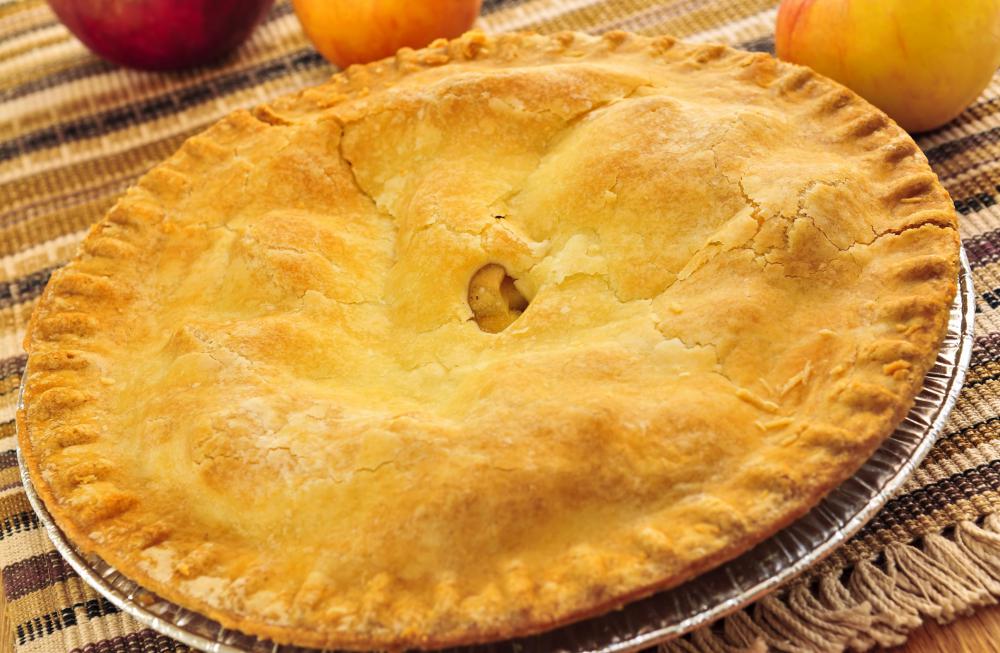
There are all sorts of uses for lard. It has been traditionally popular in pastry, since it yields light, flaky pastries such as pies. It can also be used as an all-purpose cooking and frying fat. Lard is also inserted into or wrapped around meats to baste them while they cook, in a process known as larding. High quality varieties are rich with a relatively neutral flavor, and they can be used to replace butter in recipes. When using them as a butter replacement, use approximately one-fifth less than the recipe calls for.

Alternatives include vegetable shortening such as Crisco. These shortenings tend to behave slightly differently, calling for some adjustments. In addition, many vegetable shortening projects contain trans fats. These fats have been shown to be dangerous to human health, and people should avoid consuming them, if possible.
Mary McMahon
Ever since she began contributing to the site several years ago, Mary has embraced the exciting challenge of being a DelightedCooking researcher and writer. Mary has a liberal arts degree from Goddard College and spends her free time reading, cooking, and exploring the great outdoors.
Learn more...
Mary McMahon
Ever since she began contributing to the site several years ago, Mary has embraced the exciting challenge of being a DelightedCooking researcher and writer. Mary has a liberal arts degree from Goddard College and spends her free time reading, cooking, and exploring the great outdoors.
Learn more...AS FEATURED ON:
AS FEATURED ON:


-
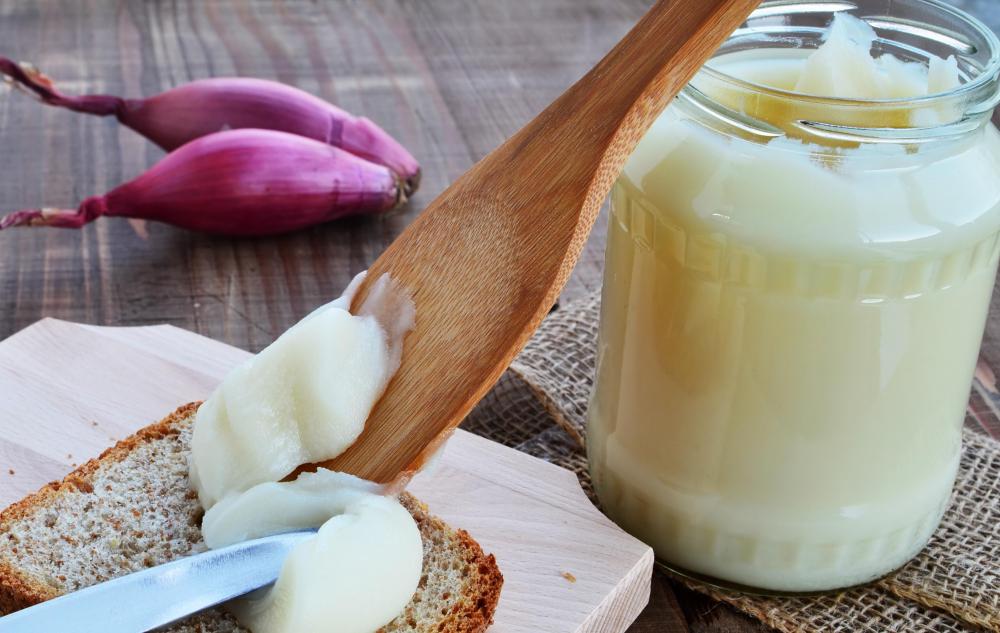
![Lard is used for cooking and baking.]() By: ProMotionLard is used for cooking and baking.
By: ProMotionLard is used for cooking and baking. -
![Lard is popular in pie and other pastries because it yields a light, flaky crust.]() By: ElenathewiseLard is popular in pie and other pastries because it yields a light, flaky crust.
By: ElenathewiseLard is popular in pie and other pastries because it yields a light, flaky crust. -
![All forms of lard are pig fat.]() By: AnatoliiAll forms of lard are pig fat.
By: AnatoliiAll forms of lard are pig fat. -
![Manteca is the Spanish word for lard.]() By: whiteasterManteca is the Spanish word for lard.
By: whiteasterManteca is the Spanish word for lard. -
![Most commercial lard is stabilized through hydrogenation.]() By: elen_studioMost commercial lard is stabilized through hydrogenation.
By: elen_studioMost commercial lard is stabilized through hydrogenation.


Discussion Comments
What is the shelf life of Armour lard. Does it need to be refrigerated after use?
It's disgusting. Fat from a dead creature which is smarter than a dog. I prefer vegetable oils which are healthier anyway, since they are unsaturated.
Why choose a cruelty product when there are alternatives? I mean, if we had no choice then I understand. But since there are many more ethical choices, we can decide what causes less harm and suffering. We can also be healthier and thinner (in a healthy way) as a result. So this works both ways.
Lard is the only substitute for frying for me. It does not contain soy like *all* the other ones do (crisco, etc). Lard was used for centuries, and it is the only thing those of us allergic to soy can eat. Lard is a good thing, in moderation of course. Soy is a bad thing.
Life is too short to worry about heart attacks and strokes. The constant struggle to learn more about what will kill you and avoiding it creates stress. Stress causes heart attacks and strokes. Relax, all things in moderation. All things. Now, go out and eat some grease.
I can't eat meat. It hurts my stomach. Do you think I can eat lard in say, tamales?
I have been going to a dietitian for over a year and am learning all about hydrogenated and partially hydrogenated fats, fraction fats, shortening, lard, saturated fat, and the biggie, trans fats! Wow! I know how dangerous they are, what foods to find them in and how quickly they can kill us.
When I go food shopping I read the labels thoroughly. If I like the food but don't like the fats they use, I will make it myself or do without! Life is too short to to have to worry about clogged arteries, heart attack or a stroke.
why is it called this?
I've rendered lard. Once it's separated from the fat is separated from the flesh, you do not taste anything, any more than you do with crisco, that vile poison of doom.
I've been in slaughterhouses to turn our pigs (one that I had raised, even) into pork. That smell has zero resemblance to lard. Your best professional cakes use tons of it--no smell, no taste. Most of you probably had no idea your bakery used it. You ate it anyway, with a smile.
I'm also sick of the "what about my religious observance!"
You're adults now. You are the only person responsible for what you put in your mouth. Want to follow a bunch of Bronze Age nonsense? Go for it. You can believe that eating sugar brings the plum fairy, for all I care, but your delusion gives you zero say in what goes in someone else's mouth. That means you go somewhere else if a restaurant doesn't conform to your dogma.
Try growing up and minding your own bloody business for a change. The world doesn't revolve around you.
Get used to it.
Well it definitely is for me. After reading about trans fats and the damage it does, backed up by years of poor health declining in this country as we replaced lard and butter with margarine and shortening, I'm looking for the way to do it healthy, like they did years ago before 1930, when health issues were not all the rage. I am glad for my healthy back skin and mental status - goodbye fibromyalgia, lethargy, and poor concentration, hello healthy. You sure look good on me.
I am rendering lard today for the first time in my life to make fatballs for the birds - the store bought ones are €2,90 a piece, and I simply can't afford that. I didn't intend to do it myself, but my SO had no idea that lard is *not* the same as pig fat, it's *rendered* from pig fat, and came home from the butcher's with a huge flake he got for free.
I think it will be an interesting (and possibly smelly) experience, and if it turns out pretty pure and tasteless, I'll try and use some of it in my cooking.
For some groups, lard is crucial for the ritualistic preparation of foods. For the preparation of tamales, for example, you need to mix the corn maize into the lard for up to hours until you get the corn mixture to float in water. I always hear people saying they should cut out the lard from these dishes (and some tamale vendors--usually the ones that have websites--actually do and advertise them as vegan) but for some people who've established a tradition using lard that's ridiculous.
If it's against your religion what can you do? You should probably just be eating your own traditional food rather than criticizing others for their own.
In any case, if you're a large restaurant trying to scramble for a any consumer for the sake of profits, then perhaps it would be in your best interest to substitute lard.
There are vast numbers of people who do not consume pig products, though they may not be vegetarian, i.e Jews, Buddhists, Seventh Day Adventists, etc.
I truly think that restaurants, small or otherwise should consider discarding lard and using one of the substitutes. Otherwise they lose a large clientele.
I tried some "old fashioned" potato chips yesterday (won't mention the brand)and had to spit out the first two I put in my mouth. The taste reminded me of a horrid smell I experienced when I was a kid, and my dad took me to a pig farm where they had a slaughterhouse and you could get fresh pork. I've always associated that smell with death. Anyway I looked on the ingredients and saw the chips were cooked in lard. No offense to the rest of you, but lard is *not* for me!
Post your comments