
At DelightedCooking, we're committed to delivering accurate, trustworthy information. Our expert-authored content is rigorously fact-checked and sourced from credible authorities. Discover how we uphold the highest standards in providing you with reliable knowledge.
What is Kosher Food?
Kosher food is food that meets Jewish dietary laws, or kashrut. The word kashrut comes from a Hebrew word for "fit" or "proper." Though many unfamiliar with the concept assume "kosher food" is "healthy food," it actually refers to any food that has been prepared in adherence to Jewish law, or halacha. Conversely, foods labeled as "Jewish" aren't necessarily kosher. Kreplach, cholent, kugel, latke, and kishka are all traditionally Jewish foods, but if they are not prepared in accordance with kashrut, they will not be kosher.
Kashrut has a rather extensive set of laws. There are laws derived directly from the Torah or bible (d'orita) which generally have greater importance and others that have been identified over the years by Rabbis (d'rabanan) because there may be some unclear aspects by the biblical law alone. Moreover, there is a lot of dispute over the nuance of kashrut. As a result, what one segment of the Jewish community deems as kosher may not jive with that of another segment. There are, however, many agreed upon general rules.
Prohibited Animals

A good portion of kosher food regulations, and perhaps the laws that are some of the most well known among non-Jews, has to do with particular animals that cannot be consumed — pig probably being the most well known. According to the Torah, cloven hoofed, cud-chewing mammals can be kosher. Cows, deer, sheep and goats, for example, may be kosher, while pigs and rabbits, for example, never are. Only certain birds may be considered kosher in the United States, including chicken, duck, goose, and turkey. For seafood or fish to be kosher, it must have fins and easily removable scales, like tuna, carp and herring. Shellfish generally, and lobsters, shrimp and clams specifically, are not kosher.
Kosher Slaughter

Kashrut has very extensive laws on the proper slaughter of animals as well. So, while a particular animal, like a cow, may be kosher, if it is not properly slaughtered, it is not kosher. Both poultry and meat must be slaughtered under strict dietary guidelines called shechita. These rules of slaughter require, among other things, that (1) only trained butchers shochet) perform the slaughter, (2) the animal not have any medical defect like a disease, (3) the animal be killed with a sharp knife and one swift motion to the carotid artery, and (4) as much blood is removed as possible through a process known as kashering.
The Separation of Dairy and Meat

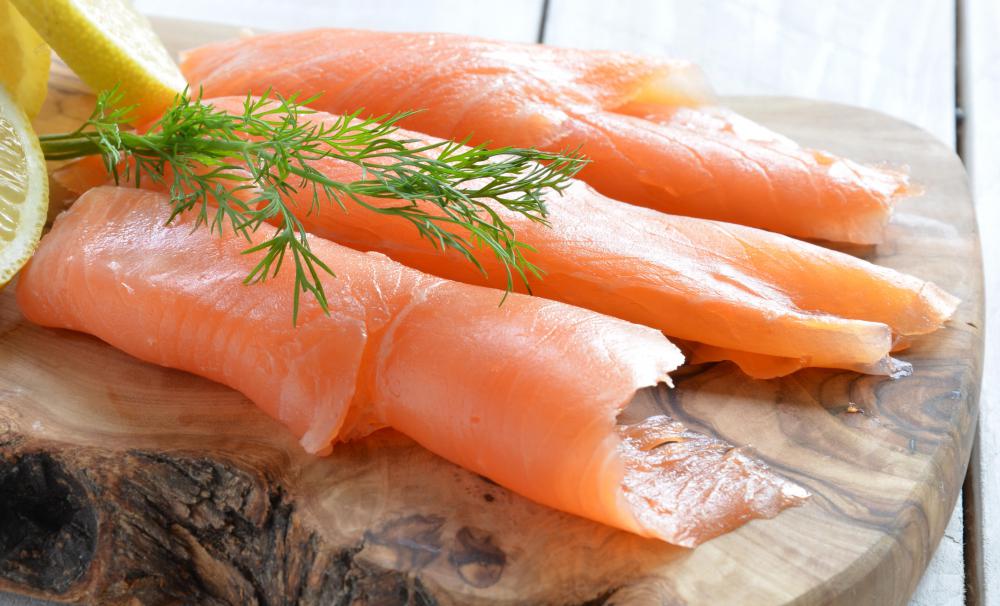
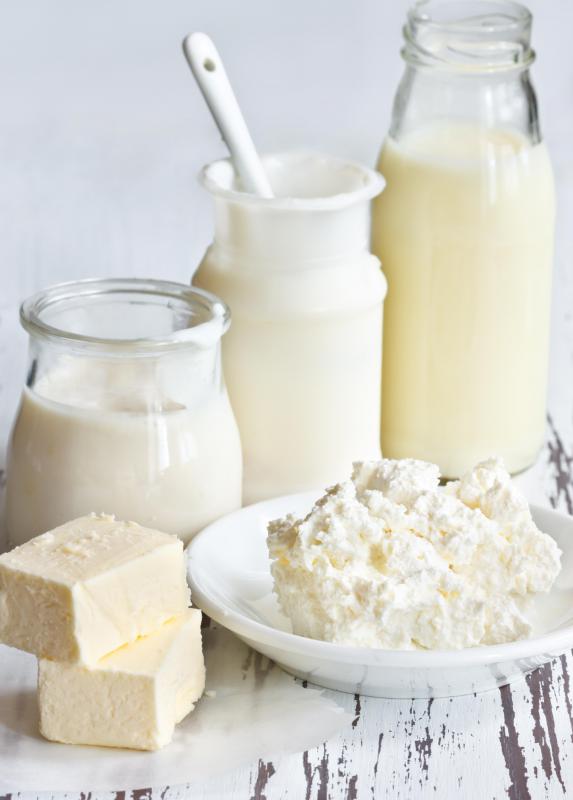
Milk and meat cannot be eaten or served together. In fact, many observant restaurants are exclusively dairy (milchig) or meat (fleishig) to ensure that there is no cross-contamination in observing this aspect of kashrut. Pareve food — food that is neither meat nor dairy, such as vegetables, eggs, fish, and grains — can typically be served and eaten with either meat or dairy foods. Rabbinic law includes poultry in this prohibition so fried chicken that has been breaded with a milk-based batter isn't kosher, but because fish is pareve, milk-battered and fried fish or bagels with lox and cream cheese is kosher.
Kosher Kitchens

Kosher kitchens must maintain separate sets of utensils, pots, pans, dishes, and anything else that comes in contact with food for using with milk and meat. In addition, dishes and utensils in a kosher kitchen can't be washed together. If a kitchen has two sinks or dishwashers, it is an ideal setup for a kosher family; if not, separate wash buckets are often used. Dishes and utensils must be dried using separate racks or dishtowels as well.
Product Labeling

There are many other rules to be followed for anything to be considered kosher food. To make identification easier on the consumer, kosher food is often identified as such by its kashrut certification on the food's package. Kashrut certification is generally indicated by an identifiable symbol (hechsher) or by the word pareve. In order to get that certification, an authorized Rabbi must supervise the process the food underwent. Because different denominations apply different nuanced interpretations of kashrut, there are actually many different types of symbols based on the kosher certifying agency. The Union of Orthodox Congregations is a common certifying agency in the US whose symbol is the letter "U" inside of a circle.
The Word "Kosher" in American English

Though the formal use of the Hebrew/Yiddish word "kosher" technically only refers to food that is "ritually fit or pure," it has come to be commonly but informally used in American English to refer to most anything, food or otherwise, that is appropriate, legitimate, proper, or genuine. Instead of saying "that's not right," one might say "that's not kosher."
AS FEATURED ON:
AS FEATURED ON:


-
![A turkey is considered a kosher animal.]() By: Jeffrey BankeA turkey is considered a kosher animal.
By: Jeffrey BankeA turkey is considered a kosher animal. -
![Cows and other cloven-hoofed, cud-chewing animals are kosher.]() By: Eric IsseléeCows and other cloven-hoofed, cud-chewing animals are kosher.
By: Eric IsseléeCows and other cloven-hoofed, cud-chewing animals are kosher. -
![Pigs are not considered kosher.]() By: AnatoliiPigs are not considered kosher.
By: AnatoliiPigs are not considered kosher. -
![Kosher pickles.]() By: Yury TeploukhovKosher pickles.
By: Yury TeploukhovKosher pickles. -
![The meat from goats can be kosher.]() By: Gerhard SeybertThe meat from goats can be kosher.
By: Gerhard SeybertThe meat from goats can be kosher. -
![The Torah provides some of the rules for determining kosher food.]() By: ewrobinsonThe Torah provides some of the rules for determining kosher food.
By: ewrobinsonThe Torah provides some of the rules for determining kosher food. -
![Kosher food may include deer.]() By: Jorge MoroKosher food may include deer.
By: Jorge MoroKosher food may include deer. -
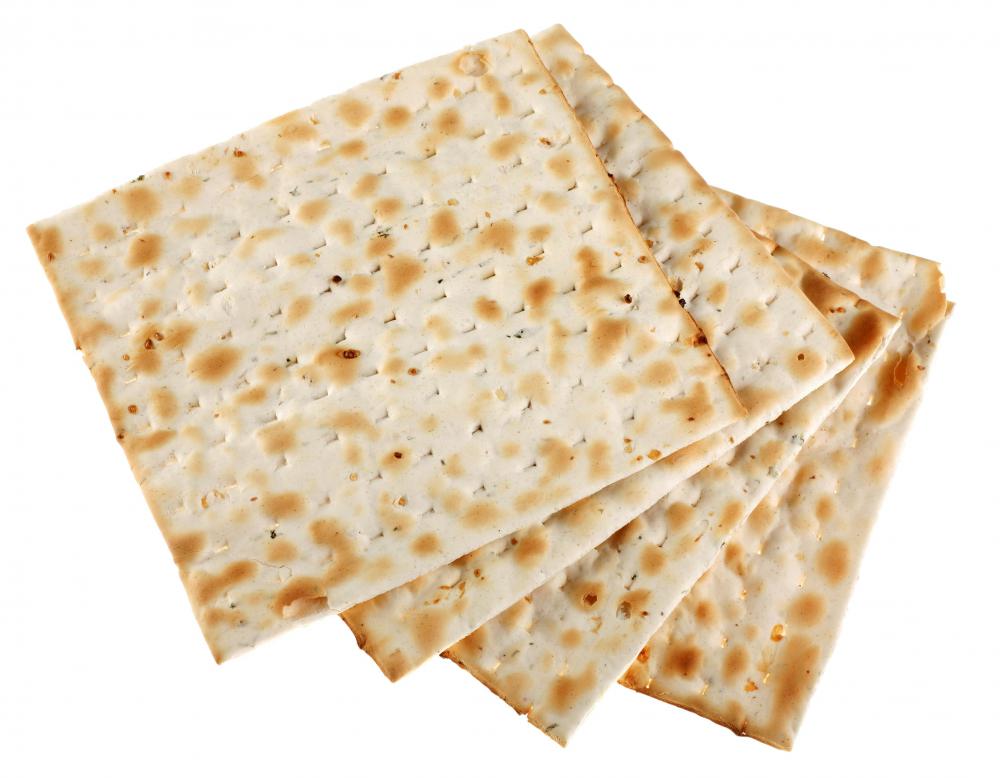
![Matzoh is a kosher food that is traditionally served during Passover.]() By: Leonid NyshkoMatzoh is a kosher food that is traditionally served during Passover.
By: Leonid NyshkoMatzoh is a kosher food that is traditionally served during Passover. -
![Because fish is pareve, lox served with cream cheese is still considered kosher.]() By: PhotoEdBecause fish is pareve, lox served with cream cheese is still considered kosher.
By: PhotoEdBecause fish is pareve, lox served with cream cheese is still considered kosher. -
![A Rabbi must supervise the food-making process before kosher food can be labeled with kashrut certification.]() By: AnykaA Rabbi must supervise the food-making process before kosher food can be labeled with kashrut certification.
By: AnykaA Rabbi must supervise the food-making process before kosher food can be labeled with kashrut certification. -
![According to kosher dietary law, dairy should be kept separate from meat.]() By: lidanteAccording to kosher dietary law, dairy should be kept separate from meat.
By: lidanteAccording to kosher dietary law, dairy should be kept separate from meat. -
![After slaughtering, a kosher chicken must then be soaked in water for 30 minutes, salted for one hour, and then rinsed three times.]() By: BillAfter slaughtering, a kosher chicken must then be soaked in water for 30 minutes, salted for one hour, and then rinsed three times.
By: BillAfter slaughtering, a kosher chicken must then be soaked in water for 30 minutes, salted for one hour, and then rinsed three times. -
![Kosher butchers often offer sausages made from beef, turkey and other meats instead of pork.]() By: aboikisKosher butchers often offer sausages made from beef, turkey and other meats instead of pork.
By: aboikisKosher butchers often offer sausages made from beef, turkey and other meats instead of pork.







Discussion Comments
Our dishwasher says that it's Kosher. It has two separate drawers so one food doesn't contaminate the other.
@anon147: Some pickles are labeled "kosher" because a fee was paid to Rabbi "A" so he would sanction putting a Ⓚ (enclosed capital K) symbol on the label. It doesn't make the pickles any safer to eat or better-tasting than pickles that don't have the Ⓚ mark. You can pay competing Rabbi "B" to sanction putting his Ⓤ (enclosed capital U) mark on the label, but the effect on the quality of the pickles is the same, i.e, zero. Incidentally, Rabbi "A" hates Rabbi "B", because "B" is cutting into the former's beautiful scam.
As a curiosity, my friend has a CSA and is wondering if the proximity of the garden to the road would render the garden unacceptable as kosher even if properly overseen by a rabbi.
There is an extreme level of misunderstanding here. Kosher is not necessarily organic and everything artificial is Kosher, as it was not known and therefore not forbidden by biblical authors.
@anon138410: Salt isn't sweet, it's salty. NaCl is NaCl.
"Pork is a dirty animal it contains lots of bacteria."
All animals (including humans) contain "lots of bacteria". The average human defecates about a billion E. coli per day. You can't live without these bacteria in/on your body. If you prepare your food properly the bacteria aren't an issue.
To the person who got break outs, that is called an allergy.
@109 Kosher salt is not called Kosher because it is kosher (morton's iodized salt is also kosher). Rather, it is called Kosher Salt because that is the salt used to remove the blood from meat after ritually slaughtering it. Removing the salt is part of the "Kosherizing process" for meat.
the biggest iron source you need is in meat and there are different types of iron and particularly one which is only available in meat and if iron meets calcium it disappears. That is why it is bad to mix meat with any dairy product since dairy products provide the most calcium needed. Iron is very important.
Pork is a dirty animal it contains lots of bacteria. I know because I was born a muslim and did eat pork a couple of times and every time i ate it i used to get break outs, so i stopped eating it.
There is always a logic behind the laws of religion, but actually i don't want to call them laws, they are simply advises for a better way of living. Instead of being prejudiced, maybe you can search for the logic behind it, I assure you it always has a scientific benefit to it all.
So what is the reason for jewish people eating this way? I know it was written in the law, but there are many other things in the law that are not observed by many jewish people. I think it is okay to eat like this, but just want to know if it is practiced because of morals, or just to be healthy? This may be a totally stupid question, but in the law, animals were to be sacrificed for sins. Is that still practiced?
I think that Jews should be praised for their sheer dedication. I'm sure that i would not be able to give up pork for my religion. thanks.
i thank that whoever feels they should practice this should go by it by all means. if the Jewish feel that they must do this then do it. that's like saying that a African American saying that Americans should not eat fried chicken, and should stick to oven baked chicken.
@61: The Kosher laws are also considered purity standards.
I suspect, (I don't know), that the purity standards of true German Beers would make them Kosher.
Now as to salt, pour a tiny bit of Kosher salt on your palm, and lick it. Then do the same with a bit of iodized Morton. The iodized, (doctored, altered, whatever you want to call the change), salt is very noticeably more bitter than the Kosher.
We do all our cooking with kosher salt, not for religious reasons, (I'm actually Mormon), but because the taste is so much sweeter. In your service.
The orthodox Jews have very beautiful complexions like porcelain. The women age very well. (I live in Boro Park, Brooklyn). Is this attributed to kosher eating?
Some stated that pigs are the one of the cleanest animals, which is true on the outside. On the inside a pig can digest anything, so they eat anything and even for survival they will eat each other! So I do understand why they say they are considered "not pure".
Even in the bible the demons asked to be transferred to the pigs so I guess you can say to the pig because they won't throw them up. LOL.
I'm for real, though. I forgot what verse it is, but however the pigs did die in the water and pigs are known to be very good swimmers. Message: you can still be good at something but never succeed it it because what you having going on internally can stop you! Get the impurity now?
I'm non denominational, however I respect it. Some is way too much but to each their own.
@anon122753: I can see your problem. You never know what might be considered kosher and what isn't. If you're not Jewish and they asked you to bring a dish, my first guess is that they don't keep strict Kosher. However, some of their friends and family might, so I suggest you bring a nice fruit or vegetable tray. That's almost always a pretty safe bet, and if you keep the dip in bowl separate from the actual tray, you should be good to go. Use party toothpicks to pick up the fruit. That's about as safe as you can be, and almost everyone likes fruit.
My family is going to our first Bar Mitzvah. My son's friend invited us to his Bar Mitzvah. It's our first. We were asked to bring a dish. I am confused on what not to bring and what can I bring.
Also, all these rules - we are totally confused. How do we act at the dinner? Can we put meat beside a cheese cube? Do we have to use a different utensil for each different dish we eat? We want to go to support his friend, but we don't want to offend anyone. Please help.
to anon20292: That's not true. First of all, if you are born jewish you keep kosher. you were raised that way and it's what you do. Second, i know of people who are actually embarrassed they keep kosher because they think people will think of them differently.
Law is: As long as the Jew turns on the fire, the food is considered bishul yisroel!
I am a religious jew from israel and i think that kosher food should be preferred from kosher cooks only.
well, first of all, jewish or christian or whatever, following these dietary rules would totally eliminate obesity and and all the cancer ridden people in our society. i mean every other person has cancer, diabetes, or some other crap illness. And then we wonder where it came from: processed food and meat filled with hormones and chemicals. i mean, nowadays, a chicken grows in like a week. that's not normal, and i really do buy organic meats, because think of what you are consuming. If all that animal ever ate was chemical feed and hormones, gross.
I'm not religious but I do respect these guys if they want to adhere to such strict standards where food is concerned.
Personally, I couldn't be bothered. I think life is too short and I'm much too busy to be washing dishes out of five different containers!
As for pork, I've been eating it since I was a kid and I have never been sick from it. As with any other meat, you just have to make sure that it's clean meat, prepared properly and eaten in good time. People talk about pork but you get salmonella from chicken, turkey and eggs!
I just think the whole belief is not "kosher". Too much interpretation and guesswork for my liking. I mean seriously, I'll pay $10 for a chicken and they pay like $30, for what? A way to show yes we have more money than everyone else. If it's about religion, God loves everyone, doesn't matter what you eat.
I am a Christian who does follows Gods food laws, not Rabbinic food laws, and these are the real standards for humans. Listening to some self righteous modern day Pharisee (as one commentator suggested) is against God's law anyway. It drives me nuts to hear people say that it has to be "blessed" by a rabbi to be true to the dietary laws. That's a load if I ever heard one - as I said, I follow the food laws but I don't buy kosher because it's about not eating certain things, that's all!
There is no need to be vegan (God condemns vegetarianism, so that's not the answer if you are religious!) you just have to avoid dirty foods like pork, shellfish etc. The reason God rendered these as unclean is because it is bad for you! Pork is the dirtiest food on earth. Pigs will eat anything (think of how the community felt when they found out the local pig farmer fed dead bodies to his pigs to cover up the murders - pigs are vile creatures) every animal on the unclean list is just that! They are either predators (blood carries diseases from one animal to the other, to your food), or garbage eaters (shellfish are the vacuum cleaners of the sea). God is not dumb, He knows why He banned these animals!
i think kosher is a bunch of crap. just make it simple: don't eat meat. Then we all don't have to rely on animals to feed on and lower pollution and use all the farms for growing fruits and vegetables. we will get less disease. have less health problems -- way way less -- therefore, saving money.
the other thing i would like to add is that it's about time we start lowering the amount of kids people can have because the world population will double in the 2030's. If we don't i can bet we all won't have enough animals to rely on.
And that, my friends means we will all have to go vegan. One way or another, you'll all see!
Its a well known scientific fact that pork, for example takes the human body about three hours to digest, resulting in high energy levels and then leaving one tired and lethargic, where beef takes about 18 hours to digest and the energy levels are regulated and controlled. So kosher is good and I am not Jewish.
I too am in favor of minimal pain for animals during their necessary slaughter. Unfortunately, Kosher slaughter is anything but this. Animals are usually stunned prior to cutting their throats to render the animal unconscious until it bleeds out.
Kosher slaughter does not allow this and rules that the animal's throat be cut without prior stunning. Look up RSPCA and Kosher slaughter to make up your own mind.
I wonder what the poor animals would say about these mostly arrogant comments. Our tooth structure and intestines display that we are for the most part designed for a whole foods plant based diet. And how can a rabbi in his right mind bless junk like chemicals and refined sugars. God help us.
Nowhere in Torah are we enjoined to "listen to rabbis". That is a talmudic twisting of scripture to serve the agenda of the rabbis who claim their "oral torah" takes precedence over the written Torah given by Hashem.
Rabbis did not even exist at the time the Torah was given on Mt. Sinai. Most modern day halachic laws are merely the commandments of men, they do not equate to following truly Torah based dietary laws. If you want to truly keep the biblical dietary laws then follow what the Torah says, not what some self important modern day Pharisee commands you to eat.
What is wrong with you people? Have we not advanced enough yet to see how unnecessarily cruel we are being to animals and the planet? There is no need to eat any animal products, not in this day and age! Go vegan!
in response to separate dishes, the reason they use separate dishes is not to prevent contamination, it's because once you cook with a pot, the pot becomes either dairy or meat since the food seeps into the walls of the pot.
Since they can't mix dairy and meat or cook dairy and meat together, they use separate dishes. also kosher does not equal healthy. these aren't rules on how to eat healthy, there are spiritual backings on these laws.
i don't really do kosher, as i'm a Christian, but the idea sounds good, although some rules sound a bit over the top.
Does all of this mean if I truly love pork chops, I am going to hell?
Has anyone eaten chimichangas kosher?
I used to work for an export company that sold Kosher products, a big business. You have to pay to get the kosher label and a rabbi has to be present on production. The rabbis in Europe and States are not very friendly with each other. Nothing to do with religious creeds, only with money at the end.
in response to anon54282: Pigs are not that clean, why do you think there is no pig milk on the market as opposed to goat and cow milk? It's not because pigs don't produce enough milk but because it has worms in it.
I don't want a container in my house that has a religious symbol on it. I object to religion being forced on me, however subliminal it is. I wouldn't buy a carton of soy milk with a cross on it.
If the label says organic, fine, it applies to everyone but K or pareve is intended just for a person of the jewish faith. Kosher might have had some value once, but it was flawed from the beginning.
Now that people know more about animals and the world, you have to wonder why these jewish labels are forced on everyone.
Pigs, shellfish, and other non-kosher meats are labeled "unclean" not because ancient Israeli Jews thought they were dirty, but because they violated the Jewish laws against "mixing kinds." Jews believed God had made everything according to certain categories, and any animals that fell outside those categories were considered impure and should not be touched or eaten.
For example, they believed that animals that had cloven hooves should also chew their cud, so animals that had cloven feet but did not chew cud (e.g. pigs) were considered impure. Also, they believed animals that came from the water should have fins and scales, so anything that came from the water but did not have fins and scales (e.g. shellfish) were impure.
People get confused about this because of a slight mistranslation of Leviticus's original Hebrew. The original word used to describe these animals would have been better translated as "impure" instead of "unclean."
I've studied the Bible way too much. >.<
sounds like picky eaters to me.
Just so you know, pigs have been scientifically proven are probably one of the most clean animals in the world.
It is the fact that they have no sweat glands that they have to roll in mud to cool off.
And also, the farmer is partially responsible for keeping the pigs in the dirtiest part of the farm.
I don't really like ham or pork meat of any kind.
Whatever I have said, it is nothing personal against jews or muslims. It is just a scientific fact. That's all.
Go to supermarket and check how many products has little symbols like "U" or "K" you be surprised. " Try "kosher" and non kosher" salt and see if you can tell the difference. This is just another racket. Guess who gets money for "kosher" certification? Don't buy it. don't pay "kosher tax"
I am not Jewish--I am Catholic--but I can't believe the amount of pure stupidity exhibited by some of these comments against kosher food. Any system that treats animals in accordance with their nature and which prohibits eating unclean animals is a good, intelligent system. "These laws made sense before people knew about science?" What on earth has science done to better the health of animals and thus making kosher food pointless?
Kosher is not synonymous with "healthy." That is kosher food is not necessarily healthy food.
kosher salt is salt not ground up as finely as ordinary table salt. It is used in preparing kiosher meat.
p.s.: all salt, and all things naturally occurring are kosher, like fruits, veggies, etc.
if a product says it is kosher, does it mean that it is gluten free as well? thank you
great website.
Worry not so much as what you put into your mouth, but rather what comes out!
James Chapter 3
Can someone please tell me what is kosher salt?
Have a look through a microscope. Drinking water for instance. it is possible to strive to eat kosher, impossible to execute. No matter what. A mental habit.
To "loved1" - you have probably found some web sites by now, but other resources are at the local temple. You could ask the Rabbi, or almost anyone who is heavily involved with the temple. A member of the Sisterhood should also be helpful. On the other hand, why not ask the people for whom you are cooking? They probably know you're not Jewish, and the laws of kashrut are interpreted so differently by different people. Ask them what rules they follow.
To "tammy123" - Yogurt, being an animal product, would have to be certified to be kosher. Sugar and berries, on the other hand, as plants, are automatically kosher. However, if someone keeps strict kosher, the fruit will have to be examined and washed (first in salted, then unsalted water) before eating since it may be contaminated by bugs or even bird droppings, etc.
Religion sucks! But Kosher makes sense. Did you know that swine/pig/boar and humans can easily transmit diseases and virus to each other. Yep, we can sicken a pig and vice versa. That is why I like the idea of Kosher abattoirs. No chance of any piggy germs or blood coming in contact with my meats.
hello i am starting a new job cooking for a Jewish family, but i have done some studies on how kosher works, but don't quite understand it. i don't really understand how to prepare their meals and how to serve them. i don't want to disrespect them but i am afraid to make a mistake, can someone help me or at least point me to the right website.
please help me!
What is the difference in the front and back of beef in kosher eating?
Entomophagy is the practice of eating insects. In Leviticus 11:22, according to the King James translation, it was written: "Even these of them you may eat; the locust after his kind, and the bald locust after his kind, and the beetle after his kind, and the grasshopper after his kind." This may sound like a very odd albeit I believe potentially pertinent question, but does this make locusts, grasshoppers, crickets, etc "kosher" as in legitimate to eat under G-d's word or does the translation simply refer and recognize in an anthropological as opposed to a religious sense that certain insects, such as the locust as a food source in former times? After all it is plentiful in protein and calcium. I'm hopeful my question is clear enough to warrant a response. Thank you for any feedback.
Can eggs and chicken be served together?
I have been working in a Jewish home for 9 years, and I an very sad that such unhealthy things as soda and other chemical laden, processed "food" are actually labeled Kosher. It is mind-buggling that a Rabbi has to be present during the preparation if these foods, and that this Rabbi is actually allowing the food to be treated in such unnatural ways. I am convinced that God would have prohibited the use of chemicals in the original kosher laws. I guess the contemporary rule is "if it was not prohibited, then it's OK" Don't trust the food just because it says "Kosher" or "organic"; read the label and trust your conscience because that is God speaking directly to you. -chemical-free
I must say, washing utensils used for different things in separate bins, as well as drying them on different racks is plain silly. Obviously they are worried about contamination which would give the impression that the items were not washed clean to begin with.
Kosher is an interesting idea but some of the practices do not make sense. Kosher ideals frequently conflict with each other as many people have mentioned here. The only thing Kosher has over organic is ethical treatment of animals, all other conflicts between the two (like only eating the front have of a cow) is plain wasteful and unintelligent.
What makes a pickle kosher? Pickles are made by boiling cucumbers in salt. To be kosher *style* there has to be garlic too. "Sometimes, the brine is emulsified with polysorbates, which are made from animal fat." For commercially made pickles to be considered kosher a rabbi has to inspect and bless the pickling facility and conduct periodic inspections. www_wisegeek_com/what-makes-a-pickle-kosher_htm
Ingredients in an online kosher (style?) pickle recipe
* 9 oz water
* 5 oz. white vinegar
* 1/4 tsp sugar
* 2 dill heads and stems or equivalent
* 1 large clove garlic
* 1 onion (about the size of a golf ball)
* 1 tbsp Kosher salt
Kosher food is organic and humane. The animal only eating what it would normally eat if it was wild and not experiencing pain or suffering in any way from being domesticated, even the act of killing it has to without suffering. Any domesticated animal; pets, guards, workers, is to be treated with respect and consideration.
Aside from treating food animals humanely, when they are in pain or fear or diseased their body makes chemicals. Would you want to eat pain, fear or disease?
"Some Jews eat food that is not kosher." Many people negotiate with their beliefs.
'This does not make sense.' I see something like that written here several times. Religious rules do not have to be logical and are often confusing or contradictory.
Intentions and making a sincere effort to abide by your beliefs and laws are what matters. Life is not perfect, clean and unclean mix and blend despite our best efforts. Who can stop the tiniest bit of unclean from floating in on a breeze or with the water, who can even see such a thing if is is so small? Everything mixes with everything else to some degree. Making a sincere effort to be kosher and keeping your intentions kosher is where the line has to be drawn.
Kosher is just food, but clean, fit and appropriate apply to your thoughts, feelings, actions and the consequences of your actions. Keep your goals and intentions fresh and focused in your mind and soul to stay on the right path.
No there is no pork that is kosher. Pork is not allowed. Pickles are labeled Kosher because that is a Brand Name of Pickles. Basically "Kosher" is a company that makes the pickles.
I really don't know much about kosher. But I think it would be hard to give up pork.
In response to anon20292, The knives that were used in those videos were not the same that we Jews use. The strict guidelines require that the animal is killed by a single cut across the throat to a precise depth, severing both carotid arteries, both jugular veins, both vagus nerves, the trachea and the esophagus, no higher than the epiglottis and no lower than where cilia begin inside the trachea, causing the animal to bleed to death; This ensures the animal dies instantly without unnecessary suffering.
The knife used is extremely long and sharp, and is checked every time before and after use for nicks or anything that would tear the meat (rather then slitting it), which would cause pain. If I remember correctly, a lot of the time the animal is rendered unconscious by this if they don't die immediately. We also don't hoist them up in the air like most US butchers do, since that would cause pain and fear.
Judaism has always treated animals well, since we are commanded by G-d to take care of the Earth and its creatures.
I had many of the same questions on kosher and organic foods... humane and organic- Organic foods are not the same as kosher foods. Organic foods are raised without animal by-products, hormones, antibiotics,etc. Organic produce has no chemical pesticides or growth additives and are not genetically modified.
From reading the blogs, articles, etc.. I have gleamed that kosher foods cannot be given antibiotics, hormones and cannot be fed animal by-products. The animal must be slaughtered by kosher law which seems more 'humane' in poultry as the birds neck appears to be wrung before its throat is cut. Cows I have some questions on- I have seen PETA videos that show a kosher butcher gone bad (in a sense)...but the 'stunning' of an animal in conventional slaughter houses does not always stun the animal before it is strung up and sent on the slaughter line.
I do like the fact that the animals (in an organic and humane sense) must be disease free. Kosher meats are produced in smaller batches than conventional non-kosher meats due to the labor intensiveness in making the meat kosher- removal of blood, veins, etc. If one is really looking at what type of meats to buy- look for ones that are certified kosher and organic- one can find these specialty markets on the web.
As far as what pigs eat- pigs are actually one of the cleanest animals- when placed in small stys the animal is given the bad wrap- like some rodents, pigs will keep *one* area of their living space for their waste disposal. Pigs are omnivores like humans. Chickens will peck eachother, but it is uncommon that they will eat eachother unless the animal is overcrowded and without enough food. (Chickens will also 'eat' eggs if they have been given eggshell in their food).
Pork nowadays is free from most disease in high grade meat packing. All food has some sort of food borne pest and disease that must be watched for.
If you really want to know what you are eating- go to a local farm and see how the animals are cared for. It's better for the earth and national economy- meat is often butchered locally (within a short drive from the farm) and the meat is not brought in from overseas or other countries which do not have the higher standards of the USDA. (Look in your meat cases at your local market- beef from Canada- where mad cow disease has been found- no offense to Canadian beef growers).
As almost 70% or greater products on grocery store shelves show some marking of kosher certification one does not keep kosher to appear more enlightened or better than those who don't. Pepsi and Coke have markings as do most cookies, crackers and processed foods.
Eat local or go meatless if one is really worried about what your food is going through.
BTW first time poster who has had many of the same questions that came up here. I have also seen many Jewish individuals who do not keep kosher - they eat shrimp and lobster.
i'm studying Kosher at the moment and I have to take something in to the class, whats easy to take and able to be eaten at the lesson. (e.g not meat) lol. got any ideas??
please help. thx
Gelatin is not kosher, as it may contain collagen derivatives from several different animals.
Is jelly kosher?
what's the difference between kosher and organic foods? aren't they the same?
Prawns and pigs eat feces and the Jewish are God's people... God is always right. Kashrut is God's word, is it not? And eating kosher is not a family tradition. It's a way of life.
Religious practices like this made sense. 2000 years ago when no one understood anything about science. So in conclusion lets not even begin to have a conversation where a discussion of religious activities involves a phrase like "That comment of yours is very prejudiced and has no place in an area where rationality is to be considered." Since there is nothing rational about thinking something is true just because it is a family tradition to do so. My family believes in Santa Claus that doesn't mean its rational. Lol
I am just a person studying kosher for what it is, and I know that it is a good way of life. As I read anon 20292's comment, I am rather shocked... Kosher food is better than normal food. Do you know what Prawns and Pigs eat?
kosher pickles, regardless to terminology, mean that there is garlic in the pickling juice.
anon20292, you are wrong. Many foods made in America are Kosher made, simply because the dietary practice is VERY sanitary. That comment of yours is very prejudice and has no place in an area where rationality is to be considered.
Iam a Hindu from India and a strict Vegetarian. Lucky for us, we don't have any rules as such for our diet. so..no problems at all !!
OK idk if all the anons are the same person, but either way, im surprised by the amount of knowledge you have about Kashrut (Kosher laws). To answer some of your questions, kosher animals are slaughtered as painlessly as possible, they are not given any hormones, preservatives, etc. There is no such thing as kosher pork, not all tuna is kosher, but the law with kosher fish is that it must have scales and fins and the when the scales are pealed, the skin under it must not tear. I don't think that i answered all of your questions but if you have anymore, please ask.
I'm a Christian who happens to have a lot of compassion for animals. I'm no animal rights activist, and God does give us animals to eat...but I am really disgusted by the way animals are being treated in factory farms, and have become vegetarian because of it. But someone told me I should eat kosher meat because they treat their animals better. But apparently they slit their throats without stunning them first? Is this really painless? How can I be sure they really do it that quickly and correctly? I've seen videos of animals getting their throats slit and writhing and crying in pain for a long time afterward. How do I know this is not going on at kosher farms? After all it is very hard to treat each animal properly when you have so many to kill in such a small time. Also, are animals crammed in small cages and crates at kosher farms?
In Islam the same concept is present with "Halal" food. That's why as a Muslim I feel more comfortable eating in a Jewish restaurant ...
no according to the Jewish law and Christian law in the old testament in the book of Leviticus it says that the swine (pigs) does not chew the cud. its flesh is un-clean and you should not eat the flesh or or touch its carcass because it is un-clean. pigs carry round worm, hook worm and the most dangerous tape worm.
The pig is the best scavenger known to man. It can eat almost anything, even feces. I can't stand to look at it, let alone smell it! It is the most filthiest, bacteria-laden, worm-infested creature I know.
I think many people eat kosher food just because it separates them from the majority of people, which makes them feel special, which I think is the reason why they chose to be kosher in the first place - to feel special and be in everybody's face about it, like everybody who isn't kosher is not as sophisticated as they are. I think being kosher is stupid unless you are really into Judaism. Other then being a part of religion Kashrut is pointless.
Have allergy to hormones, antibiotics, preservatives. Does kosher meat have these things in them?
Is gelatin considered to be Kosher or non Kosher?
Tammy123 - All foods that come from the earth, like fruits and vegetables are kosher. Animal and animal products (like yogurt) must be produced in adherence to kashrut (kosher dietary laws).
pickles are labeled kosher if they are prepared in the presence of a rabbi
lol, anon147 you think pickles being labeled is a weird thing, if you go to Israel the glue on the back of postage stamps is Certified Kosher!
is plain yogurt, sugar, strawberries, raspberries, blackberries, blueberries something jewish people can eat?
why is kosher food only jewish??
To the one who asked about the humane treatment of animals: Yes. The prohibition of 'tzaar baalei chayim' does not allow cruel or inhumane treatment of animals whether kosher or non-kosher. I'm not sure if the prohibition is biblical or rabbinic though.
Does Kosher law give instruction for the humane treatment of food animals?
Regarding the post on 24 june 2007:
"The rule about fish and meat together has nothing to do with kashrut, but was a recommendation by some ancient rabbis."
Actually, this is not entirely true. It IS from the Rabbis however, that there is an obligation in the Torah to listen to the Rabbis and therefore, if one doesn't listen to the Rabbis, he is inherently not listening to the Torah.
what is the difference between kosher and organic and can kosher foods be both?
Did you know some varies of "tuna" are skin fish - no scales.
What about chicken is Kosher - they don't fly - they "hop". They eat each other - dead or alive also.
The rule about fish and meat together has nothing to do with kashrut, but was a recommendation by some ancient rabbis. Fish and meat are usually not eaten together, because they are two different options for the main part of the meal. It is not a steadfast rule.
Since eating pork is not condoned by Jewish tradition, there is no such thing as kosher pork. On the other hand, many of my favorite pork products come in turkey versions (hot dogs, bacon, sausage), which may be kosher.
Is there ANY pork that is kosher??
Why are pickles labeled kosher?
Post your comments