
At DelightedCooking, we're committed to delivering accurate, trustworthy information. Our expert-authored content is rigorously fact-checked and sourced from credible authorities. Discover how we uphold the highest standards in providing you with reliable knowledge.
What is Kasha?
 Mary McMahon
Mary McMahon
Mary McMahon
Kasha is a type of a porridge made from hulled and crushed grains. In some parts of the world, it is made from buckwheat specifically, while in other nations it may include a mixture of grains. Grain porridges are a very ancient food, and they constituted an important part of the human diet for many earlier civilizations. Many modern humans enjoy kasha and similar porridges, especially at breakfast.
The word itself means “porridge” in Russian, and numerous Eastern European nations have variations on it, like Polish kasza, Ukrainian kawa, and Slovenian kaša. Archaeological evidence suggests that humans in these areas have been cultivating and eating grains for thousands of years, and porridges like kasha may have laid the groundwork for bread. Porridge certainly runs the gamut from boring gruel to interesting and filling main dish, and it leaves a great deal of room for experimentation by the cook.

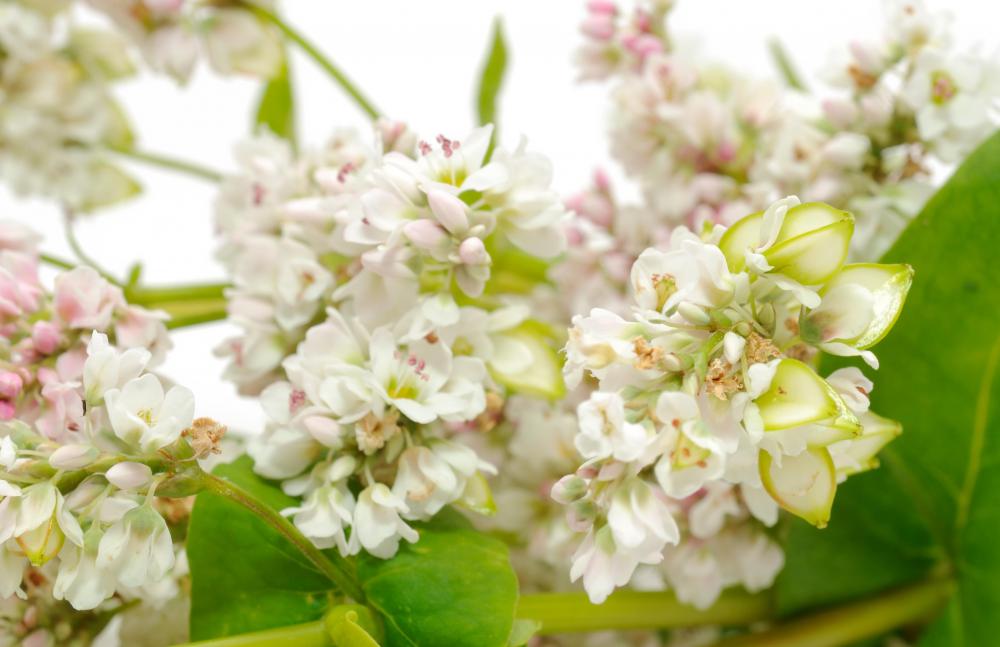
Buckwheat kasha is made from toasted buckwheat groats. Groats are produced by hulling a grain and crushing it, but not grinding or cracking it into smaller particles. Buckwheat has a rich, nutty flavor that is brought out through toasting, and buckwheat kasha can be enjoyable plain, although it may also be mixed with milk, salt, sugar, or other ingredients. Depending on the ingredients it is blended with, it can be a sweet or savory dish, and it may be topped with fruit, vegetables, or even meats.

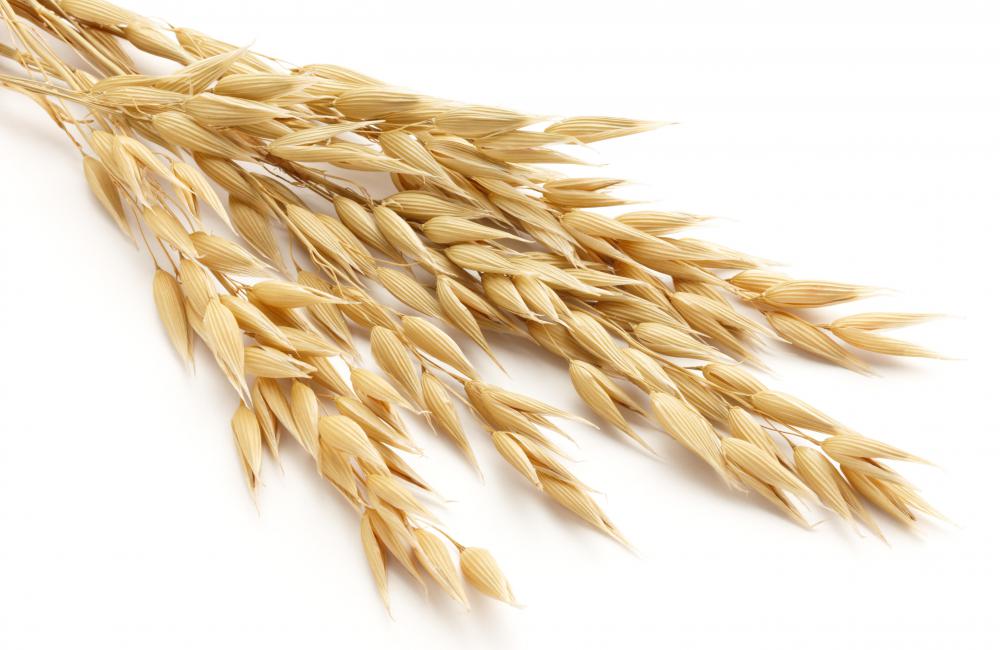
Other grains, including millet, rye, wheat, oats, or even rice, can be used to make kasha. These grains may be used plain, or eaten in a blend which mingles the best of the flavors from these grains. Since whole grains are used, the porridge is a great nutritional choice, rich in vitamins and minerals. Poor Eastern Europeans often consumed a diet with a lot of kasha in it for this very reason, since it supplied their basic nutritional needs. It is also sometimes used as a filling in traditional foods like knish.

Recipes for kasha vary, depending on the grains and flavorings used. Essentially, the grains are boiled with water or milk until they soften. Kasha may be liquid, in which case it is eaten like a creamy porridge, or it may be more viscous, almost like polenta. In other cases, it is made in a way that makes it light and crumbly. Heavy cookware is usually used, to prevent it burning while cooking.
Mary McMahon
Ever since she began contributing to the site several years ago, Mary has embraced the exciting challenge of being a DelightedCooking researcher and writer. Mary has a liberal arts degree from Goddard College and spends her free time reading, cooking, and exploring the great outdoors.
Learn more...
Mary McMahon
Ever since she began contributing to the site several years ago, Mary has embraced the exciting challenge of being a DelightedCooking researcher and writer. Mary has a liberal arts degree from Goddard College and spends her free time reading, cooking, and exploring the great outdoors.
Learn more...AS FEATURED ON:
AS FEATURED ON:


-
![.]() By: marilyn barbone.
By: marilyn barbone. -
![Eastern European kasha is made from buckwheat.]() By: VidadyEastern European kasha is made from buckwheat.
By: VidadyEastern European kasha is made from buckwheat. -
![Oats can be an ingredient when making kasha.]() By: OkeaOats can be an ingredient when making kasha.
By: OkeaOats can be an ingredient when making kasha.

Discussion Comments
If I grow my own buckwheat, how difficult is it to remove the "inedible hull"?
jonigeorge--you should be able to find kasha in any supermarket in the ethnic foods section. esp where they have jewish foods--matzah and matzo meal, matzo ball soup mixes, anything "manischewitz" brand--the kasha should be there. good luck!
Buy buckwheat groats, soak them overnight, then toast them in a frying pan. This is Kasha.
Just find some buckwheat. It will be pale and oddly-shaped grains. I'm on here trying to find out how to roast it in the oven, turning it into kasha, but in the past have always just dumped it into a well-seasoned iron pan and toasted it over medium heat on top of the stove, stirring pretty often, until it's reddish-brown, not too dark, and fragrant. Then you can measure out what you need an use that, cool the rest and store it in a jar. --StarryLou
I have a recipe that calls for Kasha. I can't find such a thing in the markets. Is Quinoa the same? What can I use as a substitute?
Post your comments