
At TheHealthBoard, we're committed to delivering accurate, trustworthy information. Our expert-authored content is rigorously fact-checked and sourced from credible authorities. Discover how we uphold the highest standards in providing you with reliable knowledge.
What is Internal Resorption?
Internal resorption is a tooth-related disease. When this happens, the pupil walls and dentin actually start to reabsorb back into the affected tooth. If there is an injury or trauma to a tooth and the underlining nerve becomes irritated, the root may start to eat away at the outer lining of the tooth. This occurs from the inside of the root system, so the damage from internal resorption may not be noticed for several years. An X-ray is needed to properly diagnose this dental condition.
When resorption occurs, the periodontal ligament no longer works to protect the outer lining of the tooth. Instead of functioning normally, it attacks the site of the trauma. A trauma can be defined as a hole in a tooth or a natural decaying of the tooth’s surface. The perfect scenario for internal resorption is a split or crack in a tooth that surrounds an exposed metal filing. After a period, the nerve will become exposed and the dentist will be able to pinpoint the origin of the resorption.

It is sometimes difficult to diagnose this condition because it begins inside of the pulp chamber of the tooth. Typically, the only symptom is soreness and pain at the site of the trauma. Another sign of internal resorption is inflamed gums, sore roots, and sore bones surrounding the tooth. Because these symptoms go along with many other types of tooth-related conditions, it may be virtually impossible to identify the problem. If the lesion in the pulp chamber is too small to see, it may not be identified until there is considerable damage done to the tooth.

Fortunately, if the damage is identified quickly, the tooth can be restored with a root canal procedure. During this process, the root system and the pulp chamber are completely removed. This process can also eradicate any pain or discomfort relating to internal resorption and the tooth will then be cleaned and sealed. If the seal has been penetrated, however, a bacterial infection can also do further damage to the tooth.

It is imperative to diagnose a resorption immediately to save the tooth. In some cases, the amount of damage is too severe to fix. If there is no chance to save the tooth, it will have to be completely extracted. Internal resorption does not have an effect on any surrounding teeth.
AS FEATURED ON:
AS FEATURED ON:


-
![Soreness and pain are generally the only symptoms of internal resorption.]() By: Photographee.euSoreness and pain are generally the only symptoms of internal resorption.
By: Photographee.euSoreness and pain are generally the only symptoms of internal resorption. -
![Dental X-rays are used to diagnosed internal resorption.]() By: Vojtech VlkDental X-rays are used to diagnosed internal resorption.
By: Vojtech VlkDental X-rays are used to diagnosed internal resorption. -
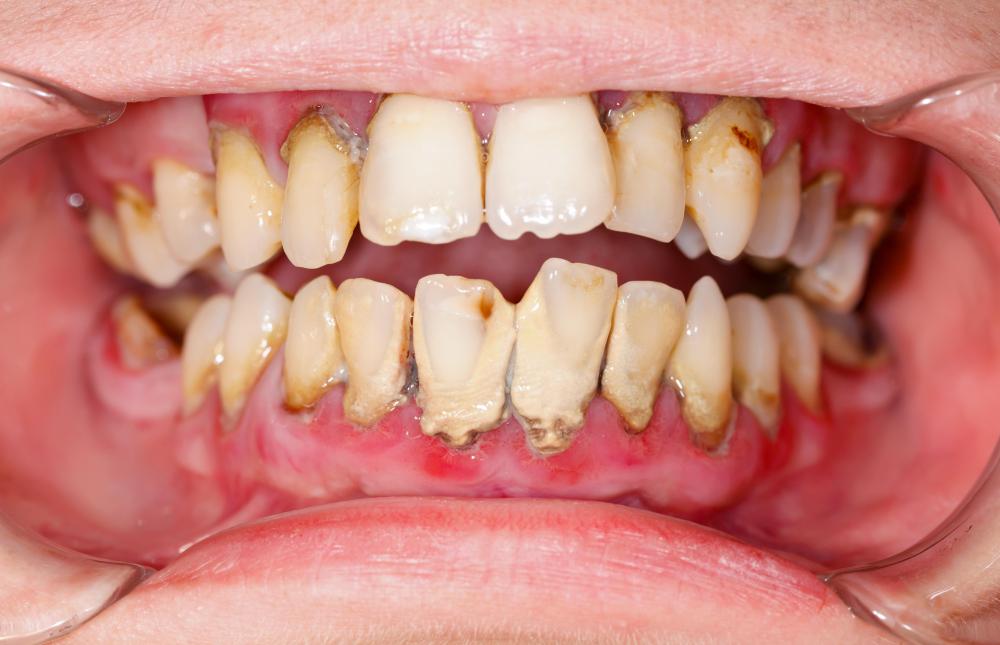
![Inflamed gums and sore roots are signs or internal resorption.]() By: Igor MojzesInflamed gums and sore roots are signs or internal resorption.
By: Igor MojzesInflamed gums and sore roots are signs or internal resorption. -
![If an internal resorption is identified early, a root canal procedure can restore the tooth.]() By: Valeriy VelikovIf an internal resorption is identified early, a root canal procedure can restore the tooth.
By: Valeriy VelikovIf an internal resorption is identified early, a root canal procedure can restore the tooth. -
![Decaying of the tooth's surface may be a cause of internal resorption.]() By: Sandor KacsoDecaying of the tooth's surface may be a cause of internal resorption.
By: Sandor KacsoDecaying of the tooth's surface may be a cause of internal resorption. -
![Regular dental exams may help reduce the occurrence of tooth decay.]() By: SLDigiRegular dental exams may help reduce the occurrence of tooth decay.
By: SLDigiRegular dental exams may help reduce the occurrence of tooth decay. -
![Damage caused by internal resorption may not be noticed for several years.]() By: HalfpointDamage caused by internal resorption may not be noticed for several years.
By: HalfpointDamage caused by internal resorption may not be noticed for several years. -
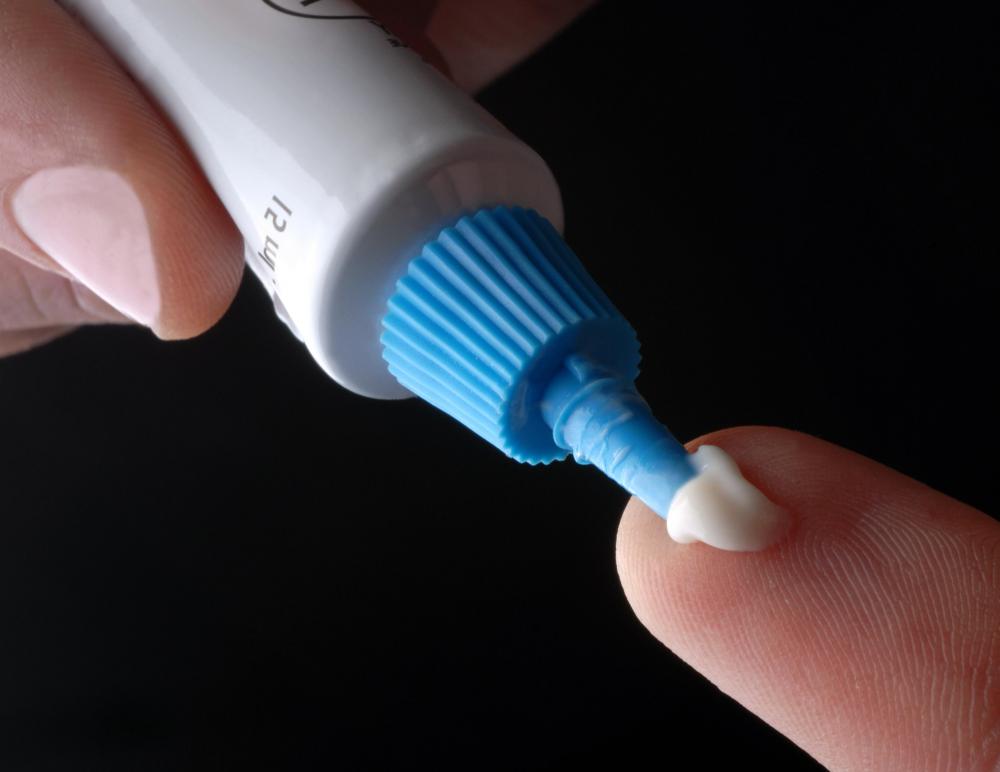
![Numbing cream can be used to temporarily soothe sore gums caused by internal resorption.]() By: Richard VillalonNumbing cream can be used to temporarily soothe sore gums caused by internal resorption.
By: Richard VillalonNumbing cream can be used to temporarily soothe sore gums caused by internal resorption. -
![Internal resorption is a tooth-related disease.]() By: chalabalaInternal resorption is a tooth-related disease.
By: chalabalaInternal resorption is a tooth-related disease.






Discussion Comments
This is an excellent article. One of the issues with Internal Resorption is that for many of those affected, the cause is actually unknown - it cannot be tied to an specific injury or traumatic incident. This has become so prevalent that the Internal Resorption Research Project has been created to anonymously collect data from these individuals to determine if there are any common threads or trends that may help determine the cause.
Post your comments