
At SmartCapitalMind, we're committed to delivering accurate, trustworthy information. Our expert-authored content is rigorously fact-checked and sourced from credible authorities. Discover how we uphold the highest standards in providing you with reliable knowledge.
What is Integrated Waste Management?
Integrated waste management is a system of waste disposal that includes separating materials according to type, and finding the best used for discarded products, which may or may not include depositing them in a landfill. In California, as one example, the goal of the state's waste management program is to find alternative destinations for at least half of the waste collected. These alternatives will include recycling some materials through an approved program, and reusing some materials as well.
An integrated waste management program will not only handle household waste, but many other types of wastes as well. Special routes may specifically pick up industrial waste, which may have different requirements as far as treatment and disposal is concerned. Medical waste, also known as biohazardous material, will also be picked up in a special way. This helps to protect workers, as well as to reduce pollution and meet certain environmental standards outlined by the Environmental Protection Agency (EPA).

In most cases, the system will largely depend on the consumers themselves to separate the waste. Those not doing so may be subject to civil or minor criminal penalties. The city or county involved in the program will usually provide the designated receptacles, or at least inform residents where those receptacles can be bought. At that point, it is up to the resident to make sure things are in the proper location. In most cases, participation in the program is mandatory.

Once the waste is at the proper location, workers trained to handle each particular type of material will then further sort it, and perhaps begin the recycling process. After the waste is sorted, if it is not recycled on site, it may be transported to a recycling plant or go to a transfer facility. This facility will act as a clearinghouse for waste materials, and will be a busy point in the waste management system.

The benefits of an integrated system are that those picking up the materials should know what they are picking up, if the consumer is in compliance with the rules. This not only helps sort things so that all discarded materials are not going to the landfill, it also helps keep the workers safe. Communities that do not have this system may find that everything is discarded into the same trash bags, including biohazardous materials. Furthermore, the pre-sorting of many materials makes the entire process easier and more efficient.
AS FEATURED ON:
AS FEATURED ON:









-
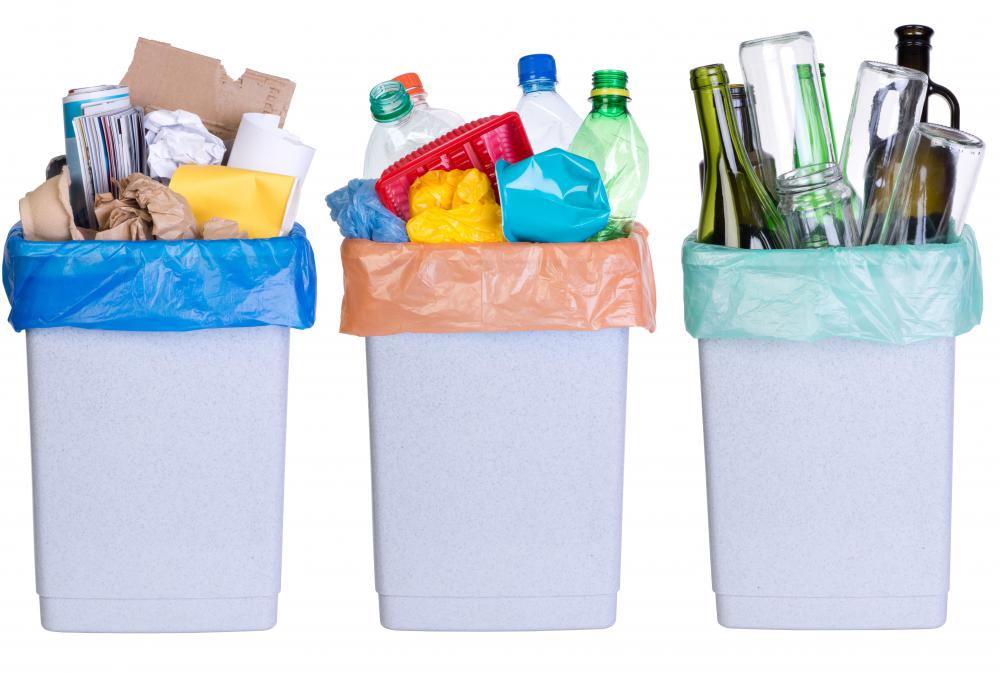
![Recyclable materials are separated by type into specific containers for integrated waste management.]() By: photkaRecyclable materials are separated by type into specific containers for integrated waste management.
By: photkaRecyclable materials are separated by type into specific containers for integrated waste management. -
![Medical waste must be disposed of in the proper container to prevent contamination and injury.]() By: Keith FrithMedical waste must be disposed of in the proper container to prevent contamination and injury.
By: Keith FrithMedical waste must be disposed of in the proper container to prevent contamination and injury. -
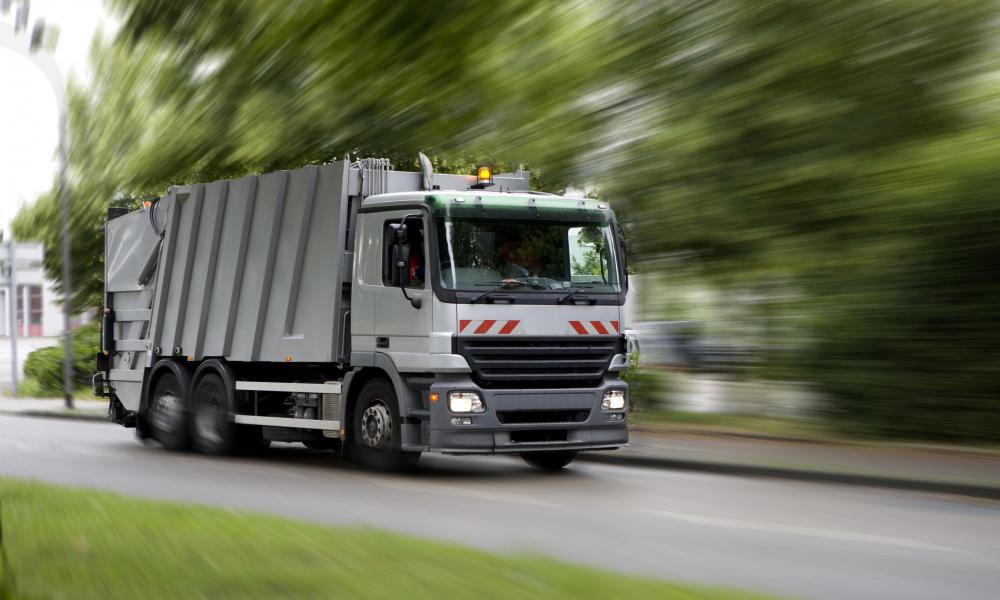
![After collection, trash is often separated according to material type.]() By: Goss VitalijAfter collection, trash is often separated according to material type.
By: Goss VitalijAfter collection, trash is often separated according to material type. -
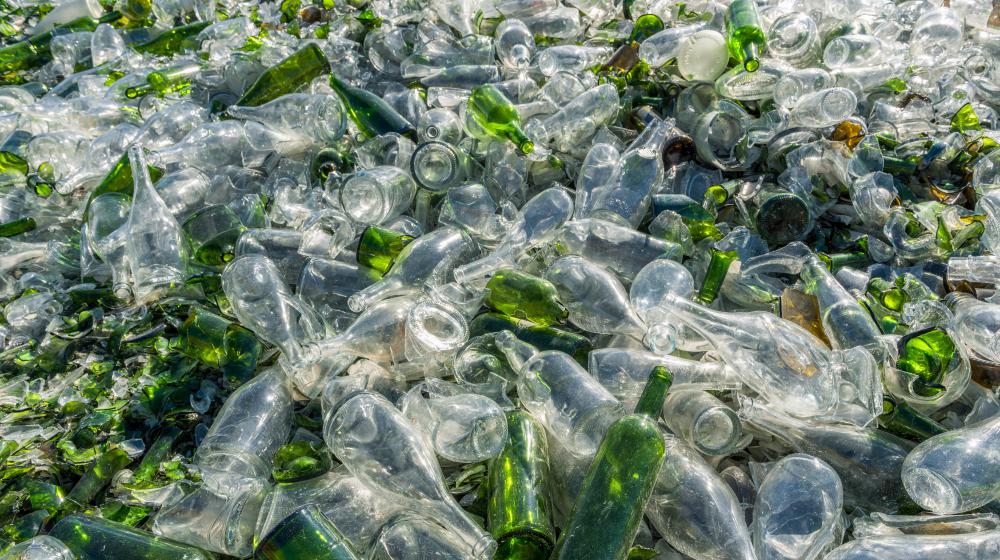
![Integrated waste management programs try to recycle and reuse items.]() By: MoultipixIntegrated waste management programs try to recycle and reuse items.
By: MoultipixIntegrated waste management programs try to recycle and reuse items.

Discussion Comments
The information above helped me to understand more the IWM and it also gave me some ideas about how the IWM works.
Reuse, recycling compost and sanitary landfills are the way of waste management. Effective segregation and use of suitable methods for individual categories is integrated waste management.
there is s group of people living outside cairo who live to recycle. they should be allowed to do it throughout the world. they are capable of recycling 80 percent-plus of the trash they collect and live off the recycling proceeds. these people should be given all of the world's trash to recycle as they please, when all they ask is exactly that --T.Woods
I have no problem with being required to sort my own trash, though what bothers me in some places is that people are not really given the right tools to do so. For example, in my parent's city they are required to buy their own recycling bags. While that doesn't sound like much, I think that giving every person reusable recycling bins might be a better idea. I also prefer systems where people do not have to pay up front, but the revenue is generated by taxes, as it just seems more organized to me.
Some people complain that programs which require citizens to sort their trash and recycling are unfair or demanding. However, I think that it is fair to ask that if citizens want a clean city and environment, doing their part with the trash that they themselves generate is perfectly acceptable. It also does generate waste management jobs for the people who pick the trash, those who run the recycling and trash collecting centers, and others, in a way that lessens waste rather than creating more, which many jobs do.
Post your comments