
At TheHealthBoard, we're committed to delivering accurate, trustworthy information. Our expert-authored content is rigorously fact-checked and sourced from credible authorities. Discover how we uphold the highest standards in providing you with reliable knowledge.
What is Insulin?
Insulin is a hormone that is produced by the pancreas and that regulates the level of glucose — a simple sugar that provides energy — in the blood. Human bodies require a steady amount of glucose throughout the day, and that glucose comes from the foods that people eat. People don't spend the entire day eating a little bit of food at a time to maintain a steady stream of glucose, however. This is where insulin comes into play, allowing people's bodies to store the glucose so that it can be used as needed.
Regulating Glucose

When a person has more glucose in his or her blood than is needed at the time, insulin stimulates cells in the liver, muscles and fat. Liver and muscle cells combine glucose into a compound called glycogen, essentially storing the energy for later use. Insulin also removes other byproducts of food from the body by stimulating fat cells to form fats from fatty acids and by stimulating liver and kidney cells to turn amino acids into proteins. This hormone also prevents the liver and kidneys from producing glucose from partially metabolized materials, a process that can damage these organs over time.
Glucagon

Insulin, which is made up of 51 amino acids, is closely related to glucagon, another hormone that is secreted by the pancreas. Glucagon is called into action when there is not enough glucose in the blood. It stimulates the liver and muscles so that they will break down the glycogen that was created through the intervention of insulin. Insulin and glucagon work together to control the body's blood-glucose levels, or blood-sugar levels.
Diabetes

When a person's body does not produce insulin, he or she has Type 1 diabetes. Someone who has Type 1 diabetes must receive injections of insulin for his or her body to be able to regulate its blood-sugar levels. When a person's body produces insulin but does not use it properly, he or she has Type 2 diabetes, which is much more common than Type 1. People who have Type 2 diabetes typically have high blood-sugar levels that they must regulate through diet and exercise. Insulin or certain other medications also might be used to treat Type 2 diabetes if the proper diet and exercise are unable to regulate the patient's blood-sugar levels.
Role in the Brain

Insulin also plays a significant role in the brain. Research has shown that brain insulin helps improve a person's memory and ability to learn. There also have been studies that suggest that insulin might help fight Alzheimer's disease by impeding the proteins that attack the victim's brain cells, which will reduce or prevent memory loss. Studies have been conducted in which Alzheimer's patients spray insulin through their nostrils, and the results have been encouraging to researchers.
AS FEATURED ON:
AS FEATURED ON:


-
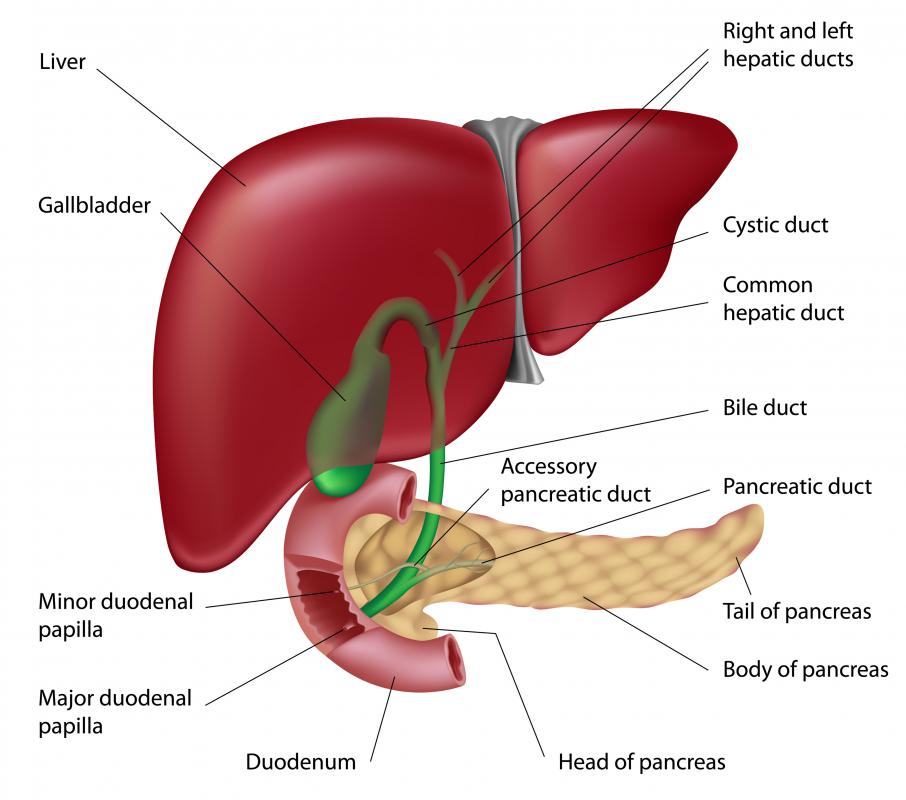
![Several abdominal organs, including the pancreas, which is associated with insulin.]()
Several abdominal organs, including the pancreas, which is associated with insulin. -
![Insulin can be used in the form of an injection to help control glucose levels in those suffering with Type 1 diabetes.]() By: KuruanInsulin can be used in the form of an injection to help control glucose levels in those suffering with Type 1 diabetes.
By: KuruanInsulin can be used in the form of an injection to help control glucose levels in those suffering with Type 1 diabetes. -
![Insulin and glucagon work together to control the body's blood-glucose levels, or blood-sugar levels.]() By: spline_xInsulin and glucagon work together to control the body's blood-glucose levels, or blood-sugar levels.
By: spline_xInsulin and glucagon work together to control the body's blood-glucose levels, or blood-sugar levels. -
![Many insulin-dependent diabetics prefer to use a pump instead of taking up to four injections daily.]() By: hilleborgMany insulin-dependent diabetics prefer to use a pump instead of taking up to four injections daily.
By: hilleborgMany insulin-dependent diabetics prefer to use a pump instead of taking up to four injections daily. -
![If the pancreas fails to properly produce insulin, blood glucose levels will rise.]() By: pixdesign123If the pancreas fails to properly produce insulin, blood glucose levels will rise.
By: pixdesign123If the pancreas fails to properly produce insulin, blood glucose levels will rise.




Discussion Comments
This is a great article, I would like to know what insulin is made up of. Could someone answer my question?
What benefits does a patient receive when administrated with yeast based insulin or e-coli based insulin. --rajesh
what are the amino acids that can be found in insulin?
answer to question 2: insulin is made up of protein. proinsulin is its precursor which is made up of long chains of amino acid (protein unit) residues and it degrades into insulin molecules. insulin contains 51 amino acid residues.
Answer to question 2: the substance insulin is made from bacterias.
Does the large quantity of vitamin B cause the blood sugar to start shooting up? My blood sugar only 80 three months ago and now it is 165. I take additional vitamin B daily. My triglycerides almost tripled to 250. Can you tell why?
According to a Swedish study, lack of insulin in the brain is closely related to Alzheimer's disease. So keeping blood sugar at a healthy level will not only prevent diabetes, but will in later years help keep the mind functioning too.
This is a great article, I would like to know what insulin is made up of. Could someone answer my question?
how the pancreatic endocrine hormones glucagon and insulin work antagonistically to maintain homeostasis in the body
Post your comments