
At WiseGEEK, we're committed to delivering accurate, trustworthy information. Our expert-authored content is rigorously fact-checked and sourced from credible authorities. Discover how we uphold the highest standards in providing you with reliable knowledge.
What Is Indole-3-Carbinol?
Indole-3-carbinol is a naturally-derived compound present in many vegetables that is a potent antioxidant and is also thought to have a number of anti-aging and metabolic benefits. As a result, it is also commonly synthesized into a dietary supplement. It forms as a result of the breakdown of glucosinolate glucobrassicin, and carries the chemical formula C9H9NO. Though it is believed to be very helpful to overall health, this nutrient isn’t usually considered “essential.” From a practical perspective this means that people don’t need to worry about deficiencies, though most health experts do recommend a diet rich in vegetables for other reasons. People who actively seek this compound usually do so as a means of preventing certain ailments, particularly cancers. Experts have connected high levels with reduced occurrences of certain cancers, though a lot of this depends on the type of cancer, as well as individual body chemistry. It can also be used as a treatment for certain lupus patients. In most cases it is possible to take too much, and patients who are supplementing with pills or capsules are usually advised to monitor their hormone levels to prevent other problems from arising.
Primary Sources

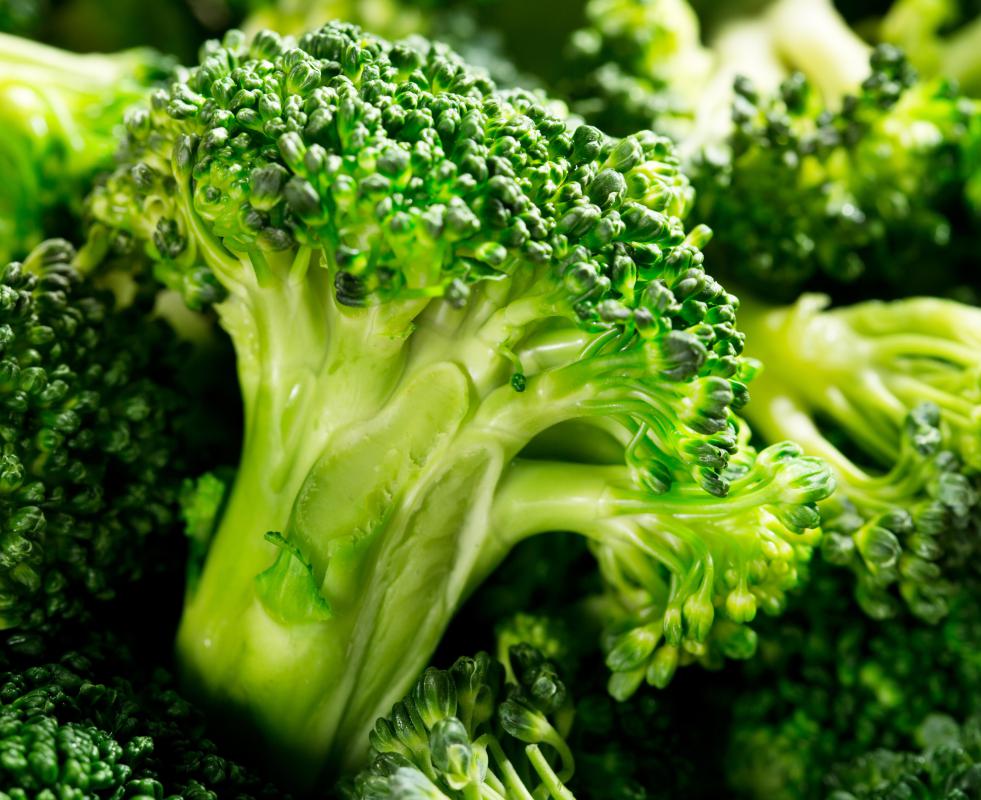
The compound occurs naturally in most cruciferous vegetables, such as broccoli, cauliflower, Brussels sprouts, and cabbage. In most cases, the concentrations are highest when the vegetables are raw and at the peak of their maturity; certain cooking techniques may reduce the potency and overall effectiveness of absorption. Concentrations aren’t always consistent from plant to plant, either, as a lot can depend on things like soil quality and nutrient profile during growth.

People who are concerned about getting certain amounts of this compound often look to supplements. Supplements are usually artificially synthesized in labs, though most research indicates that it has identical health benefits. The recommended dosage is between 400 and 800 milligrams per day. This may be increased on a recommendation from a healthcare professional. It is generally not advised to take this supplement when pregnant. The side effects that are associated with indole-3-carbinol may include skin rashes and nausea. This, however, should only occur with the consumption of very high dosages.
Antioxidant Properties
Perhaps the most beneficial aspect of indole-3-carbinol is its antioxidant nature. Antioxidants are compounds that are able to neutralize and eliminate harmful compounds in the body known as free radicals. This ability has been definitively linked to the a reduction in the risk of cancer. It may specifically reduce the risk of reproductive cancer by reducing what’s known as the “G1 growth rate” of reproductive-trace cells. The G1 phase of cell growth occurs early in the cell, and stopping it early may lead to significant decreases in tumor growth.
Potential Anti-Aging Role
Indole-3-carbinol may also act as an anti-aging supplement. In this capacity it may reduce the damage that is caused from free radicals and support healthy cell function, and some scholars have also suggested that it could reduce the risk of heart disease since it supports the promotion of platelet aggregation and, as a consequence, reduces the secretion of apolipoprotein B, a chemical that’s been linked with degradation of the arterial walls.
Increased Metabolism
Some researchers have further suggested that this compound might be helpful when it comes to increasing the body's metabolism and reducing the effects of Chronic Fatigue Syndrome (CFS). It may also increase the production of glutathione, an antioxidant that plays an important role in the metabolic process. Glutathione also supports the body's immune system and helps to repair damaged cells.
Special Benefits for Lupus Patients
Patients with lupus may also benefit from high doses of this compound. Lupus is an incurable chronic autoimmune disease that affects various parts of the body, including joints, lungs, heart and skin. It’s been suggested that the compound may help reduce the symptoms of lupus and further studies have been undertaken to verify and support this.
Importance of Hormone Monitoring
It is important to regularly monitor hormone levels when supplementing with this substance, as it may have an effect on certain hormones such as estrogen. The compound might change the metabolism of estrogen in the body, even causing significant increases in the amount of estrogen excreted in urine. It may have a similar effect on testosterone metabolism as well. While not necessarily problematic in the short term, over time an imbalance of either hormone can cause a number of other problematic health concerns. Monitoring isn't usually required for people who are relying on vegetables alone, since it's almost impossible to eat enough to cause problems. Risks typically only arise with pills or capsules.
AS FEATURED ON:
AS FEATURED ON:









-
![Indole-3-carbinol is found in broccoli, cauliflower, and other cruciferous vegetables.]() By: Goran BogicevicIndole-3-carbinol is found in broccoli, cauliflower, and other cruciferous vegetables.
By: Goran BogicevicIndole-3-carbinol is found in broccoli, cauliflower, and other cruciferous vegetables. -
![Indole-3 carbinol may reduce the risk of cancer.]() By: NitrIndole-3 carbinol may reduce the risk of cancer.
By: NitrIndole-3 carbinol may reduce the risk of cancer.

Discuss this Article
Post your comments