
At TheHealthBoard, we're committed to delivering accurate, trustworthy information. Our expert-authored content is rigorously fact-checked and sourced from credible authorities. Discover how we uphold the highest standards in providing you with reliable knowledge.
What is Idiopathic Edema?
 Mary McMahon
Mary McMahon
Mary McMahon
Idiopathic edema is a buildup of fluid in the extremities with no known cause. It is more common in women than in men and there are a number of treatment options available to help people manage the condition. Several medical exams may be needed to confirm a diagnosis, as sometimes a cause is not obvious, but it can be identified by a specialist or a doctor with experience in the area of edema management and treatment.
Edema occurs when fluid starts leaking out of the blood vessels and accumulates in the extremities, where it cannot successfully be expressed by the body. There are a wide range of known causes for edema, including kidney and heart disease, as well as vascular disease. In people with idiopathic edema, the body usually starts retaining salt for no known reason, and this causes the blood vessels to leak fluid.

The amount of swelling may fluctuate over time and sometimes patients experience a feeling of heaviness without any actual physical signs of edema. The condition can be uncomfortable and sometimes painful, especially for people who stand for long periods of time during the day. Swelling and soreness can increase while upright and in the heat.
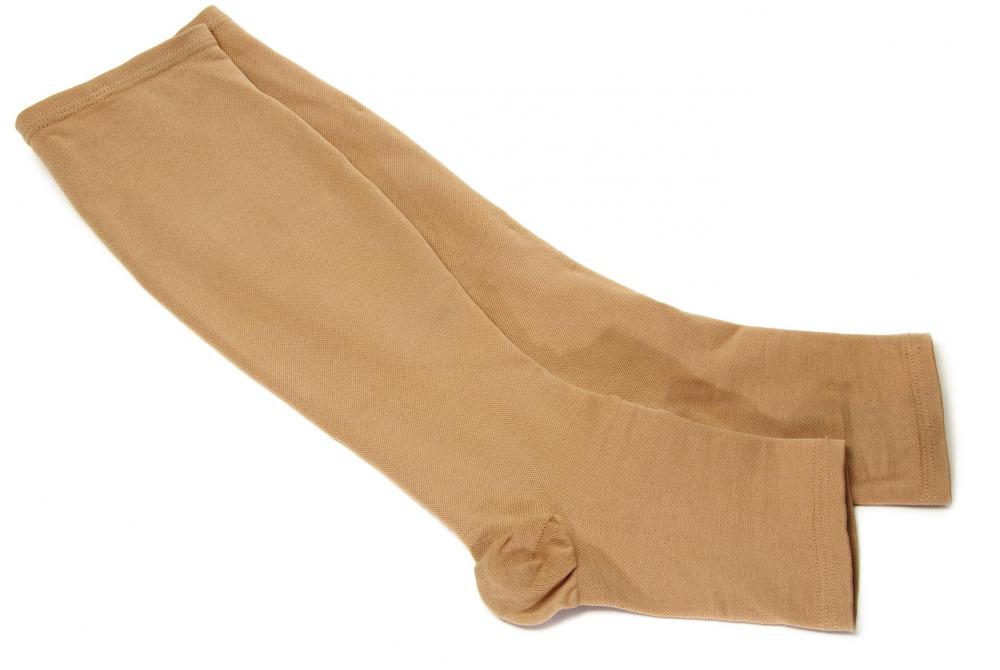
Treatments for edema can include making dietary modifications and providing the patient with medications to try and eliminate some of the excess fluid. Compression garments may be used to force fluid slowly back into the vessels so it can be removed by the kidneys, and to prevent further fluid accumulation. Healthcare professionals may also evaluate a patient with a case of suspected idiopathic edema for obscure and unusual causes to see if the condition actually does have a cause. Finding a cause can help with management and treatment.

While undergoing testing to determine the cause of the edema, patients should make sure to thoroughly go over their medical histories. A seemingly unrelated symptom or disease may actually be closely linked and would be important to know about. Patients will also be asked to disclose all medications they are using, including over-the-counter drugs and supplements, and they may be asked to keep a food diary so a healthcare provider can get a complete picture of what the patient is eating and when. All of this information will be helpful in a clinical evaluation, where a complete picture is critical for making diagnostic decisions.
Mary McMahon
Ever since she began contributing to the site several years ago, Mary has embraced the exciting challenge of being a TheHealthBoard researcher and writer. Mary has a liberal arts degree from Goddard College and spends her free time reading, cooking, and exploring the great outdoors.
Learn more...
Mary McMahon
Ever since she began contributing to the site several years ago, Mary has embraced the exciting challenge of being a TheHealthBoard researcher and writer. Mary has a liberal arts degree from Goddard College and spends her free time reading, cooking, and exploring the great outdoors.
Learn more...AS FEATURED ON:
AS FEATURED ON:


-
![Idiopathic edema occurs when the extremities experience a buildup of fluid.]() By: Ocskay BenceIdiopathic edema occurs when the extremities experience a buildup of fluid.
By: Ocskay BenceIdiopathic edema occurs when the extremities experience a buildup of fluid. -
![To prevent further buildup of fluid in the extremities, compression garments may be worn.]() By: nitoTo prevent further buildup of fluid in the extremities, compression garments may be worn.
By: nitoTo prevent further buildup of fluid in the extremities, compression garments may be worn. -
![Heart disease is one possible cause of edema.]() By: forestpathHeart disease is one possible cause of edema.
By: forestpathHeart disease is one possible cause of edema. -
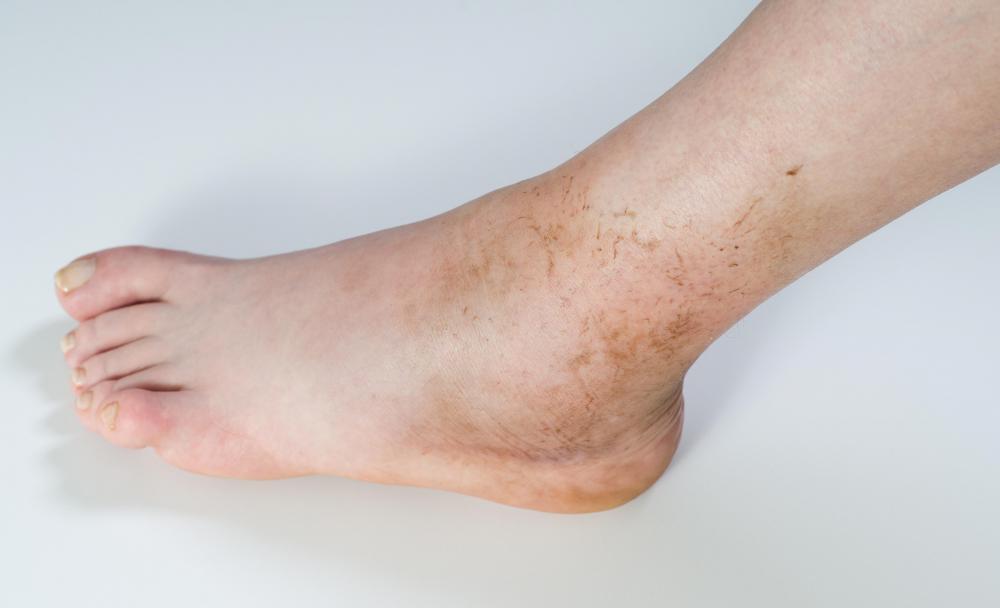
![Idiopathic edema may cause ankle swelling.]() By: Dusan KosticIdiopathic edema may cause ankle swelling.
By: Dusan KosticIdiopathic edema may cause ankle swelling. -
![Idiopathic edema commonly occurs in the legs.]() By: zest_marinaIdiopathic edema commonly occurs in the legs.
By: zest_marinaIdiopathic edema commonly occurs in the legs.



Discussion Comments
I have severe bidepal edema, plus 5 at times. I take huge doses of diuretics and it is not helping at all. I mentioned to my pulmonologist about idiopathic edema and he told me there is no such thing, that there is always a cause. I said then find the cause.
I believe it's what I have. I fit all the criteria and am about to stop taking my diuretics against my MD's advice, because nothing he's tried in the past year has helped me at all.
I have a swollen right foot/calf. It has been eight years and nobody knows how to cure it or what the problem could be that has been causing it.
My 'good foot' has started to swell, mainly in the ankle area as well, so I really am hoping to figure this out before both feet are swollen for the rest of my life.
I've had many tests done, and nothing has come from them. Any thoughts?
@ anon125256 - The article mentions some treatments that work for all causes of edema, like compression hose.
I had bad swelling in my legs and feet after my C-section from fluid build up. (I was able to wear my regular shoes all during my pregnancy, but I had to go home from the hospital wearing my slippers because my feet had swollen so during labor!) Right after my surgery, when I was still confined to bed, they treated the swelling with special leg wraps that inflated and deflated (a little like a giant blood pressure cuff, but not as tight) to keep my circulation up.
They got me out of bed as soon as possible, because movement is good for swelling, and encouraged me to walk around the mother-baby unit. (They won't let you carry your baby during this, so I pushed him ahead of me in his little plastic box!)
The other thing that they said would help was to drink lots and lots of fluids. It seems really counterintuitive, but drinking water helps your body flush fluids out, apparently.
so what is the treatment?
Post your comments