
At EasyTechJunkie, we're committed to delivering accurate, trustworthy information. Our expert-authored content is rigorously fact-checked and sourced from credible authorities. Discover how we uphold the highest standards in providing you with reliable knowledge.
What is Identity Theft?
Identity theft occurs when a thief assumes someone else's identity to commit fraud in that person's name without their knowledge. By the time the victim catches on, the thief is usually long gone, leaving behind a trail of ruined credit, debts and collectors. In some cases, identity theft can even lead to wrongful arrest of the victim.
Identity theft is a nightmare for the millions of people that have endured it, and unfortunately, that number rises every year. Armed with your personal information, a thief can obtain a driver's license, open new lines of credit and bank accounts, even buy a car and get a mortgage. Bills and statements from these transactions are diverted to the thief's temporary address, bilking your credit line for all it's worth in cash advances, loans and credit card debt without intent to pay. When the walls come crashing in, you're left holding the bag and the thief is long gone. Financial recovery from identity theft can take years.
In today's society of plastic cash, online transactions and data mining, nearly everyone is a potential victim of identity theft. However, the Federal Trade Commission (FTC) suggests there are things you can do to minimize the risk:
- Don't give out personal information unless you have initiated the contact. Thieves can pose as representatives of legitimate companies with which you do business and request you 'verify personal information.' In "verifying" it, you are actually giving it to the caller. Instead, tell the caller you're busy and will have to call them back, then ask for a name. Do not use a phone number supplier by the caller. Use your statements or a phone book to get the number of the business, then verify the caller and his or her purpose.
- Place passwords on bank accounts, credit card accounts and other lines of credit. Use something other than your social security number or mother's maiden name to guard against identity theft.
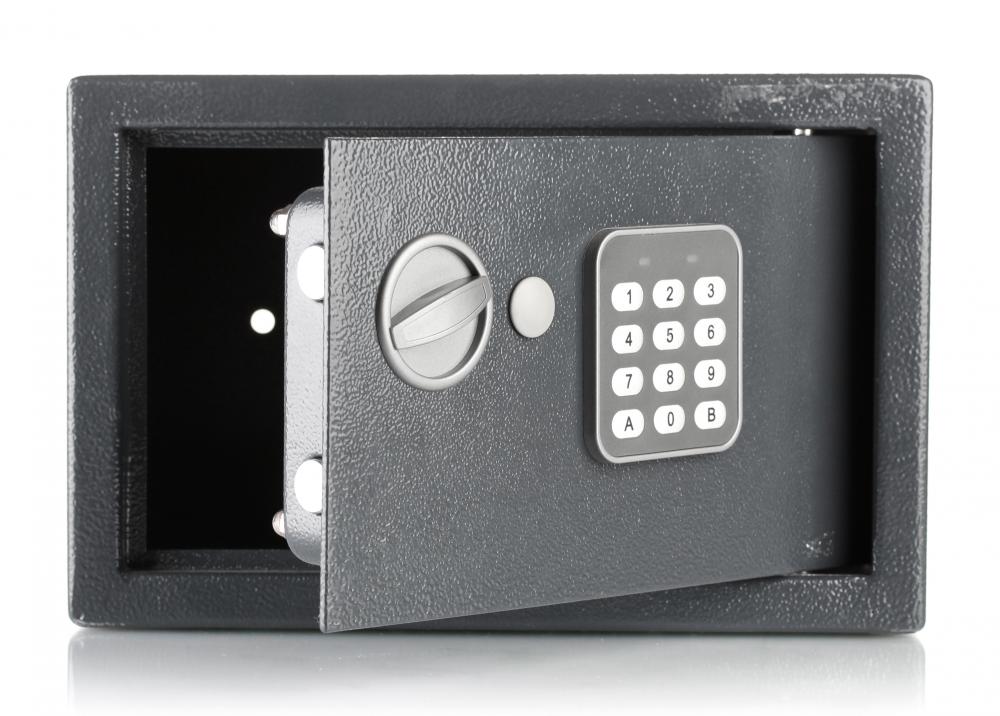
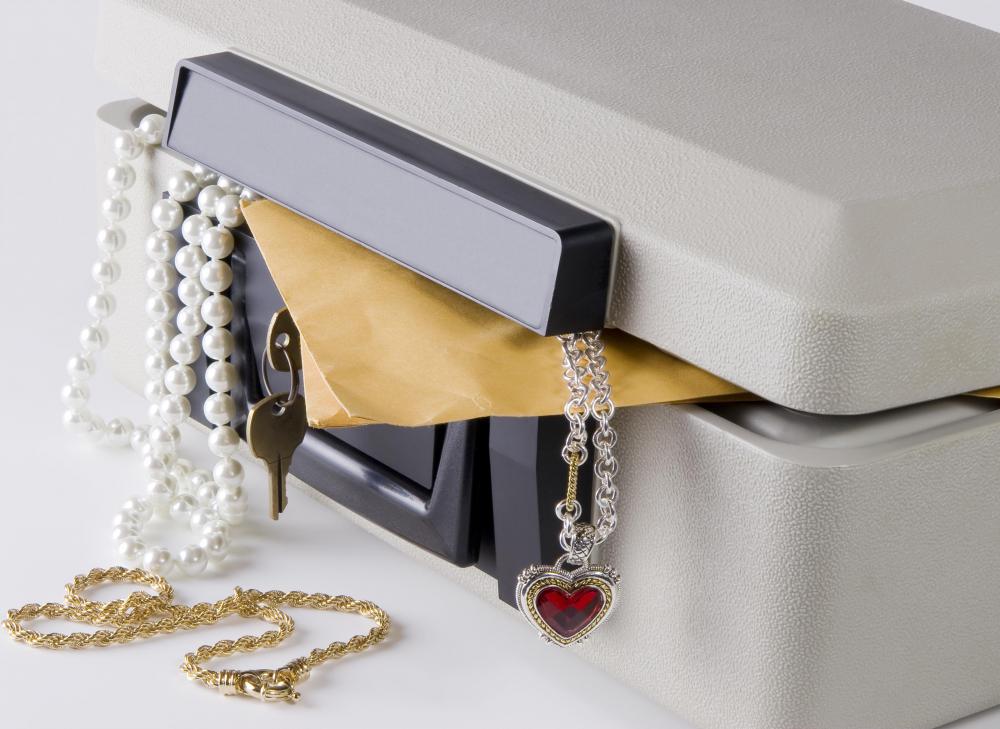
- Keep your social security card in a secure place like a safety deposit box or home safe. It should not be carried in your wallet unless you are going to need it. A social security card in the wrong hands makes identity theft even easier.
- Avoid giving out your social security number unless it is required to obtain a credit report, loan, or some other legitimate transaction. If asked for your social security number, find out why it is needed and ask if it is legally incumbent upon you to provide it to receive the goods or services you are requesting. In most cases it is not and another number can be substituted.
- Do not give personal information to websites that are not using SSL (Secure Sockets Layer) to transfer the information. Secure sites are noted by the https, and will encrypt all information between your computer and the site. These sites should also have a Privacy Policy posted that states how your personal information will be used. If the site shares your information with unnamed "third parties," you have no guarantee that the "third parties" will protect your information from identity theft.
- Use a "confetti" shredder for all paper and plastic that displays your personal information. This includes statements, credit card solicitations, junk mail that has your name and address, and expired cards of all kinds, including not only credit cards but also insurance cards, medical cards and even library cards. If you receive magazine subscriptions, remove the address pages for the shredder before throwing the magazines out.

Although these and other precautions can help reduce the risk of identity theft, vigilance can also go a long way towards protecting yourself. Watch your monthly billing and bank statements. Missing statements can be a sign that someone has changed your billing address without your knowledge. Even junk mail can be telling. If you suddenly get multiple catalogs or brochures for products you've never purchased, this could be a sign that someone else is using your name to buy those products.

Experts also recommend reviewing your credit report regularly. In the United States, law allows each person one free copy yearly from each credit agency: Experian, Equifax and TransUnion. You can obtain all three free credit reports at once, or get one free copy every four months by rotating agencies. A hub has been set up by these three agencies to serve the public at AnnualCreditReport.com. This is the only FTC-approved website for obtaining free credit reports, and it has no strings attached. If you have reason to believe someone might be using your personal information for identity theft and would like to read more, see the FTC's Take Charge: Fighting Back Against Identity Theft.
AS FEATURED ON:
AS FEATURED ON:









-
![When a URL begins with https, know that the "s" means secure.]() By: sp4764When a URL begins with https, know that the "s" means secure.
By: sp4764When a URL begins with https, know that the "s" means secure. -
![Junk mail, such as sales flyers, can be one source of information for identity thieves.]() By: Johanna MühlbauerJunk mail, such as sales flyers, can be one source of information for identity thieves.
By: Johanna MühlbauerJunk mail, such as sales flyers, can be one source of information for identity thieves. -
![Identity theft occurs when a person's identity is assumed by someone else.]() By: BestPhotoStudioIdentity theft occurs when a person's identity is assumed by someone else.
By: BestPhotoStudioIdentity theft occurs when a person's identity is assumed by someone else. -
![Social security cards should be stored in a home safe to guard against identity theft.]() By: Africa StudioSocial security cards should be stored in a home safe to guard against identity theft.
By: Africa StudioSocial security cards should be stored in a home safe to guard against identity theft. -
![Social Security cards should be securely stored to protect against identity theft.]() By: JohnKwanSocial Security cards should be securely stored to protect against identity theft.
By: JohnKwanSocial Security cards should be securely stored to protect against identity theft. -
![Using a shredder to destroy personal information may help prevent identity theft.]() By: absolutUsing a shredder to destroy personal information may help prevent identity theft.
By: absolutUsing a shredder to destroy personal information may help prevent identity theft. -
![Digital identity theft can be caused by computer viruses.]() By: jamdesignDigital identity theft can be caused by computer viruses.
By: jamdesignDigital identity theft can be caused by computer viruses. -
![Storing important documents in a safety deposit box may help against identity theft.]() By: Tom Mc NemarStoring important documents in a safety deposit box may help against identity theft.
By: Tom Mc NemarStoring important documents in a safety deposit box may help against identity theft. -
![Identity theft includes stealing a person's PIN number used for bank or debit card purchases.]() By: Hunor KristoIdentity theft includes stealing a person's PIN number used for bank or debit card purchases.
By: Hunor KristoIdentity theft includes stealing a person's PIN number used for bank or debit card purchases.





Discussion Comments
This happened to my friend's family and it's very dangerous. That is why you should keep your identity safe.
There a lot of companies on the market that provide identity theft coverage.
These identity theft resources offer protection up to $1 million.
LifeLock is the one that comes to mind. In fact the CEO of the company displays his Social Security number on the van to illustrate how effective the service is.
Icecream17- I never thought of that. I did want to say that you need to check your monthly credit card statements in detail.
If there is anything that is unfamiliar, report it immediately to your credit card company. By reporting identity theft, the credit card company can perform an investigation to determine if credit card identity theft took place.
Comfyshoes- I agree with you and wanted to add that when shopping in a store or eating at a restaurant, make sure that there are no manual credit card machines on site.
These manual credit card machines imprint your entire credit card number which can leave you vulnerable to identity theft.
I say this because it happened to me at a store.
BrickBack- Thanks for the tip. I also wanted to say that in order to protect yourself against credit identity theft, make sure that you shop on secure sites only. These sites will have a letter “S” after the http in a website address. The S means that the website is secure.
Mentirosa- A friend of mine has an account at that bank, so that is good to know.
Identity theft is an increasing problem in our society. I just wanted to mention a few identity theft tips to keep you from being an identity theft victim. First, never share your personal information with anyone online.
Many identity theft scams involve people providing fraudulent information that appears legitimate.
For example, if you have an eBay account, they may send you an e-mail with an eBay logo stating that they need you to update your information.
They asked for specific bank account or credit card information and then in turn use that information to steal your identity.
This is called phishing. It happened to a friend of mine. Most companies that have your financial information do not need for you to repeat it.
This identity theft crime is becoming more and more common. Thieves are becoming more sophisticated which means you have to be extra vigilant to protect yourself against identity theft.
I read in an article that banks are rated in how they protect they customers from fraud and identity theft. Bank of America was rated best for two years in a row among all the other big banks.
Post your comments