
At TheHealthBoard, we're committed to delivering accurate, trustworthy information. Our expert-authored content is rigorously fact-checked and sourced from credible authorities. Discover how we uphold the highest standards in providing you with reliable knowledge.
What is Hypotension?
 Paulla Estes
Paulla Estes
Paulla Estes
Hypotension is the condition of having unusually low blood pressure on a regular or semi-regular basis. Normal blood pressure for the average adult is 120/80 mmHg. Low blood pressure is a reading of 90/60 or lower.
Blood pressure is measured in millimeters of mercury (mmHg) and is displayed with two numbers, one over the other, as in 120/80. When blood is pumping through the arteries, the systolic pressure is the higher number, when the pressure is greatest on the walls of the arteries. The lower number is the diastolic pressure, which is the resting phase of the blood pumping cycle.
Most people are familiar with hypertension, also known as high blood pressure, which is a serious medical condition that causes damage over a long period of time. Yet, many people are unaware that hypotension can at times be just as problematic.

In an otherwise healthy person, hypotension without any other symptoms usually does not necessitate treatment. Blood pressure can continually move up and down in a healthy individual, depending on, but not limited to, activity level, diet, medication, and emotional state. Yet ongoing low blood pressure can cause dizziness, fainting spells, shock, and in extreme cases, even death.
There are three main types of hypotension: orthostatic or postural, neurally mediated, and severe hypotension.

Orthostatic or postural hypotension is low blood pressure that results from standing up abruptly from a sitting or lying position. When an individual stands quickly, both arteries and veins have to contract in order to maintain normal blood pressure in the new position. The process usually occurs automatically, but with this condition, the reflex is defective and the flow of blood to the brain is temporarily reduced. This can cause blurred vision, weakness, nausea, dizziness, or even fainting. Treatments for postural hypotension include special socks or pants that improve circulation, as well as behavioral changes such as standing up slowly and drinking plenty of fluids.

Neurally mediated hypotension can result from either standing in one position too long, or from serious emotional stress. Children and young adults are more likely to have this form. The symptoms and treatment are identical to those for orthostatic or postural hypotension.
Severe hypotension is usually associated with shock. Shock is the term describing what happens to the body when blood pressure falls so low that it prevents vital organs from getting enough blood. This can be the result of a severe physical or emotional trauma, as well as heart attack, infection, or an extreme allergic reaction. The symptoms of severe hypotension include a light, rapid pulse, clammy skin, confusion, sweating, and sometimes a loss of consciousness. Treatments include injections of blood and other fluids into the bloodstream, which restore blood flow to the organs. If not treated swiftly, shock can be deadly.
Paulla Estes
Paulla is a freelance writer and website editor who currently lives in Maine. Paulla has a B.A. in English Literature from George Mason University and over 15 years of experience as a freelancer. She relishes the flexibility and consistency of working on TheHealthBoard articles, as well as the opportunity to constantly learn something new.
Learn more...
Paulla Estes
Paulla is a freelance writer and website editor who currently lives in Maine. Paulla has a B.A. in English Literature from George Mason University and over 15 years of experience as a freelancer. She relishes the flexibility and consistency of working on TheHealthBoard articles, as well as the opportunity to constantly learn something new.
Learn more...AS FEATURED ON:
AS FEATURED ON:


-
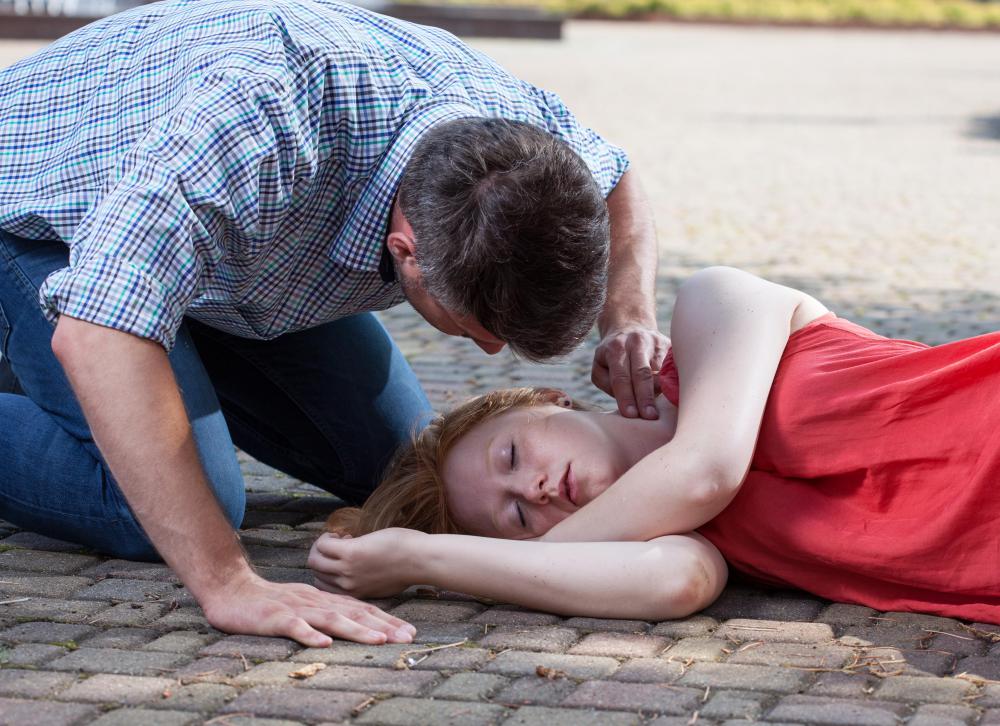
![Hypotension may lead to fainting spells.]() By: Photographee.euHypotension may lead to fainting spells.
By: Photographee.euHypotension may lead to fainting spells. -
![Hypotension may occur as a result of emotional shock from a trauma.]() By: CandyBox ImagesHypotension may occur as a result of emotional shock from a trauma.
By: CandyBox ImagesHypotension may occur as a result of emotional shock from a trauma. -
![Postural hypotension can cause nausea.]() By: ftlaudgirlPostural hypotension can cause nausea.
By: ftlaudgirlPostural hypotension can cause nausea. -
![Having unusually low blood pressure can indicate hypotension.]() By: BlueSkyImagesHaving unusually low blood pressure can indicate hypotension.
By: BlueSkyImagesHaving unusually low blood pressure can indicate hypotension. -
![Mild confusion could result from hypotension.]() By: MarijusMild confusion could result from hypotension.
By: MarijusMild confusion could result from hypotension. -
![Excessive vasodilation can trigger low blood pressure, a condition also known as hypotension.]() By: Monkey BusinessExcessive vasodilation can trigger low blood pressure, a condition also known as hypotension.
By: Monkey BusinessExcessive vasodilation can trigger low blood pressure, a condition also known as hypotension. -
![When a person stands up quickly, both arteries and veins have to contract in order to maintain normal blood pressure.]() By: stockshoppeWhen a person stands up quickly, both arteries and veins have to contract in order to maintain normal blood pressure.
By: stockshoppeWhen a person stands up quickly, both arteries and veins have to contract in order to maintain normal blood pressure. -
![An individual suffering from an eating disorder may experience low blood pressure.]() By: Sylvie BouchardAn individual suffering from an eating disorder may experience low blood pressure.
By: Sylvie BouchardAn individual suffering from an eating disorder may experience low blood pressure.





Discussion Comments
What about twitching muscles and audio distortion?
Post your comments