
At TheHealthBoard, we're committed to delivering accurate, trustworthy information. Our expert-authored content is rigorously fact-checked and sourced from credible authorities. Discover how we uphold the highest standards in providing you with reliable knowledge.
What Is Hypoperfusion?
 Mary McMahon
Mary McMahon
Mary McMahon
Hypoperfusion refers to an inadequate supply of blood to an organ or extremity like the brain or hand. If it persists, it can cause oxygen deprivation, a condition termed "ischemia," and it also deprives the tissue of needed nutrients and waste disposal. This can cause tissue death and the formation of lesions. In the case of a hand, for example, the patient may lose one or more digits because they can’t getting enough blood.
Signs can vary, depending on the location. In extremities, inadequate blood supply can cause symptoms like numbing, tingling, and bluing. Hypoperfusion of an organ like the heart can create functional problems, while in the brain, it may lead to cognitive deficits. The patient might have slurred speech, confusion, or extreme forgetfulness; these may all be factors indicating that something is going wrong in the brain.

There are a number of causes of this condition. They can include massive blood loss, low blood pressure, constriction, and injuries to blood vessels. Identifying the cause is an important step in treatment, as it needs to be addressed in order to restore the normal flow of blood to the involved limb so the patient will stabilize. Sometimes it may be obvious; a patient having a stroke, for example, may have signs of hypoperfusion to part of the brain due to bleeding inside the skull.

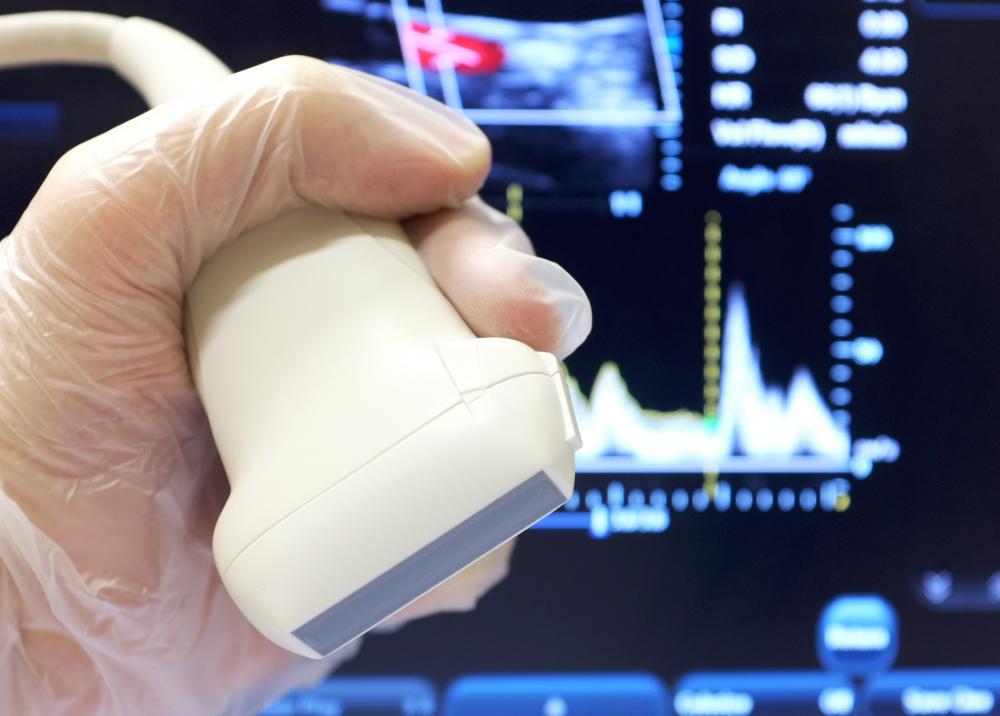
In an evaluation of a patient with suspected hypoperfusion, medical professionals can explore possible causes with a physical examination, imaging studies, and interview. Doppler ultrasound of the arm, for example, could show that the flow of blood to the hand is restricted by a blockage. This testing can be important even if the cause appears obvious, to make sure it is fully identified and described. If a patient appears to have massive bleeding after a car accident from an injury in the leg, for instance, an ultrasound of the abdomen might be important too, to find internal bleeding.

Once the cause is identified, possible treatment options can be explored. Vascular repairs may address problems like ruptured or blocked blood vessels. Hypoperfusion associated with a medical problem like low blood pressure may be treated by taking measures to correct the underlying problem. Blood and fluid transfusions can increase blood volume for people who have it due to blood loss. Chronic problems may require ongoing assessment and maintenance to make sure the patient is treated appropriately in the long term in order to catch complications early.
Mary McMahon
Ever since she began contributing to the site several years ago, Mary has embraced the exciting challenge of being a TheHealthBoard researcher and writer. Mary has a liberal arts degree from Goddard College and spends her free time reading, cooking, and exploring the great outdoors.
Learn more...
Mary McMahon
Ever since she began contributing to the site several years ago, Mary has embraced the exciting challenge of being a TheHealthBoard researcher and writer. Mary has a liberal arts degree from Goddard College and spends her free time reading, cooking, and exploring the great outdoors.
Learn more...AS FEATURED ON:
AS FEATURED ON:


-
![Blood transfusions can increase blood volume for people who have hypoperfusion due to blood loss.]() By: Max TacticBlood transfusions can increase blood volume for people who have hypoperfusion due to blood loss.
By: Max TacticBlood transfusions can increase blood volume for people who have hypoperfusion due to blood loss. -
![A patient suspected of having hypoperfusion will likely undergo a Doppler ultrasound to confirm the diagnosis.]() By: zayacskA patient suspected of having hypoperfusion will likely undergo a Doppler ultrasound to confirm the diagnosis.
By: zayacskA patient suspected of having hypoperfusion will likely undergo a Doppler ultrasound to confirm the diagnosis. -
![Low blood pressure can be a cause of hypoperfusion.]() By: Monkey BusinessLow blood pressure can be a cause of hypoperfusion.
By: Monkey BusinessLow blood pressure can be a cause of hypoperfusion. -
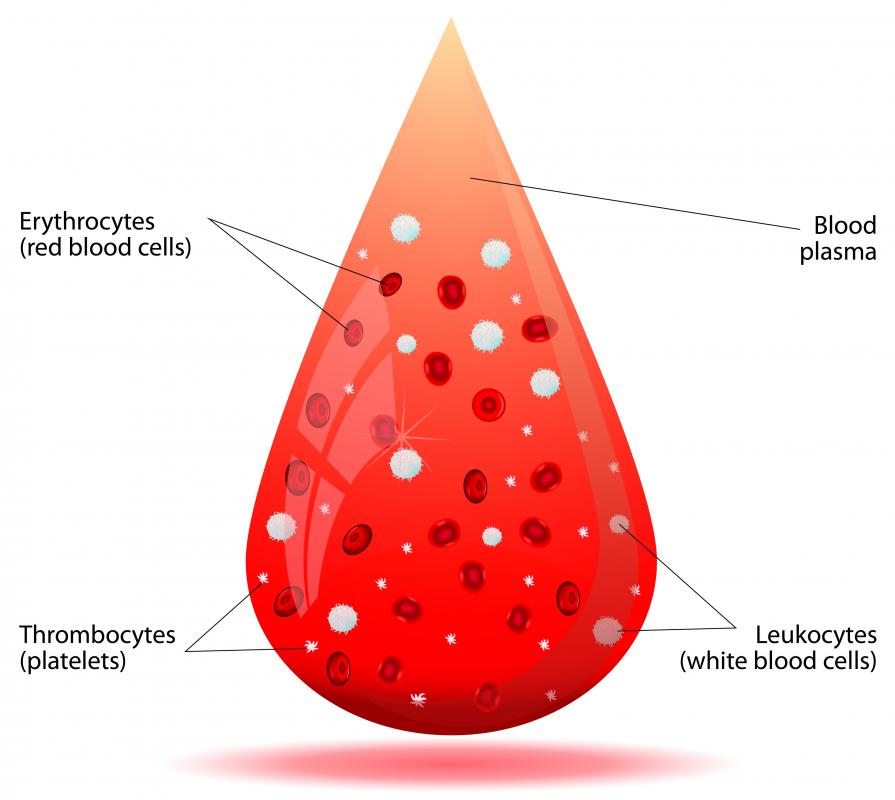
![Blood is composed of red and white blood cells, plasma, and platelets.]() By: designuaBlood is composed of red and white blood cells, plasma, and platelets.
By: designuaBlood is composed of red and white blood cells, plasma, and platelets. -
![Extreme forgetfulness may be a symptom of hypoperfusion.]() By: Tyler OlsonExtreme forgetfulness may be a symptom of hypoperfusion.
By: Tyler OlsonExtreme forgetfulness may be a symptom of hypoperfusion. -
![While 120/80 mm Hg is often considered a maximum for blood pressure, measurements that fall too far below this norm may cause symptoms such as hypoperfusion.]() By: Wellford TillerWhile 120/80 mm Hg is often considered a maximum for blood pressure, measurements that fall too far below this norm may cause symptoms such as hypoperfusion.
By: Wellford TillerWhile 120/80 mm Hg is often considered a maximum for blood pressure, measurements that fall too far below this norm may cause symptoms such as hypoperfusion. -
![Hypoperfusion can cause oxygen deprivation.]() By: urbans78Hypoperfusion can cause oxygen deprivation.
By: urbans78Hypoperfusion can cause oxygen deprivation. -
![A doctor may use imaging studies to diagnose a patient suspected of having hypoperfusion.]() By: Maurizio MilanesioA doctor may use imaging studies to diagnose a patient suspected of having hypoperfusion.
By: Maurizio MilanesioA doctor may use imaging studies to diagnose a patient suspected of having hypoperfusion.






Discussion Comments
What is the consequence of hypoperfusion?
My mother was suffering from this for a while because she had a problem with her heart and it can look really dramatic. I know the heart is important, but you don't realize how important it is to every second of your life until it stops working properly.
In her case she started off just feeling more tired than usual and it progressed over time until every time she had to walk anyway she was basically experiencing hypoperfusion.
Luckily they got her onto a pacemaker and she's fine now.
@Mor - Well, I'm basically at risk for it and I'd never heard of it before. I have a disease that puts you at risk of deep vein thrombosis which is when you get a clot stuck in your veins which blocks the blood supply.
It wouldn't always mean hypoperfusion, because it would depend on where the clot got stuck I think, but it's definitely a potential consequence if that happens.
I don't know if it actually helps to know the term or anything, but I guess I still like to have as much information as possible. I know the way to prevent getting a clot is to try and eat well and get a lot of exercise, and to not sit in one place for too long either. But, even that isn't a guarantee and even without my condition, anyone can get a clot at any time.
This is one of those medical terms that seems to be thrown around a lot in hospital based shows, probably because, as it says in the article, it has a lot of potential symptoms and it can be caused by different underlying conditions.
Plus, it's fairly urgent without being necessarily fatal in all cases.
I think I've heard the term hypoperfusion dozens of times but didn't actually realize what it meant.
Post your comments