
At TheHealthBoard, we're committed to delivering accurate, trustworthy information. Our expert-authored content is rigorously fact-checked and sourced from credible authorities. Discover how we uphold the highest standards in providing you with reliable knowledge.
What is Hypoglycemia?
Hypoglycemia, also called low blood sugar, is a condition that occurs when the body’s blood sugar level drops too low to provide the energy the body needs. Normal blood sugar levels should range between 70 and 110. Levels below 70, which indicate hypoglycemia, can occur in patients managing diabetes or as a result of some medications, certain diseases, binge drinking and sometimes skipping meals. Except in the case of diabetes and binge drinking, this condition is usually not life threatening.
Under normal healthy conditions, the glucose required by the body for energy is derived from the food people eat, carried through the blood stream and absorbed by blood cells. Insulin is a hormone that is produced naturally in the body and aids in the distribution and absorption of glucose. Excess glucose is stored in the liver as glycogen. When the body’s glucose level begins to drop, the stored glycogen is broken down by the body and released into the blood. Hypoglycemia occurs when the body can not restore the glucose level.

Hypoglycemia in diabetic patients can occur for a number of reasons, but the most common cause is mismanagement of the disease. If the medication a diabetic is given to regulate blood sugar is taken in excessive doses, or if a meal is too small or skipped altogether, then low blood sugar may occur. A sudden increase in activity or prolonged exercise can also cause hypoglycemia in diabetic patients. Proper eating or the adjustment of medication usually resolves this condition.

In non-diabetic individuals, hypoglycemia is classified as either reactive or fasting. Reactive hypoglycemia occurs within a few hours of eating a meal. Health care providers can diagnose it with a blood test, but it is unclear what causes reactive hypoglycemia in most patients, though it may be linked to enzyme or hormone deficiencies. Most medical professionals advise exercise in conjunction with changes in diet and eating habits to manage this condition.

Fasting hypoglycemia occurs after waking or between meals. Common causes of this condition are excessive alcohol consumption, certain medications, hormonal deficiencies and underlying illnesses. To diagnose fasting hypoglycemia, a medical professional will perform a blood glucose test after 12 hours of fasting.
The correct treatment for hypoglycemia usually depends on the underlying cause. If it is the result of a drug, a healthcare provider will likely switch or stop the patient's medication. He or she will be able to determine the underlying cause of fasting hypoglycemia through blood tests and a complete medical history.
Symptoms of hypoglycemia include weakness, dizziness, sweating, lightheadedness and possibly unconsciousness. Patients managing diabetes who have experienced low blood sugar should talk to their doctor about keeping a glucagon kit for emergencies, and they should also carry an emergency snack high in carbohydrates to help raise low blood sugar. People who have experienced hypoglycemia in the past should eat meals at regular intervals, avoid excessive alcohol and never drink alcohol on an empty stomach.
AS FEATURED ON:
AS FEATURED ON:


-
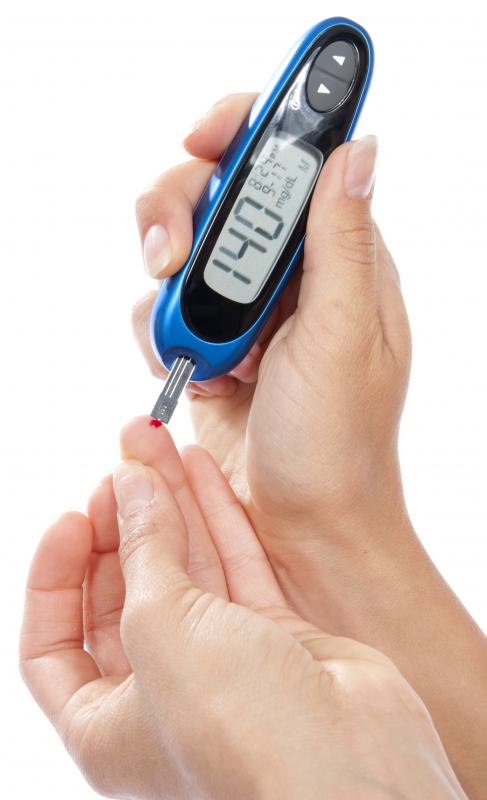
![A person with hypoglycemia checking her blood glucose levels.]()
A person with hypoglycemia checking her blood glucose levels. -
![Those with hypoglycemia have a low blood sugar level that is below 70.]() By: zothenThose with hypoglycemia have a low blood sugar level that is below 70.
By: zothenThose with hypoglycemia have a low blood sugar level that is below 70. -
![Binge drinking may cause hypoglycemia.]() By: BlueSkyImagesBinge drinking may cause hypoglycemia.
By: BlueSkyImagesBinge drinking may cause hypoglycemia.


Discussion Comments
Hypoglycemia can happen not only during waking hours but also at night, while sleeping.
Some symptoms are perspiration, nightmares, or waking up tired and confused.
Do not go to bed hungry, have some food before bedtime especially if some of the symptoms are present.
Post your comments