
At BeautyAnswered, we're committed to delivering accurate, trustworthy information. Our expert-authored content is rigorously fact-checked and sourced from credible authorities. Discover how we uphold the highest standards in providing you with reliable knowledge.
What is Hydroquinone Cream?
Hydroquinone cream is a bleaching cosmetic used to reduce the appearance of age spots, freckles, and other skin discolorations. It works by reducing the amount of pigment created in skin, which makes it look lighter. Most of these creams are sold over the counter (OTC) in drugstores or on the Internet, and have about a 2% or less concentration of hydroquinone. Prescription varieties can contain up to 4%. Though this cream normally results in visible lightening after four weeks, it is banned in many countries because it can cause permanent skin discoloration and may be linked to cancer.
Usage
When using hydroquinone cream for the first time, it's essential for users to do a spot test by applying a small amount to an unbroken section of skin and waiting 24 hours. They should not use it if the skin appears red, itches, or forms blisters, indicating an allergic reaction. If there is no reaction, then the person can wash and dry the discolored areas of skin and massage the cream into them. Users should always wash their hands after applying this product, and avoid getting it in sensitive areas, like the eyes, mouth, or nose. To avoid potentially serious side effects, it's important for individuals to always follow the instructions on the package or those provided by a healthcare professional.
Side Effects

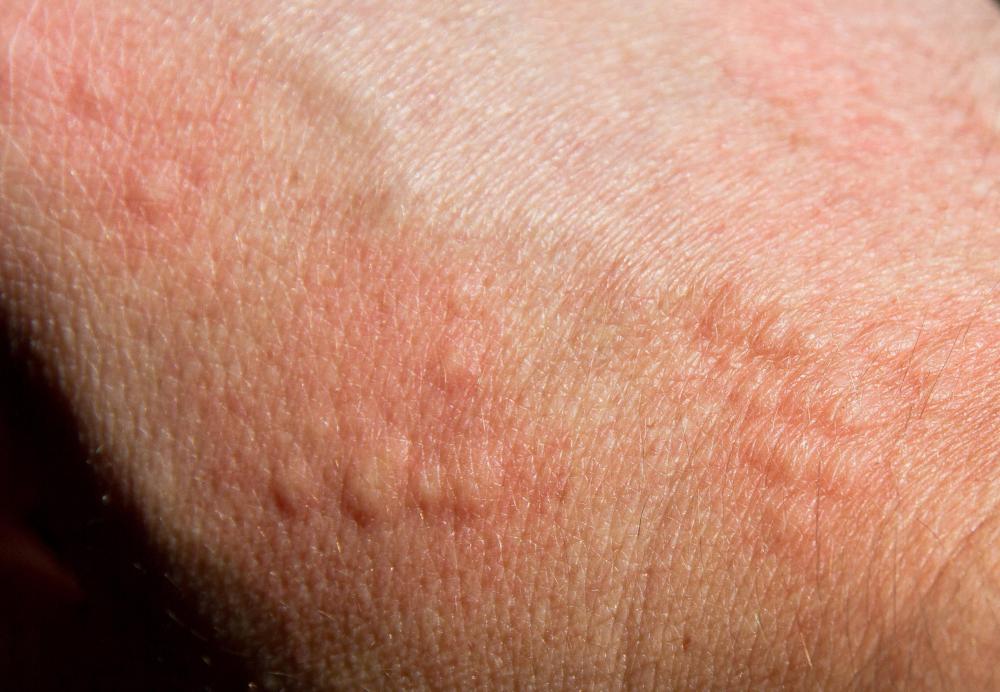
Typical side effects of this medicine include skin dryness and cracking. People may also experience redness or a mild burning sensation. Some people have more severe reactions, including a rash, hives, difficulty breathing, faintness, swelling of the face or tongue, and chest pains. If this happens, the person should seek immediate medical attention.

Additionally, hydroquinone cream may contain sulfites, known to cause allergic reactions in some people, including asthmatics. Pregnant or nursing women should consult with a healthcare professional before using this product, to prevent potential dangers to a fetus or baby.
Safety
Hydroquinone cream is banned in many countries because of potential links between it and cancer. It works by disrupting the function of tyrosinase, an enzyme that's needed to make the pigment melanin, in the skin's pigment-producing cells. This leads to a decrease in pigment, which lightens skin but also makes it more vulnerable to ultra violet (UV) rays, increasing the risk of skin cancer. Studies show that it may also cause mutations in DNA associated with certain types of cancer. Additionally, it is associated with higher levels of mercury in the blood and ochronosis, a condition that causes permanent skin discoloration.

People can reduce some of the risks associated with hydroquinone cream by taking precautions like wearing sunscreen and protective clothing whenever they go outside, and not using other products that increase skin sensitivity, like retinol or salicylic acid. It's also important to avoid products that contain benzoyl peroxide or hydrogen peroxide when using this cream, as this can cause dark stains on the skin. If is happens, a person should stop using the peroxide and wash the skin with soap and water.
Alternatives

There are other methods that can be used to lighten skin, including arbutin and kojic acid, both of which also reduce the production of melanin. Other popular alternatives include niacinamide and unpasteurized soymilk. There are also many OTC products that contain combinations of exfoliants, brightening agents, and anti-irritants that can lighten skin and reduce discoloration. Some of these do have side effects as well, however, so it's best for individuals to consult with a healthcare professional before using any lightening cosmetics.
AS FEATURED ON:
AS FEATURED ON:


-
![Body whitening cream.]() By: volffBody whitening cream.
By: volffBody whitening cream. -
![Sulfites, which some wine makers use as a preservative, can cause an allergic reaction.]() By: stevemSulfites, which some wine makers use as a preservative, can cause an allergic reaction.
By: stevemSulfites, which some wine makers use as a preservative, can cause an allergic reaction. -
![Hydroquinone cream reactions could include hives.]() By: Jürgen FälchleHydroquinone cream reactions could include hives.
By: Jürgen FälchleHydroquinone cream reactions could include hives. -
![Hydroquinone cream can help even out skin tone.]() By: Konstantin YuganovHydroquinone cream can help even out skin tone.
By: Konstantin YuganovHydroquinone cream can help even out skin tone. -
![People who apply hydroquinone cream may burn quickly when exposed to the sun.]() By: AntonioguillemPeople who apply hydroquinone cream may burn quickly when exposed to the sun.
By: AntonioguillemPeople who apply hydroquinone cream may burn quickly when exposed to the sun.



Discussion Comments
Experts said long term use of hydroquinone is risky. It should be used under a doctor's guidance. Kojic acid and azelaic acid are better choices instead of hydroquinone.
I have been prescribed the Hydroquinone Cream, but also I was told to keep using the Clindamycin, with Benzoyl peroxide gel. It's a 1 percent*/5 percent. But after reading the comments about the dark spots. I'm thinking what do I do now?
i am 48 years old, and I come from philippines. I developed a skin pigmentation on my check three years ago and this is really bothering me every time i look at my face in the mirror. what should i do.
Hydroquinone cream has also been known to cause long-term blueish/blackish pigmentation when used extensively.
However, this is rare, and usually only occurs in women with dark skin.
@anon30925 -- It sounds like you have the "mask of pregnancy", or officially, chloasma or melasma.
You can use a hydroquinone cream after you give birth, but it is best to wait until after you finish breastfeeding, since there is a possibility of dangerous side effects to the baby, although there are no conclusive studies on the subject as of yet.
I would consult your doctor before using hydroquinone to clear up your pigmentation, but I think that it should be OK.
I have pigmentation on both sides of my cheeks after my pregnancy? What is the best way to clear it?
Post your comments