
At TheHealthBoard, we're committed to delivering accurate, trustworthy information. Our expert-authored content is rigorously fact-checked and sourced from credible authorities. Discover how we uphold the highest standards in providing you with reliable knowledge.
What is HTLV?
 Mary McMahon
Mary McMahon
Mary McMahon
Human T-Lymphotropic Virus (HTLV) is a retrovirus associated with depression of the immune system. Several different retroviruses are classified in this family, including HTLV-I and HTLV-II. The differences between the various types are primarily related to their geographic distribution and the precise effects of the virus on the body. The virus is more common in the developing world, with several different blood tests available to detect the presence of its antibodies in the blood.
This retrovirus was first discovered in Japan in 1977, and it was isolated at the National Cancer Institute in the United States. Initially, early work on HIV, the virus that causes AIDS, classified HIV as a member of the HTLV family, and the virus was briefly known as HTLV-III. Additional research showed that HIV acted very differently from this other virus, however, and that it belonged in an entirely separate classification.

HTLV is linked with a number of health problems, including demyelinating diseases that affect the central nervous system, such as tropical spastic paraparesis, along with adult T-cell leukemia and lymphoma. Viruses in this group work by initially stimulating the immune system, which ultimately leads it to go into overdrive, at which point it starts attacking itself. As the immune system becomes weaker, the patient is at risk of opportunistic infections.

Once infected with HTLV, someone carries the infection for life. Treatment is primarily focused on managing the conditions associated with the virus, since no cure has been developed. In some cases, people may carry it without developing any symptoms, often passing it on to others because they are unaware. Other people develop cancers and other diseases, depending on the form with which they are infected.

This retrovirus can be transmitted in a number of ways. It is carried in blood and some bodily fluids, so instances of blood-to-blood contact, sexual contact, and shared needle use can result in its transmission. HTLV is also carried in breast milk. Widespread HIV/AIDS education often helps to reduce HTLV infection rates, as the same techniques used to reduce the risk of contracting both. In regions without adequate education or funds to provide preventative measures like needle exchanges and condoms, however, infection rates tend to remain consistent, or to increase.
Mary McMahon
Ever since she began contributing to the site several years ago, Mary has embraced the exciting challenge of being a TheHealthBoard researcher and writer. Mary has a liberal arts degree from Goddard College and spends her free time reading, cooking, and exploring the great outdoors.
Learn more...
Mary McMahon
Ever since she began contributing to the site several years ago, Mary has embraced the exciting challenge of being a TheHealthBoard researcher and writer. Mary has a liberal arts degree from Goddard College and spends her free time reading, cooking, and exploring the great outdoors.
Learn more...AS FEATURED ON:
AS FEATURED ON:


-
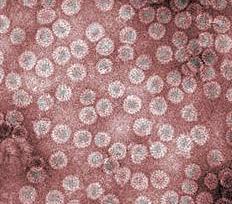
![The HTLV virus is a retrovirus that suppresses the immune system.]() By: AJ CannThe HTLV virus is a retrovirus that suppresses the immune system.
By: AJ CannThe HTLV virus is a retrovirus that suppresses the immune system. -
![The HTLV virus can be transmitted by sharing needles.]() By: jedi-masterThe HTLV virus can be transmitted by sharing needles.
By: jedi-masterThe HTLV virus can be transmitted by sharing needles. -
![HTLV can be transmitted through breast milk.]() By: MNStudioHTLV can be transmitted through breast milk.
By: MNStudioHTLV can be transmitted through breast milk. -
![Condoms are effective at preventing the spread of HTLV.]() By: yaskiiCondoms are effective at preventing the spread of HTLV.
By: yaskiiCondoms are effective at preventing the spread of HTLV. -
![Sexual contract can result in the transmission of HTLV.]() By: Artem FurmanSexual contract can result in the transmission of HTLV.
By: Artem FurmanSexual contract can result in the transmission of HTLV. -
![The human T-lymphotropic virus (HTLV) has been linked to several different diseases.]() By: Syda ProductionsThe human T-lymphotropic virus (HTLV) has been linked to several different diseases.
By: Syda ProductionsThe human T-lymphotropic virus (HTLV) has been linked to several different diseases.





Discussion Comments
Is this thread still active? Can’t tell the date of these posts. I guess there are really a lot of symptoms related to this but doctors are just denying. Has anyone aware of false positive test result? How reliable is the testing nowadays? Would anyone having the virus but not developing antibodies?
If someone has immediate symptoms from htlv does this mean they are developing cancer?
I'm from Italy and I just discovered I have HTLV. I've felt bad for two years and my life is being destroyed. I have a lot of symptoms.
I'm looking for people with HTLV to talk about this virus and about the developing of their disease. Together we can fight this virus!
I'm from Italy and I just got diagnosed with HIV and HTLV. I got these viruses through hookah pen sharing (blood inside, pretty unlucky I guess). I'm really concerned about HTLV, there seems to be no way to get better. I don't know what to do. I'm 26 and never had risky behaviors in my life.
My father is 61 years old and he is suffering form ATLL, a rare cancer caused by HTLV 1. He is taking chemotherapy, but it seems there are no results or remission. My mother is also diagnosed HTLV 1 positive. I don't know under what condition HTLV causes cancer to prevent it happening to my mother.
My daughter recently found out she has HTLV. She is showing some symptoms, but they're still mild. She also has a young baby, my grandchild, who my also be infected and will be tested next week. She breastfed for a few weeks after the child was born. I am here looking for all the information I can find about the disease.
From the little information I have found, HTLV is said to be rare in the US. I am not so sure it's as rare as they think. We live in a rural delta county of Mississippi with not a big population. If it's here, it can be everywhere. We are sure my daughter got it from her now ex husband, who also tested positive. He finally admitted to an affair with another woman a year ago. God only knows where that particular woman got it. She is very promiscuous, a drug user and frequents the bars.
My ex-son-in-law said he told this woman about the disease, but she cursed him and still continues her behavior with men in the community, married or not. I have to wonder how many families will be faced with this horrible disease. This has been very hard for our family to cope with. My daughter's life is shattered and my only grandchild may suffer.
I am disappointed there is not more information and my daughter's doctors are not even that familiar with it.
There is an HTLV support group on Face book; it's called HTLVhelp.
There is an HTLV support group on Facebook. It's called the HTLV Registry.
We need to get politicians and the media involved. Japan got rocking and rolling when former Govenor Asano became the catalyst for research. We need to get loud people. There's not enough information on a deadly virus that currently has between 25-50 million people infected. To those of you living with this, keep fighting the good fight. Love to all.
@anon347905: Just because doctors tell you that there's nothing to do about it, don't believe them. The following are potential treatments:
1. Prosultiamine, a vitamin B derivative, which has been shown to reduce viral load and symptoms.
2. Azacytidine, an anti-metabolite, which has been credited with the cure of a patient in Greece.
3. Tenofovir disoproxil fumarate (TDF), a reverse-transcriptase inhibitor used for HIV.
4. Phosphonated carbocyclic 2'-oxa-3'aza nucleosides (PCOANs).
Certainly, no. 3 is readily available and will be reformulated soon as TAF - ask your doctor.
In reply to previous posts regarding suffering with HTLV: an article in Japan described that Prosultiamine, reduced levels of the HTLV-1 provirus in the patients' blood, and reduced symptoms. This is a sign that the this drug is effective against HTLV. Please ask your doctor about it.
I am a 69 year old black female. I donated blood to the red cross in 1997, they sent me a letter saying that they could not use my blood because I have the HTLV virus. I don't know how or when I got it. Back in the 60s I had sex with an African student, and they say it comes from there. I am weak, off balance, using a walker, back pain, and on and on. I also went to two infectious disease doctors they both told me the same thing, and there's nothing to do about it.
@anon345848: I too, am suffering like you. Fortunately, one of the drugs developed for HIV also works against HTLV. It's called Tenofovir (TDF). The company that makes it is coming out with a more powerful formulation called TAF. I would ask your doctor to get you onto TDF until TAF becomes available. It should help in suppressing the HTLV and making you feel better.
I was also informed I was HTLV positive in 2005. I was told by my PCP not to worry, that it is common and not really important. I am tired all the time, have hot sweats and don't sleep.
I gave up and thought this is just something I have to live with, but I want to feel good again. I went to a new doctor this week thinking my thyroid was bad. He called today a told me i have no vitamin d in my system. I told him about the HTLV and he is very concerned he said he would call me tomorrow and talk more about it. I just want to feel normal again. By the way, he is a very young doctor and it seems he is willing to help me. God bless.
There is an HTLV support group on Facebook. It's called the HTLV Registry.
This week a Kenyan doctor has announced that two patients have been cured of HIV using Methotrexate, which is also in the same class (i.e. antimetabolites) as Azacytidine (mentioned by another user in this forum as the cure for an HTLV patient in Greece). Hopefully this means that drugs in the class called antimetabolites can cure both HTLV and HIV! Please ask a hematologist about getting treated with this class of drugs for HTLV.
This week an article was published claiming the cure of HIV in two Kenyan people using Methotraxate, which is also in the same class (i.e. antimetabolites) as Azacytidine (mentioned by another user in this forum). Again, this supports Louis Mansky's paper that Azacytidine could cure HIV, and the living cure of the HTLV patient in Greece using Azacytidine. Get to a hematologist and say that you want to be treated!
One of the doctors said patients who had the therapy had shown no signs of the virus for six months. Best wishes.
I've been contributing to another HTLV forum online. We're trying to find a way to (legally) set up a corporation so that we can move Doctor Rider's DRACO treatment forward. Nothing solid has come out of it yet, but if DRACO were to become a reality, it would work against all viruses, including ours. The only thing stopping DRACO from becoming a reality is time and money. The more money the effort has, the less time it will take to test it against every virus known to man and then move it into human trials.
If any of us can't take this decline anymore, our only existing treatment options are Xeljanz (5mg pill twice a day) or Azacytidine (one week of dosing each month for an entire year).
Xeljanz interferes with NF-kB processing (as a JAK inhibitor), which interrupts the life cycle of both HTLV and HIV.
Azacytidine has not only cured an HTLV patient in Greece after eight months, but also has been shown to induce "lethal mutagenesis" against HIV per a research paper by Doctor Louis Mansky group.
Getting Xeljanz would require a sympathetic Rheumatologist, while getting Azacytidine would require a sympathetic Hematologist.
I know getting treated for this with either medication is going to be extremely difficult, since doctors don't want our disease to be even recognized, never mind treated, but it's either try some treatment now or wait until paralysis and death later. Personally, I'd like to try the heavier medication (Azacytidine) since it supposedly worked on the HTLV patient in Greece. I don't want to wait years for DRACO to get through the research pipeline. I'm afraid that I will be paralyzed by then, or leukemic like a guy named Alberto from Italy.
If this were 32 years ago, they wouldn't be able to do anything for us. They'd give us a wheelchair and a hospital bed and watch us die slowly. But nowadays they can treat us with two approved drugs, and research testing on a third drug that will cure all viruses is ongoing.
I'd like all of you to please consider us writing a group letter to the National Institute of Health, and signing our real names to it, so that they can realize that we're sick, we want acknowledgement of our disease, and we want treatment. The group has been using Google documents to develop comments and questions for their forum, and we could do the same here. I could write the letter and give all of you access to it so you could add your name and contact information.
I know that might be asking much of everyone, but I truly believe that we are all at a point where we need to (peacefully) protest about this in order to bring about recognition and treatment, just like the people did in the early 80's for HIV, when that was being ignored and untreated.
@VScared: Ddid you see my post about Xeljanz (Tofacitinib) being approved by the FDA in November 2012? Please let your HTLV support group know about this important drug, which is effective for HTLV, HAM, and ATL.
Good news! Here's an article from today's news: Xeljanz / Tofacitinib has been approved! Now HTLV sufferers can begin to treat their symptoms with this novel JAK inhibitor! Please try a one week dose to see if it helps!
I am not sure about this. There is not enough info about this disease about window period and enough research.
How long can HTLV live outside the body? Is it the same as with HIV?
@anon289696: No I haven't been tested positive for anything. I just suspect HTLV is responsible for my symptoms. All my tests keep repeating negative. It is very difficult to diagnose HTLV at early stages and there is not enough information about HTLV.
@anon289405: My symptoms and yours are the same. Have you been tested positive for anything?
@anon289188: No I haven't tested positive. My last test four months ago was negative. Many people online complain about this disease.
Two days after the encounter, I started getting a weak bladder, having nausea, abdominal pain, loose stools, diarrhea, spots and pimples on my face, neck, limbs and back. I got an ulcer on my lips and gums, night chills, systemic pain all over my body, a burning sensation and sensory disturbance in my limbs, lower legs and hands. The diarrhea went on for about six weeks, followed by constipation. I still have all the neurological problems.
@anon289073: Have you been tested positive for the HTLV 1 or 2, and how long did it take you to develop the symptoms?
@anon288501: Frequent urination is a symptom of HTLV. Even my exposure was protected. I have all the symptoms of HTLV including frequent urination.
Two days after receiving oral sex from a girl I don't know and having protected vaginal sex, I started to have frequent urination and muscle aches. I have been tested for everything (all came back negative) so my doc related it to anxiety. The frequent urination has calmed a bit, but I am so worried.
Do you think that I need to get tested for HTLV, and is it possible to get HTLV from receiving oral sex? As far as I know, HTLV symptoms will never show so fast, right?
I am 25 years old.
@anon287156: You can get a *free* antibody test for HIV at any clinic or hospital at any time, and certainly you should do that as soon as possible, in order to rule out HIV.
Regarding HTLV, it's heavily surrounded by denial, and most doctors won't even know what it is when you mention it to them, which is why it's not routinely tested for. Furthermore, the government maintains no statistics for HTLV infection, so both the medical industry and government authorities are ignoring HTLV.
You can expect severe resistance when you ask to be tested for HTLV, that's how deep the denial is on it. If you are able to get the HTLV antibody test, expect even more resistance to getting the HTLV PCR test. Currently, those are the only two tests for HTLV - antibody and PCR. Blood donations are tested with the HTLV antibody test, but realistically donated blood should be tested with both tests, as is done with testing for HIV in blood donations. While false positive tests can and do occur for any disease in blood donations, no one reports false negatives for blood donations where HTLV is transmitted, which again is not the case when HIV, hepatitis, etc. are transmitted in the blood supply.
Regarding HTLV homeopathy, you should take large quantities of Curcumin (NF-kappa beta inhibitor), Fuciodan (interferes with cell to cell transmission), and Green Tea (demethylation) tablets. Each of them interferes with HTLV's lifecycle differently, much like the HIV cocktail does. JAK inhibitors represent a new treatment for HTLV, so receiving that treatment may slow or stop HTLV's progression to being wheelchair bound or dead.
I recently went to the doctor because of a severe vaginal and urinary tract infection and the doctor looked at a sample on a slide and told me it was both bacterial and yeast and in addition what he saw on the slide led him to think I might have AIDS, but when I went to the lab I was informed that Medicare wouldn't cover the test unless it was done during a "well care" appointment. Although the doctor seemed to think I might have had it for a while undetected, I think it's a stretch since I have not been sexually active for about 20 years. I have another health condition that has caused me to limit my life in a number of ways.
When I looked up more information on AIDS I saw that there were several symptoms I do not have, but then came across some information about HTLV and that sounds more likely. I have to wait a month for this "well care" appointment and plan to ask them to test for HTLV both 1 and 2 as well as the AIDS test my doctor ordered originally.
One question I have is why this virus is so easily detected at blood banks and is not really heard much from labs connected with doctors offices. Are they not testing for it or using a different type of test than the blood banks use? If blood banks get a fair amount of false positives, that would tend to support the possibility that the tests they're using aren't very accurate.
From what I've read in this forum, it sounds like PCR is the most accurate. Is there just one type of PCR or are there several types? Do most forms of insurance cover this test?
Regarding Tofacitinib, the FDA has provided an anticipated Prescription Drug User Fee Act date of November 21, 2012.
@VScared: Tofacitinib is about to be approved by the FDA for the treatment of arthritis. The hidden surprise in this drug is that since it is a JAK inhibitor, it can be used to treat two disorders caused by HTLV: HAM and ATL. 25 million HTLV sufferers are going to want this drug so they can continue to walk and literally stay alive. I would seriously recommend that you talk to you doctor about taking this drug, or any others in the same class of JAK inhibitors (e.g. AG490).
Good news for people suffering from HAM/TSP: Bioniz (a company located in Lake Forest, CA) has technology that can simultaneously block the cytokines that are critical in this disease, replacing the need for multiple monoclonal antibody therapies. Bioniz lead peptide, BNZ-γ, selectively inhibits IL-2, IL-9, and IL-15; three cytokines which are culprits of HAM/TSP pathogenesis.
An effective therapeutic agent for HAM/TSP will provide proof of concept in modulating the immune response, a characteristic that may be of value in treating other immune-mediated diseases. Etiology of HAM/TSP is dependent on an ongoing immune response to viral proteins that are continuously presented to the immune system. Therefore, this disease shares similarities with other autoimmune disorders where auto-antigens continuously activate the immune system. A therapy effective for HAM/TSP is also highly likely to be effective in treating other autoimmune conditions such as MS.
Yes, two common versions of HTLV exist: type 1 and type 2. Recall that like the two versions of HIV, HTLV 1 and 2 were contracted from primates/apes. Very recently two more types of HTLV (3 and 4) were discovered in remote tribes in Africa that hunt primates/apes.
Different scientific authorities disagree about what diseases each version of HTLV can cause. Some say HTLV-1 causes T-cell leukemia, while HTLV-2 causes hairy cell leukemia. As for symptoms, they are classic antiretroviral syndrome symptoms (as with HIV): fever, lymph node pain, dermatitis, etc. Of course, some people are completely asymptomatic. HTLV's additional problem is HAM, where leg and back problems can be experienced.
I see there are two HTLV viruses? What is the difference between HTLV I and HTLV II? Is one virus worse than the other or is it how it is staged? I know at one time HIV was labeled HTLV III and then it became its own virus not part of the HTLV group as it was suspected. What are the symptoms to look for if you think you may have it?
@anon280253: Your post brings up many problems with the medical authorities with respect to their handling of HTLV:
(1) Not being informed that you had a reactive test for HTLV is absurd, and patently illegal. Had you tested positive for HIV or hepatitis, would the blood personnel be so complacent about not informing you? Frankly, I’d get a lawyer and sue, not only because you have a right to know and be concerned about your own health, but your partner’s health as well. That lawsuit will bring the cover up of HTLV into the public eye.
(2) Your county health department never even heard of HTLV -- again someone needs to bring legal action against a health department that never heard of HTLV, otherwise how else is this incompetence going to be revealed to the public?
(3) HTLV testing is *not* HIV testing. Anyone who tells you that in the medical field needs to be sued. Again, suing brings the HTLV cover up into the public eye.
(4) Since the medical industry is moronic regarding HTLV, you need to get yourself tested at a lab. Most commercial labs (online or not) will perform a test for HTLV which is different from the one you’ve been tested with (you were tested with an antibody test, but need to be tested with the PCR test). Make sure you get two HTLV PCR tests, one for HTLV type 1, and one for HTLV type 2. This is the only way that you will know for sure if you are infected with HTLV. Yes, the testing is expensive, but if you really want to know if you’re infected, it’s what you have to do.
Again, no one in the medical industry will explain any of this to you because they are ignoring the HTLV epidemic, which will be bigger than the HIV epidemic (it probably is already since most countries don’t track HTLV infection statistics). Please everyone who is reading this, do everything you can to make everyone you know that HTLV is a real public health threat and that it has spread to every country in the world and will overtake HIV as the next epidemic.
I've been donating blood for years and have never had any problems. I have donated sometimes through different blood services, but I've never had problems. One day I get a letter in the mail stating that my blood was tested for HTLV antibodies and they came back reactive. But after supplemental testing, it was not confirmed I had the disease. I spoke with a nurse at the blood services and she informed me that the last time I donated with them, it came back reactive too, but supplemental tests did not confirm it.
I was then told that the FDA does not send out a letter until the second unconfirmed tests were performed. I was never notified the first time. The nurse I spoke with at the blood services center told me not to worry about it, that I did not have the disease and that I should continue on with my life. She just said I was not an eligible blood donor because my blood is sensitive to the test and it was a waste of my time.
What I'm wondering is if I really should be worried. Doctors don't really know much about this disease. When I called the county health department, no one had ever heard of it. A nurse even had the doctor next to her and said that it would be an HIV test. I've researched HTLV testing and they are quite expensive, but if it's the same as an HIV test, then is that okay?
I'm not even sure I should be worrying about this since a nurse told me not to. But I just find it concerning that it came back reactive twice. I'm concerned for myself, my partner and the fact that I work in the medical field and am exposed to all sorts of things. I haven't found any statistics about the percentage of false-negatives and want to know if this is a common occurrence.
Also I should note that a guy from Italy told me that his HTLV symptoms were reduced for about a year after a severe fever, so he is pursuing hyperthermia treatments for him and his family. A Japanese doctor named Hatanaka wrote a paper supporting hyperthermia (heating the body to 42 degrees Celsius for three hours) for the treatment and possible cure of HTLV. Apparently hyperthermia is used widely to treat cancers and viral infections. Quite frankly I would jump for joy if HTLV could be cured this way!
@anon276553: I understand your frustration with your HTLV testing - many people don't know how or when they got HTLV, and are looking for answers. Some vaccines have caused false-positive HTLV test results, so that's something that you and your doctor need to consider.
Since HTLV is never discussed by doctors, finding a doctor willing to talk about this can be difficult by itself. Other ways besides sex that HTLV can be contracted is from your mother via birth and breastfeeding, and from unclean medical practices (e.g. dirty needles).
I received the information in the mail from the blood bank that I was HTLV positive and could no longer give blood. I had given blood for many years. I am single and chaste. I have never done any drugs.
After I received this notice and after it had been confirmed by a medical doctor, I did go to a holistic practitioner, who said his machine showed it came from the mumps. I never had mumps but had the mumps vaccine. As I said, I have given blood for many years but only did this show up in 2011.
The holistic practitioner had been treating me with holistic drops and when I went back to him after several months had passed, it showed I was fine, but recently I went for another check up at my medical doctor and the blood test came back as A (Abnormal) for HTLV. Now I had thought I was all right and have been making plans to marry a wonderful lady! This frightens me to think I could give it to her and possibly to our children if we were blessed to have any!
Could this possibly have been given to me through the mumps vaccine when I was a year old and it not show up until last year? I am torn between taking holistic treatments and giving them up since the last blood test showed A for HTLV. Has anyone else thought it could be from vaccinations?
I had written the maker of the latest HTLV antibody test (Avioq) asking what the HTLV antibody window period is, and received the following response:
"There is no classical window period for HTLV as seen with the HIV infection."
If this is true, then everyone here with HTLV could have had it for years (even decades) without knowing it.
@anon275504: You can ask many people what the window period is for HTLV antibodies, and they all will give different answers:
(1) The blood banking industry uses 51 days.
(2) HIV followers use 90 days.
(3) Stricter doctors use 180 days.
However, Mr. Sadowsky from TheBody wrote that some people *never* develop HTLV antibodies, and suggests PCR testing for patients suspected of having HTLV. And yes, an online forum exists for those seeking HTLV help.
I can see many people with HTLV commenting here. Does anyone know what is the window period for HTLV? How long does it take to appear on a test after exposure?
Also there should be some forum people to share their experiences about HTLV.
No one cares about this disease or its devastating effects on people's lives. Anyone wanting 'treatment' needs to research supplements like Fucoidan and Curcumin, and anyone who wants a cure needs to get a hematologist to give a diagnosis (on paper at least) of MDS, so that azacytidine can be administered, which is what cured the patient in Greece after eight months of dosing.
A doctor will never mention any of this, either out of ignorance or apathy, or both. If you want to be treated, and you want to be cured, you need to find a way to circumvent the bureaucracy and white washing of HTLV by finding a hematologist willing to prescribe azacytidine, whether it be a friend or a relative, or someone who actually cares about ending the terrible suffering this disease causes.
No one cares about HTLV. I hate the way world health agencies and pharma companies have ignored this disease. It is an easy enough virus to find a vaccine for. There have been so many animal models which were successful in the past, but nothing was done to bring this to the trial for human beings.
Even on the CDC site there isn't much information about this disease. Surely they have swept all this under the rug. Why isn't there any awareness for this disease? More than 90 percent of the world's population is unaware of this virus. Why hasn't there been a vaccine for the past 35 years. Why are we so ignorant about this disease and allow people to suffer and die on their own? It's a failure of humanity for the past 35 years.
I was diagnosed with HTLV in 2005. Its now 2012 and I have been having trouble with my balance and walking. I am very concerned. I have spoken with my doctors regarding this condition and as many of you know they don't know what to say. What's funny is it seems to come and go. I will be fine for a couple of weeks and then all hell breaks loose.
@amypollick: Excellent points you made. Thank you. You're right, HTLV doesn't have a Magic Johnson that everyone can look up to, nor a Ryan White that everyone can feel sorry for.
But in reality, children, women, and men are suffering terribly with HTLV. And for an entire society to ignore a disease, including doctors, something is terribly wrong. Thanks for saying it is a shame. You proved that at least someone cares.
I am hoping that through online petitions, we can compel the government to do something in terms of awareness and treatment.
@GeorgeMont: I don't have HTLV, but from reading these posts, particularly your last one about the two conferences being separate, here's my take on the subject.
I wouldn't wish either of these diseases on my worst enemy, but it's a fact that HIV has hit the gay community, and the gay Hollywood community in particular, very hard. Because of this, their famous friends, gay, straight, whatever, have taken up the cause for HIV research. Plus, you've got stories like Ryan White, who had hemophilia and contracted HIV from a blood transfusion. Elton John really helped that young man and made his case known worldwide.
Apparently, HTLV hasn't stalked the Hollywood crowd like HIV has. So, there's no one famous to sound the trumpet. Look at what Michael J. Fox's activism has done for Parkinson's Disease awareness and research. There haven't been movies made about people being fired for having HTLV, like "Philadelphia."
Also, before the advent of AZT and other drugs that effectively arrest the progress of HIV, having AIDS was a death sentence. It wasn't if, but when. From what I've read, HTLV is rarely fatal -- or at least not in the way AIDS has been. People are "just" miserably uncomfortable and their quality of life is greatly decreased. But they aren't dying like flies, like AIDS patients were.
So, you don't have celebrities wearing ribbons on their lapels for HTLV like they do for HIV research. And Hollywood is a notoriously short-sighted place. It tends to ignore what's not right in its face. HIV is a cause celebre. HLTV is not. Which is a shame.
Ever notice that two separate conferences take place for HIV and HTLV, even though the have similar names? One is called Conference on Retrovirology and Opportunistic Infections, and the other is called International Retrovirology Conference.
Being that the words "Retrovirology" and "Conference" are common between the two, can't they be held together and cooperatively help each other? Is this a case of segregation? HTLV sufferers to the back of the bus?
Regarding the post about doctors being in the dark about HTLV, consider the following regarding the pattern of online medical advice:
While Dr. HHH and Dr. Bob and Teak all agree that three month HIV testing is conclusive, all of them refuse to discuss HTLV. And when Dr. Bob (who was HIV positive for 20 years and receiving the best medical care in the world) died suddenly last year (God bless his soul), he died from sepsis, which is a common death for native people with HTLV. I don't have a crystal ball, but between the number of doctors refusing to discuss HTLV, and the number of people dying of HTLV related causes, HTLV is a major problem that is not being dealt with at all. Best wishes.
@anon270476: You're welcome and thank you very much; I've been hoping for words like yours, and I am glad that you are going to sign the three petitions and get others to as well.
Also, an HTLV forum is available for anyone to write their thoughts, so please participate as much as possible.
Hopefully, if we all push for change, HTLV will be recognized and treated as the serious disease that it is. God bless you and thank you again for your help.
Thanks GeorgeMont. Let's all come together and fight. Have just signed the petition and I'll get my friends to sign as well. Let's fight for the cause.
@anon269738: There's nothing funny about either the knowledge of or suffering with this disease. I hope that your religious beliefs agree.
Like you, everyone else here is tired of suffering with this, and like you, everyone else here is tired of nothing being done about this disease. We are all in the same boat, so don't presume that some people only know about this disease without suffering, while others are suffering - we are all suffering, and we all need the government and drug companies to do something.
Correction - the company that purchased Virologix is Access Pharmaceutical, not AmGen - my apologies on this error.
@anon269770: Nothing is worth killing yourself over. Please consider channeling your energy toward advocacy, awareness, and treatment campaigns. Please consider signing the HTLV related online petitions. A vaccine does exist (as of 1996), so let's lobby AmGen Pharmaceuticals to release it.
See how if we use our minds and work towards what needs to be done, we could accomplish that? Killing yourself or waiting for yourself to die from this makes no sense - fight for HTLV awareness and treatment, please!
I get suicidal thoughts because of HTLV. There is no quality life and I don't have any hope of a vaccine. Is it worth killing myself?
I currently live in Sacramento, CA. I've had HTLV 1 for about or diagnosed with it for six years now. It's funny how all these people write about their knowledge on it, but actually living with it is a complete different story.
I may not type all that well but I just want to get my story across. I'm on baclofen all day, was on oxycontin, now on vicodin. I have bladder problems so I take oxybutynin and gabapentin, so you get the picture. I've been hospitalized seven or eight times with infections where they have used PICC lines because I have no veins anymore, but recently started getting them back.
I've been out of the hospital for about eight months now. That's great. I have lower limb problems all day, spasms and skin problems. I was using a walker, but have graduated to a cane. Yippee! Oh, I'm 36 and installed floor coverings for 14 years. I weigh around 220 and I'm muscular.
Where I got it, I have no idea. I have tattoos so maybe there, but I think from lying on floors and picking up nasty peoples' toilets and refrigerators, dealing with dirty, filthy peoples' carpet with urine and fecal matter.
As you can tell, if I don't keep myself in check, I can get very frustrated with peoples' lack of cleanliness and bad attitudes toward it. I've been cut, scraped by urine filled tackstrip (for carpets that were rusted by urine)and so on.
It's a hard life but I'm a Jehovah's Witness and a family man who won't give up. I'm active as I can be, get as much walking as I can, take my vitamins and eat healthy.
I can say that I'm very upset there is next to none support system from a government that is paid for by us to help us. But we all know where the money goes, don't we?
I believe in a heavenly government ruled by Jesus and his Father Jehovah. It's plain as day in the bible; you just have to read and believe.
I've got to go; my back is about to bust. Oh, HTLV 1 eats away at the sheathing around the spinal cord. Sounds fun, huh? Yep, nerve problems. Well, ciao.
@osmviv: I am very sorry about your mother. My heart goes out to you for your loss, especially considering that HTLV should already have treatment at this point in history.
A few people have signed the petitions that I mentioned (thank you), but every time I mention the petitions here, my post gets deleted by the moderators - bizarre to say the least. No one should have to suffer and die from this disease. It can and should be treated, and people who have it deserve the same compassion and medical attention that HIV and Hepatitis victims receive.
Recently Doctor Wohl replied to me that since no treatment for this disease exists, then no reason exists for testing for the disease, which I found incredibly ignorant, the medical industry's stance on HTLV is the reason that the disease is spreading rampantly.
Please do your best to sign the two petitions relating to HTLV recognition and treatment. I know it's not easy considering the political climate (and let's be honest, this is being ignored for political reasons), but please try to sign, and ask everyone who know your mother to sign as well. Thank you from the bottom of my heart and please know that you have my deepest condolences. No one wants to suffer and die from this.
I am glad to see people posting here, as I have not found any other sites that allow for comments such as these. I don't have HTLV-1, but my mother had it for about 15 years. She died recently at age 84 from complications of the disease, I guess you could say. Due to her worsening mobility she was finally confined to a wheelchair and developed very bad bedsores.
I'm afraid the caregivers at her residence were not equipped to deal with them properly and when she was finally moved into a situation where they were able to treat her properly, she suddenly took a turn for the worse and died three weeks later. I was quite ignorant about the dangers of bedsores and I probably didn't react fast enough when told she had them. These are a very real and dangerous complication of immobility and I thought I would mention it here. I hope this doesn't depress anybody too much. After all, my mother lived to age 84 and she was able to walk, at least a little bit, with a walker, up until last summer.
I'm not minimizing her struggle, because it was not easy, but she did have a life after diagnosis and continued to enjoy her independence for about 10 years after first symptoms. Because you are mostly younger than she is and had your diagnosis more quickly, you probably have a better prognosis. She never had any treatment whatsoever except physiotherapy. Good luck with everything. @GeorgeMont: is it possible to post a link to the petitions you're talking about?
@GeorgeMont: Thank you for your response. I will ask my doctors whether they are aware of the drug. At the moment I am on cyclosporin 150mg twice a day and I am told it will take a little while before I see any improvement.
I do not know the location of everyone but I am based in the UK and the specialist doctors I see are aware of the disease. If any of you are based in the UK you should have been referred to them and that also depends on if you are based in London at St Marys at the Jeffries Wing or just look up St Marys HTLV check it out.
As I said previously, I am now in rehab where I have a host of people looking after me: physiotherapists, occupational therapists, doctors, psychologists and nurses. I have a timetable to follow each week.
So, I cannot really complain, but I will agree that there should be more awareness because according to what my neurologist told me it is a rare disease. I am happy to sign any petition.
All I can say is please keep posting as this the only forum available at the moment, although the clinic I attend has a forum. They meet every couple of months. I hope to attend it so I can meet fellow HTLV sufferers.
@anon269097: Here's a detailed answer to your question:
A company called Virologix had an HTLV vaccine back in 1996, ready for clinical trials - suddenly they were purchased by Amgen Pharmaceuticals, and that was the end of the HTLV vaccine. Meanwhile, many discoveries are made for compounds against HTLV by researchers, including over the counter Fucoidan and Curcumin, and novel drugs Peretinoin (NIK-333), Oridonin, etc. Even a patient in Greece was recently cured of HTLV using Azacytidine, and now a company in Norway has an improved version of that drug called CP-4200. But none of these great discoveries will ever make a difference in anyone's life (or death) if HTLV sufferers fail to unite and lobby the government and the drug companies to recognize and treat HTLV as a serious disease.
If everyone would please join in signing the petitions regarding HTLV recognition and HTLV treatment, then we have a chance at convincing governments and drug companies to conquer this disease!
Thanks to the internet, we can gather support from the millions of people infected across the world (and half a million infected in the USA), and make a difference. People with HIV in the eighties petitioned, lobbied, and protested, and now thirty drugs exist to treat HIV because of their efforts. Ironically, we already HAVE the drugs to treat HTLV; we just need the powers that be to see that enough people are willing to fight hard for recognition and treatment of HTLV. Please sign any HTLV related petitions - thank you!
In all International HTLV conferences we only see improvements and new information on the virus. Why don't we see any vaccine breakthroughs or clinical trials?
@vscared: I'm very sorry to hear about your paralysis - HTLV is a terrible disease indeed. You spending four months in the hospital doesn't make HTLV sound like the "minor illness" that the medical industry portrays it as.
Have you considered asking your doctor about azacytidine treatment? A patient in Greece was recently cured of HTLV after eight months of azacytidine treatment. Also, please consider signing the petitions asking for HTLV recognition and HTLV clinical trials for treatment.
The last time I posted was when I was first diagnosed with TSP. At the time, I was using two crutches to walk, which rapidly changed to a walker. At the same time, walking was extremely painful.
a call by my community physiotherapy to my neurologist led to me being admitted to hospital straight away. I have now been in hospital for four months, the last month having been admitted to a rehab center. It's been really hard but so far, I am being helped by a team of specialists at St Mary's hospital in the UK.
@anon268499: I agree, this is a terrible disease, and I agree that doctors are not interested in doing anything about it. We're getting the same apathy that HIV patients in the eights got - do you know what those people did? They united, petitioned and protested until they got recognition from the government - that's exactly what we need to do. Please everyone sign the petitions for HTLV recognition and treatment, so that the government and drug companies know that we are not going to quietly lay down and die.
I wouldn't give this illness to my worst enemy. During its worst times I have prayed for death.
It is strange that doctors don't recognize this as a serious disease and say don't worry about it. When actually, your life is out the window.
@anon268274: thank you for bringing the focus to the suffering that people are going through, especially the paralysis for children. It's outrageous that society and governments and drug companies care about other diseases and not this one.
I've created two petitions that I would like everyone to sign please - one asks the government to recognize HTLV as a public health threat, and the other asks the drug companies to have a clinical trial for Azacytidine as a possible cure for HTLV, as was done for a patient in Greece. Please get everyone you know to sign these petitions, otherwise we'll never get attention for this terrible disease.
Apparently no one cares that no treatments for HTLV exist. There's dozens of treatment for HIV, Hepatitis, etc but no treatments for this, probably because it's considered an "old" disease that no one gets anymore. Unfortunately, 20 million people are infected, and the number is actually larger because most people don't know that they have the disease until they're diagnosed with rapidly fatal cancer, or end up in a wheelchair.
Thank the medical community and drug companies for not caring. The unfortunate children who are born with this disease will experience paralysis (like what happened with polio) before they reach the end of their teenage years. Something needs to be done to bring awareness to this very serious, very debilitating, and very deadly virus, in order to get research on a cure, drug, vaccine started.
Yes, let's band together so that we can make the government and doctors recognize this disease and work on treating it!
I was vaccinated with the polio vaccine in the mid to late 1950's era. I have recently learned that the vaccine that was administered to me
was contaminated with at least 40 viruses - the main virus of interest being the one they labeled "SV-40" ("Simian Virus #40"). SV-40 is of particular interest because it has been proven to be a cancer-causing virus, and it is written that the Baby Boomer generation is now presenting
with an epidemic of soft-tissue cancers that contain the SV40.
I am now 60, and have been extremely fortunate to have had only skin cancers removed, but who knows what's going on inside? My general health is now declining far too rapidly for a 60-year old. I literally feel like there is a time bomb ticking inside me as I await the "Big C".
I seem to have been gifted genetically with an extremely functional immune system, so who knows? Maybe it's already fought off cancers I'm not aware of because my immune system killed them or something.
I am strong on literally and actively telling my brain to instruct my immune system to be vigilant, and a neuroscientist friend of mine is the one who taught me to do that. He swears it works to self-instruct our brains to do things we want it to handle.
At any rate, as I read through this thread containing so many heartbreaking stories about how so many folks have been stricken with this illness or disease that no medical professional or blood bank wants to talk to any of you about,
it's as though a light bulb went on in my head. It occurred to me that the source of this "mysterious" disease that no medical professional wants to address, could be vaccinations all of you were given at any point in time.
I did exhaustive research on the contaminated polio vaccine I was given, and I've got to tell you, that it is an extreme understatement to say I was outrageously stunned, shocked and livid when I drew up a visual on that scene: me, an adorable little infant sitting in some medical office, healthy and charming, and in comes the doctor, and changes my whole internal system permanently, by injecting into my body, a shot containing not just the live or dead (there were two kinds) of polio virus, watered down; but as well, at least forty (that's 40) other kinds of viruses, the worst one being "SV-40" (that they currently know of).
To learn that I was purposely injected with a cancer-causing virus that is still mingling around inside me, just looking and waiting for that best moment to do its thing, well, I don't think we're permitted to use that kind of language online.
Note: When I used the word "purposely", I meant it. According to my research from many diverse sources, when the Powers That Be learned about the fact that they had injected 90 million American children with the contaminated vaccine, they put a tight lid on it and - it gets worse - continued to use the contaminated vaccines on the shelves all over the country and abroad.
To validate this information just look up SV-40, or polio vaccines of the 1950's era. You will find a plethora of diverse results, but most of them say the same thing, now that the lid's off. Be aware there are sites out there that attempt to convince us it's just a "conspiracy theory", but I figure they are important people who have money at stake if they're exposed. Also do some research on vaccination safety.
There is information online about how our medical community changes the names of the same disease to avoid attracting attention to the fact that the diseases were basically administered to us through vaccinations. You could not pay me a million dollars to get one ever again. I'll go to jail before I will let them give me another vaccination.
I personally believe the flu shot that they push so hard on, is a primary vector for causing disease, and I have never gotten one, and I have never, ever had the flu in my entire life.
@ConfusedOne: You're welcome for the response. I'm glad that you agree that we need a support group.
Also, regarding the Vidaza treatment, I've been trying to get the doctors and the drug company to sponsor a clinical trial. Ironically, they think that not enough patients would be willing to try the treatment. Yeah, right. With half a million Americans infected with this virus, I'm sure lack of volunteers will not be a problem for a Vidaza treatment study for HTLV.
@anon114049: Thank you for the information. I have since done quite a bit of reading on biomagnetic therapy and must say I am intrigued. How does one find someone in their general geographic location who is genuinely qualified in this field?
@tonydewitt: Thank you for your response. I agree that those affected by this virus should band together. I think just having a support group with whom to talk is reassuring. I am curious: why haven't you tried Vidaza?
I am 22 years old. One year ago I began dating someone I really loved. Before we slept together, I asked if he had any STDs, and he said no, of course not.
Two months later, I was snooping around and found papers saying he had HTLV-1. I confronted him and he admitted to lying about it. I am now positive for it. How am I supposed to date? Who is going to want to touch me now? I feel like a bleeping leper and I just want to die.
@anon260137: I understand what you are going through. Like you, I feel that my life is out the window as well. You can discuss this with your doctor, but you'll probably hear the same lack of response that I heard when I asked my infectious disease doctor about what to do.
The typical medical response is to wait for you to be crippled and/or cancerous, and then treat those symptoms, not the virus itself. This lack of action must be the same way that HIV patients were handled in the eighties, i.e., you have it, sorry, and we will treat the symptoms until you die. To me, this is unacceptable for the medical industry to pretend that this doesn't exist and doesn't warrant treatment.
Like I said in an earlier post, we should band together and lobby for treatment, instead of suffering with this virus mentally and physically. A patient in Greece eradicated the virus after eight months of Vidaza. I'd rather try that than wait to be crippled and cancerous.
I recently donated blood to the Red Cross. Imagine my surprise when I received a letter in the mail stating that I was HTLV-1 positive. I had follow-up blood work (Western Blot) which confirmed that I am positive.
I've had aches in my lower back, hips and ankles that has been explained as arthritis, middle age, etc. which makes sense do to a number of falls and athletics. How does one know when it actually is HTLV and when to seek treatment? I do have an appointment with an infectious disease doctor in a few weeks.
For those of us considered asymptomatic, how in the world do we ever date again? I apologize if this sounds minor or frivolous to those of you in pain. I apologize, but I have no one to talk to and I'm freaking out. It feels as if my dreams flew out the window and life is over.
@anon256320: Thanks for the recognition about what I wrote concerning the need for research and treatments.
@anon216642: Testing for this could drive you to insanity. I've had both antibody and PCR tests for both 1 and 2 come back negative, and of course, no one can agree on what the window period is for testing (51 days plus or minus 21 days seems to be the norm), with some lay people saying two years.
@anon238496: I've exchanged emails with the doctors who performed the Vidaza treatment, and while they don't advise using it to treat HTLV, I would certainly go on a nine month regimen of Vidaza instead of living the rest of my life in pain, and bedridden, and with cancer. If this drug can truly eradicate HTLV, then it can used the same way the Hepatitis virus is treated and eradicated.
The medical industry has to be insane if it expects us to just quietly suffer and die. The same neglect happened when HIV first came out, and those people united, protested and got recognition for their disease; that's exactly what we need to do.
@anon256320: You are absolutely right about the need for research and development for treatments for this disease. I'm frankly surprised when a health professional, let alone a lay-person, knows anything about it. This is the only site I've found with a place to write comments so I'm surprised more people don't write in. Keep up the dialogue.
My mother suffers from HTLV-1 and is 84 years old. She is more or less bed-ridden or wheelchair-bound. She can no longer stand on her own or move around in bed and as a result has developed bad pressure sores. She has had symptoms for about 14 years now.
I had written an earlier post dismissing the idea that one could pick up the virus from giving blood, but considering that the virus can lie dormant for 30 years, it's actually not that far-fetched that in the past this may have happened. I believe it would be virtually impossible now, at least in the developed world.
If you register on this site you will receive email notifications whenever someone adds a comment to this discussion.
I am very grateful to have found this forum, because very little information on HTLV and people suffering with it exists anywhere. Even doctors are stymied by the mention of it, and are dismissive about its destructive effects on the body: eye (uveitis), joints (arthritis), muscles (myositis), lung (alveolitis) and skin (dermatitis), and HAM/TSP.
The paralysis associated with this virus is similar to polio, yet nothing is being done about it. The cancer associated with this virus is similar to HIV, yet nothing is being done about it. How is this possible when 20 million people (including children) are suffering with this debilitating, life threatening virus? How can 30 drugs be available for treating HIV and none for this virus?
Since 200,000 Americans are infected with HTLV (and many more who don't know it), more needs to be done to make HTLV a known health issue. Also, I am grateful for the poster who mentioned Azacitidine (Vidaza) for treatment of the virus. Before this I had never heard any mention of treating the actual virus, which is what HTLV sufferers need instead of treating the symptoms and living miserably!
This is in response to the person who asked whether HTLV is contracted by donating blood. It would be nice to find an easy answer to how one contracts this disease, but if you're suggesting that the Red Cross et al, reuse needles when they collect blood in this day and age, I'm pretty sure you're wrong.
Seeing as most people discover that they have HTLV post blood donations, does anyone else get the feeling that this may be where the virus is being contracted from?
I have been diagnosed with HTLV-II since 2005 with, so far, no adverse effects. However, after reading other people's responses, I am seeing a few parallels. Like others, I have had unexplained bruising that my doctor has not showed concern about, extreme fatigue, generalized all over pain, and I catch everything -- and show symptoms much faster and more severely than the people I suspect I contracted the illness from.
I'm a non IV-drug user, have visited only South Korea, but that was after the blood bank informed me of my HTLV-II status. I used to work in health care, in the ER and ICU, and have often wondered if I may have gotten it through a needle stick injury or other blood/body fluid contact.
For vscared: My heart went out to you as I read your description of your symptoms. My mother's were very similar when she first got them. The difference being her condition (HTLV-1) was undiagnosed for at least 10 years. In her case, her condition went from walking normally to walking with a walker in the first year, but after that her condition remained stable and she was able to be very active, live on her own (with some help from me and others), even taking buses several times a week to take continuing ed classes. This was for about 10 years.
Although meds haven't proven to be very useful to people suffering from this disease, you can do some things to keep your independence. First of all, exercise your legs as much as possible to keep the muscle tone. Consult with a physiotherapist to get an exercise routine. Also, keep your upper body strong, as it will be very helpful as your lower body loses strength and will likely remain unaffected.
Keep posting here because I'm sure you feel very isolated and will need support. I haven't found any other forum such as this one on the web. If you find anything, let us all know. Good luck and don't lose heart, your life isn't over.
I have just been diagnosed with tropical spastic paraparesis -HTLV 1. I am so scared right now because it has taken months for them to come up with this diagnosis.
I have difficulty walking and this has come on gradually. I have just been prescribed Baclofen as my muscles were getting so stiff it was almost impossible to walk. Has anyone got any experience to pass on as to what to expect? I have been referred to a specialist hospital and I'm just waiting to hear from them. I am a 46 year old female and have gone from a very outgoing person to being very unhappy. When my neurologist told me she said I don't have HIV, but on reading about HTLV it's as if it is in the same category as HIV. I don't want to say to anyone I have HTLV. I am so confused and scared. I don't know who to talk to about it.
I just posted, but I want people to realize that most doctors do not know anything about HTLV. Some say it is catastrophic and others told me it was nothing. The research is not accurate, either. I have HTLV-2 and do not fall into any of their categories for how I got it. My feeling is doctors should stop focusing on how you got it. It does not help you! Find a local doctor who will consult with Dr. Joseph Zunt in Seattle.
I have done a lot of research on these viruses. I have symptoms and it affects my life. Having a supportive doctor is key. You are not going to find a local doctor who has a lot of knowledge about this virus.
I have had HTLV-2 since the early 1990's. I got a letter from United Blood Services like a lot of you did. I've never lived outside the US, never did drugs and had very limited intimate relations. At first I had weird rashes which were controlled by going on meds for two years. I'm sorry I don't remember the med, but it is also used for herpes. Then, every time I got a cold, a chronic cough would follow. The cough was so bad I had a hard time speaking in the evenings. It would last for months. Sometimes steroids would help but nothing else. The cough was off and on for over eight years.
Three years ago I had a cold which turned into a chronic cough. I woke up in the middle of the night and it was hard to move my legs, feet, and toes. This changed my life forever. I have lots of neurological problems that change and have times where I am worse and better.
My number one tip: call Dr. Joseph Zunt at Harborview Medical Center in Seattle, WA. He has experience with patients with HTLV in Peru.
I have been to the National Institute of Health to see a Neurological Viral Immunologist. Dr. Stephen Jacobsen is a researcher there and Dr. Raya Massoud is doing her fellowship. You need to get a neurologist to contact them and arrange for you to go there. I would love to trade information with anyone else has HTLV-2.
@anon238496: I posted before about my mother, another HTLV-1 sufferer. She is now 84 and completely wheelchair-bound, so I doubt whether any medication will help her. However, I'm encouraged by what you say about those recent cases. I hope the new medications will help you. The level of ignorance about this disease is astounding in North America.
I've never told any health professional about her condition (other than her neurologist) without receiving a blank stare or an uncertain, "Oh?" as they frantically search their memory banks for some mention of it.
As you say, this is one of the few forums available to share information, so let's keep a dialogue going. I'm going to look up the information you shared. Thank you and good luck.
I am HTLV 1 infected.
In light of the lack of available treatments for us, I'd like to invite everybody to use this space (one of the very few) to share information regarding treatments and substances eventually found effective. For my own treatment, I experience benefits from fucoidan, and I take it daily.
Important: Right now a report on a case of Myelodysplastic syndrome, caused by HTLV 1 has been published. The treatment of choice with 5-Azacitidine (Vidaza) led not only to the remission of the syndrome, but also to the clearance of the virus, assessed both by anticorpal test and by PCR. This fact must be added to the other few cases of eradication of the virus achieved with bone marrow transplant in Japan.
If someone is in a condition to need a Azacitidine (Vidaza) treatment, also consider the aspect of infection, sharing eventual results. Thank you, and good luck to everybody.
To the person requesting information about doctors doing research in the NYC area, I live in the NYC area and have pursued symptoms I have been told maybe related to HTLV 1 or 2 which I have tested positively for, with no satisfactory answers or even suggestions. If anyone has better information please post here. I was first diagnosed with the illness in 2006 and seem to be holding my own.
I was told by United Blood Services in about 1997 that I tested positive for HTLV. They told me I could not donate anymore. This was in Arizona. I then went to a doctor in Cleveland and he tested me for HTLV and it was negative.
I have been having symptoms of various things since 2008. I am going to at least 10 different doctors. I was sent to a rheumatologist and have been tested for rheumatoid arthritis. I have bone pain everywhere. Not just joints, headaches, night sweats, but loss of appetite and am losing weight again. Last year I lost 21 pounds.
I just had a bone marrow biopsy and am seeing an oncologist. He is doing a bone scan and liver tests because my liver enzymes keep rising. Some days it is hard to walk because I am in so much pain. Don't let anyone tell you that HTLV is nothing.
Like many of you I tested positive/intermediate at one point in a Red Cross screening. My doctor said that I only had good antibodies as the western blot and PCR tests were negative several times, has this been the case for anyone out there? It's so frustrating as there aren't many answers regarding this. Is there such a thing as a good antibody, almost like that of a vaccine?
Can anyone refer a doctor that is familiar with this disease in the NY area? I have seen dozens of different doctors including a cancer specialist and no one seems to know about this.
1975: The virus section of Fort Detrick's Center for Biological Warfare Research is renamed the Fredrick Cancer Research Facilities and placed under the supervision of the National Cancer Institute (NCI). It is here that a special virus cancer program is initiated by the U.S. Navy, purportedly to develop cancer-causing viruses. It is also here that retrovirologists isolate a virus to which no immunity exists. It is later named HTLV (Human T-cell Leukemia Virus).
how long can a person live with HTLV?
I am a 37 year old African American who was born in the Caribbean. HTLV is mostly seen in people from third world countries and Asian countries but can be contracted in different ways, but only from those who are carriers.
I was diagnosed with HTLV in 2008 and found out from a letter from the blood blank. I went to my regular doctor and was told just to get CBC blood work and as long as my white counts are OK i will be fine. In 2009 I developed swollen lymph nodes in my neck that were not painful, but were growing. I went to an ENT who told me that it was just an infection, so I was treated with antibiotics. It went away for couple days then came back again even worse and more. I went back to him again and he said that my tonsils needed to be taken out.
In between taking out my tonsils and being on six different antibiotics in two months, he decided to send me to an Infectious Disease Specialist. He also did a biopsy and took out two lumps in the node. When I went to the IDS he told me that it might be cancer, so he wanted me to go to an oncologist since I was diagnosed with HTLV. On the pathology reports from the biopsy it showed that it was a 2.64 percent chance of it being T-Cell Lymphoma, and according to the doctors i went to it was nothing to worry about.
Well, the oncologist said don't worry about it go and live my life, that i will be fine, even though my neck was still swelled up and visible. He said that it will go away on its own because I am young and healthy. Well i wanted another opinion because I knew that it's not normal for a 36 year old woman to walk around with her neck looking the way it looked. So, i went to the Mayo Clinic and met with another Oncologist who told me that its could be the HTLV virus that's causing it and he is going to refer me to the National Cancer Institute. That was the day that everything made sense. It was cancer.
I am under the care of the National Institute of Health and I am currently receiving chemotherapy for it and responding well. The HTLV virus is not a virus to be ignore. It can be chronic (which is slow growing in the body) and it can be aggressive (which is moving fast) and chronic can turn into aggressive very quickly. When left untreated, it can lead into Adult T- Cell Lymphoma/Leukemia and other serious illnesses.
If someone is being treated with chemo and it is not responding well, then the person will need a bone marrow transplant. This is not a virus you ignore or push under the rug. What happened to me might not happen to you but my advice to you is to listen to your body, and don't take no for an answer. When you know that something is wrong and do some investigation, you will be surprised to see what you will find out. Good luck and I hope this helps someone.
I am so frustrated about this! I was diagnosed similarly to all of you. I have a husband and three great boys!
I couldn't believe it when i read about the needles in the feet and arthritis! I feel so weak and so tired. I talked to my doctor and they keep sending me to a neuromuscular doc that gives me injections. Sometimes i feel like i am so tired i can barely stand up straight.
When i get out of bed in the morning i am in so much pain i just want to cry. My husband is supportive most of the time, but with the doc saying that there is basically not much wrong, sometimes i feel like i am crazy! I don't have a clue who to go to around here! Thanks for at least sharing all your stories.
@anon157791: My mother has had HTLV-related myelopathy for about 12 years now and her first awareness of symptoms were pins and needles in her feet and a loss of balance.
I remember observing her coming towards me down the street and she was weaving slightly and that's when I started to worry (she was not a drinker!). Her condition has regressed to the point where she can only walk extremely slowly with a walker and tells me that her legs have a mind of their own, they jerk spastically sometimes. She never had problems with unexplained blurred vision, however. Perhaps that is an unrelated problem?
i was diagnosed with htlv in 2000, and my bladder is affected. i have to use a catheter. It has also affected the nerves in my feet. i started off with a cane, then a walker and now a wheelchair.
i take baclofen prednisone 50mg once a week, five pills at once, and gabapentin for the pain in my feet. I also have myelopathy, ham, tsp, and no doctors in my town know about this so i have to go see a neurologist in a bigger town and he knows only about five people with this. i don't know what my future holds.
I also learned of my having htlv-2 in 2006 in much the same way as all of you. I also had been giving blood regularly for 30 years.
I have not experienced many of symptoms that have been listed up to this point, however, I have had vision problems that started about the same time as the onset of the diagnosis and suffer from extreme fatigue.
None of my doctors, neurologist or ophthalmologist or family practitioner have had any explanation for the symptoms. Has anyone else experienced blurred vision and increasing loss of balance along with the loss of the ability to focus, resulting in an inability to read?
I have been getting random unexplained bruises and went to my Dr to see what was up. They did a complete blood count test, which came back normal, but the HTLV-1 test came back positive.
I had also received a letter from the red cross about six months ago saying i was not allowed to donate because I had tested positive but I had never followed up on it.
Now, my doctor is sending me to an infectious disease specialist and a neurologist. My doctor seemed unfamiliar with this disease so she didn't answer any of my questions. Could I have leukemia?
Htlv can also be hereditary. Back when i was in college i freaked out thinking how did i get this, but my mom tested positive too. It can be passed down.
I had been donating blood for years-- came home one day and there was a letter from the blood bank. I thought it was a Thank you for all your donations. Nope- Guess what? I have tested positive twice for HTLV (last two donations were not used). Never did drugs, only one partner my whole life. Never been to Japan. Had my personal Doc check me. Blood test came back almost negative. some goofy little 0.5 percent could have HTLV. I feel bad I can never donate blood again. I know that folks need it. By the way, I'm healthly as can be - 58 and going strong.
I have too received a letter from the Red Cross saying I tested positive for HTLV. I have been donating blood and platelets for many years. I went to my doctor who initially said it was nothing to worry about but I made him test my blood and it came back negative.
My husband has HTLV and doesn't known how he got it. I wonder if it might come from the flu shot he was given months before he donated.
This is the first site I've found with a spot for comments. My mother has suffered with symptoms of HTLV-1 associated myelopathy for the past 15 years or so.
It has progressed gradually to the point where she is almost wheelchair bound and has urinary incontinence as well as the beginning of loss of bowel control.
It's a very difficult and debilitating disease and what makes it somewhat worse is that nobody, even the medical community here in Canada, seems to know about it. I can't find a support group site on the internet so I'm thinking of starting a blog where people can at least commiserate and share information. If I do, I'll put the link on this site. Good luck to all of you who have been diagnosed.
I have experienced unexplained shoulder, wrists and hand pain since 2001. I have had several MRIs, thee EMGs and numerous blood work by a rheumatologist. They all show nothing causing the pain.
I started donating blood in Sept 2010 and donated again in Dec 2010. I just received a letter from Red Cross saying that I had 1 positive test for HTLV and a negative retest and either a negative or no test after that. I called the number on the memo and was unable to get in touch with anyone who could answer any questions. The person I did speak with took my name and number and said someone would call me right back and that was 12 hours ago and I'm still waiting. Glad I didn't hold my breath.
Anyhow, the Red Cross said I couldn't donate blood anymore. I called my PCP at the Veteran's Clinic that I go to and the nurse returned my call and said she didn't know what the HTLV virus was. I am almost 47 years old, never used any type of IV drugs except for the few I have been given by my doctor (I could never stick myself with a needle, nor would I ever let any Joe-The-Ragman stick me either). I have been with my wife for the past 3 1/2 years and wasn't very promiscuous before that.
It's just strange that a lot of the comments on here come from people who were notified by blood banks or Red Cross and there wasn't any kind of accurate testing procedure from either of them.
To everyone hearing that they are HTLV positive:
Sometimes we receive false positives, so first, please don't panic!
Fear and panic actually are the worst for anyone. I know that this is hard, I know. I was diagnosed with cancer about 15 years ago and at the time, I thought it was the death curse and how could it be happening?
The process of dealing with the news of any condition with death and disease attached is hard. No question. Take a deep breath and find a program that will administer the essential cocktail if you need to begin. The roughest aspect of all this, is everyone's body will have its own reaction at its own speed. Believing that you are going to live and that you will be okay is crucial to the mechanics of your immune system.
Please, find comfort that many people live 20-plus years without any symptoms and many people are T-cell strong for a very very long time by eating well, exercising, meditation, prayer, and surrounding themselves with good people. Being as positive as you can is key.
I will be 21 in February and found out that I have HTLV. Not sure if it's I or II, but I feel my world crumbling around me. My fiance left me the day I found out, calling me a dirty slut and I have no friends I can really talk to.
I also have donated blood regularly and the last time I did, I had a double positive test for HTLV. When I went to my doctor, they hadn't heard of it and tried to push me out the door without testing my blood. What should I do?
I was a blood donor, and the last time I had donated I received a letter on the mail then I was told That I am positive for HTLV-1. I wonder why blood banks find this virus after a few donations? I am faithful to my wife, no drugs, no needles unless for vaccines or for blood test done at hospital only.
I, like many other people here, just got a letter in the mail yesterday stating I had a "positive screening test for antibodies to HTLV I/II. However, the results of more specific confirmatory testing were indeterminate".
I have never used intravenous, or any drugs for that matter, and have not had unprotected sex in over five years.
Also, this letter has arrived after my third blood donation in about one year's time.
My question is: Why wouldn't this have been found either of the last two times I donated?
I agree. Something screwy is going on here, and it needs to be looked in to.
i have had htlv 1 since 1988 when i received a blood transfusion. i used to be a strong healthy person. Not anymore, yet doctors tell me i am fine and that it's not bothering me. i beg to differ. they think i am strong now but anyone who knew me before will tell you that i am not as strong as i used to be.
By god's grace i am doing OK. some days I'm OK and some I'm not. I wish there was some way to talk to others. almost everyone has a support group and can talk about what happens to us and how bad can it be. we need to talk to others with the same problem.
Try Medical BioMagnetic therapy. it has the ability to diffuse the HTLV virus. N.Inguinal/N.Inguinal. Any questions post a question here and I will answer you.
I like most of the post I have read also donated blood in 2009 and received a letter stating I could not donate because I might have HTLV.
I went to my family dr. and it was confirmed. I was told they would keep checking but it is really nothing to worry about. If it's nothing to worry about why can't we still give blood?
I am very frustrated and have no answers. I found all this out after having my second child and I am not sure if they have it or not. Waiting for their results.
I just found out that i tested positive for HTLV. but every is telling me not to worry about it. i found out in 2009 and i have been donating blood since 2007. i am not a drug addict and i don't use needles.
both me and my husband donated blood and they only sent me a letter. I'm now pregnant with our second baby and i don't want him to be infected with such a virus. does anyone know what this thing is.
how is it that one min I'm negative and the next I'm positive? i have no symptoms but i am extremely mad. they are still running testes on my first son. they test him twice every year. i guess they are waiting to find him positive. i'm desperate in finding answers please help someone, anyone.
I have had HTLV since 1994. For the last 10 years I have developed myelopathy. I take baclofen for it. I have good days and bad. Sometimes I have a hard time walking. Does anyone have myelopathy like me? ccr
My sister was tested positive for HTLV some 10 years ago.She found out after tests. she wasn't a blood donor. I find it hard to believe that someone has been told there are so few cases in the US, even less than in the UK? I don't think so!
Yes it is true, it can be passed on by someone with no symptoms, and some never ever know they have it. Whoever gets it with no symptoms is lucky I guess. My sister has been told she is suffering from the most severe effects of the virus. The problem is, those who have no symptoms don't realize what they are passing on. They may only find out they have it if a sexual contact is diagnosed - then watch the accusations begin!
I have HTLV 1 and when i was told at first I went into depression because my life was changing very fast before my eyes. Then I went St. Marys Hospital in Paddington London and since that i have been on tablets. I feel better most days but life is different. Everything I do left me very tired. Even when I pass urine I have to have a lie down after.
What is the next step after a positive test and I mean for a test? my son is 18 and was 17 when he was told. It seems like some doctors don't have too much to say about htlv and he's not talking about it much and it needs to get out there so that our friends and families can make a support group. if you can, tell me if someone's getting a support group together. thanks AJ.
My 17 year old son donated some blood and was told he tested positive for htlv. I would like to know can you get this by eating sushi because I read this. He has never used iv drugs nor have he received blood. is there a group we can talk to?
A friend of mine developed lymphoma and leukemia and tested positive for HTLV. She had various
chemotherapy treatments and died eight months later.
She was 26 years old.
I tested positive for HTLV in the Army and they sent me to a Epidemiology Technician which basically sat me down and told me to sign a paper that it was nothing. I was 19 when this happened and I am now reviewing my file and I am trying to research what this means.
I am now 34 and I have never had any health issues. Should I get a updated test to verify this information?
i have had it for two years.
i have had it for for two years and there is treatment. does anyone know of a support group?
i am a 50 year old black female who was also told by a blood bank i tested positive. this was back in 1997. i was raised in the south. at the the time i was told to go to a infectious disease doctor, which i did in 1997. the doctor advised that i need not worry. It is not contagious or it will not bother me, but i continue to have multiple bone problems and unexplained pain.
It was not until i started passing out that i began to think i was crazy. i was told i had vertigo. OK, speed up. I started passing out and sleeping all the time. No matter what i did, i did not have any energy. i was a very athletic person.
In 2008, i passed out twice at work. i was under a lot of stress at the time. the last time i was hospitalized and my white count was so low an oncologist was at my bedside asking me why. of course i could not tell him. next step, bone marrow biopsy. it revealed i had abnormal t-cells, and the oc doctor told me i would die and at some point the virus would step down and lymphoma would step up as was told in the article above.
I did not accept this,but went to barnes/washington university in st louis, mo. this is a well renowned hospital that deals with rare things. i must tell you i was very pleased with the oncology doctor who referred me to an infectious disease doctor here in st louis. i forgot – my white count was 1 to 2 points,which i understand is very low.
The treatment i am receiving is an aids cocktail, and i have to watch my activity, know my limits, listen to my body. If i cook a meal, i am very fatigued. With any activity i become fatigued. i am asking everyone to listen to your body – it will tell you something is wrong.
Oh, i left out i went to three nerve doctors, three rheumatologists, a doctor that treats the whole body. They thought i had lupus, rheumatoid arthritis, vascular syndrome and on and on.
i am pleased with my doctor now. The first thing he told me was, stop going to all the different doctors. You are treating the symptoms.
I have been with my husband for 32 years. I was never a drug user. No outside partners. i wish there was a support group for us. but not to my knowledge. Oh, if i do over do it, my body shuts down and i am a rag doll. my husband on many occasions has had to undress me and carry me.
i advise if you start having unexplained pain please see a doctor. Oh, my husband and son have been tested and they are negative. I hope this helps you.
I've been a blood donor since I was 17, and received two positives from blood donations in the past year (I am currently 30). I've never used drugs/non-medically administered needles, and I've never had a sex (a personal choice for chastity).
My doctor got me an appointment with someone who's supposed to be "one of the best in the field". He basically has told me it's 99.9 percent likely the Red Cross notice is a false positive, but has also told me there are tests to conclusively prove it's presence or absence. There is still an extremely thin chance to obtain HTLV without blood or body-fluid transmission. It is also transmissible in monkey meat, apparently. Perhaps there are things entering our food supply of which we aren't aware?
Good luck to all.
I was told that a person can have HTLV for 20 years before they show any symptoms. But I want to know what I can do. Is this something I can live with, without dying or being really sick all the time? can I have sex with my loved one? Who can I talk to who has answers?
Well I'm here trying to find answers because I was told today I might have HTLV. I gave blood and was told that they found HTLV, however they cannot confirm that I have it. I don't know what to do or how to go about this. I'm just going to put one foot and front of the other and keep it moving.
I recently did the police test and failed the blood test because i was htlv positive. Is this legal?
My wife was a regular blood donor until Aug 2009 when she received a letter from the blood bank saying she has HTLV and can no longer donate her blood basically. A follow-up blood test by the blood bank was positive as well.
So now I'm taking her in to see an infectious disease specialist tomorrow in San Antonio. I'll report back with what the specialist tells us.
From what I have researched HTLV is *supposed* to be extremely rare. I donated blood in May of 2009 and never received any info. In January of 2010 I donated again and I got a letter from the Gulf Coast Blood Center informing me that due to my testing positive for HTLV twice, my donation status has been indefinitely deferred.
What I can't figure out is how I donated in November of 2009 and came up negative. I have never used IV drugs. I have never had a blood transfusion. I have had no sexual partner in over three years and due to unrelated surgeries, I have been run through the mill on STD testing and came up negative on everything.
I have not yet been to the doctor to confirm. From what I read only 52 people in the US (where I am) have been diagnosed with HTLV. Only 25 were born in the US (as I was) and only 14 in the Southeast US (where I am) and all of the 14 were black (which I am not). Something screwy is going on here. I will be investigating this.
I am going through the same thing as the first two posters. All of my tests have been inconclusive and my doctor doesn't know what to tell me. I even met with a retrovirus specialist who couldn't tell me even if it was 1 or 11 because of the inconclusive test.
If anyone can share any information please do so. I am lost and confused.
I had a false positive for HTLV in 1996. Can I still donate blood?
I found out in 2005 that I have HTLV by a blood donation. I'm still looking for answers!
I also have donated blood regularly and the last time I did I had an inconclusive test for HTLV. When I went to my doctor, they hadn't heard of it and tried to push me out the door without testing my blood.
Since then, I've had two positive and four inconclusive tests. I've had the same sexual partner for the last three years and I don't use needles unless I'm donating blood or getting a shot.
My doctor refuses to try to find out what might be causing my abnormal tests. Has anyone else had a similar experience? I don't have any symptoms but I'm very frustrated.
How long can someone live?
I donate blood 3 to 4 times a year. The last two times have tested positive for HTLV. How long can one be infected with it before it shows up in blood test?
Yes it would be detectable on blood tests.
The article states that the virus can be passed on by someone who has no symptoms, though they would still show up through tests with the HTLV, is that correct?
Post your comments