
At WiseGEEK, we're committed to delivering accurate, trustworthy information. Our expert-authored content is rigorously fact-checked and sourced from credible authorities. Discover how we uphold the highest standards in providing you with reliable knowledge.
What is Horseradish?
Horseradish is a root vegetable used more often as a condiment than as an actual vegetable side dish. It has a very hot spicy flavor that lends itself to livening meat dishes. Horseradish is traditionally served freshly grated beside a nice juicy chunk of prime rib. The condiment is spread sparingly on the beef for an incredible hot and meaty flavor.
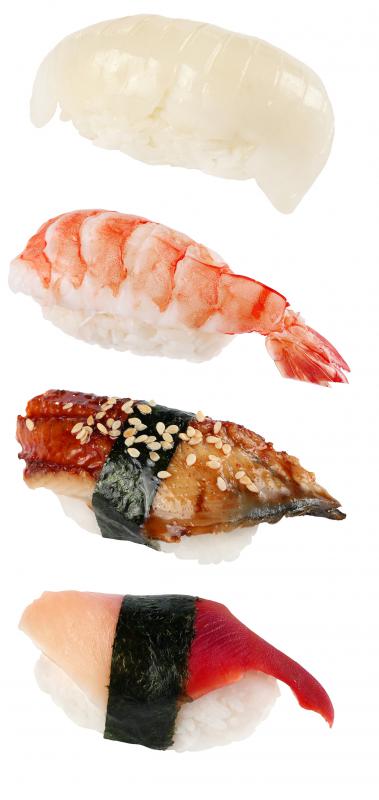
Another popular use of this vegetable is in sauces that are put on sandwiches and salads, but fresh horseradish is delightful. Grating the root is not so delightful, however, and it's important that cooks not rub their eyes if the have been handling it. People who are fans of sushi may be familiar with wasabi, which is sometimes presented as a blob of green paste put on the plate. What is less well known is that what many Americans think of as wasabi is actually an artificial form of the pungent treat, made from horseradish and food coloring. The actual wasabi plant is so expensive that very little real wasabi is on the market.

Horseradish is packed full of potassium and phosphorus. It has long been used as an herbal remedy for respiratory complaints, and most people know that it can clear out the sinuses. Preparations of this root have even been used externally as an ointment to rub into arthritic joints, but too much horseradish can actually burn the skin.
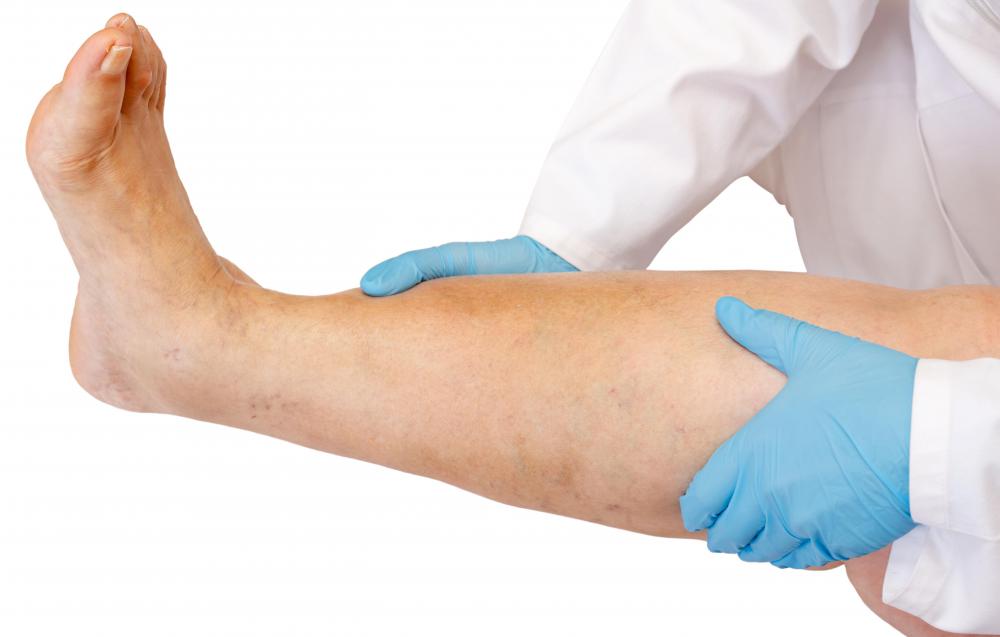
The root also functions as a diuretic. People who have uncomfortable ankle and leg swelling, or other water retention issues, might want to try adding a little horseradish sauce to a sandwich at lunch. Adding it in place of a usual pickle will double the effects, since pickles and olives are prime instigators of water retention.

Scientists are even now studying horseradish as a cancer preventing food. It is packed with glucosinolates, which are known to increase resistance to cancer. Broccoli, also a source of glucosinolates, has only 1/10 as many glucosinolates per weight as horseradish, so people don't have to eat the root by the plateful to achieve some cancer-preventing benefits.
AS FEATURED ON:
AS FEATURED ON:









-
![Sushi is often served with horseradish.]()
Sushi is often served with horseradish. -
![Most wasabi found in stores and restaurans is actually made with horseradish.]() By: Stanislav KomogorovMost wasabi found in stores and restaurans is actually made with horseradish.
By: Stanislav KomogorovMost wasabi found in stores and restaurans is actually made with horseradish. -
![The pungent smell of horseradish may help drain clogged sinuses and ease nasal congestion.]() By: drubig-photoThe pungent smell of horseradish may help drain clogged sinuses and ease nasal congestion.
By: drubig-photoThe pungent smell of horseradish may help drain clogged sinuses and ease nasal congestion. -
![The diuretic properties of horseradish may be helpful for people with liver disease.]() By: pankajstock123The diuretic properties of horseradish may be helpful for people with liver disease.
By: pankajstock123The diuretic properties of horseradish may be helpful for people with liver disease. -
![Horseradish can be irritating to the eyes, so it is important that cooks wash their hands after handling it.]() By: GVictoriaHorseradish can be irritating to the eyes, so it is important that cooks wash their hands after handling it.
By: GVictoriaHorseradish can be irritating to the eyes, so it is important that cooks wash their hands after handling it. -
![People with leg swelling may benefit from using horseradish.]() By: Ocskay BencePeople with leg swelling may benefit from using horseradish.
By: Ocskay BencePeople with leg swelling may benefit from using horseradish.


Discussion Comments
This info was so, so helpful. I love wisegeek because I am in gifted programs and I do independent studies and wisegeek helped me so i could stay with the rest of the group because I was behind a little but this helped me and you don't know how much you helped me, so thank you so, so, so, so much!
@runner101 - I never knew horseradish was in cocktail sauce, no wonder it can be so spicy sometimes!
That is why I love horseradish mustard (particularly on roast beef sandwiches), the mustard plus horseradish adds such a kick!
I am not sure of all the horseradish health benefits out there, but I have heard and felt that it can clear your sinuses (like many spicy foods) but that horseradish can go so far as to help expel mucus from your upper respiratory area!
My favorite use of horseradish (and just like the article describes - I do not try and grate it myself so I buy the prepared horseradish already grated and jarred at the grocery store) is to make cocktail sauce!
Cocktail sauce which is a fabulous dipping sauce for steamed shrimp can be made by adding horseradish to ketchup. It is super easy to make, you simply stir in horseradish into the cocktail sauce, let it sit for few minutes (at least) to let the flavors meld and then taste the cocktail sauce.
You can then add more horseradish if you want to make it spicier or add more ketchup if you want to make it less spicy.
I wondered if horseradish in all of its spiciness had certain health benefits...
To grate horseradish it is best to use some shredding gadget. If you shred it the old fashioned way you will shed plenty of tears.
With vinegar and milk, shredded horseradish makes a nice sauce. To make horseradish cream mix some horseradish with whipping cream, salt, vinegar and a little sugar. The sauce goes well with ham, beef and some fish.
Post your comments