
At BeautyAnswered, we're committed to delivering accurate, trustworthy information. Our expert-authored content is rigorously fact-checked and sourced from credible authorities. Discover how we uphold the highest standards in providing you with reliable knowledge.
What is Horse Chestnut Cream?
Horse chestnut cream is an herbal ointment made from horse chestnut extract. It is used to relieve pain and swelling in the leg muscles, joints, and tendons. The cream is also considered useful in reducing the appearance of swollen leg veins, called varicose veins, and smaller bulges called spider veins. It may also be used to treat painful leg muscle spasms or cramps.
The Latin name for horse chestnut is aesculus hippocastanum, a tree native to the southeastern European region called the Balkans. The tree does not produce the chestnut commonly used for food. Its leaves, bark, and flowers were traditionally used to make medicinal treatments, with the leaves made into a cough syrup and the bark used in a tea to reduce fever.

Most commercial horse chestnut preparations sold in the West now use only the seed. The main active ingredient in horse chestnut seed is its extract aescin, also spelled escin. Aescin is considered an anti-inflammatory and venotonic, which means a tonic for the veins. When taken internally in capsule form, the astringency of horse chestnut extract is supposed to tone and tighten lapsed veins. Applied externally as a cream, it may increase blood circulation to reduce swelling.

The standard application dosage for horse chestnut cream is three to four times a day on the affected area. Once signs of improvement begin, the applications may be less frequent. Many medical professionals and pharmacists believe aspirin and horse chestnut should not be used together because both are blood thinners. Overuse of blood thinners or anticoagulants may cause bruising or excessive bleeding.

Many Western practitioners of herbal medicine feel the most effective course of action to treat swollen veins does not involve relying solely on horse chestnut cream. There are several traditional remedies thought to work well, and compression garments, ice packs, and leg elevation may all be useful and safe remedies to provide additional relief. Leg massage and exercise are thought beneficial to vein health, too.

Unprocessed horse chestnut seeds are toxic. The benefits of the cream have not been evaluated by the US Food and Drug Administration (FDA). A rare reported side effect of using horse chestnut cream is a severe skin allergic reaction, and people who are pregnant or undergoing treatment for kidney or liver disease should not use it. A medical professional should always be consulted before taking any herbal supplement.
AS FEATURED ON:
AS FEATURED ON:


-
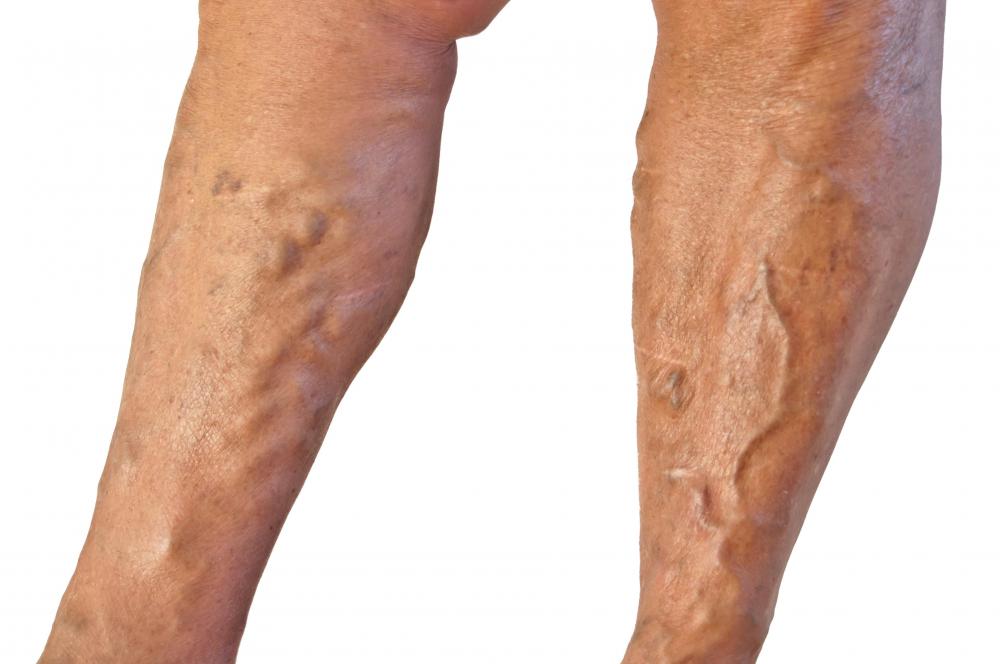
![Horse chestnut cream can be used to reduce the appearance of varicose veins.]() By: roblanHorse chestnut cream can be used to reduce the appearance of varicose veins.
By: roblanHorse chestnut cream can be used to reduce the appearance of varicose veins. -
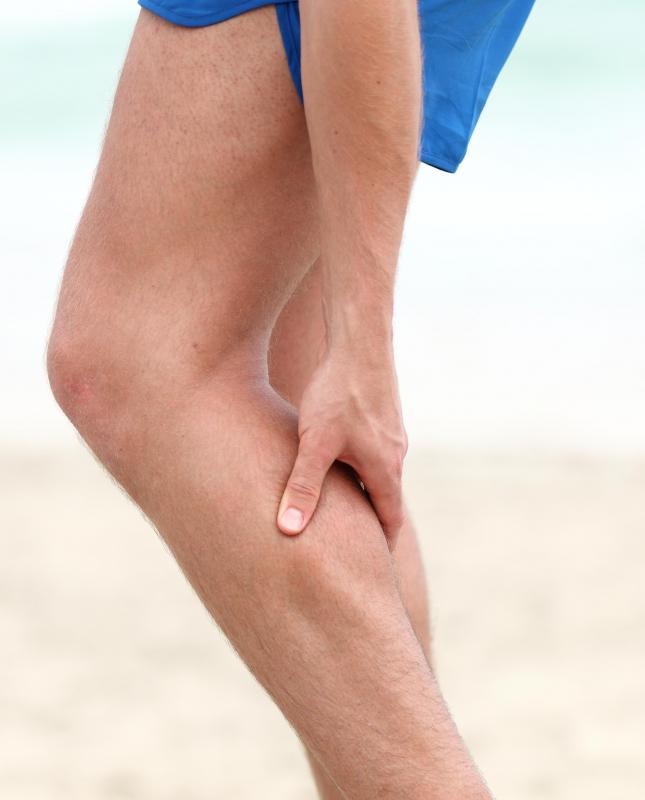
![Horse chestnut cream can be used to treat painful leg cramps.]() By: MaridavHorse chestnut cream can be used to treat painful leg cramps.
By: MaridavHorse chestnut cream can be used to treat painful leg cramps. -
![Compression garments can be used in combination with horse chestnut cream to treat leg swelling.]() By: nitoCompression garments can be used in combination with horse chestnut cream to treat leg swelling.
By: nitoCompression garments can be used in combination with horse chestnut cream to treat leg swelling. -
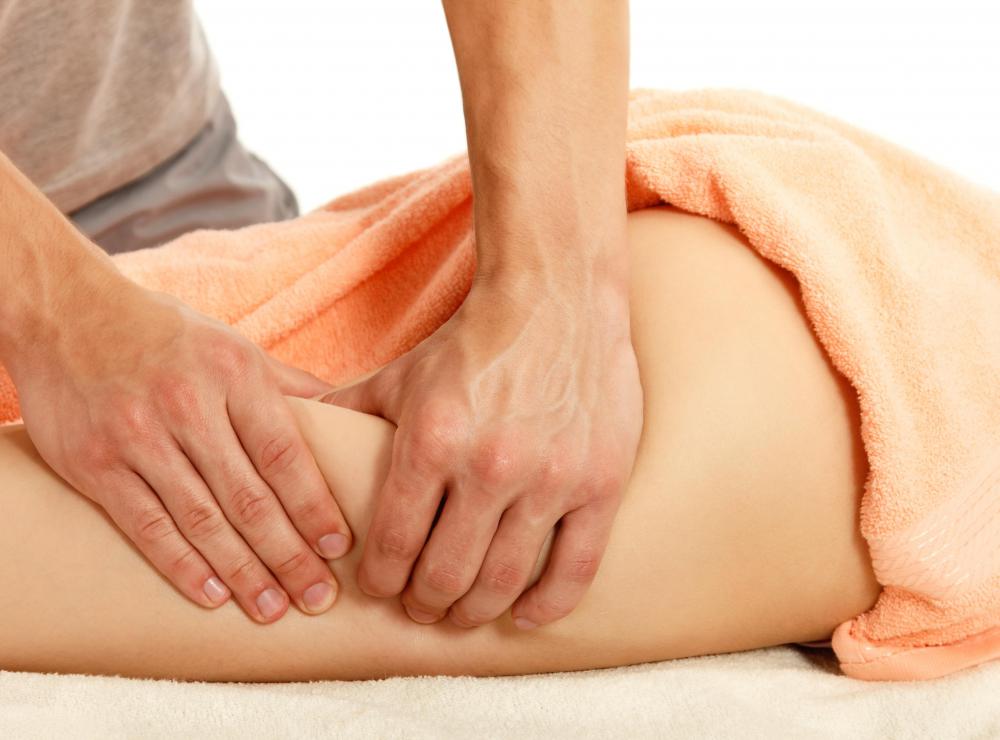
![In addition to horse chestnut cream, leg massage is another way to benefit vein health.]() By: KhorzhevskaIn addition to horse chestnut cream, leg massage is another way to benefit vein health.
By: KhorzhevskaIn addition to horse chestnut cream, leg massage is another way to benefit vein health. -
![Some use horse chestnut cream to reduce the appearance of spider veins.]() By: hrianaSome use horse chestnut cream to reduce the appearance of spider veins.
By: hrianaSome use horse chestnut cream to reduce the appearance of spider veins.


Discussion Comments
I am suffering with varicose veins on my right leg. Can I apply horse chestnut cream?
I've used horse chestnut cream for spider veins and it did reduce their appearance a little bit. The only thing I dislike about the cream is that it smells kind of bad. I don't know if all horse chestnut products are like this. Perhaps I'm too sensitive to the scent, I don't know.
@ddljohn-- I think the horse chestnut cream sold in he US is fairly safe. I have been using it for a month and have not noticed any adverse side effects.
It doesn't seem to do a lot for vericose veins, or perhaps it takes a long time to show effects in that area. Vericose veins are difficult to treat, so that's not surprising.
Horse chestnut cream is fantastic for leg and ankle swelling however. And it also helps with skin discoloration. I tend to experience edema when I stand up for long hours. An application of horse chestnut cream after arriving home relieves the swelling and pain. So I like it for that.
I had no idea that horse chestnut can be used topically for various ailments.
My family is from Turkey and we have a lot of horse chestnut trees in our neighborhood. My mother collects the nuts (which are covered in a green layer with thorns) and uses them in wardrobes and closets as moth balls. Regular moth balls are made from chemicals that can cause cancer. Horse chestnut repels moths and other pests. It protects clothes.
My family always says that horse chestnut cannot be consumed because it's toxic. So I certainly wouldn't want to try to make my own cream. I think those who buy horse chestnut cream should purchase from a trustworthy brand to avoid a product that could cause toxicity. Who knows if these creams are safe or not.
Post your comments