
At TheHealthBoard, we're committed to delivering accurate, trustworthy information. Our expert-authored content is rigorously fact-checked and sourced from credible authorities. Discover how we uphold the highest standards in providing you with reliable knowledge.
What is High Blood Pressure?
 Paulla Estes
Paulla Estes
Paulla Estes
It is now estimated that nearly one out of every three Americans has high blood pressure. Blood pressure is the measurement of how much force the flow of blood puts on the arteries. Although blood pressure rises and falls during the day depending on activity levels, eating habits and other conditions, when blood pressure regularly remains elevated, it is called high blood pressure.
Also known by the medical term hypertension, high blood pressure is measured in numbers based on the systolic and diastolic pressures of the blood. Systolic pressure measures the force of blood against the walls of the arteries as the heart beats, while diastolic pressure measures the force of blood on the walls of the arteries between heart beats, when the heart is relaxed. These two numbers are shown in sequence from top to bottom, with the systolic pressure measurement on top and the diastolic on bottom. For instance, a healthy blood pressure is 110/70, with a systolic pressure of 110 and a diastolic pressure of 70.

High blood pressure readings differ for everyone and are difficult to pin down, since our blood pressure rises and falls during the day, but a good healthy blood pressure is usually 120/80 or lower. A systolic pressure which consistently reads from 120 to 139, with a diastolic reading of 80 to 89, is considered pre-high blood pressure. Stage one hypertension is a consistent systolic reading of 140 to 159, with a diastolic reading of 90 to 99. Stage two is anything consistently over 160/100.

When the blood pressure is high, it forces the heart to work harder than it should. The extra force of blood against the walls of the arteries can cause the arteries to harden. Also known as "the silent killer," this condition can lead to stroke, heart attack, heart failure, kidney failure or blindness. However, there are rarely any symptoms; the only way to know if you have high blood pressure is to have it checked.

Blood pressure readings should always be viewed in regard to other conditions which may cause a temporary rise, including stress, fear, anger, fatigue, and anxiety at being in a doctor's office. High blood pressure can also be caused by cardiovascular and kidney disorders, neurological conditions, pre-eclampsia in pregnancy, and various medications.

Hypertension does not discriminate; anyone can develop it, regardless of age, race or gender. The good news is that this condition can be treated and prevented. While there are many medications designed to lower blood pressure, there are also lifestyle changes which can help. Losing weight, exercise, a healthy low-fat diet, and consuming less sodium and alcohol will contribute to lowering high blood pressure. Always talk to your doctor before making changes in diet or exercise, and have your blood pressure checked regularly.
Paulla Estes
Paulla is a freelance writer and website editor who currently lives in Maine. Paulla has a B.A. in English Literature from George Mason University and over 15 years of experience as a freelancer. She relishes the flexibility and consistency of working on TheHealthBoard articles, as well as the opportunity to constantly learn something new.
Learn more...
Paulla Estes
Paulla is a freelance writer and website editor who currently lives in Maine. Paulla has a B.A. in English Literature from George Mason University and over 15 years of experience as a freelancer. She relishes the flexibility and consistency of working on TheHealthBoard articles, as well as the opportunity to constantly learn something new.
Learn more...AS FEATURED ON:
AS FEATURED ON:


-
![If someone is experiencing unusual physical symptoms, they should have their blood pressure checked.]() By: Izaokas SapiroIf someone is experiencing unusual physical symptoms, they should have their blood pressure checked.
By: Izaokas SapiroIf someone is experiencing unusual physical symptoms, they should have their blood pressure checked. -
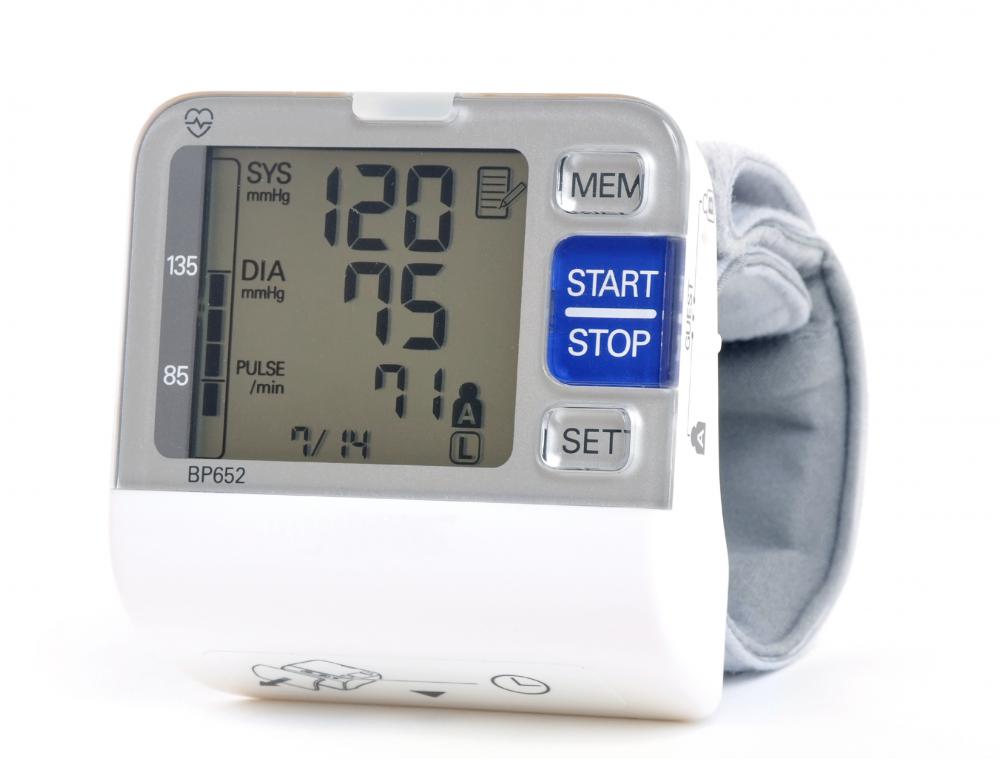
![A high blood pressure reading is considered above 120/80.]() By: Stephen VanHornA high blood pressure reading is considered above 120/80.
By: Stephen VanHornA high blood pressure reading is considered above 120/80. -
![Anger can cause a temporary increase in blood pressure.]() By: Scott GriesselAnger can cause a temporary increase in blood pressure.
By: Scott GriesselAnger can cause a temporary increase in blood pressure. -
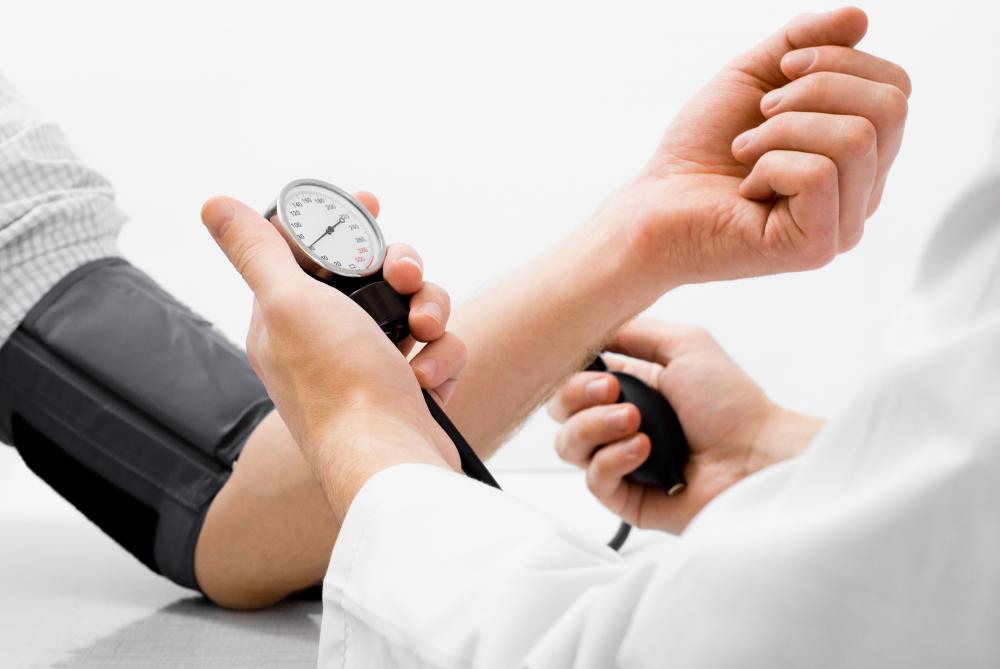
![Blood pressure is the measurement of how much force the flow of blood puts on a person's arteries.]() By: Andrei TsalkoBlood pressure is the measurement of how much force the flow of blood puts on a person's arteries.
By: Andrei TsalkoBlood pressure is the measurement of how much force the flow of blood puts on a person's arteries. -
![High blood pressure can be the result of pre-eclampsia during pregnancy.]() By: jovanmandicHigh blood pressure can be the result of pre-eclampsia during pregnancy.
By: jovanmandicHigh blood pressure can be the result of pre-eclampsia during pregnancy. -
![High blood pressure readings differ from person to person.]() By: RidoHigh blood pressure readings differ from person to person.
By: RidoHigh blood pressure readings differ from person to person. -
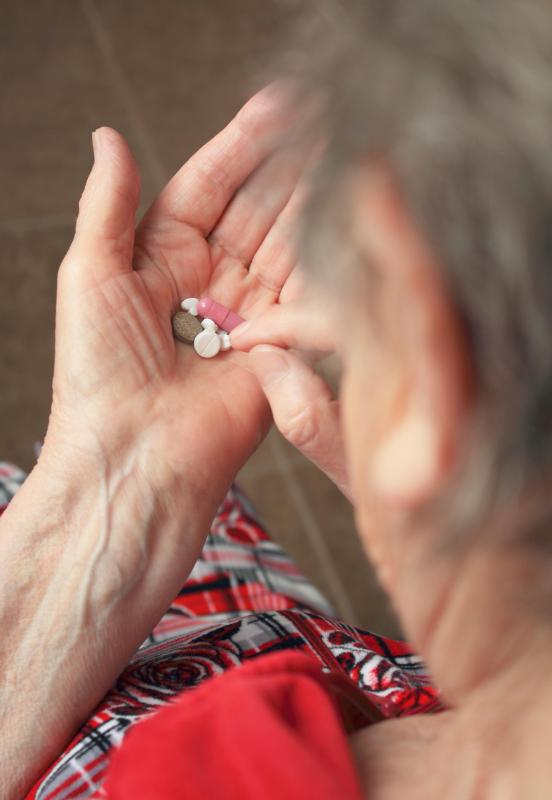
![There are many medications designed to lower blood pressure.]() By: krutoevaThere are many medications designed to lower blood pressure.
By: krutoevaThere are many medications designed to lower blood pressure. -
![High blood pressure during pregnancy may lead to stillbirth.]() By: Monkey BusinessHigh blood pressure during pregnancy may lead to stillbirth.
By: Monkey BusinessHigh blood pressure during pregnancy may lead to stillbirth.





Discussion Comments
Caccosta: There are several things which can increase blood pressure such as stress, pain, emotional fluctuations, and nervousness. It is better to take several readings and average them out then to base results on one reading.
I don't personally know your son or his lifestyle, however I do know that being an EMT is a very stressful job, which could be causing him to have momentarily high BP.
First and foremost, he needs to analyze his lifestyle, and his diet. If those are not in check he needs to eat foods low in fat, especially trans fat, and exercise regularly. If they are in check he needs to consider his stress level as a risk factor, and think of ways to manage it. Hope that helps a little.
My son is 29 years old and while in school to be an emergency medical technician (EMT) and learning to take a blood pressure reading found that his blood pressure was extremely high.
Why would someone so young have high blood pressure and what can he do to lower it? Any information would be great.
High blood pressure can create many serious problems, and because there are no visible symptoms, people often do not know they have high blood pressure. It is a good idea to check it periodically.
If blood pressure is high, then changes in diet and exercise might be all that is needed do bring blood pressure back to normal levels. However, if that is not enough then medication prescribed by a doctor can help.
Unchecked high blood pressure, can cause heart failure, kidney failure, stroke and a host of other serious problems.
I was wondering if high blood pressure is something seriously to be worried about? Additionally, can you die form high blood pressure and if so then what are the risks?
I read that you should not take Ginsing if you are taking blood pressure medicine.
Post your comments