
At AllThingsNature, we're committed to delivering accurate, trustworthy information. Our expert-authored content is rigorously fact-checked and sourced from credible authorities. Discover how we uphold the highest standards in providing you with reliable knowledge.
What is Hibernation?
Animals enter hibernation during winter to conserve energy by going into a deep sleep-like state. Mammals, such as gophers, bears, skunks, raccoons, hamsters, and bats, lower their metabolism and enter a state of torpor, but they are not asleep. With a slowed heart rate and lowered body temperature, these animals have adapted to survive cold winters with little or no sustenance.
The dormant state means the hibernating animals minimally eat, drink, move, think, or defecate. Some "deep" hibernators, like bears, almost never rouse themselves once they are secure in their den. Other animals, especially rodents, frequently come out of this state to snack on food harvested during the summer and fall. Cold-blooded creatures, such as reptiles and amphibians, also can be said to hibernate. They are always the same temperature as their surroundings, however, so this "sleep" means something different. For instance, wood frogs actually freeze solid over winter, while a natural antifreeze, glucose sugar, protects their organs.

Once in wintering mode, in a snug den, most animals do not need significant external energy sources. They survive plummeting temperatures by lowering their own body temperature, sometimes to within degrees of the freezing point of water. Physiologically, their bodies reduce their need for energy by almost stopping their heartbeat.
In the months leading up to the cold season, the animal has stored fat by eating more than usual. It receives the little energy it does need by breaking down stored carbohydrates and fats. Organs and muscles even donate some sustenance. A bear actually borrows protein and water from its organs, because it can regenerate them to healthy levels once spring comes.

No one knows exactly what triggers hibernation in various animals. It might be a change in light exposure, measured by melatonin levels, which alerts animals to the coming winter and nudges them to seek out a burrow. A lessening food supply might be what makes them drowsy and lethargic. Biologists have been successful at triggering this state in certain species, like rodents, in the laboratory.

Of course, biologists also use their research to solve human problems. Some scientists think that humans might hibernate one day, such as in order to travel to Mars or lose weight. Researchers are looking for clues to healing people's liver disorders, kidney disease, starvation, or obesity, by studying mammals in this state as well. Humans might carry dormant genes that, when triggered, could regenerate damaged muscles and organs.
Frequently Asked Questions
What exactly is hibernation in animals?

Hibernation is a state of inactivity and metabolic depression in endotherms. During hibernation, animals conserve energy by significantly lowering their body temperature, slowing breathing and heart rate, and decreasing metabolic rate. This adaptation allows them to survive periods when food is scarce, particularly in winter, by utilizing their stored body fat as energy.
Which animals typically undergo hibernation?

Common hibernators include species adapted to cold climates, such as ground squirrels, bats, and certain bear species, although bears experience a less intense form of hibernation known as torpor. Other hibernators are hedgehogs, dormice, and some species of turtles and frogs. Each species has evolved hibernation strategies suited to its environment and biological needs.
How do animals prepare for hibernation?
Animals prepare for hibernation by eating extra food and storing it as body fat to use as energy during their dormant period. Some, like the American black bear, can gain up to 30 pounds of body weight per week before hibernation. They also seek out or create a hibernaculum—a safe, sheltered space to hibernate, such as a burrow or cave.
Is hibernation the same as sleep?
No, hibernation is not the same as regular sleep. While both involve rest, hibernation is a deeper state of dormancy. The animal's physiological processes slow dramatically, conserving energy at a much higher level than during sleep. Hibernating animals are not alert and do not respond to stimuli as they would when sleeping.
Can hibernating animals wake up during their hibernation period?
Yes, hibernating animals can wake up during their hibernation period, although it's not common. These arousals can be spontaneous or triggered by external disturbances. However, waking up is energetically costly, and animals will return to hibernation as soon as possible to conserve energy. The frequency and duration of these arousals vary among species.
How does hibernation affect an animal's lifespan?
Hibernation can positively affect an animal's lifespan. By avoiding harsh winter conditions and conserving energy when food is scarce, hibernating animals reduce the risk of predation and starvation. According to research, some hibernating species, like the European hedgehog, can have extended lifespans due to the reduced wear and tear on their bodies during hibernation.
AS FEATURED ON:
AS FEATURED ON:









-
![Bears are considered "deep" hibernators, which rarely move out of their dens in winter.]() By: byrdyakBears are considered "deep" hibernators, which rarely move out of their dens in winter.
By: byrdyakBears are considered "deep" hibernators, which rarely move out of their dens in winter. -
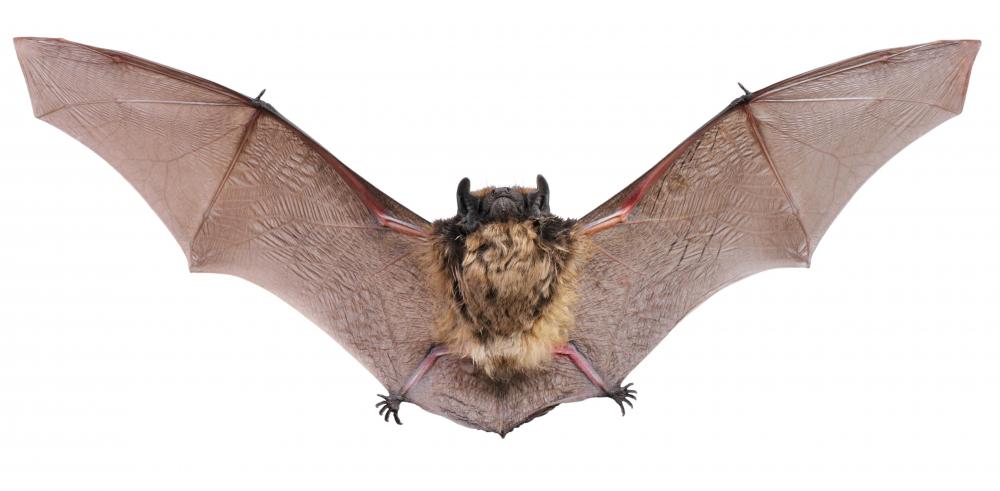
![Bats are one of the creatures that lower their metabolism and enter a state of torpor during winter.]() By: cheri131Bats are one of the creatures that lower their metabolism and enter a state of torpor during winter.
By: cheri131Bats are one of the creatures that lower their metabolism and enter a state of torpor during winter. -
![Many frogs hibernate.]() By: andrewburgessMany frogs hibernate.
By: andrewburgessMany frogs hibernate. -
![Skunks hibernate.]() By: Eric IsseléeSkunks hibernate.
By: Eric IsseléeSkunks hibernate. -
![Raccoons are hibernating mammals.]() By: chas53Raccoons are hibernating mammals.
By: chas53Raccoons are hibernating mammals.



Discussion Comments
Crocodiles hibernate too, which is pretty cool.
I wonder what would happen if someone disturbed a hibernating animal. Would the animal wake up or keep sleeping?
@feasting-- Yea, squirrels don't hibernate, they're just less active in winter. I looked it up because I keep seeing baby squirrels running about in December. They don't seem upset from the cold at all. They're having a good time.
I've often thought it would be nice to be able to hibernate through the winter. I hate cold weather, and I'm extremely sensitive to it. I have to wear more clothing than anyone I know in order to stay warm during the cold months, and I would love to just snuggle down beneath some warm blankets and sleep the months away.
I've read that a turtle's hibernation is different than that of warm-blooded animals. Since they are cold-blooded, they can't digest food well when it's cold outside, so they have to stop eating awhile before they will begin hibernation.
This lets their digestive systems get totally cleared out. Then, they can burrow down somewhere safe for the winter.
Other animals do the opposite, eating extra food to store up fat for the winter. Reptiles actually fast instead.
@feasting – You see them in winter because they don't hibernate in the way that bears do. They go into torpor, so they still need to eat now and then.
I have a lot of trees in my yard, and I've noticed that they go into holes in the trunks to build their nests. They do tend to hide out here for longer periods when it's cold than when it's warm.
Do squirrels hibernate in climates with moderate winters? I live in the South, and I see them running about all year round. I'm thinking that maybe this is because the temperature rarely falls below the forties here.
I did research on bears, how they hibernate, and it says they hibernate three to four months, which is a long time. Imagine sleeping for thre months straight without waking up at all. It's crazy!
Anyway, bears also have their babies while hibernating. The male bear and the female bear hibernate, not together, but away from each other in their own cave.
Lots of animals hibernate, including some bats, ground squirrels and some other rodents, mouse lemurs, many insectivores, monotremes, some snakes and marsupials.
I thought only some mammals hibernate. I never knew that reptiles do too. I guess I was wrong.
@burcinc-- Actually, it doesn't. Most animals which do hibernate do so during winter because they are not able to find enough food during those months and also because the temperatures are too low for what their body requires. But a type of hibernation can take place in other climates too. When climate and food conditions become too difficult due to too much cold, heat or even too dry weather, hibernation allows animals to get through those difficult periods.
For desert ground squirrels, hibernation is necessary not only in winter but also during the summer when it becomes too hot and dry. Lemurs also hibernate during Madagascar's dry season as do some frogs.
Why does hibernation happen only during winter?
I thought that all animals that hibernate do so by themselves, but its not true. Raccoons, snakes, squirrels and mice cuddle together in sometimes hundreds to stay warm during the cold hibernation season. For some of these animals, hibernation and mating is the only time they actually get together.
Of course, now the term hibernate has taken on a new meaning, like many other biology terms. Computer hibernation is when a computer or laptop "rests" while not in use. It is still on, and the information is still accessible, because you can often "wake" it just by touching the mouse.
Post your comments