
At TheHealthBoard, we're committed to delivering accurate, trustworthy information. Our expert-authored content is rigorously fact-checked and sourced from credible authorities. Discover how we uphold the highest standards in providing you with reliable knowledge.
What is Hepatosplenomegaly?
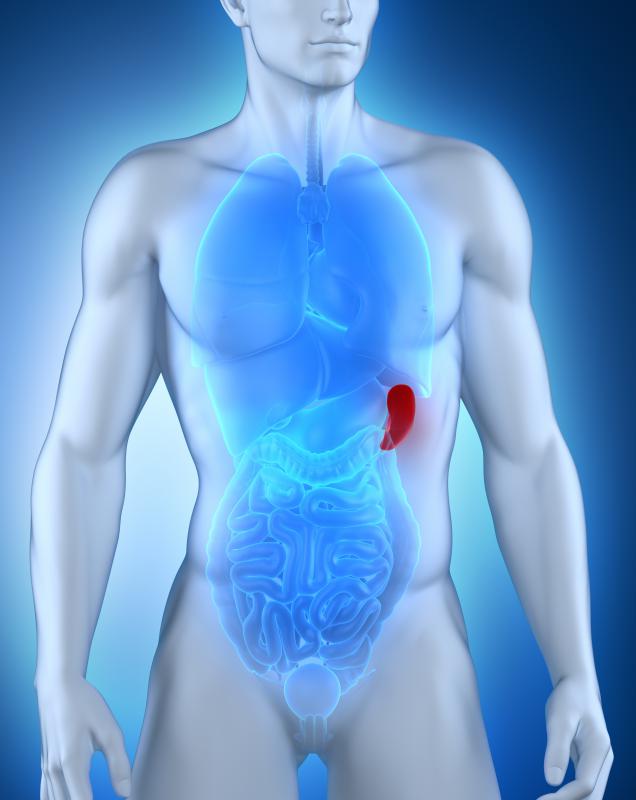
Hepatosplenomegaly is a medical condition in which both the liver and spleen are enlarged. A health care professional can make a hepatosplenomegaly diagnosis during a clinical examination. Common causes include the presence of certain other medical problems, such as mononucleosis, hepatitis, and some types of genetic disorders. Prescribed treatments depend on the specific diagnosis.
Symptoms

The most common symptom of hepatosplenomegaly is pain in the upper right abdomen. There may also be noticeable swelling, particularly on the right side of the abdomen, as well as tremors and a fever. Many people with this condition have gastrointestinal problems like a stomach ache, nausea, vomiting, diarrhea, and changes in urine and stool color. As the condition progresses, they may also develop jaundice, which is a yellowing of the skin and eyes. In addition to these symptoms, people with this condition usually have symptoms related to the underlying disease or disorder that's causing the swelling.
Causes

Common causes of hepatosplenomegaly are mononucleosis, hepatitis, and Lysosomal Storage Disorders (LSDs). Mononucleosis spreads through saliva and mucus, and may cause a high fever, enlarged lymph nodes, and a severe sore throat. Patients diagnosed with mononucleosis are most often between the ages of 15 and 17, and most of them make full recoveries after the virus runs its course. Antibiotics generally do not work in treating this kind of virus, although some health care specialists may prescribe corticosteroid medications to help relieve throat swelling.

Another common cause of this condition is acute viral hepatitis. In addition to an enlarged liver and spleen, patients with acute viral hepatitis may also experience poor appetite, fever, and jaundice of the skin or whites of the eyes. Recovery can take up to eight weeks, and treatment normally entails several courses of antiviral medications.
LSDs, a group of about 50 rare genetic conditions, can also cause swelling of the liver and spleen. The most common LSDs are Gaucher's, Niemann-Pick, and Tay-Sachs diseases. Each one is usually diagnosed in early childhood and can cause death shortly thereafter. There is no cure for LSDs, but treatment with bone marrow transplantation and enzyme replacement therapy may alleviate certain symptoms.

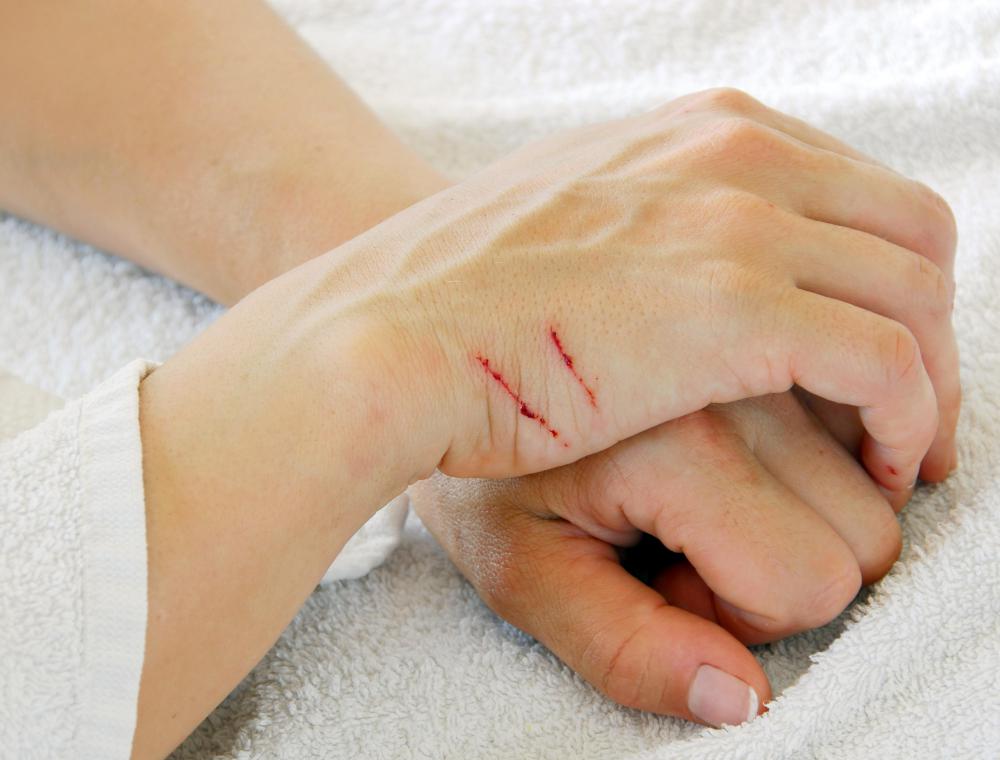
Other causes of hepatosplenomegaly may include tuberculosis, malaria, and some forms of cancer. Some auto-immune disorders can also lead to this condition, including Systemic Lupus Erythematosis (SLE) and juvenile rheumatoid arthritis. Parasitic infections, chronic alcoholism, and cat scratch fever are also associated with liver and spleen swelling.
Diagnosis

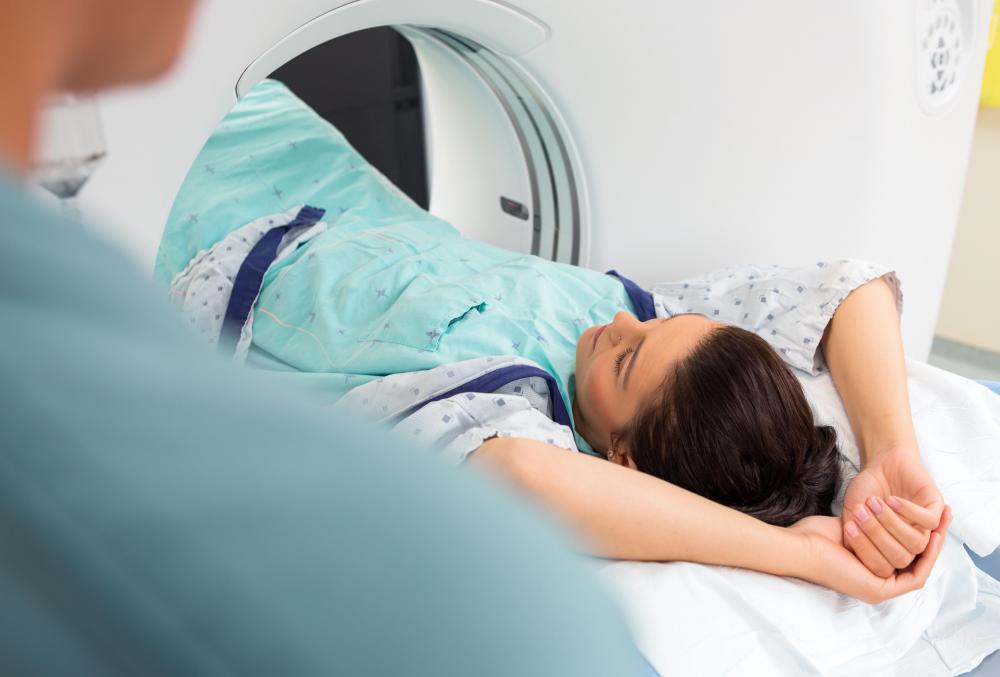
Hepatosplenomegaly is usually diagnosed with an ultrasound or a Computed Tomography (CT) scan of the abdomen. If a healthcare provider suspects that a person has a disease that affects the liver and spleen, he or she will usually order tests for that condition as well. For instance, if a person comes in with jaundice and complaining of abdominal pain, the healthcare provider would test him or her for hepatitis as well as doing a scan of the abdomen.
Treatment

The treatment for hepatosplenomegaly largely depends on the underlying cause. Most of the time, when that is treated, the swelling goes down naturally. In those with conditions that can't be cured, treatment focuses on managing the symptoms and improving the liver and spleen's function. This includes things like enzyme replacement therapy, which can help keep the size of the liver and spleen down, and avoiding things that stress the liver, like drinking alcohol or taking Non-Steroidal Anti-Inflammatory Drugs (NSAIDs).
Complications

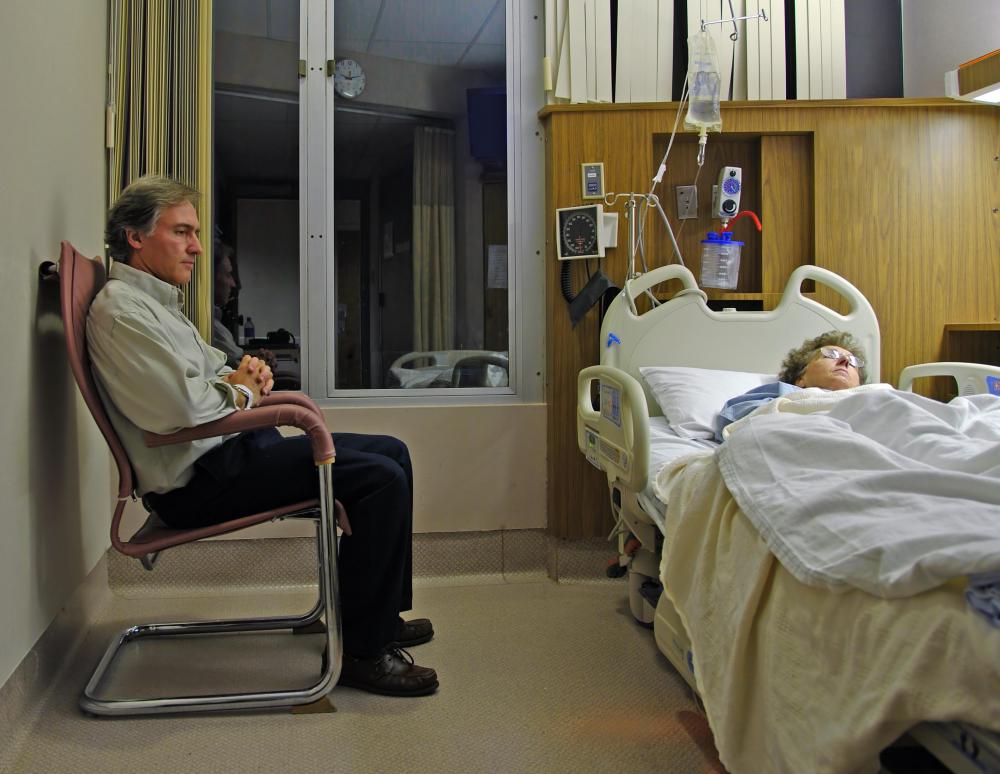
There are a number of complications associated with this condition, including liver failure. If this happens, a person may become confused, go into a coma, or die. Hepatosplenomegaly can also lead to a ruptured spleen, which can cause serious internal bleeding and death.
AS FEATURED ON:
AS FEATURED ON:


-
![People with hepatosplenomegaly may experience a high fever.]() By: Piotr MarcinskiPeople with hepatosplenomegaly may experience a high fever.
By: Piotr MarcinskiPeople with hepatosplenomegaly may experience a high fever. -
![Spleen and liver swelling can be caused by chronic alcoholism.]() By: kmiragayaSpleen and liver swelling can be caused by chronic alcoholism.
By: kmiragayaSpleen and liver swelling can be caused by chronic alcoholism. -
![Hepatosplenomegaly is usually diagnosed through a CT scan.]() By: Tyler OlsonHepatosplenomegaly is usually diagnosed through a CT scan.
By: Tyler OlsonHepatosplenomegaly is usually diagnosed through a CT scan. -
![Hepatosplenomegaly often have abdominal pain.]() By: Julija SapicHepatosplenomegaly often have abdominal pain.
By: Julija SapicHepatosplenomegaly often have abdominal pain. -
![Cat scratches may cause swelling of the liver and spleen.]() By: Julija SapicCat scratches may cause swelling of the liver and spleen.
By: Julija SapicCat scratches may cause swelling of the liver and spleen. -
![Hepatosplenomegaly may cause a person to go into coma.]() By: Claudio's PicsHepatosplenomegaly may cause a person to go into coma.
By: Claudio's PicsHepatosplenomegaly may cause a person to go into coma. -
![An ultrasound can be used to investigate an enlarged liver and spleen.]() By: nyulAn ultrasound can be used to investigate an enlarged liver and spleen.
By: nyulAn ultrasound can be used to investigate an enlarged liver and spleen. -
![Many different conditions can cause the liver and spleen to swell.]() By: CLIPAREA.comMany different conditions can cause the liver and spleen to swell.
By: CLIPAREA.comMany different conditions can cause the liver and spleen to swell. -
![The presence of mononucleosis may cause the lymph nodes to swell.]() By: Barabas AttilaThe presence of mononucleosis may cause the lymph nodes to swell.
By: Barabas AttilaThe presence of mononucleosis may cause the lymph nodes to swell.





Discussion Comments
Renegade, yes. Since Mono, Hepatitis, and alcohol are all things you can pick up at a party, it is good to reduce attendance at these events, and not to pick up a stranger for sex or drink more than two alcoholic beverages during the party.
Helpful treatments to reduce liver swelling are: reduce overall consumption of fats. The fats you do eat should be from plant sources like walnuts, avocados, and olive oil. MSM helps, as does supplementing with Vitamin C and NAC. Replace whole milk with low-fat milk or organic soymilk (1-3 cups/day), and drink four to six ounces of raw veggie juice in the morning. Make sure you drink plenty of purified water throughout the day, 20-30 minutes before and/after meals (unless you have CKD). The proteins in your diet should be mainly from four to eight ounces of beans and legumes, and three to four ounces of lean meat, from sirloin, chicken or turkey breast, or fish, every day, to provide your basic requirements.
One of the most common causes of enlarged liver and spleens is obesity. Particularly fatty liver. The best "medicine" for treating it is to change your lifestyle because your current one is killing you slowly. Change your diet (eat quality proteins, healthy fats, and complex carbs) and start exercising.
I was just told I have Hepatosplenomegaly today. The doctors didn't tell me what that means. This helps me a lot.
This can also be a complication of Wilson's disease.
What is the medicine used for hepotospleenomagly? I have a fatty liver and it is of enlarged size.
What is the medicine used for hepotospleenomagly? I have a fatty liver and it is of enlarged size.
what test need to be done to determine the cause of hepatosplenomegaly?
@eduguy1313 - Based on research that I have seen online, alcohol is related directly to cirrhosis of the liver. Some websites do indicate that alcohol can cause hepatomegaly.
This makes sense to me as this indicates directly that the liver is enlarged, which is doing the processing of the alcohol. However, we do have to consider enlargement of the spleen. I can't find any resources that directly mention alcohol's effect on this. It seems the definitions are fall within a gray area, and are made on a case-by-case basis depending on the patient.
I've been told that mild hepatosplenomegaly can come about due to excessive consumption of alcohol? I noticed the pathogenesis for the disease described in this article didn't mention alcohol consumption, and I wondered if no hepatosplenomegaly occurs due to alcohol consumption? Perhaps just hepatomegaly?
These dangerous conditions can be caused by excessive partying, kissing, and sex. It is important to have good self-control and recognize a party foul. People that you hang out with should be sure that they are well-protected and can trust each other. Things that happen in wild parties can be dangerous.
Post your comments