
At HomeQuestionsAnswered, we're committed to delivering accurate, trustworthy information. Our expert-authored content is rigorously fact-checked and sourced from credible authorities. Discover how we uphold the highest standards in providing you with reliable knowledge.
What is Hemp?
 Mary McMahon
Mary McMahon
Mary McMahon
Hemp is a natural fiber product of the Cannabis sativa plant. There are other byproducts of this plant, but hemp is produced from a type specifically bred to yield long fibers. Its cultivation for industrial purposes has been undertaken for thousands of years, and the fibers were used to manufacture rope, canvas, paper, and clothing until alternative textiles for these purposes were discovered.
Traditionally, hemp has been a very coarse fiber, which made it well suited to rope but less than ideal for clothing designed to be worn against human skin. Advances in breeding of the plants and treatment of the fibers have resulted in a much finer, softer fiber, which is ideal for weaving into clothing. While hemp clothing in the late 20th century came to be associated with fringe movements, it was once widely utilized as a textile: the word canvas, for example, is related to Cannabis, one of the original components of canvas.

As of 2006, it was still very difficult to grow industrial hemp in the United States, due to the plant's confusion with marijuana. Though the two plants are members of the same species, they have been bred to achieve different ends, and industrial hemp does not contain enough tetrahydrocannabinol to make it a psychoactive substance. The growth of this plant in the United States is heavily regulated, although the neighboring nation of Canada grows commercial amounts of the product.

In addition to providing useful fibers, hemp seed also has high nutritional value, and it can be used to make biodegradable plastics, some fuels, and a variety of other things. While this plant is unlikely to save the world, as many proponents are fond of saying, it is an underutilized vegetable resource. Hemp is rich in healthy fats and some vitamins, depending on how it is grown. As a result, it is frequently used in skin salves and balms, as well as in nutritional supplements.

Hemp clothing tends to be strong, insulating, absorbent, and durable. This durability makes it well suited to garments that will see hard wear, because the fibers can last up to three times longer than cotton fibers. Most frequently, this type of clothing is woven, although the fibers tend to form chunkier threads than other natural textile components like cotton. Hemp can also be used in knits.
Untreated hemp fiber is pale blonde in color and takes dye well. Many textile products made from this fiber are colored with plant dyes, which gives hemp an undeserved reputation for being dull in color. In fact, it can be dyed as vividly as other textiles like cotton.
Mary McMahon
Ever since she began contributing to the site several years ago, Mary has embraced the exciting challenge of being a HomeQuestionsAnswered researcher and writer. Mary has a liberal arts degree from Goddard College and spends her free time reading, cooking, and exploring the great outdoors.
Learn more...
Mary McMahon
Ever since she began contributing to the site several years ago, Mary has embraced the exciting challenge of being a HomeQuestionsAnswered researcher and writer. Mary has a liberal arts degree from Goddard College and spends her free time reading, cooking, and exploring the great outdoors.
Learn more...AS FEATURED ON:
AS FEATURED ON:


-
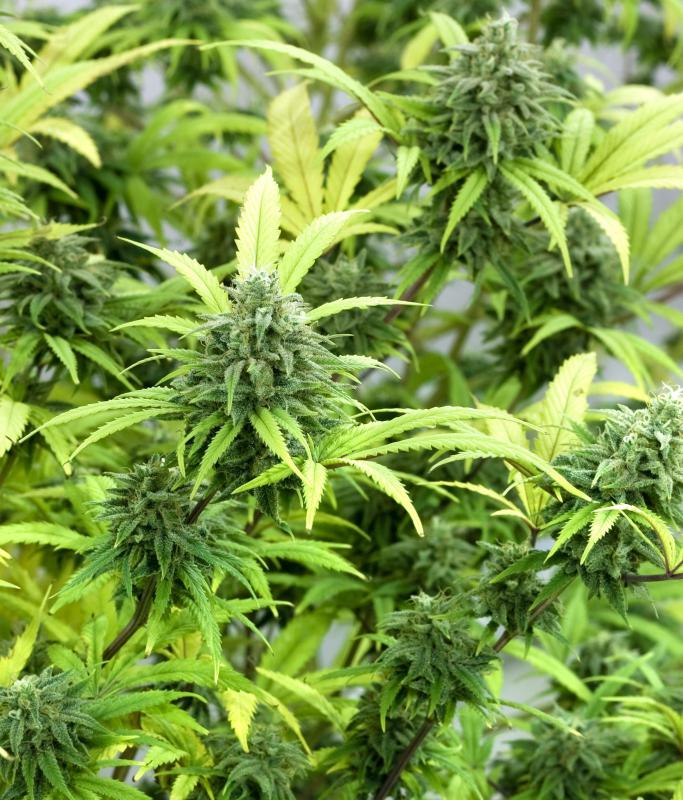
![Hemp plants.]() By: Boyan DimitrovHemp plants.
By: Boyan DimitrovHemp plants. -
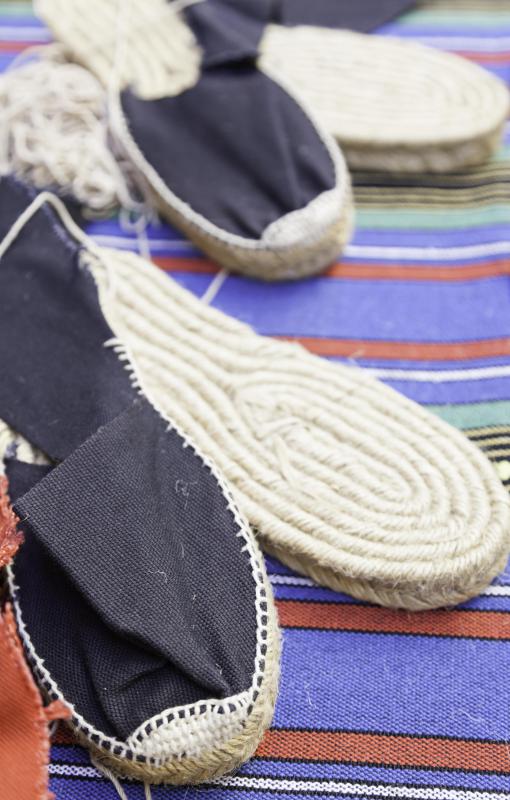
![Shoes, sweaters, pants and socks are among the many clothing items which can be made from hemp.]() By: esebeneShoes, sweaters, pants and socks are among the many clothing items which can be made from hemp.
By: esebeneShoes, sweaters, pants and socks are among the many clothing items which can be made from hemp. -
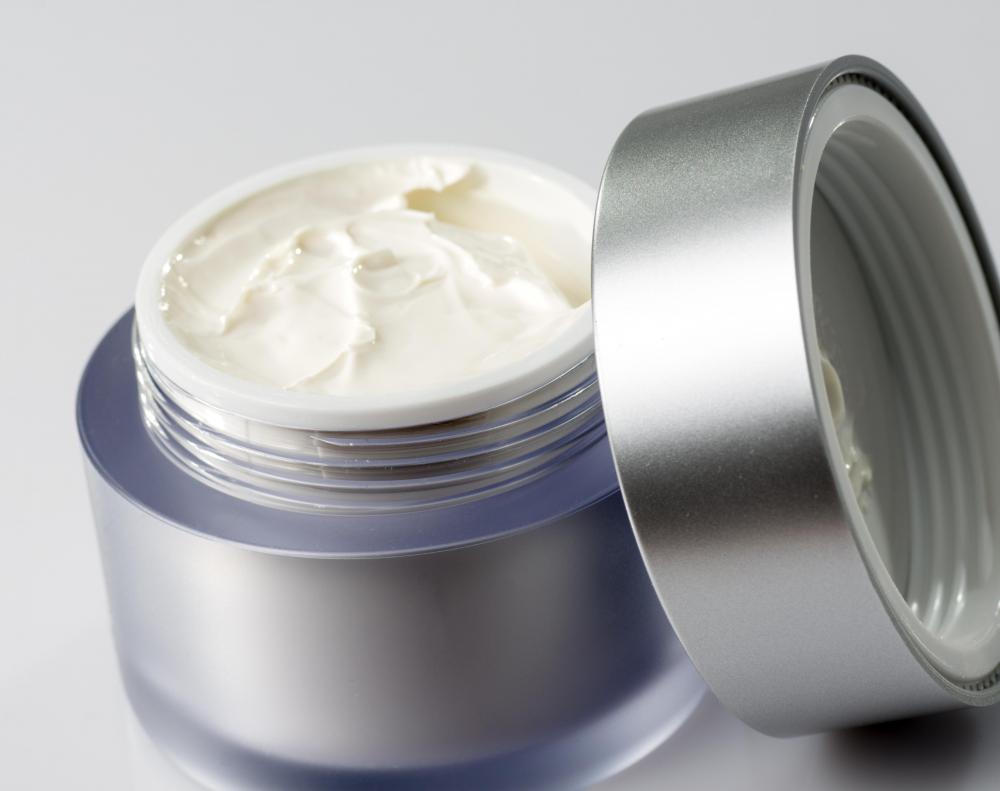
![Hemp is sometimes an ingredient in skin salves and creams.]() By: luiscarcellerHemp is sometimes an ingredient in skin salves and creams.
By: luiscarcellerHemp is sometimes an ingredient in skin salves and creams.
Discussion Comments
'Hemp' can only be grown above and below the 40 degree parallel; UVA/B exposure between the 40 degrees makes 'hemp' produce more THC; thus it becomes cannabis again.
Hemp is still illegal in Lithuania, although we've grown it for two years in Lithuania. According to EU laws it is legal, but by Lithuanian laws it's illegal to grow Hemp. How we can help Lithuania to make Hemp growing legal?
What about hemp milk? How is this made? --T
@wooster0 - You have some very interesting points regarding hemp. Most lamp wicks in the past were made of papyrus, jute, tow, linen, or rush. These days, they are using fiberglass, hemp, or cotton. There are even some made or paper and wool. Often, cotton and hemp are blended together for a better burning wick. The fiberglass wicks are made from fiberglass threads and are inorganic. This makes them last longer than cotton or even hemp.
Hemp is a variation of the cannabis sativa plant. It is one of the most useful plants available to us.
There are over 20,000 different products made with hemp, such as textiles, rope, paper, food, medicine, and body care products. It has the second highest amount of protein of any food.
Doctors have used hemp seed for patients who have trouble with digestion. Oils from hemp seed can even reduce the risk of heart disease.
There are many misconceptions about hemp. For many years, hemp has been mistaken for marijuana. Whereas, the glands ohemp do contain THC (.05 percent), the amount is so low that no one could get high from it. Hemp contains a high percentage of a cannabinoid, CBD, which counteracts and blocks the THC in it.
No mention is made of 'hemp' being used as a material suitable for the jointing of screwed black iron pipework (including sprinkler pipework). The question is what is "Lampwick" and how does it differ from hemp.
A second question is why does the NFPA 13 (6.5.1.3) not allow any material other than the use of a 'joint compound' or 'tape' to sprinkler pipes. Why cannot hemp be used?
Post your comments