
At WiseGEEK, we're committed to delivering accurate, trustworthy information. Our expert-authored content is rigorously fact-checked and sourced from credible authorities. Discover how we uphold the highest standards in providing you with reliable knowledge.
What Is Gunpowder Tea?
 Tricia Christensen
Tricia Christensen
Tricia Christensen
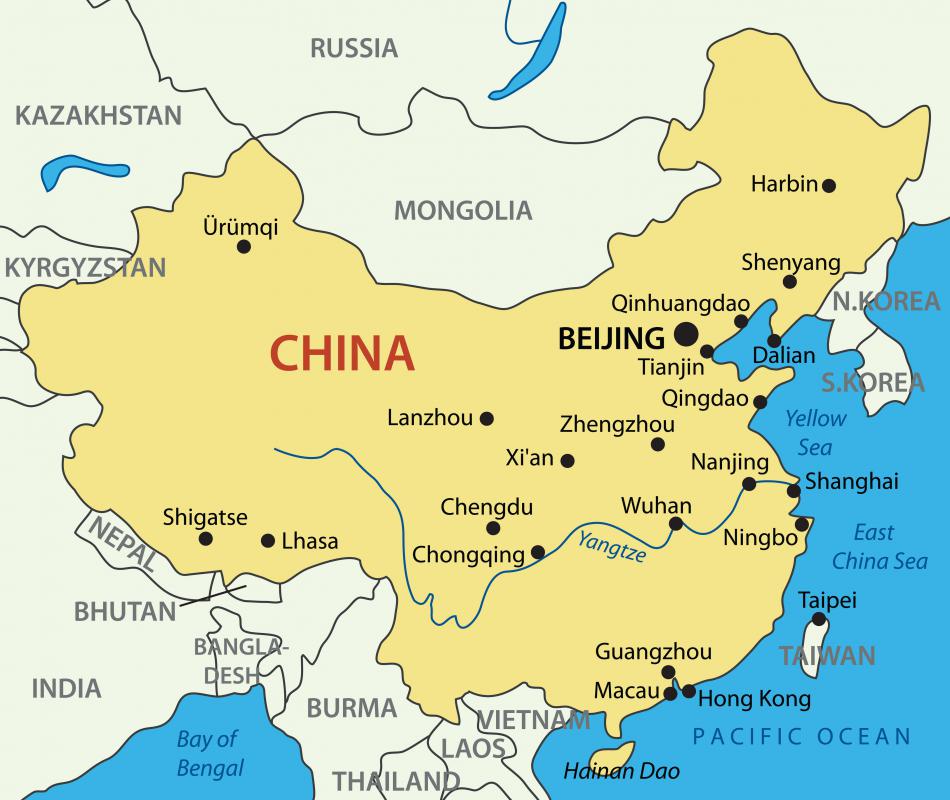
Gunpowder tea is green tea that is rolled into small pellets resembling the gunpowder pellets that were used in earlier times to load into cannons. The tea precedes cannons in origin, and the way it is made dates back to approximately the 7th century CE, during the Tang Dynasty rule in China. In China, gunpowder tea is known by several different names, like pinyin, and zhu cha, and is principally manufactured in the Southeastern province of Zhejiang.
Today the process of making gunpowder tea is mostly automated, but the tea used to be made by hand. Some very high grade, and very expensive tea is still hand rolled, but most of what is found in stores or tea specialty shops is machine rolled. Quality gunpowder tea should be shiny. If it is not, the tea is probably older and will taste inferior.
Though China is the main manufacturer of gunpowder tea, the tea became extremely popular in Taiwan in the 19th century. Most Taiwanese drink tea grown and formed in Keelung, a port city located on the northern coast.

A few other places in the world particularly enjoy gunpowder tea. Sri Lankans grow green tea at high altitudes, which creates subtle changes in the tea's taste. A Moroccan tea ritual employs gunpowder tea flavored with mint. Anyone attending one of these rituals should be certain to drink at least two cups, since to do less than that insults the host.

This form of tea is not roasted, and many claim it has a fresh grassy taste. To brew the best cup, consider about 2-3 pellets per cup of tea. It's fun to watch the tea unfold when the hot water hits it. Some say that it "explodes" like gunpowder. Many love this green tea iced, too, and find the fresh leaf taste very refreshing.
Gunpowder tea may occasionally be sold as pearl tea, but even in the US "gunpowder" is a more commonly used name. The tea has enjoyed an upsurge in popularity in the US so it may be found in fairly large grocery stores. If not, it is easily ordered on the Internet or purchased in Asian markets, international food and imports markets, and specialty foods stores. Tea drinkers who happen to have a Chinatown nearby can purchase the tea in bulk, which gives the best opportunity to inspect its shine and freshness.

In the realm of refreshing beverages, while gunpowder tea holds its own historical charm, many health enthusiasts today are venturing into supergreen supplements. An intriguing one catching many an eye lately is the ensō supergreens. A quick dive into an "Ensō Supergreens review" shows that it's not just a blend of powerful greens but also promises a taste that doesn’t leave that overtly "green" aftertaste.
Many who indulge in the ritual of gunpowder tea are adding this supplement to their regimen, striking a balance between tradition and modern wellness. Both have unique profiles, with gunpowder tea offering a fresh grassy taste and ensō supergreens serving up a nutritious boost. It's a harmonious marriage of history and health.
Tricia Christensen
Tricia has a Literature degree from Sonoma State University and has been a frequent WiseGEEK contributor for many years. She is especially passionate about reading and writing, although her other interests include medicine, art, film, history, politics, ethics, and religion. Tricia lives in Northern California and is currently working on her first novel.
Learn more...
Tricia Christensen
Tricia has a Literature degree from Sonoma State University and has been a frequent WiseGEEK contributor for many years. She is especially passionate about reading and writing, although her other interests include medicine, art, film, history, politics, ethics, and religion. Tricia lives in Northern California and is currently working on her first novel.
Learn more...AS FEATURED ON:
AS FEATURED ON:









-
![Gunpowder tea is often available from vendors in a Chinatown.]() By: Guillaume BaviereGunpowder tea is often available from vendors in a Chinatown.
By: Guillaume BaviereGunpowder tea is often available from vendors in a Chinatown. -
![One Moroccan tea ritual includes gunpowder tea flavored with mint.]() By: margo555One Moroccan tea ritual includes gunpowder tea flavored with mint.
By: margo555One Moroccan tea ritual includes gunpowder tea flavored with mint. -
![China is the main manufacturer of gunpowder tea.]() By: pavalenaChina is the main manufacturer of gunpowder tea.
By: pavalenaChina is the main manufacturer of gunpowder tea.


Discussion Comments
@Engelbert - The main benefits of any green tea is that they're full of antioxidants and gunpowder tea is no different. Drinking something full of antioxidants is what produces the so called "cleansing effect" you've probably heard of. Gunpowder tea also has astringent qualities which makes it beneficial for digestive problems and indigestion.
The taste takes a little getting used to but you I'd highly recommend considering making the switch from coffee to something like this. I did it and I don't regret it; no more trembling hands or sugar crashes and I don't seem to get sick as often or for as long.
Being a green tea, does gunpowder tea have any particular health benefits different from other green teas?
Post your comments