
At TheHealthBoard, we're committed to delivering accurate, trustworthy information. Our expert-authored content is rigorously fact-checked and sourced from credible authorities. Discover how we uphold the highest standards in providing you with reliable knowledge.
What is Glycine?
Glycine is the smallest of the 20 nonessential amino acids that make up the building blocks of most plant and animal proteins, and is the primary amino acid in sugar cane. It’s commonly abbreviated as Gly or even simply “G,” and is made up of both an amino group and a carboxyl group attached to a carbon atom. It carries the chemical formula NH2CH2COOH, and is a really important part of many different functions in both humans and animals. It helps to regulate blood sugar, for instance, and plays a big part in breaking glucose sugars down into energy. It also helps regulate the synthesis of bile acids to break down fats, and acts as an inhibitory neurotransmitter in the central nervous system in the spinal cord and brain stem where it acts as a transmitter of nerve impulses. Healthy people produce it naturally, though it can also be absorbed through diet or synthetically created, too. People who have glycine imbalances may also have a range of other health problems, which has led many pharmaceutical companies to experiment with using it in various therapeutic drugs; the compound also has a number of non-health related uses in industry and manufacturing.
Basic Characteristics

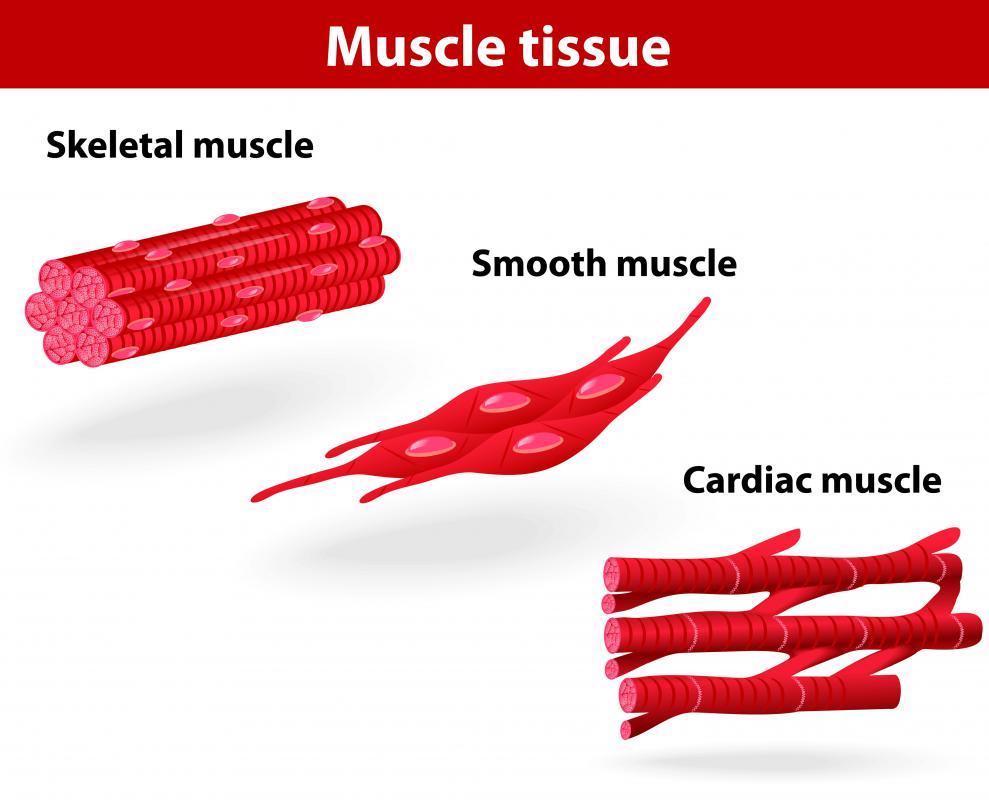
In the body, this compound is found mainly in muscle tissue, connective tissue and skin. It’s almost always part of a larger protein, which means that it doesn’t usually just occur on its own — in fact, it’s usually only seen in isolation in labs and other research settings where scientists intentionally break amino acids down to their elemental parts in order to see how each functions. The compound was first isolated in 1820 by Henri Braconnot, a French chemist and pharmacist who discovered this “gelatin sugar” by mixing gelatin sulfuric acid and bringing it to a boil.

Gelatin typically contains high concentrations of glycine-containing amino acids, and this may be one of the reasons it tends to have a somewhat sweet taste. Once the amino acid has been isolated, it usually takes the form of a sweet-tasting crystalline solid.
Role in General Health
The compound has a number of benefits and helps support good health in a number of ways. In addition to breaking down glucose and fats, some research has shown that it can inhibit the neurotransmitters that cause bipolar disorder, hyperactivity, and seizures. It also plays an important role in the biosynthesis of heme, an important part of hemoglobin. As a result, it is helpful and indeed essential when it comes to maintaining both a healthy central nervous system and a healthy digestive system.

It has also been thought to play an antioxidant role in protecting against some forms of cancer. Glycine’s effects can, however, be blocked with the chemical strychnine, which is present in certain pharmaceutical drugs and other medications. This interaction can result in muscle spasms, arrested breathing, and seizures.
Synthesis
Though this compound is really important to human health and many aspects of plant life, it’s not usually considered an “essential” part of the human diet. This is because the human body can produce the compound on its own using two naturally produced chemicals — serine and threonine. It can also be manufactured synthetically, usually by treating chloroacetic acid with ammonia.
Dietary Sources

Just the same, there are a number of ways for people to get this compound through the foods that they eat. Unless they are experiencing a specific amino acid deficiency, though, even eating extreme quantities of these foods isn’t likely to cause much of a change since the body tends to flush out what it doesn’t need.
Dietary sources include high-protein foods such as meats, fish, dairy, and beans. Synthetically-produced supplements are available in the form of capsules or powders, and have been used to treat conditions such as schizophrenia, stroke, memory problems and prostate issues. These supplements are also commonly marketed to treat low energy and fatigue caused by hypoglycemia, anemia, and chronic fatigue syndrome.
Other Uses

In some instances, though, the compound is synthesized for reasons that have nothing to do with health or treating diseases. Commercially, it has been used as an animal feed additive and as a sweetener and taste enhancer in food and beverage products. It is also common as a buffering agent in antacids and cosmetics, acts as a stabilizer in fertilizers, and may also be added to water used in irrigation to improve its absorption.
AS FEATURED ON:
AS FEATURED ON:


-
![In the body, glycine is mainly found in muscle tissue, connective tissue, and skin.]() By: designuaIn the body, glycine is mainly found in muscle tissue, connective tissue, and skin.
By: designuaIn the body, glycine is mainly found in muscle tissue, connective tissue, and skin. -
![Glycine is the primary amino acid in sugar cane.]()
Glycine is the primary amino acid in sugar cane. -
![Synthetic glycine is used to treat schizophrenia, stroke, and more.]() By: StockPhotosArtSynthetic glycine is used to treat schizophrenia, stroke, and more.
By: StockPhotosArtSynthetic glycine is used to treat schizophrenia, stroke, and more. -
![Glycine is sometimes recommended for treating the fatigue caused by hypoglycemia.]() By: Rob ByronGlycine is sometimes recommended for treating the fatigue caused by hypoglycemia.
By: Rob ByronGlycine is sometimes recommended for treating the fatigue caused by hypoglycemia. -
![Glycine may be used to treat problems of the prostate gland.]() By: tomschoumakersGlycine may be used to treat problems of the prostate gland.
By: tomschoumakersGlycine may be used to treat problems of the prostate gland.


Discussion Comments
@Turquoise: I would like to know more about your sister's daughter and altered gut flora. I have been on Immunoglobulin infusions that include glycine. My gut bacteria have been off ever since and I thought it might be the glycine, but my doc said she never heard of a correlation. Could you ask your sister if there is some study or an info link that I could show my doc? Thanks!
What happens if we don't have glycine in our body?
There are some studies being done now on glycine being a possible treatment for schizophrenia. I don't know the details of it but it has to do with the function of glycine in the brain.
Some people think that glycine is not being transported correctly in the brains of schizophrenia patients.
It's too early to know whether all of this is true or not but if it is, it will be new hope for those suffering from the disease.
@anamur-- Yes it can be. But I think doctors are cautious about prescribing glycine supplements because it can do bad in addition to good.
My sister's daughter was on glycine supplements. She has autism and glycine levels show up low on her blood tests. She was doing better on the supplement emotionally but the glycine changed her gut flora and caused a bacterial infection. We didn't even know it could do that. So right now she's taking a break from them so that her stomach settles down.
If someone has a glycine deficiency, can it be treated by eating foods rich in glycine or by taking glycine supplements?
Post your comments