
At TheHealthBoard, we're committed to delivering accurate, trustworthy information. Our expert-authored content is rigorously fact-checked and sourced from credible authorities. Discover how we uphold the highest standards in providing you with reliable knowledge.
What is Gluten?
Gluten is a composite formed from several different proteins. It is found most commonly in wheat and other related grains, such as barley and rye. Adding texture and a characteristic chewiness to baked goods, this ingredient is used in a wide variety of other foods as a thickener and binder, flavor enhancer, and protein supplement. Some people can develop an intolerance to these proteins, however; a gluten-free diet often helps to alleviate symptoms caused by this intolerance.
Foods Containing Gluten

Along with wheat, other cereal grains that contain gluten are durum, spelt, and einkorn, as well as farro, graham, kamut, and semolina. Many are also used to enhance the flavor and protein of foods, as well as to bind and thicken their consistency. While the grains are often found in breakfast cereals and various baked goods, they can also be included in a variety of other foods that are not as obvious.

Used as a thickener, gluten can be found in soups and broths, as well as gravies and sauces such as ketchup, salad dressings, or marinades. Since it enhances flavor, it is used in bouillon, spice blends, and other foods such as coffees, dairy products, vinegars, and liquors. It can also be found in the substance used to seal envelopes since it acts as a stabilizer.

Gluten is also used on its own as a protein supplement, particularly for people who do not have access to other protein sources. The protein it contains also makes it useful in meat substitutes, especially those used in vegan and vegetarian diets. Imitation meats or wheat meats, such as seitan, are often made of concentrated gluten.
Gluten Proteins
Within gluten, there are actually four main proteins: albumins, glutelins, globulins, and prolamins. Glutelins and prolamins are found in higher concentrations in wheat, while albumins and globulins are more plentiful in corn and rice. Many people associate wheat with the term "gluten," however, as it is those proteins that are most directly related to health issues such as celiac disease. Glutelins, in particular, are dangerous for those susceptible to intolerance because of the way that acids in the body break them down.

Most of the protein in wheat — 80% — is made up of the prolamin called gliadin and the glutelin called glutenin. When these molecules are joined together due to a chemical reaction, they stretch and harden, allowing dough to form a light, airy loaf with a chewy texture. As a result, these proteins are commonly found in flour and other baking products.
Function in Bread

Kneading dough creates the strands that help the gliadin and glutenin molecules to join or cross-link. The more the dough is kneaded, the more links are developed and the chewier the final product becomes. In addition, the proteins thicken when heated, trapping the carbon dioxide produced by yeast. This enables baked goods to rise more and retain their shape instead of crumbling.

The amount of gluten added to the flour can have an impact on the texture of the final product. Bread flour needs more of these proteins to produce a loaf that isn't too dense or crumbly, while pastry flour — which should be flaky instead of chewy — has less. The flour industry measures its concentration with a farinograph, an instrument used to indicate density and elasticity among other elements in flour.
Gluten Intolerance

Gluten intolerance is a term that is used to describe three conditions: wheat allergy, non-celiac gluten sensitivity, and celiac disease. According to research, between 5 and 10 percent of all people may suffer from some form of sensitivity. All three conditions are difficult to diagnose, however, so it is thought that many people are not aware that this intolerance may be the source of other health issues.

Most forms of gluten intolerance cause the body to produce an abnormal immune response in the presence of wheat or its proteins. An allergy to wheat can produce symptoms such as hives, difficulty breathing, and digestive problems; in serious cases, a person with this allergy can experience anaphylaxis, a sudden and severe reaction that can be life-threatening. People with celiac disease, which causes damage and inflammation in the small intestine, can suffer from bloating, weight loss, fatigue, and headaches as the body has difficulty obtaining all the nutrients it needs from food.
Gluten-Free Diet

Avoiding gluten altogether is the only way to prevent the damage caused by an intolerance, though this can be difficult to do. A gluten-free diet requires a complete understanding of what it is and where it can be found. Gluten is found in many products, so it's necessary for someone following this diet to read labels carefully and know what products might contain it. In general, "gluten-free" means that the product contains less than the minimum standard that is considered to be harmful, though this number varies worldwide. Because so many foods contain these proteins, finding alternative sources for all of the vitamins, minerals, and fiber required for a healthy diet can be a challenge.
AS FEATURED ON:
AS FEATURED ON:


-
![Wheat contains gluten.]()
Wheat contains gluten. -
![Barley contains gluten.]()
Barley contains gluten. -
![Most breads have gluten.]()
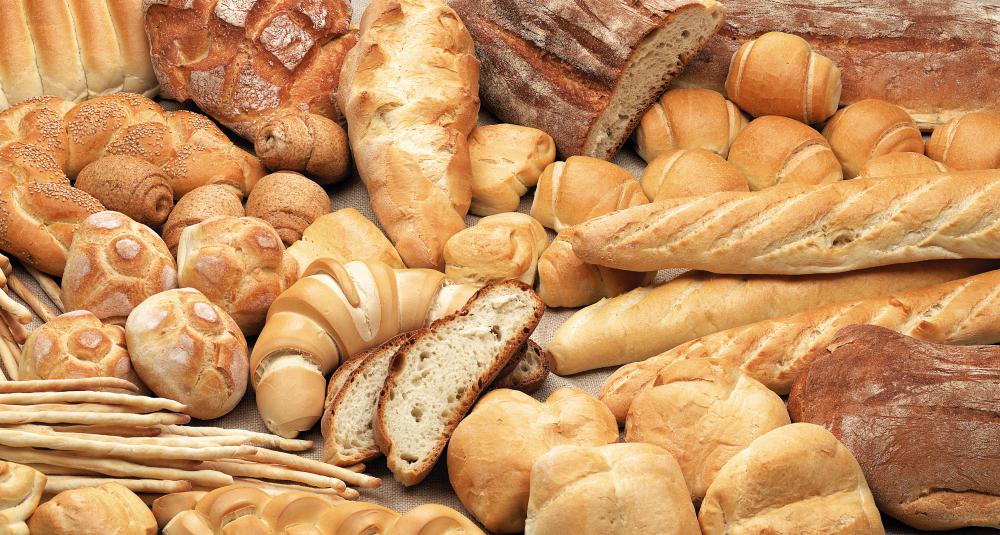
Most breads have gluten. -
![Freshly baked chocolate-chip cookies.]()
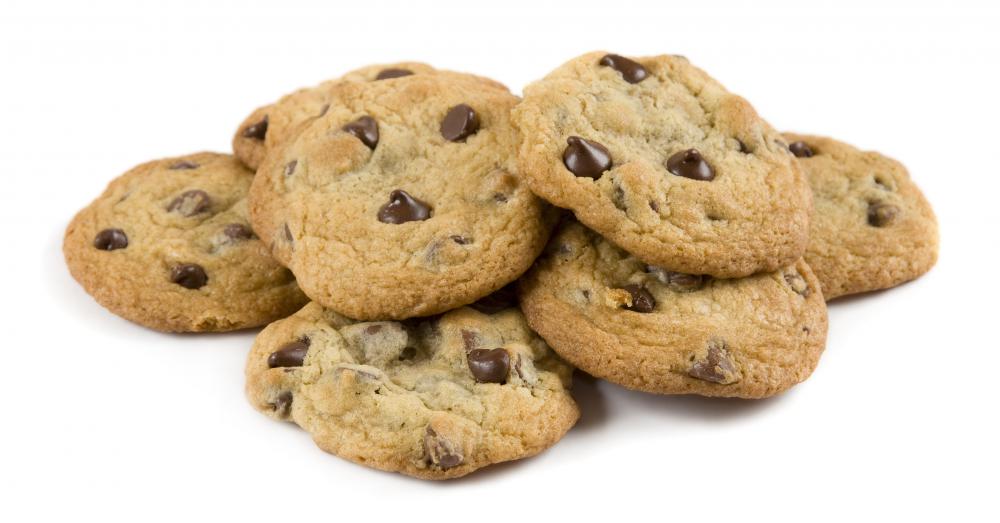
Freshly baked chocolate-chip cookies. -
![A stack of fresh pita bread.]()
A stack of fresh pita bread. -
![Donuts.]()
Donuts. -
![Gluten has non-food uses, such as the substance used to seal envelopes.]() By: tab62Gluten has non-food uses, such as the substance used to seal envelopes.
By: tab62Gluten has non-food uses, such as the substance used to seal envelopes. -
![Gluten allergies can manifest as hives.]() By: Jürgen FälchleGluten allergies can manifest as hives.
By: Jürgen FälchleGluten allergies can manifest as hives. -
![Gluten can be found in salad dressings.]() By: SunnySGluten can be found in salad dressings.
By: SunnySGluten can be found in salad dressings. -
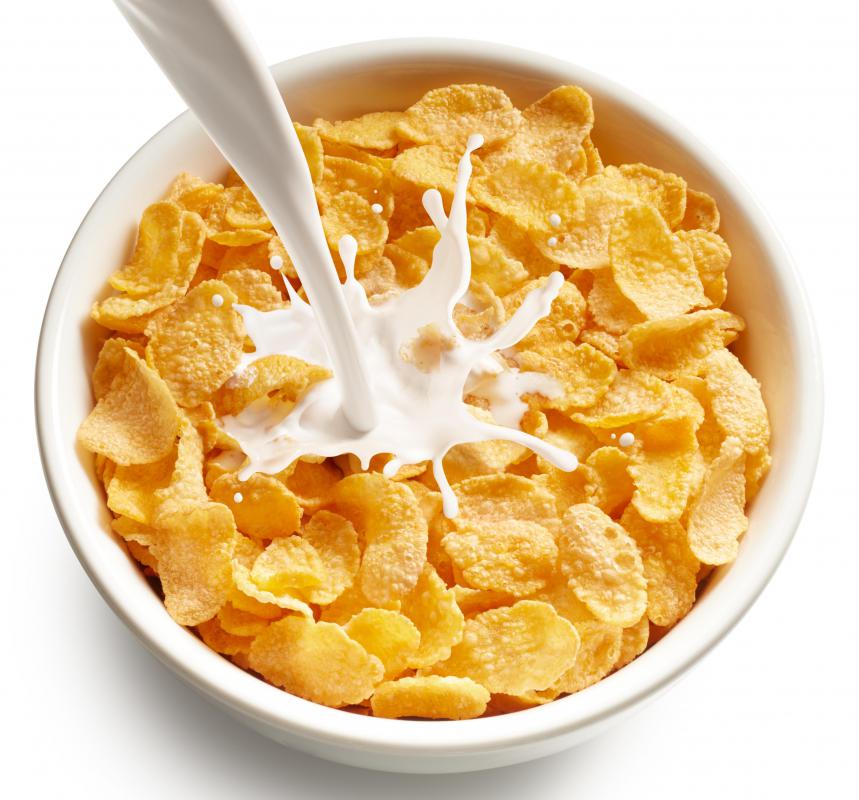
![Many varieties of breakfast cereal contain gluten.]() By: OkeaMany varieties of breakfast cereal contain gluten.
By: OkeaMany varieties of breakfast cereal contain gluten. -
![It is difficult but not impossible to prepare gluten-free bread.]() By: MarekIt is difficult but not impossible to prepare gluten-free bread.
By: MarekIt is difficult but not impossible to prepare gluten-free bread. -
![Customers on a gluten-free diet should read labels carefully to ensure the products they are buying are gluten free.]() By: KadmyCustomers on a gluten-free diet should read labels carefully to ensure the products they are buying are gluten free.
By: KadmyCustomers on a gluten-free diet should read labels carefully to ensure the products they are buying are gluten free. -
![Those suffering from celiac disease may fail to absorb nutrients due to the damage caused by gluten to the villi in the intestinal lining.]() By: joshyaThose suffering from celiac disease may fail to absorb nutrients due to the damage caused by gluten to the villi in the intestinal lining.
By: joshyaThose suffering from celiac disease may fail to absorb nutrients due to the damage caused by gluten to the villi in the intestinal lining.









Discussion Comments
@Anon70891 : "Just Wondering" (Not sure how long ago you posted this, hopefully you'll see this) It's very possible that you just have an allergy to your spouse's ejaculate. It's a surprisingly common thing. That being said, I'm not sure if it's possible for gluten to be in their ejaculate, based on whether or not they've eaten gluten products lately. I know certain foods influence that sort of thing, but my bet is still on an allergy to your spouse's semen.
@Post 149: "You will never see a label that says "gluten" in the ingredients". That is incorrect. In many vegetarian products (meat substitutes), wheat gluten is typically listed at the beginning of the list of ingredients.
Well that theory is proven so we are all screwed! No matter if you're a vegetarian or not, it's a mass suicide for the world.
I was told vinegar is great for your health and now it contains gluten!? I don't know if it makes a difference, but I use Bragg's Organic apple cider vinegar.
Can I ask what is Indian gluten free?'
Post 149 states that "you will never see a label that says "gluten" in the ingredients". That is incorrect. In many vegetarian products (meat substitutes), wheat gluten is typically listed at the beginning of the list of ingredient.
I'm 45 now, recently diagnosed as anemic, B 12 and vitamin deficient. I was previously diagnosed with Graves Disease and "IBS" at age 10, and have had bowel and health problems my whole life. I never realized it could be diet related. I recently removed gluten for 30 days, just to "see" if I felt better. Now I'm convinced and will research this topic of gluten sensitivity more in depth and speak with my doctor.
You will never see a label that says "gluten" in the ingredients. Typically you want to avoid things with any kind of wheat flour, barley, rye, or semolina. Those are the most common ones to avoid.
Go to your health food store and get a really good probiotic. It helps your digestive and immune system in more ways than you can imagine.
My aunt has celiac disease so I am trying to find out information, so I will know whether or not to get tested. I am only 12 so I should find out soon so I can take care of my body from a young age.
Does anyone know of something to eat or drink to alleviate celiac symptoms when you have mistakenly eaten a dose of gluten?
Okay, but does gluten make your tongue hurt a little? Because right now I am eating a candy, and it is hurting my tongue like bleep. Scratching some skin off or something and it hurts for a while then stops. I'm eating a Lemon Head By the way. It is a candy.
@SteveKohn: Hey brother, there are a plethora of new books and new studies being written and conducted on gluten, some great ones just in the last year or so.
If you suspect you might have a sensitivity to gluten, the first thing to do is gather as much information as possible, because there are many different medical opinions and controversies surrounding the topic. If you have it, I can tell you it will be an uphill battle, but it will be worth it.
Now, I fully know what is gluten. Thanks for sharing this article.
anon213305: Gluten is a protein found in wheat, so if you're looking to see what parts of wheat contain it with the naked eye, you won't have much luck. You can find the molecular structure of gluten proteins and wheat grains online. A simple search should turn up postings from the National Institute of Health, at least.
I want to know, in which part of wheat gluten have? means in which layer of wheat gluten have? I want to see the picture of wheat, showing the layer of the inner side of the wheat.
@anon155758: Studies show asthma to be significantly more prominent in those with Celiac Disease and gluten sensitivity. If you have any serious asthmatic or allergic issues at all, I think it'd be wise to look into finding a physician who will test for and treat gluten sensitivity.
@anon161971: You're right: once gluten and its antibodies get into your bloodstream through the intestinal wall, it can cause havoc in any of your organ systems (I suspect "which?" depends on your genes), including, but not limited to your pancreas, your heart, your skin, and your brain.
Not all gluten is bad gluten. Wheat gluten is not the same as corn gluten or rice gluten. These proteins have the same name before they share similar purposes within their respective foods chemical makeup, but the proteins are not the same. In most cases, other the culprit in autoimmune response is wheat gluten, and not the similar gluten proteins of other foods and seeds.
@anon163040: I wouldn't trust a product that say the wheat gluten has been "removed" - gluten-free breads are made from different (non-wheat) grains that don't contain gluten in the first place.
@anon171686: Gluten is often used as a filler or a preservative which binds the food together better and creates a more agreeable texture - I don't know that is has a taste, though.
@anon179283: If you suspect gluten is the culprit (and I certainly would from the symptoms you mentioned), gather all the literature you can on Gluten Sensitivity. I trust that if you read it yourself, you'll be convinced to go gluten free regardless of your age. Certainly moderation will not be enough if you have this condition: if you're producing antibodies which attack gluten, eating a single bread crumb is enough to cause a reaction which damages your body.
@anon197396 - I pray you, and those who are making bread that say it's fine for Celiacs - do not market your products this way unless you know for sure.
There are companies which will certify your products gluten free, and I urge you to use those, because if you're marketing your products as being okay for people with gluten sensitivity, you're giving those with autoimmune reactions poison. Producing antibodies against gluten is different from immediately getting symptoms, so it's very possible that your products may not be giving your customers stomach aches, but if they contain gluten and your consumer is gluten sensitive, it will definitely result in a production of antibodies which can lead to heart disease, liver disease, neurological disorders, and cancer. So please just be honest about your products, and be sure of whether or not gluten is in them.
@anon200189: I agree with you for the most part.
@anon200191: I would not be surprised to find that to be the case.
@anon203188: I haven't heard of those, but I'll try them if I see them! I like Udi's products a lot, personally.
If you want delicious gluten-free food, you should try the Follow Your Heart products. i personally love them!
One process they use to make coffee caffeine free makes the coffee not so healthy. I would say anytime they remove something it is a process that adds something not healthy or takes something out and makes the food like cardboard.
Bread is not even necessary. It's not like veggies, fruits, meats, nuts or seeds. It's a good filler in restaurants. The best thing about bread is holding the contents for a sandwich. But if you aren't eating lunch meat you should skip the bread.
In support of Les, I also have people with gluten problems buying and eating my wheat based bread. It's made from freshly ground whole flour fermented on a sourdough starter for a decent length of time. We have had many positive comments from people who haven't been able to eat wheat previously. I have never gone into details about what the specific conditions are, but our bread certainly fills an important niche. It appears all wheat breads are not equal.
I have pernicious anemia (unable to absorb B12) and Graves disease in the eyes which I have just discovered can be exacerbated by gluten. How do I exclude gluten totally from my diet?
I love my food and am aware that certain foods affect my well being such as eggs and milk so do try to avoid them, although I love cheddar cheese and ice cream. I also apparently suffer from IBS.
I want to live a good life and feel well but I don't want to forgo 'all' that I love food wise mostly because I am no spring chicken and life is to be lived - everything in moderation and all that! I realized a long time ago that bread was not conducive to a healthy life for me but did not realize it may be gluten that was the problem!
The Roman army conquered the world fed on bread. Get over yourself. Attitude, aptitude and effort rule. Limit portions and work out. Enough said! --RC
Does gluten have flavor to it? If not, then why does all the gluten free food taste terrible?
How is gluten removed from breads? If it is a protein, then it comes naturally in the foods that contain it. So it seems that removing it would require an unsafe process rendering it an unnatural substance. Just like decaffeinating coffee requires a chemical process rendering it anti-caffeine for lack of a better word.
I love comments 432 and 84. I am diabetic but have refused to accept it. I have developed or discovered some products that keep my blood sugar levels from 4 to 5.8 every day, without any tablets such as metformin or glucomed.
However, i have read info that gluten coats one's pancreas and therefore the body cannot absorb 100 percent of the nutrients that you eat. It only absorbs, say 20 percent, and also gluten sits like wallpaper in your arteries and cause blockages and decay and the gluten is one of reasons why you have coeliac and diabetes.
But i stumbled across nature's choice products yesterday and found that gluten is in the sunflower seeds and flax and sesame seeds. Please tell how gluten gets into natural products like sunflower seeds? Nobody can tell me.
I am an asthmatic and have several allergies. Is it possible my asthma symptoms could be from being gluten sensitive? Please and thanks.
@anon138037: Bad breath makes sense, as the symptoms of gluten sensitivity have been shown in some studies to include deterioration of enamel and tooth decay, and affecting breath isn't a far leap from these.
Given the laundry list of symptoms (and the diversity of symptoms in any one patient), I wouldn't be surprised if it could be a cause of body odor, or a cause of some other symptom that might result in it, but I've not read any studies on this or experienced it myself.
Is body odor and bad breath caused by gluten?
@anon133792 (116): There is a fair amount of disagreement about this in research and opinion. Medically, there aren't any studies that I've seen that show either inhalation or touch of gluten to cause a reaction, yet I've read accounts of people saying that they had a reaction just by inhalation when people brought several types of baked goods to their home.
In the same sense, when it comes to dishes and utensils, it has to do with the affected person's sense of what works for them. In my house, we have a different drawer for gluten free utensils and a different preparation area, as well as a different toaster oven, and we keep g-free foods in bins in the refrigerator on their own shelf. However, I haven't found it necessary to get all new cookware and dishes. It *is* true that even the tiniest bread crumb can cause a reaction for a gluten sensitive individual.
For me, the reaction is fairly immediate and noticeable, so if I take chances (like using the same plates as everyone else after only dishwashing), I know if I've accidentally 'glutened' myself. (for example: one time I was waiting on a table in a restaurant and absentmindedly ate a goldfish cracker out of a bowl on the counter. within minutes I was having hot flashes, my ears turned dark red, and my nose started running a lot, and I felt quite stupid for having allowed myself to eat something that absentmindedly with my condition.)
To that end, I don't recall a time where I glutened myself by using dishes that were machine washed, and I don't personally believe that gluten permanently binds itself to dishes. If the affected person in your family has reactions that are as immediate and noticeable as mine, then the same sort of guess and check method that I employed when I first went gluten free will suffice. If not, then its really up to you and your family member and what everyone is comfortable with.
There may be literature on the subject, but I have yet to come across is. If it offers any insight though, there are many great books out there on gluten sensitivity such as "Cereal Killers" or "The Gluten Connection" but very few of them spend too much time on segregating all of your cookware when going g-free (although Elizabeth Hasselbeck's book does stress it some) so that might be an indication that it probably doesn't bind to cookware permanently (or they'd spend more time telling you about that, I'd think).
I have a family member who cannot eat gluten products. While this presents a challenge to what our normal cooking has been, she has also said that she cannot eat from any plate or pan that wheat protein products have been served on or cooked in.
She states that no matter how sterilized by high heat dishwashing, that the wheat protein anchors to the plates, serving utensils, and pans and cannot be eradicated, and this could make her ill.
I use stainless steel cookware, and corelle dishes mostly, although I also have Pfaltzgraff dinnerware. Do I need to buy all new so that she is not at risk? Most of these dishes and pans are new in the past year or so, but have been used to serve and cook products that contained wheat gluten and wheat proteins.
Is there any literature about this that I can read up on to know in more detail how the wheat protein permeates these items to possibly reduce her exposure and risk? Thanks so much!
sorry @112 - i tried to give you the website but apparently I'm not allowed to. However, if you look up gluten free safe ingredients or something in any search engine, you should be able to find it.
@(110); anon129101: Below is a short list of common non-food items that might contain gluten. to find out about a specific product, but it's best to contact the manufacturer's customer service.
Suntan lotion, hand lotion, lipstick/gloss, chapped lip balm, makeup, shampoo/condition, some soaps/bodywashes, medications (pill and liquid form), some toothpastes.
@(112); anon130544: You can find a list of safe (gluten free) food ingredients online, as well as a list of unsafe food ingredients. it listed Rice flour as a safe ingredient
This blog is so helpful!!thank you everyone!
especially reading Les' comments. I'm allergic to benzoyl peroxide, so now knowing that it is added as an additive to wheat flour, i understand why i got all the symptoms.
i think i might be allergic to gluten to. anyway, does brown rice flour have gluten, as well as other types of rice? thank you!
I am trying to find a list of non-food products that contain gluten. Can anyone help?
Sorry, in my last post I stated: "Those without DQ2, but with any combination of DQ3, DQ5, DQ6, and DQ7 have been shown to rarely develop Celiac Disease, however, many still develop gluten sensitivity."
That was slightly incorrect. What I meant to say was:
Those without DQ2 OR DQ8, but with any combination of DQ3, DQ5, DQ6, and DQ7 have been shown to rarely develop Celiac Disease, however, many still develop gluten sensitivity.
I'm not a chemical engineer, nor am I trained in genetics or research, aside from the training in research I received as trial by fire in figuring out I had a gluten sensitivity when none of the doctors could.
Just to clarify: All celiac disease sufferers have gluten sensitivity (although some never realize many or all of the symptoms described below in the characterization of gluten sensitivity), but not all gluten sensitivity sufferers have celiac disease.
Celiac disease is characterized by the flattening (and therefore, ineptitude) of your intestinal villi (tiny hairs in your intestine which are important for digestion processes) due to the presence of gliadin. Your body creates antibodies that attack the gliadin but also result in the above described villous atrophy. This results in various gut disorders as well as varying degrees of malabsorption of many different essential vitamins and minerals, bringing all of the effects of malnutrition with it (as well as, oftentimes, obesity, since no matter how much a person eats, the nutrients aren't absorbed, so their brain continues to signal that they're hungry).
Gluten sensitivity is not characterized by villous atrophy, and sometimes not by any gut damage at all, but it does result it what was once called "leaky gut syndrome" and is now being toted by some as "the gluten syndrome."
Due to the presence of gluten, the membrane which keeps the things you eat within your digestive tract and out of the rest of your body becomes somehow compromised, allowing gluten and other large proteins to pass into your bloodstream and eventually to your other organs (gluten is thought to compromise the blood-brain barrier as well, sometimes changing the pattern of blood flow with in the brain, possibly causing disorders like ADD and bipolar).
Once gluten and other various proteins get into your bloodstream, antibodies are produced and dispersed to rid your body of these 'invaders.' Unfortunately, many of these proteins resemble cells in our own body (such as pancreatic cells which regulate blood sugar) and our antibodies attack those as well, creating distress in any number of organs and processes. Some are even beginning to classify gluten as a neurotoxin, at least when it comes to individuals with gluten sensitivity.
My personal theory (although the medical community does not have enough evidence yet to prove it) is that gluten sensitivity is the big dog, the beginning, and that gluten sensitive individuals who fail to treat with a gluten free diet will eventually develop any and all of the autoimmune disorders that they're 'susceptible' to according to their genetic code.
For example, I only have one half of the allele 'DQ2' - since I do not have the full DQ2 allele, there is less than a tenth of a percentage point of a chance that I'll develop Celiac Disease, but I'm still very likely to get HAIT. Everyone is different when it comes to which autoimmune disorders they're genetically susceptible to, but my theory is that gluten causes many if not all of them.
It may even be that people who are considered not to be gluten sensitive are, but their genes have a strong tendency against the development of the autoimmune disorders which the presence of gluten in their blood might cause in other, more autoimmune-prone individuals.
Estimates are that about 1 percent of the population has celiac disease. When it comes to gluten sensitivity, estimates range from 10 percent of the population to 40 percent. Gluten sensitivity is often diagnosed based only on the fact that there are unexplained symptoms that resolve on a gluten free diet, which means anyone who has an illness their doctor can't get rid of, but hasn't been put on a gluten free diet, would fall through the cracks and fail to get a correct diagnosis of gluten sensitivity.
If my friend below, the geneticist, might be so kind as to confirm this for me:
There are (I believe) seven 'DQ' alleles. You get one from each parent, and if you have DQ2 or DQ8, you are at risk for celiac disease. If you have one of each, two DQ8's or two DQ2's, you're what some call a "Super Celiac" and at much greater risk. Those without DQ2, but with any combination of DQ3, DQ5, DQ6, and DQ7 have been shown to rarely develop celiac disease, however, many still develop gluten sensitivity.
DQ4 individuals are the only ones who have been shown to rarely, if ever, develop either celiac disease or gluten sensitivity; but, remember, you have two, so you would have to have the "DQ4, DQ4" gene in order to rule out the possibility of gluten sensitivity. This explains that 1 percent (celiac disease) to 10-40 percent-plus (gluten sensitivity) disparity in the population I discussed earlier.
I don't know much about the genetics of other food allergies, but I do know that anyone who has been diagnosed with either celiac disease or gluten sensitivity is at an increased risk of developing other food allergies, especially following implementation of a gluten-free diet. Oftentimes, a person will feel completely better upon the introduction of a gluten free diet, but as their body heals, symptoms of other food allergies begin to pop up.
It is thought that the body's immune response to gluten often covers up other food allergies (some of which may even have been created by gluten's assault on your organs, such as the thyroid), so when you go gluten free, the symptoms of the other allergies will begin to appear.
The two best methods of weeding these allergies out (that I've heard of) is blood testing for specific food antibodies, and an elimination diet where all you eat are foods you know aren't hurting you for a few weeks, and slowly, one at a time, introduce other foods to see if they cause a reaction.
No comments. Just questions, especially about the last sentences in the second paragraph. A common asian treat is "sticky rice". It is sticky because it is high in gluten.
A popular bread in California in sourdough,
which is chewy because it is low in gluten.
Could you please clarify what you mean by
chewy and sticky? Thank you!
Just to confirm. Celiac sufferers lack the enzyme to digest gliadin. The gluten in wheat, and some other grasses, contains the proteins glutenin and gliadin. These proteins cross link to form networks in food products. Celiac sufferers have an abnormal immune reaction to the presence of gliadin and as they cannot digest it, it is a life threatening reaction.
The lack of the production of the required enzyme and the abnormal response to gliadin is due to their genetic code which may be inherited or may be due to random mutations in the genetic code (which is natures way of maintaining diversity).
There are other people who are allergic to gluten and/or wheat but the cause of their reaction is different (such as the inability to remove disulphide bonds in food and so cannot break down wheat products).
Hope this clears up a lot of your wondering.
In case you were wondering, I am a sufferer of many food intolerances myself and also a chemical engineer and researcher trained in genetics, so did the experiments myself a long time ago in order to rid myself of a lot of poorliness after eating my favorite foods.
I now am setting up a company to provide foods for many ailments that taste nice as well as being health specific.
@amypollick and @anon116196: my suggestion, which might receive an argument from your doctor, would be to decrease grain intake, stop all gluten intake, and increase healthy fat intake. you might want to have your iron and b12 levels checked as well, as liver dysfunction can lead to b12 deficiency and iron-deficiency anemia.
There is significant evidence that gluten sensitivity causes liver dysfunction. The liver works in conjunction with the thyroid, and the gluten syndrome attacks the brain as well as insulin produced by the pancreas. This can lead to hypothyroidism and hypoglycemia, and if either goes untreated, the dysfunction in the thyroid will begin to manifest as liver dysfunction. Oftentimes the first symptoms of this having occurred are confusion, forgetfulness, a yellowing of the skin, and mild yellow-blue colorblindness which are associated with the vitamin B12 deficiency.
Yes, alcohol can cause cirrhosis of the liver, as can many toxins if not moderated, and moderating or stopping alcohol intake can allow the liver to start reversing those effects. However, gluten sensitivity can also result in liver dysfunction and cirrhosis, and if this were the case, and you stopped alcohol intake but not gluten intake, your liver would not begin to heal. If it were alcohol causing it, and you switched to a gluten free beer but kept drinking, your liver would also not begin to heal.
@bwinston777: you are gravely mistaken. While celiac disease affects approximately 1 percent of the population, recent studies and trends indicate that gluten sensitivity affects nearly 12 percent of the population.
There is also increasingly strong evidence that gluten can be viewed, for that 12 percent and growing portion of the population, as a neurotoxin. It changes blood flow patterns in the brain and reduces oxygen in the blood, as well as results in thyroid and liver problems, the coexistance of which leads to iron-deficiency anemia and vitamin deficiencies.
Seventy percent of children diagnosed with gluten intolerance also have all of the symptoms of ADD and 0 percent of those display any ADD symptoms after six months of a gluten free diet. Twenty-five percent of schizophrenics, in one study, were found to have elevated IgG-gliadin antibodies, which is a positive diagnosis for gluten sensitivity, but not necessarily for Celiac Disease.
To say there is no evidence of a serious grain/gluten epidemic is blatantly irresponsible and flatly untrue.
@anon116196: The gluten in the beer isn't what's giving your liver problems. It's the alcohol. That is also probably the source of your cholesterol problems. Drinking an alcohol-free beer might help, but stopping the alcohol altogether now, while your liver can still heal itself, is probably your best bet in the short term.
I love my beer and my doctor says i must cut down as my cholesterol is high. And my liver is getting a bit worse for the wear. If i drink a gluten free beer, will that do the trick?
@anon84834: RE being allergic to peanut butter, absolutely not true. The Greek physician Hippocrates was the first to note that some people have an adverse reaction to dairy.
In the early 1900s, food allergy cases began to be officially documented in Europe, and by the 1920s there were allergist specifically studying/treating this phenomenon. The first noticeable increase in food allergies was right after World War II.
And, as others have noted, Celiac Disease isn't an allergy. Don't rant when you don't know what you are talking about. Love, the girl with a wheat allergy who chooses a gluten-free diet.
It seems that there is no concrete evidence for any symptoms caused by gluten, except for maybe, Celiac disease.
There have been several genes linked to Celiac disease, so it may have been that your parents each had part of the genes necessary to create the gene structure for you to have Celiac disease, even though neither of them have it. Neither of my parents, nor my sister has Celiac disease, but I do.
There is strong evidence (based on my mom's accounts of my grandfather's health problems throughout his life) that my grandfather had Celiac disease.
Although we've made many strides over the last decade or so, there is a lot of research left to be done (or at least, left to be desired) on exactly how many genes, and which ones, are linked to the inheritance and activation of Celiac disease, as well as all of the damage gluten does, and how.
It is true that Celiac Disease is genetic, though that is not necessarily true one hundred percent of the time.
I was diagnosed with Celiac nearly two years ago and to be on the safe side, both my parents as well as my siblings were tested purely to test the genetic viability. Though I unfortunately do not have any living grandparents to completely test the genetic circuit, I was able to gain a general idea. In my case it seems as though it is a simple spontaneous mutation that led to my current condition as both my parents and my siblings came up negative.
I have to admit though, after many long years of going in and out of the hospital my diagnosis has vastly improved the quality of my life.
anon91000, I'm afraid to say it, even if I disagree with the tone of anon88235. It looks like he/she did do their homework.
After a quick look up of Celiac Disease, I found out that it is inherited and an autoimmune disorder, not an "allergy" just as he/she said. Usually when people go off on huge rants like that, I find they at least get their main argument right even if they don't come off so well.
Celiac disease is genetic, it is inherited, and there are plenty of 40 and 50 year olds born in that era who are now finding that many of the health issues they've had throughout their lives have been due to only recently diagnosed celiac disease.
Celiac disease is most certainly genetic, and therefore inherited.
Wow, anon88235, you certainly know how to start a good conversation by personal attack. Celiac disease is not 'inherited.' Do your homework next time.
Wow, anon84834: You certainly are showing your ignorance by posting that particular comment on an article mentioning gluten intolerance. By using that logic, you might be able to make a relevant case over peanut and other food allergies.
Celiac disease is inherited, meaning that your much vaunted golden era of the 50's and 60's did have genetically predisposed people, of which a contingent of them did suffer from gluten intolerance and illness. If that were not the case, they wouldn't have passed their genes onto the "sterile-environment-reared" generation.
Also, I do believe that Celiac sufferers in their 50s and 60s (who were minors during that period, the crux of your argument) would take great offense to your comment because you directed your effort at this article, of all places.
Gluten intolerance isn't an allergy. Oh, by the way, you mentioned immunity in your argument. Your environmental posit really falls apart when you start making "where society went astray" remarks after autoimmune disorders come into the picture.
As for your childhood peers, during that time, I'm certain you were less likely to have run into these individuals. I imagine that because there was less known of Celiac disease, and probably more widespread ignorance, the mortality rate was higher. So yes, there were a lot less of these children. I'm certain that applies to a lot of the other infancy- and later-childhood-onset conditions as well.
Kudos to you, though, for trying to romanticize your childhood years and the philosophies that shaped it. Every generation tries to do that.
I know I'm going to sound insensitive to this issue, but I'm going to sound off anyway. I grew up in the 50's and 60's. Our parents didn't worry about sterilizing everything. We were not isolated from the world around us. We spent most of our youth outside running, jumping, and playing in the dirt. We seem to be tolerant to most everything in our environment.
No one was allergic to peanut butter and jelly sandwiches. And then this need to sanitize and sterilize everything happened. I truly believe that this phenomena that happened is a large part of what is wrong with this country right now. A person's immune system has almost everything to do with what they are exposed to as a child. I'm sure there is a lot of disagreement on this but, I believe it is true. God bless and keep us, everyone!
You can do a search using terms gluten sourdough study and you will find studies published in scientific journals which show the gluten is processed during the fermentation process. some online Celiac site have articles on these studies as well. I'm not making the claims. The scientists doing the studies and all the outlets discussing these studies are the ones making the claims.
Fermentation does not break down gluten. There are no studies that say that. It is not true.
If you are using wheat flour to make bread and telling people it is gluten free or acceptable for people with gluten allergies or intolerances you could kill someone if you provide wheat based bread to someone with a gluten allergy.
There have been studies on this subject. Fermentation has been shown to break down gluten. For all those who are gluten intolerant, it may not be a bad idea to not only choose gluten free but also make sure it is real sourdough as well.
In regards to the ancient bread making technique, does this technique include sprouting the grains? I am currently doing research on this topic. I question the reasoning of the auto-immune response due to gluten intolerance not being a problem throughout history.
I know from personal experience and research, milk should be left raw because the enzymes raw milk contains help break down the casein protein.
I drink raw milk from organically raised grass-fed animals and have no problems, even though I do have problems with store bought pasteurized milk. I'm wondering if this would be the case with gluten.
I also know our digestive systems now lack the beneficial bacteria that help with many of the digestive processes due to the highly processed food diets we have. By not having these bacteria in our gut and in the right quantities we are unable to digest many things which were not a problem through out history.
Fermented foods as well as kefir and others can help replace these bacteria and rebuild good digestive health. Any thoughts?
This is my very last reaction and response. I bought my wheat flour at Costco. The process how the people and companies doing the bread is wrong.
I am using an old process (special process similar to sourdough bread making) which I did learn from my mom, and she learned from her mom and so on. My development is only that I modified the process able to make the fermentation within shorter time – few hours instead of 12-15 hours as the original old process was done.
Ones I had one customer, a professional baker. She bought organic wheat, made her own flour and baked her own bread and she was very sick from wheat and gluten – she had Celiac Disease. She got some slices of my bread and she could eat it as gluten free.
She did try the same flour I am using, and she was very sick again, but she could eat my bread. She was begging to tell her my secret process, but I will never do it since I am not recognized as a scientist and since I do not have the full public acceptance.
If any one of you has a skin form of Celiac Disease I recommend reading the Material Safety Data Sheet Benzoyl peroxide MSDS.
This product is a legally approved additive to wheat flour. good luck to everyone.
I tried everything to get cooperation from doctors, scientists and governments. Everyone is dealing with me as I am an idiot.
I stopped explaining and teaching people because I do destructive and dangerous things --see comments from one doctor.
Keep doing what your best doctors and friends are recommending. If something is wrong with it, someone else will give a better list again of what not to eat.
I'd like to try the blood type diet, and as a B, I'm not supposed to eat wheat, rye, corn, or buckwheat products. This might be a dumb question, but would adding gluten to a spelt and oat bread recipe be the same as adding any of these "bad" grains? I understand that these grains contain gluten; I just don't know if it's gluten that's the bad guy. Thanks a lot!
#79: i apologize. I reread your question and thought about my answer after I'd posted it - i had assumed that you were of the same gender as myself (male) and answered accordingly, but that certainly may not be the case, and either way, if your spouse is male, I'm not aware of what is in that "type of matter." Although i do know that what a person eats can sometimes present itself in that "type of matter" if the person is male, so it certainly is a possibility if your spouse is male but is not gluten free.
sorry about that! hope the answers help.
#79: i believe the primary organism in "that type of matter" is lactobacillus, which is also found in milk. i've had similar adverse reactions to contact with lactobacillus, and i know there is oftentimes a connection between celiac disease and severe lactose intolerance, but i don't know whether this intolerance recedes with the elimination of gluten or if it is a different condition entirely sharing a similar genetic descendants with celiac disease.
i also don't know if there is gluten in "that type of matter" as I've not been involved in that type of interaction since i learned about celiac disease and was diagnosed. i have many theories involving celiac disease (such as various connections between it, serotonin, and disorders involving serotonin); unfortunately, the medical community is yet stumped by many things concerning celiac disease, and there is much to be desired regarding that which we have learned of the disease.
#80 (aky20): as i said to #79, there oftentimes seems to be a severe lactose intolerance in correlation with celiac disease, and between #79 and me, we seem to notice a correlation between reaction to lactobacillus (bacteria found in dairy products) and having celiac disease, so if your son has celiac disease then lactose intolerance might be why yogurt makes him sick.
As for meat, pure, raw animal meat does not contain gluten; however, the food packaging and distribution industry has discovered that gluten is an excellent (unfortunately) preservative, and often takes advantage of this.
As a result, you'll oftentimes find gluten in hot dogs, ground meat, and any other packaged, shrink wrapped, or otherwise mass-market meat product. my solution to this is that i specifically shop for my meat at trader joe's or other places that provide a gluten free listing of their products. many foods will also list "gluten free" on their packaging, but even if they do, be sure to check the label to be see if it lists "processed in a facility that also processes wheat" as this can coss gluten contamination, and for someone with celiac disease even a bread crumb will cause a reaction.
Also, (you probably know this) look out for breaded products. chicken is fine, but breaded chicken is usually breaded with wheat-flour (gluten containing) bread crumbs.
Hope i answered your questions! again, I'm not a doctor, just a 23 year old pennsylvanian with celiac disease who has done an obsessive amount of research!
After I read all these comments. I want to know one thing please give me some feedback. can Gluten be produced from meat? if so what type of meat (chicken, fish, or?)?
because I have noticed that my son, who is vegetarian, when he has a yogurt product or cases he gets sick. again please let me know. aky20
I am just wondering if at all possibly when one with Celiac Sprue gives their spouse oral sex, is there any way to having a full blown break out? Is there any gluten found in that type of matter?
I am just wondering, because my doctor and I really do believe that I am totally gluten free. But I seem to be having symptoms at times just a little afterward the oral play. I just feel a little embarrassed to confide in this with my doctor.
Please, if anyone has info on this matter, I would greatly appreciate any helpful response. Thank you. Sincerely, Just Wondering
I forgot to mention in #76 that the Bible also discussed "tares" which grow in the same environment as wheat and are identical to wheat, but are said in the Bible to be poisonous to humans.
The Bible speaks of the fact that a farmer's 'enemy' will plant tares amongst the farmer's wheat, and once it grows the harvest will be ruined because the farmer will not know which are the tares and which are the wheat. "Chaff" is the 'bad part' of the wheat that is to be thrown away, and "tares" are poisonous wheat look-alikes that can grow amongst wheat.
Maybe our wheat today has crossbred with tares and therefore got some 'poisonous' (gluten) characteristics, or maybe there are tares amongst the wheat, or maybe the gluten is in the chaff. All of these seem like reasonable possibilities to me.
I understand if someone wants to dismiss this theory because it has a biblical root, but whether or not one accepts the Bible as the word of God has no bearing on the fact that many of the teachings of the Bible have been proven true, so if anyone has any ideas in relation to this theory, please don't let any difference in faith keep you from adding your two cents.
#75: White bread essentially *is* wheat bread; the reason it is unhealthier is because the wheat flour in white bread has been bleached to make it white, among other things.
Les432: I have a theory that might fit here. I'm a Christian and I recently learned that I have celiac disease, both the endocrine and skin types.
A short time later I was reading about wheat harvests in the bible, and it talked about farmers who would sometimes harvest the "chaff" with their wheat. The Bible is explicit in stating that the "chaff" or useless part of the wheat should be thrown away or burned and should not be consumed, and that if this was not heeded it would cause harm to those who consumed it.
This makes sense. It seems that celiac disease is more and more clearly looking like a "gateway" autoimmune disorder, oftentimes occurring in tandem with or causing the later development of other autoimmune and neurological disorders (when left untreated with a gluten free diet).
On a national level, we oftentimes no longer separate the chaff from the wheat in America's agricultural industry. Farmers still practiced this biblical teaching until the time of FDR's presidency. When the federal government overregulated the agricultural industry and the Supreme Court grossly misinterpreted the Commerce Clause to allow it, farmers no longer had the luxury of following what some would call this "religious superstition," at least not if they wanted to make ends meet monetarily.
Does this not fit with the slow and steady rise of Celiac Disease throughout the world in the 20th century, as well as the many autoimmune and neurological problems that accompany it? For instance, who was said to have Attention Deficit Disorder in the early 1900's? Surely there were instances, but certainly not so widespread, and maybe the instances were a result of that person consuming chaff.
Until recent decades, and sometimes still, America has been called the "breadbasket of the world." Well, Celiac Disease is now widespread throughout the world; could it all be the result of the federal government forcing this folly on the agricultural industry?
I do not know where you are from, Les, or how you get your wheat, but if you are growing it on your own or getting it from someone who does, and the grower is separating the chaff from the wheat, my belief is that the harmful gluten protein is contained in the chaff, rather than the good part of the wheat.
I'm a 23 year old from Pennsylvania with no medical background, but my theory stands up to the dozens and dozens of recent studies I've read. Being that I'm no expert, however, maybe the good doctor might shed some dispositive light on this theory.
P.S. To #73: Rye toast is your culprit. Nearly all wheat, barley, and rye will contain at least some gluten today. If you have celiac disease, even trace amounts (a few bread crumbs) can cause symptoms.
In my home, I must eat gluten free foods but the rest of my family does not, so we have two of everything (two toasters, two different spatulas, two kinds of ketchup, one gluten free and one questionable, etc).
Also, watch out for certain soaps and shampoos containing "tocopherol-acetate." This can sometimes mean that there is gluten in the product, and although it hasn't been proven to affect you through skin contact, if you have gluten on your hands and you eat something, you'll have those trace amounts which cause symptoms.
Tell me more about gluten because I always thought
wheat bread was healthier than white bread.
now I am being told gluten is "bad" for you.
What am I to do? I am confused. Ernest, Antigua and Barbuda, West Indies
Attention to 72 and everyone.
If you are a doctor and telling my work and comments are destructive, I can tell to everyone only: I am making bread for healthy people and only, from wheat flour. However, because my products are extremely tasty, many people with various levels of allergy reaction to yeast, gluten, sulphates, wheat, dairy products and so on started to buy my products without my knowledge if they have any kind of health issues. All the problems disappeared for my customers.
When many individuals with Celiac Disease tried my products (without letting me know about their problems) and 98 percent of celiacs could eat my bread as gluten free, I asked many universities, scientists, doctors, many Celiac Associations and a lot of governments all over the world, to please look into my products because my results are not ordinary. I found out that 90 percent of people even with Celiac Disease can eat all my bakery products, not only the specially made bread.
Everyone refused to cooperate with me. When I had no one wanting to cooperate with me and I have no laboratory myself, I started to investigate what is different in my product from other bakeries. I was shocked at the findings.
In North America, there are legally approved chemicals as bleaching agents, additives and preservatives, which are already prohibited to use in Europe and Asia, because these chemicals are listed already as toxic and carcinogenic. My flour and bakery products have no additives at all.
Also in Europe, there is a minimum gluten limit for wheat allowed to use as suitable for human food. North America has no limits on minimum gluten. But due the shortage of high gluten contain wheat, the regulation is most of time violated even in Europe. This limit is coming up from knowledge – if the gluten is low percent in wheat, has been damaged by mold or bad storage condition, and the decomposed percentage of gluten should be considered as toxic for humans.
When I again contacted close to 100 bodies governing and science, the human food handling regulation board in North America, to please revise their additive list, because the added toxic and carcinogens could generate extremely serious problems and maybe not the gluten itself, I did talk only to deaf ears.
If you are doctor, and now you have the information, please take a public or legal action and please inform the public, as I am trying to do. I am trying to publish my findings. Please clean up the food handling process and we can make a great progress as I did already with my products.
If someone knows that the people are eating toxins and carcinogens and do nothing, this is a criminal action against humans.
When close to 200 years ago Dr. Semmelweis did tell other doctors, wash your dirty hands because you are infecting the women at birth, and there is no "child-bed fever," his medical license was suspended and the other doctors put him in a hospital for the mentally ill and he was killed by a security officer, beating him to death.
Only 80 years later Pasteur could explain why Dr. Semmelweis could kill the "child-bed fever" disease in his hospital, and no one else.
Recently I am stating the same: clean up first your dirty food processing, and we could eliminate most of problems around allergens, and even you as a doctor publicly calling my work as destructive and dangerous.
Anyone just recommending a new diet and ignoring to look after the already existing recent problems is just killing the new developments.
I like to learn more about this gluten free diet! I have a problem with my immune system attacks my muscle and joints and just started eating gluten free and no fried foods! I feel better. I notice pain today and the only thing I can think of is I had lunch out and had rye toast with butter!
Les: As a doctor I think what you are doing is destructive and dangerous. Do all the research you want in a lab, but to try it on human subjects when the reaction could be severe- how irresponsible!
Also, I see no conceivable way that what you are doing could work. It is the protein that people react to, so unless you are completely breaking down that protein, which would be impossible to do while maintaining the same qualities that would be able to form bread, a celiac will still have an adverse reaction and will be prevented from maintaining proper nutrition and good health.
That and I'm not sure why people would take that risk just to have wheat. Eating gluten-free takes a little more planning, but it's still enjoyable and after a while, people don't even miss wheat products.
There is a book called Gluten Free for dummies- may be worth a read. in Australia you can also contact the Coeliac Society of Australia and download information. Also the 4 ingredients receipe books have a gluten free book, which is great.
great post. my friend is allergic to gluten and she's staying at my house for a sleep-over so i needed to know what she could eat or not.
Good information about gluten.
Good gluten and good process has only one limit - gluten contain above 23 percent in the wheat flour.
Yes I am still at farmers markets south of Alberta, Canada. I am holding my development until I have back my financial and moral loss. Someone knowing my process and having the business connections could make millions within a short time.
In case I am ignored and forced to live as poor man, and my family as poor family, in this case everyone should share my condition. We could grow only at some conditions.
What percent of gluten is healthy for human edible consumption?
Les, are you at the farmers market? Also, if your preparation can help people, then why would you hold on to it instead of sharing? Perhaps in sharing, someone could do some research.
Many times, I did ask for simple action like a TV reality show, where volunteers try my bakery products with various allergy problems, like gluten, yeast and diary and so on.
Even volunteers having gluten intolerance or celiac disease, who would like to try to test my bakery products and publicly telling their reactions.
If I am a liar or cheater, I will fail right away, but in case my products help people, with already damaged health, I should have reorganized and after I could publish many of my developments. However, until now no one intended to do a public investigation. In case if I succeed in public the entire scientists and government need to explain why they had no success, and why me, the ignored idiot, succeeded.
Yes, I will share my development with every one as soon as I get help from the government or the Celiac Association eventually from my customers. Recently I have been treated as an idiot and I had serious financial loss due the ignored and prohibited publishing of my development.
My financial loss got me in a situation that recently I have no income, no job and I am in personal bankruptcy.
If I get through my personal existential problems, I am publishing my development systematically. However, anyone who intends to try my bread and have some level of gluten or yeast problem may order my products.
Some simple information how to avoid developing allergic reaction everyone will receive together with product delivery. Please do not take this as propaganda or selling my products, because this is not my intention.
In case if some people attacking me again I will stop all the publishing, I do not need more attacks. I had more than enough.
Les432: Are you going to share what this secret to making this bread is?
#42: I've been the same and only today the hospital is referring me to another hospital close by to do a test and i don't know exactly what they do but if it comes back positive i was told they have no other option but to discharge you.
TThe immune system is destroyed by wrong food handling and preparation. The problem starts with milk pasteurization. The babies already have damaged partially the small intestine before they grow up. The human body needs close to two kg of healthy bacteria, but the recent scientist and approved food processing and approved additives just kill all the bacteria. I almost was killed because of that.
When the kids growing up with a continual supply of good bacteria and if the bakeries using similar process as I do the dairy allergy, gluten allergy, yeast allergy and so on never could be developed. The decreased development is more complex and coming from wrong food handling chain.
I could already eliminate the dairy allergy (lactose allergy), yeast allergy, gluten allergy and some nuts. The immune system’s dominant percentage is in our intestines and the healthy bacteria is at the same location. Until now the function of bacteria’s is not well known as the immune system (also just theoretic no detailed knowledge), but most doctors and scientists do not want to into my statements.
Immune system failure is only their explanation – stupid covering of the lack of knowledge. I have products and results. People with many years’ gluten problems and serious weight loss – even many of them did stop working, they could put on weight, generally improved their health conditions (like they have energy again, eczemas disappeared and so on) after they started to follow my recommendation – what to eat and what not. In addition, they can consume only my bread. They tried to make home made bread from my wheat flour but immediately they were very sick. When my customers are keeping the diet what I am recommending and on top of all eat my bread, after a few months they were strong enough to go back to work after many years off illness.
I am stating that most scientists are too lazy to examine what I have found and developed; they can only update the list of recent allergy triggers and the number of people affected by various allergies is growing exponentially. No one in the last 100 years could reduce the number of people affected and the number of allergy developers, but I have already done it!
I could already stop the growing numbers. The age does not matter, kids or adults- even reducing and restoring the health of people having already serious illness many years. I am not looking for recommendation of my bread for people having Celiac Disease. I want only cooperation in the field of research, but everyone – the Celiac Association, scientists and governments are just refusing.
I know that the real great scientists were all the time treated as idiots, like Giordano Bruno or Dr. Semmelweis. I am treated exactly the same way.
I am really trying all the possibilities to start new research based on my developments, but I am totally ignored. I am already writing a book about my life. Perhaps the future generation will be less stupid and prideful and they could find why I had success where most scientists failed.
I am registered as Les432 but I could not log in. Sorry I had no chance to respond to any one of you until now. I did very serious and deep research. My statement and conclusion is the phenomena- gluten is poison is wrong.
I have been making bread all my life from wheat flour and clearly indicating as ingredients wheat flour is the base material to make my bread. Personally, I had no idea what I am doing, but I am using an ancient bread making process, which I did learn from my mom.
She did learn the same process from her own mom and so on. No one is using a similar process in the world, no individual or bakery.
When I had trouble with my customers in my new bakery – they were looking for gluten free bread – I informed every one that I never did make gluten free bread in my life and I never will do it, because it is not healthy - my potential customers called me a liar.
Some of my customers with Celiac Disease already bought my bread made from wheat flour and full of gluten – could eat my bread as gluten free! I had no idea about that at all.
However, personally I had an extremely serious dairy allergy as little boy and I had learned that there is a process problem, not the lactose as many scientist and doctors stated.
I could thank one old farmer, who teaches me how to make dairy free allergy milk products from cow milk. That time I decided to learn a lot about food and allergy problems and my two degrees in chemical science gave me a good base for that. When I had a farm in Europe soon I could produce allergy free milk from my own farm in Europe.
After starting my own bakery business, I have found out that my old process probably converts the gluten to protein and this is the reason why people with various level of Gluten problems could consume my bread and other bakery products made from excellent wheat flour with extra high percentage of gluten making no problems for most of the people.
98 percent of people with Celiac Disease can eat my white potato bread (made from 90 percent wheat flour and close to 5 percent potato flour) and 95 percent of people with the some disease can eat my whole wheat bread and 90 percent of people with Celiac Disease can eat any of my bakery products made from wheat flour.
No one did believe me, and the governments do not let me publish my development. Just a small notice: no one with Gluten intolerance or any kind of allergy has problem consuming my bakery products made from wheat flour. Even some of my customers with Celiac Disease visited the family doctors asking to perform laboratory test – blood test – after consuming my bread, and they had no any problems – the laboratory test shoved no gluten consumption indication at the test. Even the doctors had no explanation for my customers. My explanation no one wants to publish or recognized.
But I am 100 percent sure that if the companies and the governments following my recommendations and process we could eliminate soon the spreading of Gluten allergies and we could stop developing the Celiac Disease.
I was forced to close the bakery, but my customers are my supporters because I have already over 600 customers with Celiac Disease who can consume only my bakery products and bread made from wheat flour.
I had many customers from all over Canada, Europe and USA, but the scientists, governments and Celiac Associations treating me as idiot. That is why I started to collect customer appreciation certificates from my customers with Celiac Disease – stating that they can consume my bakery products as gluten free!
How the wheat rye or barley is grown has nothing to do with the gluten reaction that takes place in people with Celiac disease. GMO non GMO, organic non organic, it doesn't matter how the wheat is grown. It is the composition of the protein portion of the seed, or the gluten that Celiac bodies react to.
The gluten in oats, while not exactly the same as that found in wheat, is very close in composition. It's been found that some people who react to wheat do react to non contaminated oats because of that similarity. That is something you can only find out through trial and error.
And Les, #17 what you're doing is illegal. If you are not labeling your bread made with wheat as containing wheat you are in violation of Federal food law. And that is the only way you could get a Celiac to eat wheat bread, by lying to them. There is no truth to what you are saying and I hope to God you're not lying to people like that wacko in NC who made people sick with his deliberately mislabeled bread.
There is a great book that answers most of the questions posted in this series. It is called The Gluten Effect. Check it out, I'm sure it could help many of you!
I would think naturally occurring gluten in food namely whole wheat would be healthy for a healthy person to eat. It's just when it's an added ingredient that it could pose problems from over consumption. Am I correct?
I would really like to know if this whole gluten thing is true. I suffer with IBS, diverticulitis and many other digestive problems. I was watching TV today and saw a big article on gluten and it described everything i suffer with to the tee. If there are others with some advice i would really appreciate it.
Can gluten pass through breast milk and cause the same symptoms as if it were taken in by someone with a gluten allergy?
Today in class my professor said that many people may be more prone to having an intolerance to gluten nowadays due to modern farming and hybrid selective breeding (if i may) with wheat. The farmers are producing these wheats with 300 percent more gluten than they would "normally" have. Gluten makes foods more fluffier, and taste better. yet people are taking excessive amounts which is harming the body. There are approximately 60 illnesses that point to gluten as the cause. My professor's resource was Dr. Mark Hymen. He has a book particularly on just this topic (Gluten).
Hope that helps.
VM
I just had my physical and discussed symptoms I was having with my doctor. I had what felt like swelling/squeezing in my neck and tongue, lightheadedness/dizziness, swelling in the legs and ankles, constant pain in the shoulder and neck feeling like a pulled muscle or strain that won't go away, depression and stress and resently vision problems where my eyes won't focus together. I thought it could be a link to diabetes when I did a symptom check on a medical site. He did a blood test of the last 90 days and I'm not diabetic, but then put me on a gluten free diet. My response was, "But I'm a wholegrain junkie! How can that be bad?" He said that when you have a gluten intolerance, your body desires/craves it. So today I was just diagnosed. I'm getting a lot of great info here! I have never heard of this disorder until today and reading up on this, I've learned 'That's Me!' I thought I was going nuts! I thought I was doomed at 44 years old to incurable health issues. Today I see an insight to peace. Thank you for enlightening me.
I have been suffering from severe gas, diarrhea, bloating, abdominal pain and this weird itchy feeling especially in my hand and feet. The doctor has diagnosed me with diverticulitis although I have not had a colonoscopy. Any suggestions? My family seems to think it either gluten allergy or celiac.
In patients with celiac disease, gluten injures the lining of the small intestine. This injury results in weight loss, bloating, diarrhea, gas, abdominal cramps, or vitamin and mineral deficiencies. When patients totally eliminate gluten from the diet, the lining of the intestine has a chance to heal.
vgsd
i suffer from pressure in the throat and gurgling. it is so annoying and very depressing. i read that it is caused by gluten. does anybody else suffer with this or have you heard of this before? just want help to understand my diet now. just rung sainsbury`s helpline to ask about a tin of vegetable chili and they where so helpful. please help me. thanks.
how can celiac be diagnosed? as i have had a sore stomach for a few years and the doctor thinks it could be celiac. please let me know thanks
to #39, what #36 is trying to say is that the cause of that disease could be the chemical from the pesticides and fungicides instead of the gluten itself.
#36. Try having this disease and then let us know whether pesticides are the culprit. Gluten is gluten no way around it. It does not come from chemicals. The web site about celiac disease should give you some delightful insight.
Is too much gluten bad for you?
I have a customer that is allergic to gluten. She can't eat or use anything with gluten in it. Can someone tell me the name to look for in products in every day use? She said that some times it has different names.
With regards to Celiac Disease - can anyone tell me if farmers treat the rye, barley and/or wheat they grow with chemical pesticides or fungicides? If so, perhaps the negative effects of ingesting these foods later on in the form of flour doesn't necessarily have anything to do with the gluten but rather with the pesticides and/or fungicide residue grown into the grain.
Thank you, this site and all the questions and answers were very helpful to me. I wish that there were more answers in there but I am starting to understand what this wheat intolerance is all about and that many people are suffering/coping with it.
Kathi
RE:Posted by: anon30214
Not sure where you get your ideas on 'concrete evidence'...you must own a bakery or something. Ask anyone with a gluten intolerance the life change they experienced when they gave it up - the change for me was extraordinary, and I was a complete skeptic. No more gas, bloating..healthy movements and weight loss (even though i'm eating plenty!)
what is gluten, its chemical composition?
It seems that there is no concrete evidence for any symptoms caused by gluten, except for maybe, Coliacs disease. J Brown
I have been told by friends that gluten is not good and that it makes fat. Is it true?
I've one Q. Is the gluten type or kind of Borke or ham? Lolaty
Gluten *cannot* be removed from wheat bread by any method -- period. Bread made with wheat flour contains gluten no matter how much you kneed it, no matter how you bake it. There is no such thing as gluten free wheat bread nor gluten free wheat flour.
Hi! I don't know anyone personally that have allergies or Celiac's Disease. I was just doing my dishes and I have a leg ham defrosting on the sink which says "gluten free" all over it.
If gluten is a protein found in wheat and such, is it also a protein found in meats? I haven't seen anywhere that gluten is a naturally occurring protein in hams or other meats, but often see meats advertised as gluten free? If anyone can enlighten me, it would be much appreciated.
Is there gluten in sugar?
Anon 22881- Gluten is a vegetarian ingredient. The protein does not come from animals, but is found naturally in the grain. Gluten itself is the binding together of two separate proteins within the grain to form a sort of matrix that can hold things tightly in shape (which is why bread stays the shape it is as opposed to falling). The gluten is always present within the grain, kneading and jostling it with water just lines the proteins up into a more rigid form.
Is Gluten A vegetarian product or the protein content comes from animal?
to anon 4190- cornmeal does contain gluten!!! (just look at the labeling on a "cornmeal pizza" or even the box of corndogs that says "cornmeal." Gluten (wheat flour) is added to cornmeal to make it thicker!! Be aware!! ;)
I just want to know what is the bad effect of eating products that contain gluten in a normal person?
So, my mom started a low- carb diet and it turned into more of a wheat free diet. She really started noticing a difference in her digestive system and even in her mood. So I decided to give a gluten/wheat free diet a try just because I know it's genetic. I am feeling the same results!! The thing is, is my mom has been depressed for as long as I can remember and her mood seems to be getting better with her new diet.
Should she get tested for celiac disease? If she gets diagnosed with it, and she changes her eating habits 100% does this mean she could potentially cure her depression?
Oats do not actually contain the gluten protein, but quite often the product streams get contaminated. Therefore the oats that do not effect the celiac are the oats that have had special care taken to make sure there is no contamination with wheat or wheat products. The others have a chance that they have been contaminated with wheat.
How some one can explain that the wheat has 15-17 % of protein and the regular baker’s wheat flour has only 4-6 % of protein. Where is the missing protein?
I started to make bread from extra high protein wheat flour, using old ancient bakery procedure and no one could believe that most of the gluten allergy and intolerance were gone. I asked for laboratory test but every one refusing that. This way I decided to collect customers appreciation certificates from my customers having medical diagnoses for Celiac Disease, that they can eat my bakery products without problem. Now the Doctors are in little trouble, their diagnosis was incorrect? No, just there is only one small different explanation. The missing % of protein or gluten is acting as food poison, resulting the allergy, intolerance for gluten and the Celiac Disease.
I have already 200 customers with allergies and 7 customers with Celiac, the Celiac customers sign for me the certificates.
Hi- my son is currently having tons of urinary and prostate problems. His sister had headache and stomach problems since toddler age- We put her on a gluten free diet in 1999- I have been waiting and watching to see if any of the other kids needed that diet too. I believe this "inflammation" problem he has could well be from gluten but I haven't been able to find much on it. Women's infertility can be blamed on it- so it seems probable. What was outcome for rfortner?
How would someone with Celiac swell up from a corndog that is coated in cornmeal breading which is gluten free?
My son is autistic and I've just found that a large number of autistic people process gluten and caseine (from milk) into Gluteomorphine and Caseomorphine at a much higher rate than non-autistic people. These opioids can cause a doped up demeanor, clumsiness, and high levels of pain tolerance. Possibly with dietary adjustment some autistic people will be less severe on gluten and caseine free diets.
did you peeps know that my cousin, Linda, has that diasese that celiac diasese. When she eats food like that her face swells up and it's all red!! One time we were at a fair and she ate a corndog and she almost died!! It was so scary.......
I don't understand! does gluten free products allow one to lose weight and what are the effects good and bad when going "Gluten Free"?
Concerning oats, certain brands of steel cut oats contain gluten, but it's a different type of gluten than the type found in wheat, barley and rye which all celiacs are intolerant to. One example is McCann's steel cut oats, which is tolerated by many people with gluten problems. Bob's Red Mill also carries a gluten free oatmeal. :)
Celiac disease does not always cause "noticeable" physical symptoms but extreme problems with emotions and mood. Many people are misdiagnosed with chronic fatigue syndrome, IBS, clinical anxiety, depression, and worse if it goes untreated.
How come some sources say there is gluten in oats and some do not?
Gluten intolerance is not an allergy - it is an auto-immune disease (like arthritis, lupus, diabetes, AIDS, etc.) There is a wheat allergy and there may be a gluten allergy, but celiac disease is NOT an allergy.
I'm someone who just went through a severe gluten reaction. Over a year ago I went to my doctor and had a blood test which showed gluten allergy, however a specialist when approached with this information said oh no it's IBS. From Dec 14 through January 11 I lost 32lbs, was totally malnourished and having seizures before another doctor and hospital found out. In my research about 70% of women who are told they have IBS, doctors are wrong. Simple blood test and a biopsy of the small intestine can confirm what it really is. Now I'm told it will take 6 months to a year to get healthy again. The Celiac Foundation is a great resource for everything from Medication to foods and personal products that contain gluten.
after doing some research i have found that even gluten free oats seem to contain between 1-20ppm (parts per million) gluten. other oats which are sold not claiming to be gluten free appear to contain up to if not more than 1000ppm gluten. I know people who will react to even 1ppm gluten. Also be careful depending which country you are in as to whether or not a label saying its gluten free is actually gluten free in the uk anything less than 200ppm is labeled as gluten free whereas in australia its anything less than 5ppm.
Ive never heard of gluten attributing to prostate problems - herbally saw palmetto is great at helping reduce the size.
as for gluten on labels: maltodextrin is worth looking out for - its OK if its from corn otherwise not.
in my experience people who are gluten intolerant as also dairy intolerant - so it is definitely worth seeing how dairy affects you.
hope some of that helps - enjoy :)
How come some sources say there is gluten in oats and some do not?
I am a vegetarian and have been suffering prostate problems. My PSA was high and the Dr. wants to do a biopsy. A good friend of mine said that the brother of a friend of hers had a high PSA and it turned out Gluten was the culprit. Is this true? Can this happen?
what are the foods that a person can eat that don't have gluten in them, a person in my family got estoma cancer and i want to know what she can eat or not?
What is organic vital gluten?
I am new to this topic and want to know what are the key words to look for when looking for ingredients listed on food labels. What I need to find vs. what I don't want?
Post your comments