
At TheHealthBoard, we're committed to delivering accurate, trustworthy information. Our expert-authored content is rigorously fact-checked and sourced from credible authorities. Discover how we uphold the highest standards in providing you with reliable knowledge.
What is Glucose?
Glucose is a simple sugar that provides the body with its primary source of energy. This type of sugar comes from digesting carbohydrates into a chemical that the body can easily convert to energy. When glucose levels in the bloodstream aren't properly regulated, a person can develop a serious condition, such as diabetes.
From Carbohydrates

People get most of their glucose from digesting the sugar and starch in carbohydrates. Foods such as rice, pasta, grain, potatoes and processed sweets contain carbohydrates that can be converted into glucose. The body's digestive system, using bile and enzymes, breaks down the starch and sugar in these foods into glucose. This functional form of energy then gets absorbed through the small intestine into the bloodstream. It is then carried throughout the body, providing energy for the person to perform all types of activities, such as simple movements, demanding physical exercises or even thinking.
Glycemic Index

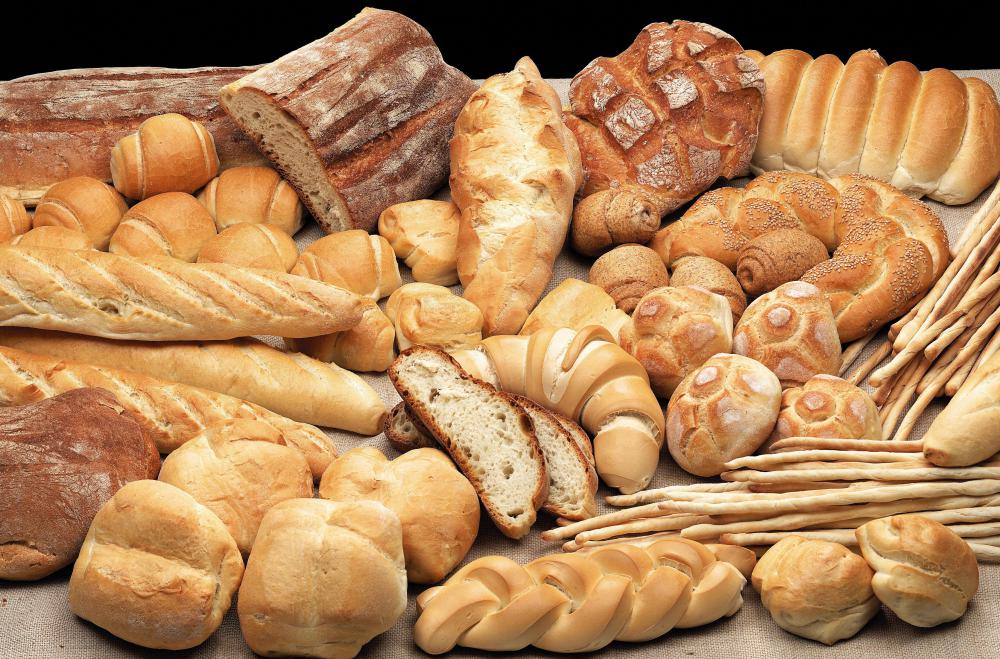
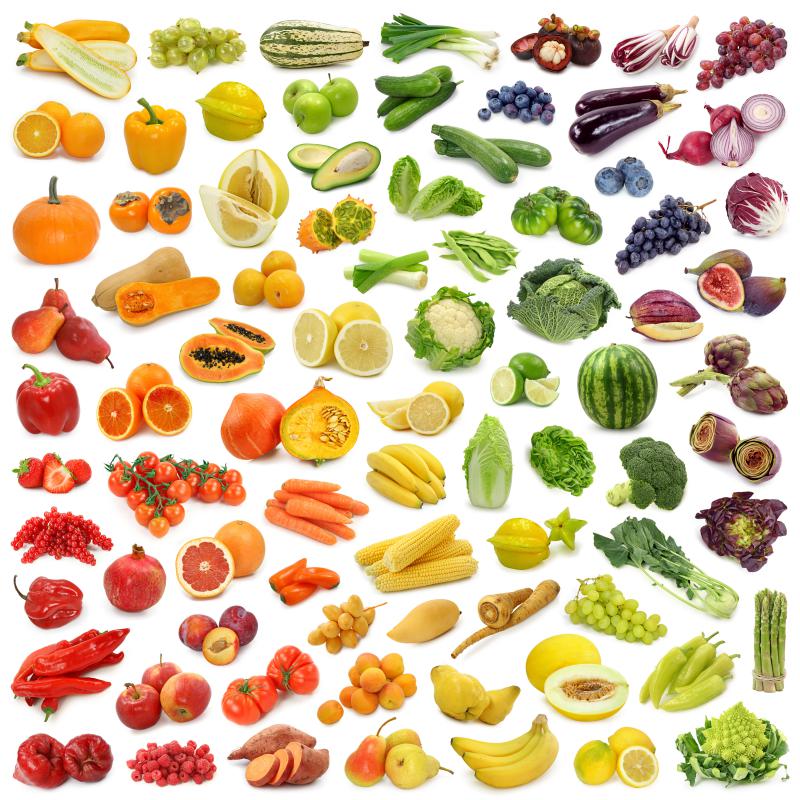
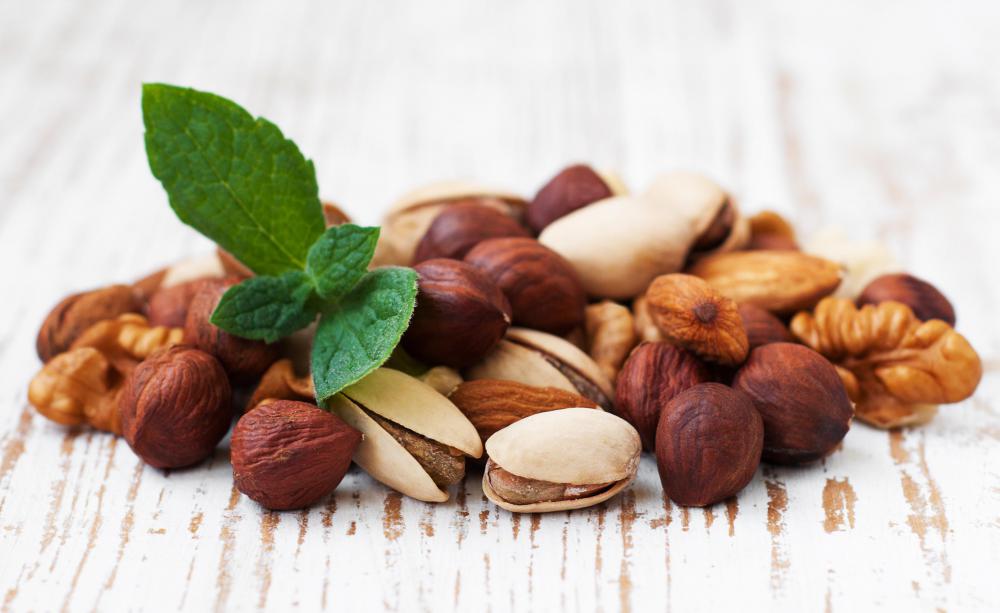
Foods can be rated according to the glycemic index, which indicates how quickly the carbohydrates are broken down by the body and the glucose is released into the bloodstream. White bread and most breakfast cereals have a high glycemic index, which means that the carbohydrates are broken down and the body's blood-sugar levels raised more quickly. Most fruits, vegetables and nuts have low glycemic indexes. Whole-wheat products and some types of potatoes have glycemic indexes in the middle.
Regulating Levels

Glucose it is such a vital source of energy, and it interacts with both the digestive and endocrine system in the body, so keeping its levels — also called blood-sugar levels — in the bloodstream within a normal range is extremely important to a person's health. The human body has adapted to maintain this ideal level by storing extra glucose in the liver and muscles as glycogen, so that it can be reabsorbed into the bloodstream when the body's blood-sugar levels drop. Insulin, a hormone that is released by the pancreas, regulates the body's blood-sugar levels.

Excessively high blood-sugar levels, a condition called hyperglycemia, might be caused by too much sugar or too little insulin in the blood. In a person who has Type 1 diabetes, for example, the pancreas does not produce insulin, so he or she typically must receive regular insulin injections. Extremely low blood-sugar levels might result from eating too little food or having too much insulin in one's bloodstream.
AS FEATURED ON:
AS FEATURED ON:


-
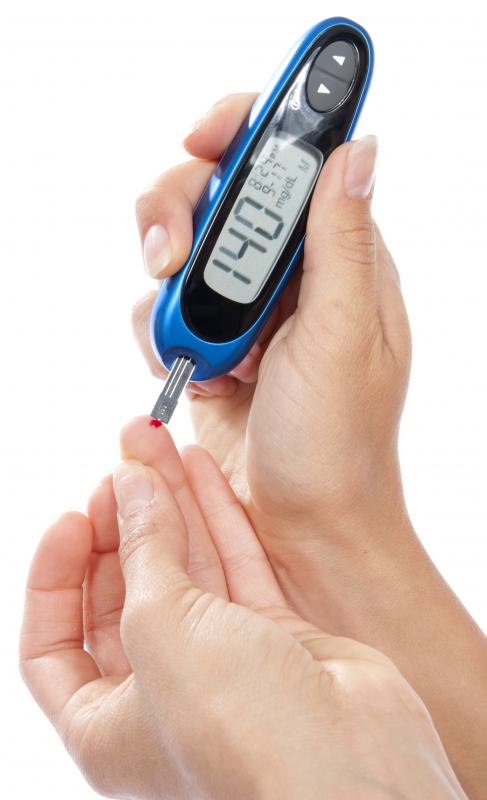
![A small meter can be used to determine how much glucose is in your blood.]()
A small meter can be used to determine how much glucose is in your blood. -
![Bread is high in carbohydrates which your body converts into glucose.]()
Bread is high in carbohydrates which your body converts into glucose. -
![Most fruits and vegetables have a low glycemic index.]()
Most fruits and vegetables have a low glycemic index. -
![Many nuts have low glycemic indexes.]() By: Es75Many nuts have low glycemic indexes.
By: Es75Many nuts have low glycemic indexes. -
![The main place that glycogen is found in the body is in the liver.]() By: nerthuzThe main place that glycogen is found in the body is in the liver.
By: nerthuzThe main place that glycogen is found in the body is in the liver. -
![Type 1 diabetics do not produce insulin, so they must rely on a pump or regular injections to control the glucose concentration in their blood.]() By: hilleborgType 1 diabetics do not produce insulin, so they must rely on a pump or regular injections to control the glucose concentration in their blood.
By: hilleborgType 1 diabetics do not produce insulin, so they must rely on a pump or regular injections to control the glucose concentration in their blood. -
![If the pancreas fails to properly produce insulin, blood glucose levels can rise.]() By: pixdesign123If the pancreas fails to properly produce insulin, blood glucose levels can rise.
By: pixdesign123If the pancreas fails to properly produce insulin, blood glucose levels can rise.



Discussion Comments
There are 2 forms of Glucose as it is a chiral molecule. Which form does the body consume? What happens to the other form?
Glucose is broken down by bile and enzymes and carried into the bloodstream through the small intestine.
I was lactose, glucose, wheat intolerant until I had stomach cramps so bad I went to the hospital and now I wear a colostomy bag due to colon cancer.
I'm diabetic and glucose, gluten and wheat and lactose intolerant. So now what?
@anon33580 Post 7: Glucose is not gluten. Glucose is a type of sugar.
As glucose can be made from any type of starch, it may also be made of cereals containing gluten such as wheat.
So people who suffer from gluten intolerance should make sure they only eat glucose made from potatoes, corn or other gluten free foodstuffs!
Is glucose a monosaccharide?
How is glucose transported into your cellls?
who is the author of this article?
Glucose does not require insulin to enter the brain. Basic biochemistry here people
under what conditions does a patient need to be on a drip of glucose?
what is the difference between glucose and sugar?
does glucose affect your joints?
how does glucose in food get to your muscles?
can glucose be tested on animals?
I heard that oxygen itself is not used as a fuel but is used to burn the glucose for the working muscles. is this true?
I'm designing a lab for my bio class and i don't know how to find the glucose that gets digested by lactase from lactose.
Does anyone know how i can find the glucose?
My lab is to see if lactase at different pH level, will have different results at digesting lactose, so i need a way to find the glucose that is digested by the lactase.
what are the other types of glucose? and kindly give their functions.
Does the ability of glucose (dextrose) to raise blood sugar deteriorate over time due to effects of normal ambient environmental conditions? Is there a reputable scientific resource available to support the answer?
when glucose is convert to glycogen and citric acid how many moles of ATP are produced.
what level of the your glucose should be fasting and no fasting?
What sugar substitutes can affect yeast?
How is glucose different and alike from sugar substitutes?
Why is it that glucose doesn't show up on the back of foods, on food labels, my 5th grade science experiment has to do with glucose
How does glucose work in the type 2 diabetes patient?
glucose is needed?
Glucose cannot be used without the combustion process! glucose is oxidized by the oxygen we breath releasing water CO2 and heat. exhale near a window and you will see fog. it's the water produced in the reaction and CO2 is also exhaled.
C6H12O6+ O2: CO2 + H2O + heat.
what causes changes to the blood glucose concentration?
how does it give energy to our body? is it unique? or any alternative for glucose?
what color is glucose?
is glucose found in the vena cavae?
1) why is glucose a very important food??
2) why is it important that a food such as glucose is soluble?
how fast dose glucose travel from one place to another?
what is the scientific notation of glucose?
Is glucose good or bad? I am sorry. I am in third grade and only have a fifth grade reading level.
well now i know about glucose because im doing a science fair about it in middle school.
What is the thermodynamics of glucose?
Glucose in food gets broken down in our small intestines then into you're bloodstream and you're body excretes insulin to help glucose get into your cells. If you have too much glucose in your body is gets converted to either fat or glycogen "correct me if I'm wrong" and when dextrose levels aren't high your body then can re-convert glycogen back into glucose.
can glucose be found in soil?
does sugar feed cancer?
sugar doesn't feed cancer and glucose and gluten are two completely different things.
is glucose in pie?
Where can glucose be found?
gluten is a protein found in flour.
Glucose is not gluten. Glucose is a type of sugar.
when glucose is produced in solid, can it be reassured and committed to a full length attachment? i am very concerned.
Is glucose, gluten?
What types of chemicals are necessary for skeletal muscles to contract?
What happens to the sugar we eat? Does sugar feed cancer as claimed?
how does glucose in food get to your muscles?
Post your comments