
At TheHealthBoard, we're committed to delivering accurate, trustworthy information. Our expert-authored content is rigorously fact-checked and sourced from credible authorities. Discover how we uphold the highest standards in providing you with reliable knowledge.
What is Genetic Screening?
 Tricia Christensen
Tricia Christensen
Tricia Christensen
Genetic screening involves looking at a person's DNA to determine if he or she has any genetic indicators of disease. It may be motivated by the individual’s desire to rule out a potential future problem in his or her own life or in any present children or future children. Some researchers also screen a broad spectrum of people to find potential for genetic disease in large populations. It has also been used as a form discrimination, where patients who attempted to buy health insurance were “screened” out by insurers to avoid paying extra costs. Many governments now have specific rules governing how insurers, employers, or others may treat genetic information.
In the most uncomplicated way, people may be screened on a voluntary basis to determine if they have any possible factors that may predispose them or their children to certain illnesses. Couples who have such factors for certain devastating diseases, like sickle cell anemia, might want to determine if it is likely that they will pass this on to their children. In a screening of this type, couples could work with a genetic counselor and a geneticist. They might fill out forms about family medical history and personal history, and they would likely have DNA testing to see if they carry certain genes.

Sometimes, the presence of a genetic illness in one child makes parents anxious to get all of their other children tested. Information garnered this way can prove very helpful, since some people inherit a disease directly, while other people become carriers of the gene that causes the disease. While being a carrier is far preferable to actually having something, it can still be difficult and make the decision to have children at a future point more challenging. On the other hand, many times carriers won’t pass on a disease to their descendants unless they have mates who are also carriers.

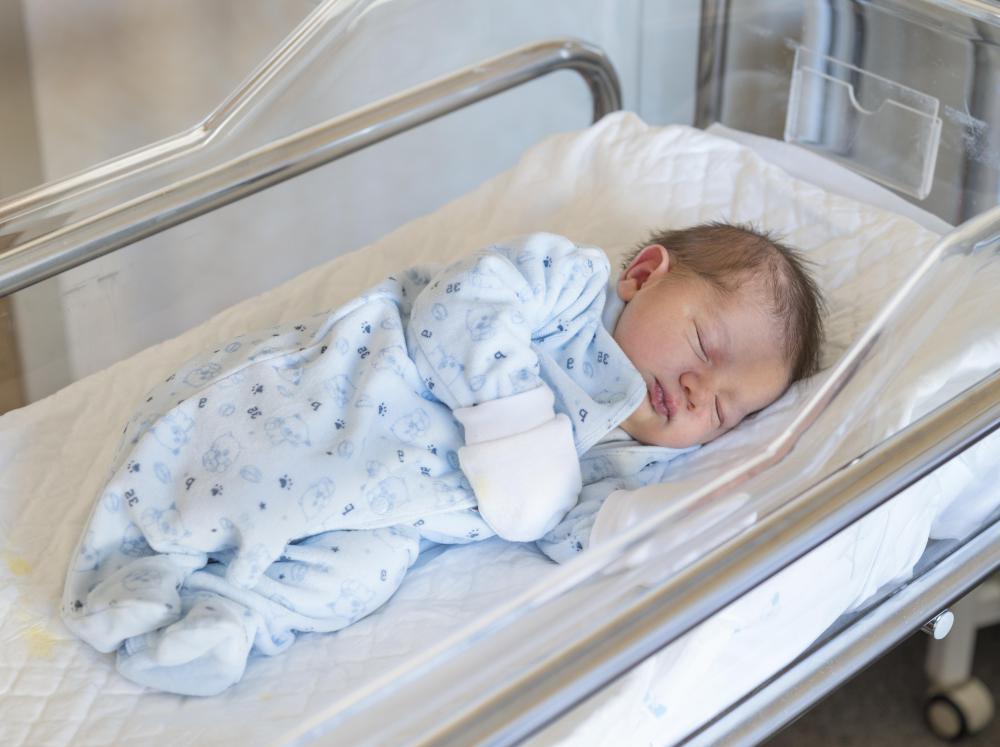
Though genetic screening sounds like something new, it really isn’t. Many countries have laws that require the automatic screening of newborns for certain diseases, like hypothyroidism and phenylketonuria. Many parents also opt to do some forms of genetic testing on fetuses in order to determine if it will have medical difficulties or other conditions. There are some who argue that this is done only for the purpose of aborting fetuses that are not healthy, but this not always the case.

The second definition of genetic screening is not only applicable to discrimination. By looking at the genetic information of populations, it may be possible to determine the likelihood of certain diseases in various groups. This information could prove to have strong benefits to human health, and help people determine whether individual, family, or couple genetic testing would be valuable. Fear of information being misused has made many people very reluctant to hand over DNA samples for this research, however, and it is difficult to conduct studies that are sufficiently wide in scope without significant financial backing.
Tricia Christensen
Tricia has a Literature degree from Sonoma State University and has been a frequent TheHealthBoard contributor for many years. She is especially passionate about reading and writing, although her other interests include medicine, art, film, history, politics, ethics, and religion. Tricia lives in Northern California and is currently working on her first novel.
Learn more...
Tricia Christensen
Tricia has a Literature degree from Sonoma State University and has been a frequent TheHealthBoard contributor for many years. She is especially passionate about reading and writing, although her other interests include medicine, art, film, history, politics, ethics, and religion. Tricia lives in Northern California and is currently working on her first novel.
Learn more...AS FEATURED ON:
AS FEATURED ON:


-
![Our DNA holds the codes for genes that may cause certain diseases.]() By: Monika WisniewskaOur DNA holds the codes for genes that may cause certain diseases.
By: Monika WisniewskaOur DNA holds the codes for genes that may cause certain diseases. -
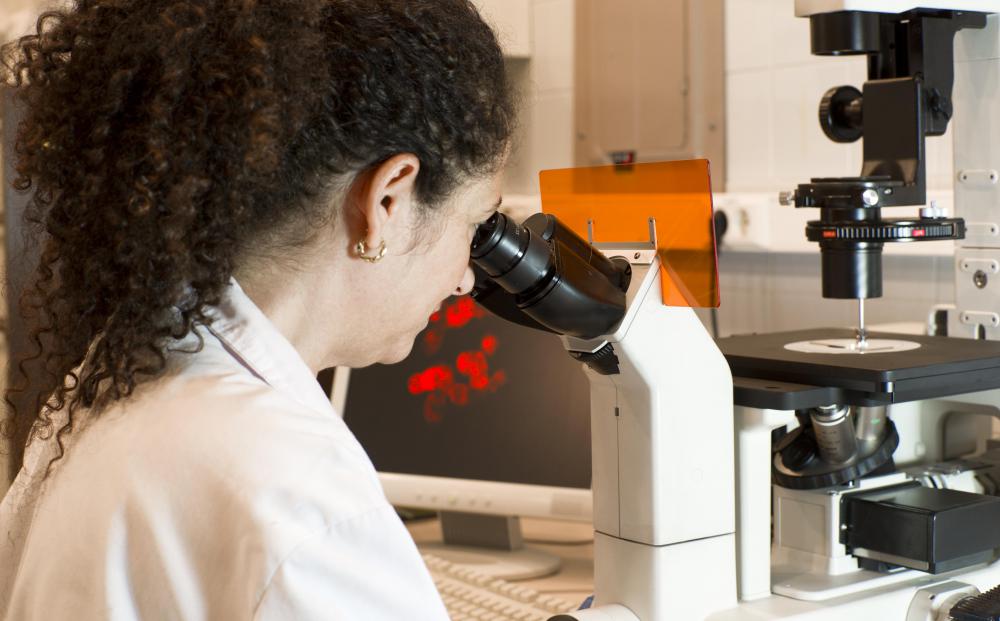
![Doctors look at DNA samples to determine whether we or our children may be susceptible to some diseases.]() By: lucvar101Doctors look at DNA samples to determine whether we or our children may be susceptible to some diseases.
By: lucvar101Doctors look at DNA samples to determine whether we or our children may be susceptible to some diseases. -
![Genetic screening involves looking at one or more family member's DNA to determine if any present or future genetic problems may impact a member of the family.]() By: pressmasterGenetic screening involves looking at one or more family member's DNA to determine if any present or future genetic problems may impact a member of the family.
By: pressmasterGenetic screening involves looking at one or more family member's DNA to determine if any present or future genetic problems may impact a member of the family. -
![The genetic code transmits genetic data that filters down through the generations.]() By: Tyler OlsonThe genetic code transmits genetic data that filters down through the generations.
By: Tyler OlsonThe genetic code transmits genetic data that filters down through the generations. -
![Genetic screening of newborns is mandatory in many countries.]() By: JorgeAlejandroGenetic screening of newborns is mandatory in many countries.
By: JorgeAlejandroGenetic screening of newborns is mandatory in many countries.



Discussion Comments
I am afraid that, like said earlier, people will take advantage of this information and use to it make decisions that are based on vanity and being perfect. Like someone stated, look at how the Chinese are using ultrasounds to determine the gender of their unborn baby early enough to be able to abort it if it's a girl. It's so wrong, and people shouldn't be able to do that.
In a way, genetic screening has already contributed to the the discrimination of certain groups of people. We now use it to help parents make a decision about whether or not to keep a baby that is damaged in some way or another. This will eventually lead to people using the information like the Chinese will use ultrasounds to determine the gender of their children.
@spreadsheet, while you see nothing but positive outcomes from the development of a scientific process for screening genetics, I find it quite disturbing.
As the author mentions in the article, genetic screening has already been used as a means to discriminate against fellow humans. This use of individual's genetic code is both disturbing and illegal.
Unfortunately, just like other laws, I am sure this one will be broken as well. Money and greed will outweigh the just use of such vital information and will effect the decisions of leaders and profit makers. After all, what insurance company wants to take on a client that is genetically predisposed to costly ailments.
The scary part of course is that fascists could use the data to identify sub-groups of culture and ethnicity to discriminate against them and take their freedoms based solely on a genetic feature that their parents passed along.
The coming to light that the human genome has had to the scientific community is so immense that I don't think our generation of young people and old people alike have come to terms with it's significance.
Genetic screening is so important to the health of individuals and our society in general that the impacts will not be fully realized until a few generations from now. The ability for parents to make education and informed decisions on the health of their babies and themselves will be forever changed by the genetic screening process.
Weeding out issues like Mar Fran's syndrome and diabetes will become easier and safer as our technology progresses. I see nothing but blue skies for our medical future and genetic screening is a big part of that.
Post your comments