
At TheHealthBoard, we're committed to delivering accurate, trustworthy information. Our expert-authored content is rigorously fact-checked and sourced from credible authorities. Discover how we uphold the highest standards in providing you with reliable knowledge.
What is Gamma Globulin?
 Niki Foster
Niki Foster
Niki Foster
Gamma globulin is a class of protein found in blood plasma. There are different types of gamma globulins, but the most important are immunoglobulins — also called antibodies — which help to both prevent and fight infections and disease. Abnormal amounts of proteins in this class can be bad for a person's health or can indicate a disease. In medicine, immunoglobulin injections made from donated human blood are used to treat certain conditions, especially those that weaken the immune system.
Conditions that Affect Gamma Globulins

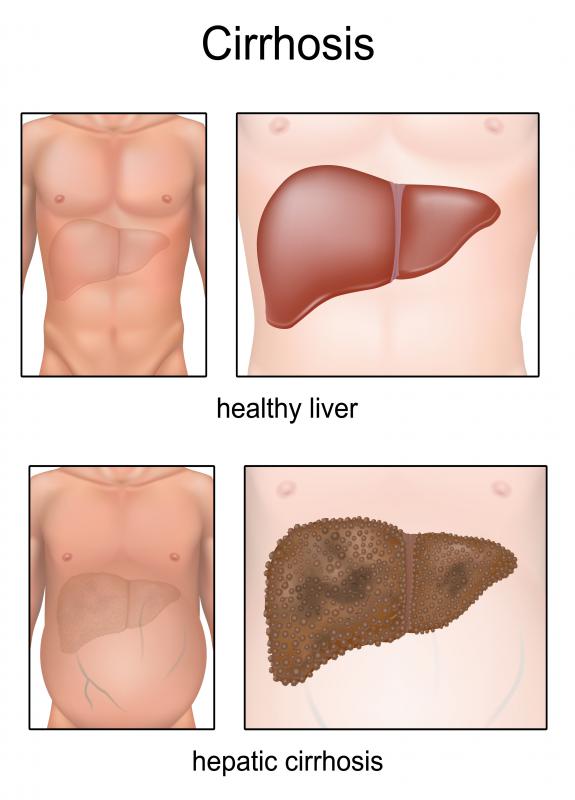
Levels of gamma globulin are measured through a laboratory test called serum protein electrophoresis (SPEP). Since antibodies are used to fight bacteria and viruses, an unusually high amount, or hypergammaglobulinemia, is often a sign of infection. It can also indicate liver problems, like chronic liver disease and cirrhosis, or autoimmune diseases, such as lupus and rheumatoid arthritis. Low levels of gamma globulin, or hypogammaglobulinemia, typically mean that a person has some sort of immune disorder or deficiency, such as common variable immunodeficiency (CVID).

A proliferation of abnormal gamma globulin, or paraproteins, is also a sign of immune malfunction. The abnormalities in themselves may not be harmful, but may indicate a serious immune condition, severe infection, or could progress to a dangerous condition, such as nerve damage or plasma cell cancer. They can also be caused by diseases of the gamma globulin, called gammopathies.
Treating Immune System Diseases

Immunoglobulin (Ig) can be removed from the blood of healthy donors and given to patients whose immune systems are unable to produce the necessary antibodies to effectively fight disease. Ig injections are created by combining the gamma globulins from blood donors who have already recovered from a particular disease, meaning that their blood contains the appropriate antibodies needed. This can create a temporary immunity for someone who has been exposed to a disease but who has not yet been immunized against it.

Ig injections were once given as a temporary boost to the immune system, particularly after exposure to diseases like chicken pox, measles, or hepatitis A. Vaccines have been developed for these diseases, however, so these injections are not as common as they once were. Injections may still be given to patients who do not produce enough antibodies on their own as the result of a genetic disorder or an acquired condition, however.

There are a variety of applications for these injections in order to boost the body's immune system. They can help to decrease the effects of more severe diseases and to prevent the body's immune system from destroying its own tissues, as is found in some diseases, like idiopathic thrombocytopenia purpura. It can be particularly helpful for those with genetic conditions that prevent them from producing their own antibodies. In addition, some cancer treatments also prevent the production of antibodies in patients, so Ig injections can be essential.
Treating Rh Sensitization

Some pregnant women also rely on these injections to counteract Rh sensitization. If the mother's blood is Rh- and her fetus is Rh+, it is possible that the blood types can mix during childbirth, or during an abortion, injury, or miscarriage. The mixing causes the production of antibodies by the mother's immune system that can attack the Rh+ blood cells of future fetuses. To prevent this, the woman can receive an Rh gamma globulin injection both during the pregnancy and after childbirth.
Niki Foster
In addition to her role as a TheHealthBoard editor, Niki enjoys educating herself about interesting and unusual topics in order to get ideas for her own articles. She is a graduate of UCLA, where she majored in Linguistics and Anthropology.
Learn more...
Niki Foster
In addition to her role as a TheHealthBoard editor, Niki enjoys educating herself about interesting and unusual topics in order to get ideas for her own articles. She is a graduate of UCLA, where she majored in Linguistics and Anthropology.
Learn more...AS FEATURED ON:
AS FEATURED ON:


-
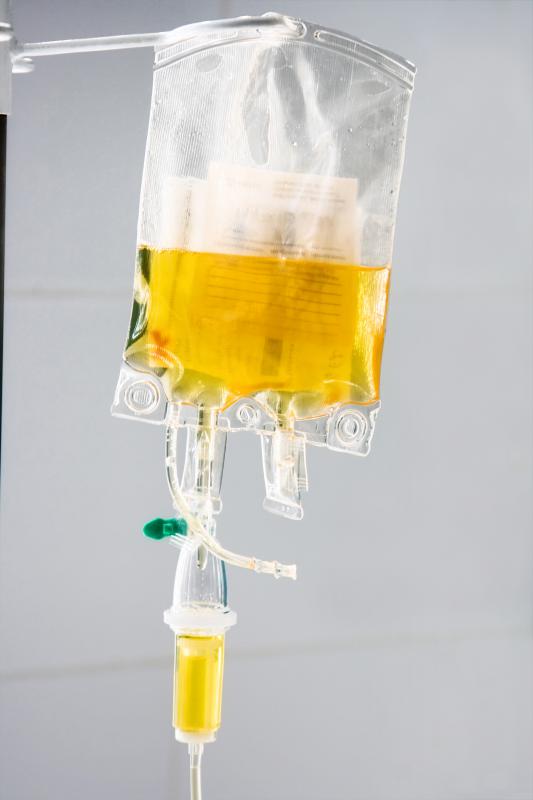
![A bag of blood plasma, which contains gamma globulin.]() By: beerkoffA bag of blood plasma, which contains gamma globulin.
By: beerkoffA bag of blood plasma, which contains gamma globulin. -
![An unusually high amount of gamma globulin may be a sign of liver disease or cirrhosis.]() By: peterjunaidyAn unusually high amount of gamma globulin may be a sign of liver disease or cirrhosis.
By: peterjunaidyAn unusually high amount of gamma globulin may be a sign of liver disease or cirrhosis. -
![Liver damage that is caused by alcohol abuse cannot be cured or reversed.]() By: yellowjLiver damage that is caused by alcohol abuse cannot be cured or reversed.
By: yellowjLiver damage that is caused by alcohol abuse cannot be cured or reversed. -
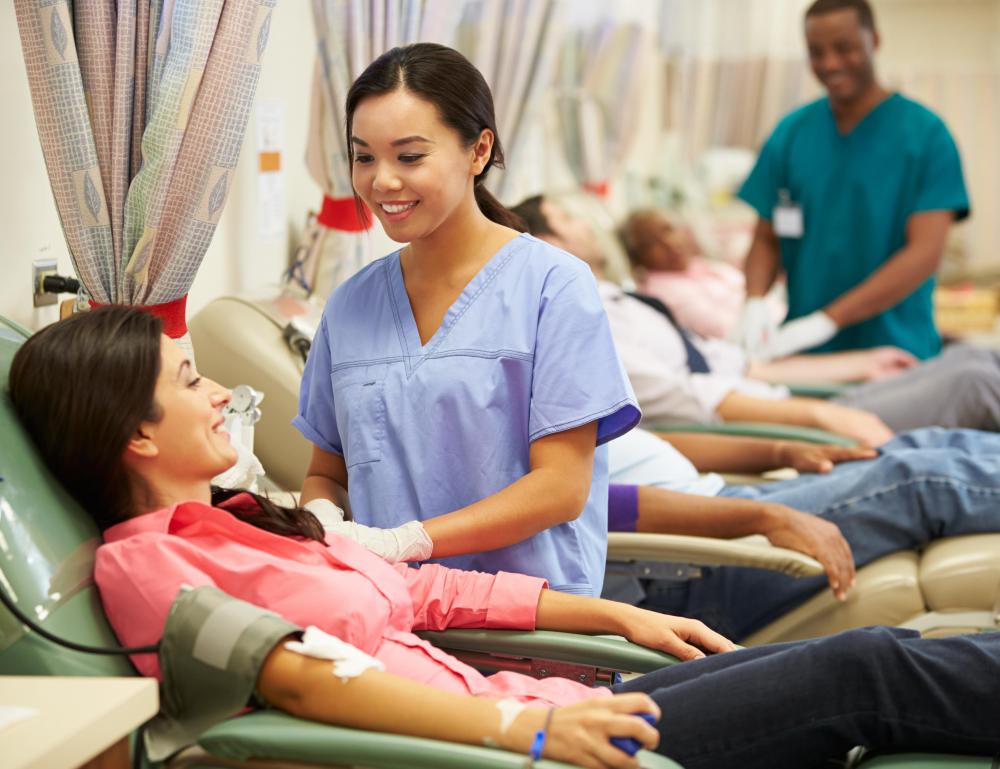
![Immunoglobulin injections from blood donated by another person may be used to treat certain conditions.]() By: Monkey BusinessImmunoglobulin injections from blood donated by another person may be used to treat certain conditions.
By: Monkey BusinessImmunoglobulin injections from blood donated by another person may be used to treat certain conditions. -
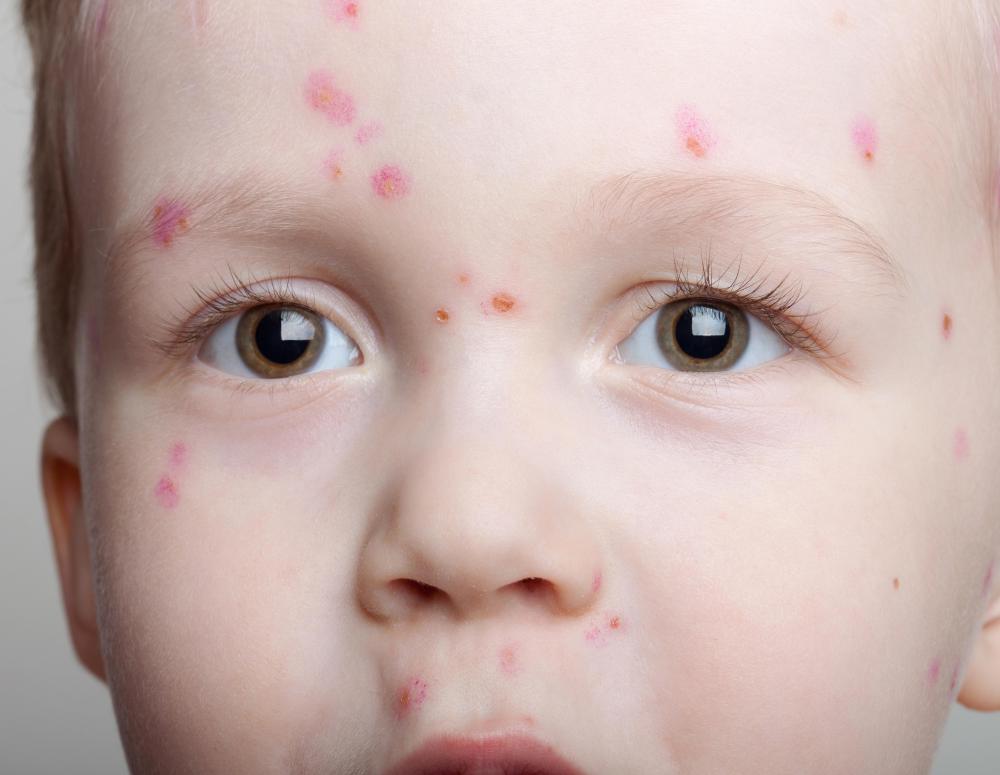
![Ig injections were once given as a temporary boost to the immune system after someone was exposed to chicken pox.]() By: PhotoziIg injections were once given as a temporary boost to the immune system after someone was exposed to chicken pox.
By: PhotoziIg injections were once given as a temporary boost to the immune system after someone was exposed to chicken pox. -
![In medicine, immunoglobulin injections made from donated human blood are used to treat certain conditions, especially those that weaken the immune system.]() By: Tyler OlsonIn medicine, immunoglobulin injections made from donated human blood are used to treat certain conditions, especially those that weaken the immune system.
By: Tyler OlsonIn medicine, immunoglobulin injections made from donated human blood are used to treat certain conditions, especially those that weaken the immune system.


Discussion Comments
I had the shots as a baby and suffer horribly from rheumatoid arthrits and fibromyalgia. I read on here several people have had the shots as a baby or toddler, and suffer from these same diseases. At least this is the first time I'm seeing a connection to something that may have caused my issues. I am almost 55.
I know that my child developed Type 1 diabetes after receiving a GG shot from a known pediatric abuser in Florida in 1983.
I was given these shots as a toddler in 1970s. I am now 42 years old and suffer from severe rheumatoid arthritis. I'm wondering if these shots had anything to do with this. Has anyone else out there with similar consequences of this shot?
I got either hemoglobin or gamma globulin injections as a toddler in the 1970's, and today I have severe undiagnosed rheumatological conditions that my doctor hasn't been able to label yet, but he thinks I might have Lupus. I hope this helps someone.
My GG is very low, my GP told me concerning my test results. I am now 50 years old, so can you please tell me what are the risks for me and how it will affect me?
I can only address the same issues I have had since I was 15 years old. I am now 40 years old, and I only wish I knew about GG many years ago. I take it twice a month for all the problems related to CFS/Fibro, etc. I think anyone with a compromised immune system should take it. That would be people with mono, allergies, etc.
I also had suffered from severe allergies and after about one month of shots they are gone.
I have been on GG for about two years and it has mad a big difference in my life. Of course this is my experience and as you can read on many websites it does come with warnings. I hope this helps I am not a doctor, so please seek a doctor for advice. Wishing everyone the best!
I have a six year old grandson with asthma and now he has been suffering from atopic dermatitis for almost a year now. It breaks my heart to see his skin problem. Can gamma globulin help him? Are there no side effects in the future? Please help us.
Gamma Globulin is harvested from over 600 placentas.
My son had his injection when he was two years old. He was always sick,received too many antibiotics, but after one injection with GG he was never sick again.
To address a few questions/comments: GG is not associated with Leukemia or MS. It does not consist of white blood cells. It has very few negative effects. One of them is that the shots hurt. I received them as a kid to temporarily boost the immune system, and they seemed to work. I received two as an adult to prevent hepatitis, and they also worked.
I wonder if they'd be effective against mono or CFS, but have no information. Based on my experience, I would inquire about receiving one if temporary immunity was called for.
I thought I remembered taking some really thick orangish medicine in a roundish brown bottle for pneumonia or bronchitis when I was a preteen years old in the fifties. My mom mixed it with hershey's chocolate syrup so it didn't taste so bad. I read here that gamma globulin is taken in injection form. I always thought that was what I was taking. what do you suppose it was?
has gg ever been used in the treatment of fibromyalgia?
Did anyone get an answer on Systemic Lupus and if the IV Gamma helps?
Did anyone hear about apricot kernels boosting the immune system?
Could Gamma Globulin be used to treat acquired immunodeficiency syndrome?
Does anyone ever answer anything?
I am fed up with sweating and heard the injections
may help. Was on hormone replacement for 24 years but off it 9 months with the sweating the same.
Fed up.
I am going to do a trial study with this GG Injected
into my arteries in my upper legs? Is this OK for a
65 year old/healthy person?
It would seem from what I have read from you all that GG is in doubt and has also been of some benefit to some of you. All a bit hit and miss and rather alarming to hear so much worry from people who need doctors who know what they are doing. But do they?
Vitamin D and Vitamin C in high doses can resolve many immune problems. It also has a very positive effect against cancer.
Look at the reports from New Zealand on the web and a mans recovery from death when he was on life support with the HINI flue Virus.
Search beyond the medics and you might find some answers. Good luck to you all.
I received Gamma Globulin injections when I was a child. I am now 53 years old and I have Multiple Sclerosis. I was diagnosed four years ago. Could these injections have something to do with me now having MS?
I was diagnosed with Hashimoto's auto immune disease.
I now know my mother and sisters also had it because I remember their symptoms. My mother's doctor gave her the shots once a month and they really helped her. This was years before the medical system recognized Hashimoto's. Can these shots help me?
I have had GG treatments since I was 14 years old (I am now 50 years old). Over the years my family doctor would give me GG shots when I had bronchitis or any viral/bacterial infection. What a difference these shots have made in my recoveries.
Bottom line: GG injects healthy white blood cells into your system, which boosts the bodies ability to fight infection. So worth it. If you're lucky enough to have a doctor with access to GG, you are lucky.
I had it in utero 40 years ago. (My dad had hepatitis A so they gave it to my mom).
I have been very sick my whole life and am disabled. I attribute it to these shots as no one else in my family has any of these problems.
To anon38982: I am undergoing gg shots re: rabies and found my lymph nodes swollen and tender under the arm that the shot is administered in. GG stays in the system about three weeks so you may want to wait until after all your shots are completed.
I've had three gamma globulin treatments and I've gotten very bad headaches afterward -- so bad i get sick and my bones and joints hurt really bad.
It's not easy to say this, but what the heck -- I'm a hep B carrier and it has been eating me up ever since i found out about it.
I'm worried about the fact that i want to have kids someday in the near future but am very worried about their health because there is a big chance that i can give hep B to them and not only that, but I'm young and still looking for that someone special to spend my life with.
So can i ever tell someone i am a carrier without scaring them off with the details? seeing that i want to date, do i tell the person on the first date about my status? please help. -- someone
I have asthma and have been getting treatments for just over eight years I went from being in the hospital every four to six weeks to maybe once a year now. This treatment has made me feel a lot better.
My son received Gamma Globulin shots as a baby in 1969 and 1970. Twenty years later he came down with leukemia and now, twenty years later, at age 40 he is having melanomas and tumors. He is taking interferon for a year in order to help combat the tumors. Is all this connected?
Not sure how the geek works but I see some comments that I would like to respond to.
My question is: has anyone found a country or national source of gamma that lowers the cost pain? I need five days/month to control an auto immune disorder.
I know my injections really work and have provided benefits beyond which they are prescribed for. However, the short half life requires monthly expenditures around $5K.
Is gamma globulin used for treatment of kawasaki disease in children of 12 years?
Can you buy that fron CVS?
could this product carry hep c virus if administered in 1970's?
is there any connection between lack of some gamma globulin as a child and eventually having multiple myeloma?
I have leaky gut syndrome. would gamma globulin shots help this disorder?
I am a 75-year-old female that has received Gamma globulin infusions over the past 16 years. I had most of my pancreas and my spleen removed in 1989 and since then have had many sinus and lung infections. Recently when getting the infusion I had a bad reaction and ended up in the hospital for several days. This happened the last two infusions. Now my iq level is low and I need gamma but not sure if that is the right thing to do. My insurance is also giving me a hard time.
Has gamma globulin ever been linked to or associated with the spread of HVC? Is GG a blood byproduct and could it be associated with HVC? I did read an article stating that GG may be associated in some cases.
I contracted GBS and have now had 3 infusions of gamma globulin. is this the normal treatment for gbs?
How does gamma globulin help a person who has long term neuropathy get some use back in limbs that are too numb to use?
Looking for others that have A Burtons Gammuglobulin Anemia. We know that this is an X linked chromizone blood disorder. It is passed from mothers to sons. This very rare disorder runs in our family. I would be especially interested if you have roots in the Dallas/ft Worth area. My Mother is a carrier. My little brother died at age 3 (1964)from it. Although we did not know that until 1981 when my nephew was diagnosed with it. Mother was adopted in 1937 or so in Ft Worth Tx. We need family medical history! Please respond.
I was given gamma globulin with the rabies series. I went for a mammogram and the lymph nodes showed up large and white. The doctor ordered an MRI, but after discussing this
with my internist, we are delaying the MRI three weeks after the last shot. Do you know if this could be a side effect to the lymph nodes after having gg?
So may questions here... any idea where the answers may be? or is it not likely to get them here? If not, what is the point of asking?
I came on this site out of curiosity. I am a fifty eight year old man. For some reason,this morning, the term Gamma Globulin came into my head. I was injected with two Gama Gobulin shots while in Vietnam in 1970. At the time I was not ill. The shots were quite painful and due to the viscosity of the serum took several minutes to empty the syringe. Afterward, as the doctor had informed me prior to the shots, I was unable to walk for almost twelve hours. The injections were administered to the upper thigh area of both legs. I had always wondered what the purpose of these injections was and even though, as anyone who has ever been in the military knows, I went through numerous batteries of shots, I cannot recall a more painful situation which is probably why I recalled the name of the shot. It was administered only once and never again. I don't recall if I asked the doctor what it was for. Are the after effects I described above normal? I do remember feeling pretty good for a while after the shots were administered.
Would this treatment help patients diagnosed with Systemic Lupus Erythematosis?
I am 58 years old and suffer from immune deficiency diseases: I am a celiac, I have interstitial cystitis, I have the herpes simplex virus in both of my corneas, I had mononucleosis, I am very allergic to dogs, cats, dust,wood and have asthma - the different doctors that treat me say I have Immune Deficiency Disease - would gamma globulin help me improve my health?
As a teenager, I received several shots of gamma globulin and would radically improve my health. I have had tests done with hematologists and I am OK.
Please help me and tell me what doctor to go to get the shots!!
Thank you for your help!
Can the Gama Goblin shot have reverse affect? I had a high temp above 104 Fh and lowered it with tylenol to 102 Fh. I took 2 more tylenol caps and waited 2 hours and my temp was still 102Fh. My heart beat was very high and my white blood cell count was very high and my liver was enlarged.
2 weeks later my leg, ankles and knees started to swell with pain and I started to get some bad sinus headaches, with fatigue.
So far the VA denies this and the Army never diagnosed this, but they couldn't help me because I didn't know how this all happened at once. After receiving the 2nd GG shot I started to get sick again.
my friend's dr has recommended a 5 day IV gammaglobulin treatment. she has a muscular myopathy. they have not identified exactly which disease it is. can you explain the thought behind this. and what are the side effects of this treatment? thanks
I had gamma globin anemia as and infant and received the injections for six months. Does that make it go away or can it come back? I have been undergoing numerous test to rule out ms, but the more research i do, the more i'm finding it could be related to this.
I have been diagnosed with pulmonary fibrosis and bronchiectasis. A friend told me that his sister had bronchiectasis and after being administered gamma globulin, no longer had the disease. Is there more information about this treatment?
Is there any role of gamma globulins in preoperative stage of tonsillectomy?
would gamma goblin help heal a wound on my leg that has 36 staples which attached a flap of skin on the shin. I have poor circulation and nerve damage from chemotherapy. My spleen has been removed.
why would gamma globulin be given to a person with MS ?
I heard that gamma globulin can really help with severe asthma. is this true? My 11 year old son has had asthma since he was 1 and he is now severe. He is on numerous meds. and has to see a specialist every week or two. He is now allowed to run or play with the other kids Dr's orders. Please help. Thank you so much Lisa
Hi I am Receiving gamma globlin for the fact that i don't make it, it is the third antibody in EBV I have CAEBV and will receive the treatments for the rest of my life. and it does help with mono?
I have been diagnosed with diabetes 2 for 10 years. In the earlier years I was overweight. Then in the last year or so I have shown signs of cachexia, a huge loss of weight. Someone told me that this condition can be helped with gamma globulin and that I should have my gamma globulin levels checked. Have any other diabetics suddenly been able to eat anything at all and everything and still gain no weight and in fact lose weight? Did any of you benefit from gamma globulin treatments?
Interesting. I've been having chemotherapy for leukemia and ended up with my immune system shot to pieces. When I was in hospital a while back with a nasty chest infection they gave me gamma globulin to boost my immune system until my white blood cell count gets back up to a sensible level.
I am in my 36th week of pregnancy with my 2nd child. My first was born 2 years ago with NAIT (neonatal autoimmune thrombocytopenia). I was informed today by a hematologist that I should have already begun G.G. treatment starting in my 20th week to avoid brain bleeds which can be a condition of NAIT. Although told this by a hematologist, my high risk pregnancy center advised against this because of the controversy to this kind of in-utero treatment. I cannot find a clear cut answer on whether or not I should have this treatment done over the remaining weeks of my pregnancy.
First I would like to say thanks for at least coming the closest to answering my question, after 3hrs+ of reading you are the first to mention the spleen in any way, and having lost mine in an auto accident in 72 at age 18 and still have not located it, but until '92 the 1st gulf war,no big deal, go get my yearly gg shot. I could crawl in, get the shot and run out, it was the wonder drug for me. I think back, why did i suffer so from asthma, with this wonder drug out there, prior to the accident sick 6-10 times a year, after the accident 0-2 times, that is till 92, so for the last 15 years same as the first 18, always sick, 3day cold for you is 3 weeks plus for me, I have been in the hospital for a week 5 times from the flu, in that time frame. I am 54 and not getting any younger. I am able to tell the difference more in the last 2 years than prior years. I just need a gg shot! and if i told you how many drs that i have seen or that I even got out of the phone book and started calling asking if they had it... I don't understand what is the problem, why can't I get the shot.
It also helps a class of people with Chronic Fatigue Syndrome (CFS) (CDC uses this terminology), also known as Chronic Fatigue and Immune Dysfunction Syndrome (CFIDS) (in US, patients rights groups prefer this nomenclature); Myalgic Encephalitis (ME) (Great Britain uses this termanology)
does anyone know if this could help with breast cancer?
my 8 year old daughter was just diagnosed with mono. Does this gg antibody help that? How to we help her build her strength back?
gg has been used with exceptional results and no toxcicity w/treatment of pinkeye/adenovirus.
i've heard the adenovirus has been also been linked w/weight gain, i'm wondering if the studies' parameters included patient weight fluctuation? at present the link has been established, but no foreseeable treatment is forthcoming. hopefully, this may be a side benefit of gg therapy.
So where is Gamma Globulin harvested from? If it is produced when the body is fighting infection is it taken from sick people? My son was given G.G. to prevent damage during his bout with Kawasaki Syndrome.
Post your comments