
At TheHealthBoard, we're committed to delivering accurate, trustworthy information. Our expert-authored content is rigorously fact-checked and sourced from credible authorities. Discover how we uphold the highest standards in providing you with reliable knowledge.
What is Gambling Addiction?
Gambling addiction, also known as problem gambling or compulsive gambling, is a behavioral disorder in which a person compulsively bets money in games of chance, even when he cannot afford the cost of doing so. A gambling addiction can create major havoc in the life of its sufferers, their families, and even their employees. Those with a gambling addiction may miss work or school in order to gamble, neglect their families, and steal money with which to gamble. Such individuals may also sell valuables to pay gambling debts and may well bankrupt themselves or others in order to continue placing bets.
While many people are able to play bingo, slot machines, or spend a day at the horse races with no problems, for those with a gambling addiction, these diversions are very difficult to control. Their addiction prevents them from being able to make sound decisions about when to stop gambling, when to leave the gambling premises, or when to stop chasing their losses, a turn of phrase used to describe trying to win back lost money by continuing to gamble.

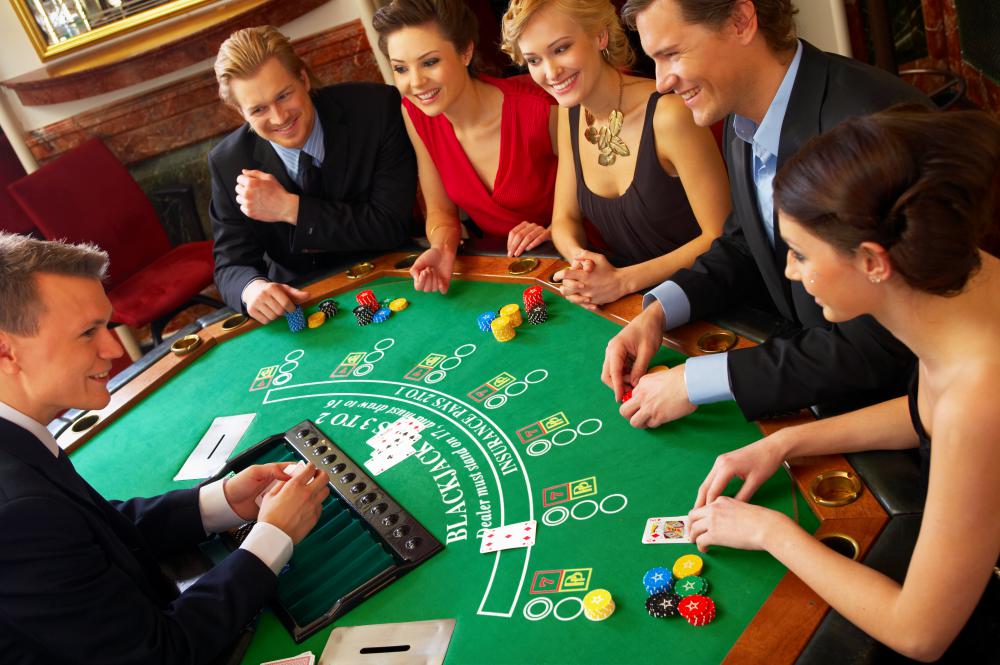
Some gamblers choose to exercise their compulsion in traditional gambling venues, such as casinos, racetracks, and slot and video poker machines at bars. Others may engage in illegal betting with bookmakers in card games. Some may also gamble on online casinos. When a person with a gambling addiction gambles through illegal channels, she brings additional risks upon herself and her family members, though these risks are generally not enough to compel the gambling addict to stop gambling or seek appropriate treatment.

For many with a gambling addiction, relief can be found in seeking addiction treatment. This may include psychotherapy, particularly cognitive behavioral therapy or the 12-step approach of Gamblers Anonymous (GA). Like most addicts who participate in 12-step programs, a compulsive gambler who chooses to recover from gambling will be expected to cease all forms of gambling and games of chance. Those who choose psychotherapy may modify their behavior in other ways.

Many communities support outreach to problem gamblers, particularly in areas where gambling is legal. Race tracks and casinos often distribute brochures to problem gamblers that provide them with phone numbers of organizations that can assist them with finding appropriate treatment for their condition. In some jurisdictions, gambling addicts can request that they be added to a list of "banne gamblers maintained by casino security agencies so that they are no longer permitted to enter casinos and place wagers.
AS FEATURED ON:
AS FEATURED ON:


-
![A gambling addict may be mentally stuck on trying to relive a past win.]() By: Yuri ArcursA gambling addict may be mentally stuck on trying to relive a past win.
By: Yuri ArcursA gambling addict may be mentally stuck on trying to relive a past win. -
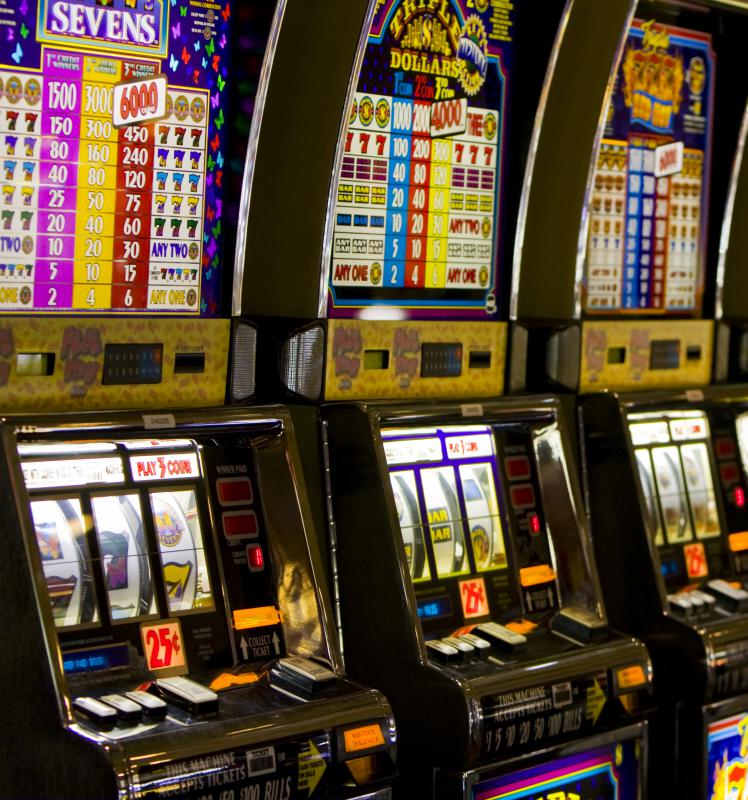
![Because they require minimal skill and can be played quickly, slot machines are among the most addictive gambling options.]() By: Mariusz BlachBecause they require minimal skill and can be played quickly, slot machines are among the most addictive gambling options.
By: Mariusz BlachBecause they require minimal skill and can be played quickly, slot machines are among the most addictive gambling options. -
![Therapy may be useful to those suffering with a gambling addiction.]() By: emiliauTherapy may be useful to those suffering with a gambling addiction.
By: emiliauTherapy may be useful to those suffering with a gambling addiction. -
![Serious gambling addictions may lead to bankruptcy.]() By: paulos1Serious gambling addictions may lead to bankruptcy.
By: paulos1Serious gambling addictions may lead to bankruptcy. -
![Gambling addicts place compulsive bets on casino games, such as craps.]() By: MaryPerryGambling addicts place compulsive bets on casino games, such as craps.
By: MaryPerryGambling addicts place compulsive bets on casino games, such as craps. -
![Roulette is a game that can create a gambling addiction.]() By: Vojtech VlkRoulette is a game that can create a gambling addiction.
By: Vojtech VlkRoulette is a game that can create a gambling addiction. -
![Online gambling addiction is often more difficult to overcome than an addiction to casino gambling.]() By: JJ'StudioOnline gambling addiction is often more difficult to overcome than an addiction to casino gambling.
By: JJ'StudioOnline gambling addiction is often more difficult to overcome than an addiction to casino gambling. -
![Auto racing is one sport that people like to place bets on.]() By: fotorfAuto racing is one sport that people like to place bets on.
By: fotorfAuto racing is one sport that people like to place bets on. -
![Signs of compulsive gambling can include risking large sums of money at casinos.]() By: 18percentgreySigns of compulsive gambling can include risking large sums of money at casinos.
By: 18percentgreySigns of compulsive gambling can include risking large sums of money at casinos.




Discussion Comments
@bear78-- I had a gambling addiction problem. You are right that gambling addicts lose more money than they win. But there is always that initial win when they started out that got them hooked to the game. That first win gives such a high that one keeps yearning for that.
@literally45-- Those online casinos and poker games have made it very easy for people to gamble. It's at the tip of their fingertips and I think it's a major problem for addicts who would otherwise not gamble because they don't have an access to a casino.
I bet many people now get addicted to gambling through this route. It starts out as an occasional pass-time and eventually develops into a daily need like eating and drinking. The weird part is that most addicts rarely win any money and usually lose. But that doesn't stop them from gambling. Gambling addiction requires therapy like drug addiction in my opinion. I think it affects brain chemistry as much as a drug.
My credit card information was stolen once by someone whom I presume to be a gambling addict. He or she gambled my money in an online casino. I was shocked when I saw the charges in my account. Thankfully, my bank refunded the money. But this is a good example of how far an addict can go to satisfy his addiction. An addict can steal money and engage in fraud. I hope that person got help for his online gambling addiction.
Post your comments