
At DelightedCooking, we're committed to delivering accurate, trustworthy information. Our expert-authored content is rigorously fact-checked and sourced from credible authorities. Discover how we uphold the highest standards in providing you with reliable knowledge.
What is Gamay?
Gamay is a red grape used to produce red wines throughout the world, though most notably in the Beaujolais region of France. It has been known as a distinct grape variety for over 600 years, often referred to as Gamay Noir, and has been planted throughout the world. In California, a grape is grown that for many years was identified as the Gamay grape, but it was recently determined as actually being a grape known as Valdeguie. As of 2007, the use of the term in relation to these Californian wines will no longer be legal in the United States.
Historically, this grape was grown more widely in France, and was particularly popular in the Burgundy region. At the end of the 14th century, the ruler of Burgundy, Philip the Bold, passed a decree that it no longer be grown in Burgundy, and all the existing Gamay vines were uprooted. He was worried that the grape was beginning to compete with his chosen grape, Pinot Noir, and determined that this not be allowed to happen.

Grapevines of this varietal tend to grow very well and produce great quantities of fruit. As with most grapes, however, this can be detrimental to ultimate wine quality, and so most regions that use Gamay thin the vines to ensure robustly-flavored grapes. Like Pinot Noir, it is rarely blended with other wines when the desired flavor. Because of the somewhat fragile nature of its aroma and taste, blending Gamay tends to result in a loss of the distinct grape qualities. This is true of both the red and blush wines made from this grape.

Gamay is a fruity, very fragrant wine, and can have a considerable amount of subtlety when produced well. It is not known for its longevity, however, and is generally meant to be drunk fairly young. The most well-known exception to this is the finest of the Crus from Beaujolais, and even these rather masterful wines are not expected to last more than 10 years at the upper bound. Flavors and scents associated with this grape include fruits such as berries and particularly cherries, banana, coconut, vanilla, rose and violet, and sometimes tar and toast. It tends to be somewhat sharply sour when very new, though this tendency reduces after brief aging in the bottle.
AS FEATURED ON:
AS FEATURED ON:


-
![Red wines around the world are made with Gamay grapes.]() By: tpfellerRed wines around the world are made with Gamay grapes.
By: tpfellerRed wines around the world are made with Gamay grapes. -
![Gamay is a red grape used to produce red wines throughout the world, though most notably in the Beaujolais region of France.]() By: benkenogyGamay is a red grape used to produce red wines throughout the world, though most notably in the Beaujolais region of France.
By: benkenogyGamay is a red grape used to produce red wines throughout the world, though most notably in the Beaujolais region of France. -
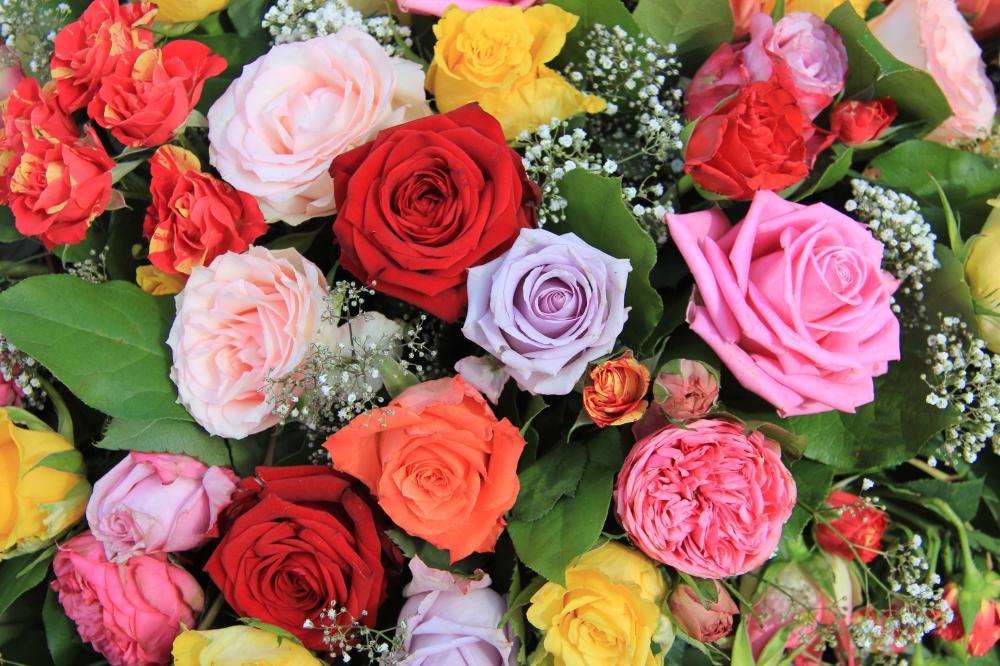
![Rose is a common scent associated with Gamay wine.]() By: Studio Porto SabbiaRose is a common scent associated with Gamay wine.
By: Studio Porto SabbiaRose is a common scent associated with Gamay wine. -
![Gamays are typically fruity, fragrant wines.]() By: Irina RedkoGamays are typically fruity, fragrant wines.
By: Irina RedkoGamays are typically fruity, fragrant wines. -
![Wines made from Gamays are rarely blended with other types of grape.]() By: V&P Photo StudioWines made from Gamays are rarely blended with other types of grape.
By: V&P Photo StudioWines made from Gamays are rarely blended with other types of grape.




Discuss this Article
Post your comments