
At SmartCapitalMind, we're committed to delivering accurate, trustworthy information. Our expert-authored content is rigorously fact-checked and sourced from credible authorities. Discover how we uphold the highest standards in providing you with reliable knowledge.
What is Futures Trading?
When most people think of futures trading, two things come to mind: extraordinary financial risk and very rich people. Those two things often go hand in hand, but nowhere is that the case more so than in this type of investment. Futures are contracts for the delivery of specified amounts of a certain commodity on a certain date in the future. Many of the commodities that are traded are agricultural, such as wheat, pork bellies, and orange juice concentrate. Futures contracts for many other “commodities” such as precious metals, currencies, and even interest rates, are also traded and exchanged.
Futures trading is unlike many other forms of investing, because a trader is not required to own or even buy the commodity. All that is necessary is to make a speculation on where the price of a particular commodity is going, and make a decision based on that. If an investor were speculating on crude oil, for instance, and he or she expected the price to go up in the future, that investor would buy crude oil futures contracts. An investor who expected that the price would be going down would sell crude oil futures.

The great majority of contracts are traded by speculators, who liquidate their position before the contract expires, taking either a profit or a loss from the transaction. In other words, the delivery of the commodity is not then the responsibility of the investor. The speculator does, however, play an important role in the economy. Most of all, they make it easier for those who actually need to deliver or take delivery of commodities to plan for the future.

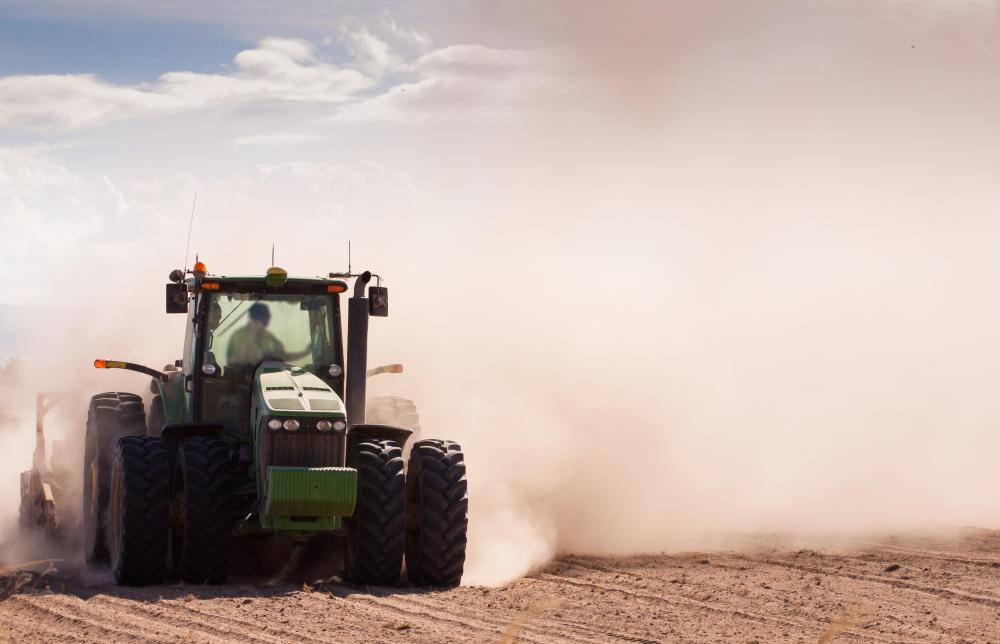
For example, a wheat farmer may want to guarantee the price he will get for the wheat he has growing but has not yet harvested. To secure his price, he can sell a futures contract equal to the amount of wheat he expects to harvest. A manufacturer, such as a bread company, may buy the contract, also guaranteeing the price it will pay when the contract comes due. This avoids unpleasant surprises for both parties that would possibly occur if they had no other option than to buy and sell and the current market price when it came time for them to do business. Most likely, the two parties won’t need to buy and sell at the same time, though, and this is where the role of the speculator is so important. Their involvement in futures trading means there is always someone to buy the contracts being sold, or to sell the ones being purchased.
AS FEATURED ON:
AS FEATURED ON:









-
![Commodities such as wheat are often traded on the futures market.]()
Commodities such as wheat are often traded on the futures market. -
![Future trading is often done regarding commodities like pork bellies.]() By: Whitebox MediaFuture trading is often done regarding commodities like pork bellies.
By: Whitebox MediaFuture trading is often done regarding commodities like pork bellies. -
![Crude oil futures are one part of futures trading.]() By: jamenpercyCrude oil futures are one part of futures trading.
By: jamenpercyCrude oil futures are one part of futures trading. -
![Some investors choose to engage solely in commodity futures as a means of generating revenue from an investment portfolio.]() By: NANSome investors choose to engage solely in commodity futures as a means of generating revenue from an investment portfolio.
By: NANSome investors choose to engage solely in commodity futures as a means of generating revenue from an investment portfolio. -
![A farmer wanting to guarantee the price he receives for his grain can sell a futures contract prior to his harvest.]() By: Johan LarsonA farmer wanting to guarantee the price he receives for his grain can sell a futures contract prior to his harvest.
By: Johan LarsonA farmer wanting to guarantee the price he receives for his grain can sell a futures contract prior to his harvest.


Discussion Comments
Wow. The misconceptions here are so far from reality it's depressing. Futures trading is no more risky than any other form of speculative trading. Accounts can be opened quite easily by anyone and funded with a few thousand dollars but I'd recommend at least $5000 for a starter account. The primary market participants are hedgers who use the market to manage risk exposure over time. This is confirmed every week by the Commitment of Traders report, issued by the CFTC. Pork bellies were delisted years ago. The earlier comments made to this post are really, really off base. Please don't pay attention to them.
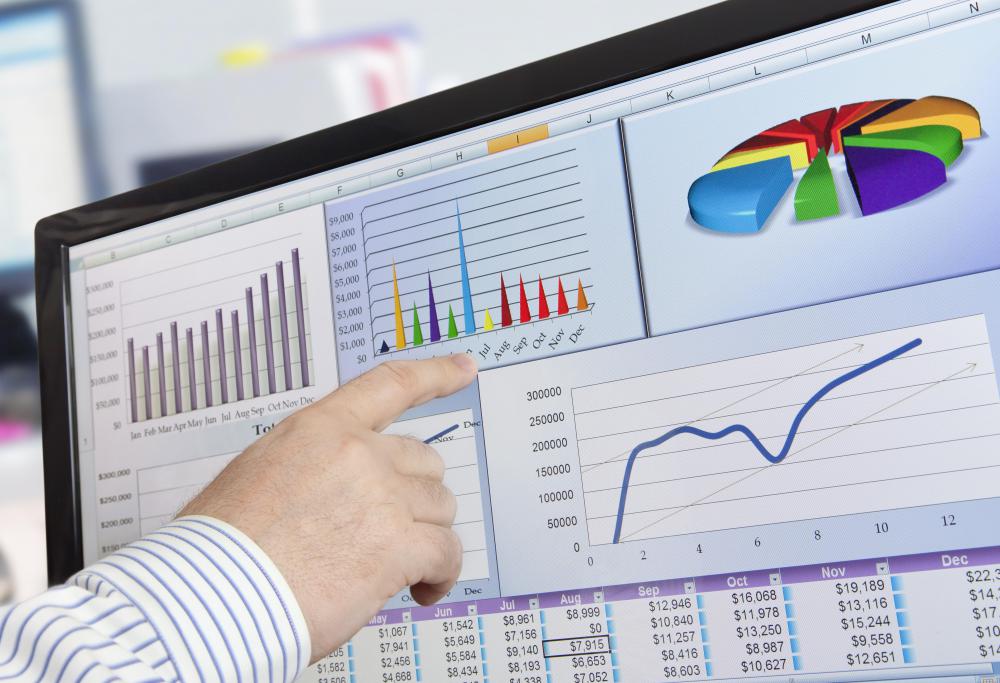
@Charred - I’m thinking of downloading futures trading software and running it for a trial period. Software is good at showing trends, charts and making forecasts. I don’t think you can figure out all of those wild fluctuations in your head.
A software program might do a better job of it, and make futures trading more accessible to the average guy like me. I’m going to use play money first and see how I succeed with it. If it works, I’ll start to dabble in the waters a little more.
@Charred - Currency futures trading, on exchanges like Forex, is another avenue for investors willing to stomach the risk. Currency values can fluctuate wildly almost on a daily basis in response to inflation, devaluation, and a whole host of other market forces that are nearly impossible to predict with any degree of precision. My advice: if you’re an amateur, stay away.
@anon176472 - Yes, I don’t recommend futures options trading for the faint of heart. The futures markets are rife with speculation and thus respond quickly—and dramatically—to what is happening in the news. This is why you might see oil futures spike when there is the least disturbance in the Middle East, for example.
As a practical matter, it’s not that easy for the average investor to get into futures contracts anyway. You usually have to have a lot of money upfront and be willing to tolerate a high degree of risk.
However, if you really want to buy a commodity, such as oil for example, you would be better off investing in one of several exchange-traded funds that would give you exposure to that product, at a reasonable price.
It's very useful post. Actually, futures trading is a hard market to join. It's said that people should not trade without a good understanding of the market. You are helping us do this task from the basics. I'll keep track of what you're going to write so that I can learn more about futures markets.
Post your comments