
At DelightedCooking, we're committed to delivering accurate, trustworthy information. Our expert-authored content is rigorously fact-checked and sourced from credible authorities. Discover how we uphold the highest standards in providing you with reliable knowledge.
What is Formaggi Sauce?
 Mary McMahon
Mary McMahon
Mary McMahon
Formaggi sauce is a cheese-based sauce, typically served on pasta. As the name implies, it has its origins in Italian cuisine, although other cultures have variants on the sauce as well. In addition to being served on pasta, this sauce may be used as a garnish on an assortment of other dishes. Many companies make commercial versions in jars or fresh, and it can also be made at home.
The distinguishing feature of formaggi sauce is cheese, as formaggio means “cheese” in Italian. It may be made with one or many cheeses, depending on the taste of the cook and what is available. Once classic form is quattro formaggi, which is made with four cheeses. When a blend of cheeses is used, it is not uncommon to mix hard and soft cheeses for a variety of textures and flavors in the finished sauce.

Because cheese itself is dense and rich, the sauce tends to be very filling, and it can get very intense. It is typically served over strong pasta shapes, or very flavorful filled pasta, such as ravioli and tortellini. Mildly flavored filled pasta will simply disappear under the cheese.
Some common choices of cheese in a formaggi sauce include Romano, Pecorino, Parmesan, Gouda, Gorgonzola, Emmentaler, Cheddar, Ricotta, Gruyere, Mozarella, and Provolone. Cooks are by no means limited to this list, and they should take advantage of regionally and seasonally available specialty cheeses for a unique sauce. They may also want to consider how the cheeses in the sauce will pair with the pasta, other dishes on the table, and any additional ingredients. Some of these cheeses have very strong flavors that are best used in a cheese blend, especially with milder cheeses.

A very basic recipe is made with cheese melted in cream or a roux and poured over pasta, as is the case with the sauce used to make traditional macaroni and cheese. Cheese may also be the basis of a more complex sauce, like a tomato sauce, however. Herbs like basil can also be added, along with some meats. These other ingredients make the cheese flavor somewhat less overwhelming, and may result in a more mild, delicate sauce that is suitable for a wider range of foods.
Mary McMahon
Ever since she began contributing to the site several years ago, Mary has embraced the exciting challenge of being a DelightedCooking researcher and writer. Mary has a liberal arts degree from Goddard College and spends her free time reading, cooking, and exploring the great outdoors.
Learn more...
Mary McMahon
Ever since she began contributing to the site several years ago, Mary has embraced the exciting challenge of being a DelightedCooking researcher and writer. Mary has a liberal arts degree from Goddard College and spends her free time reading, cooking, and exploring the great outdoors.
Learn more...AS FEATURED ON:
AS FEATURED ON:


-
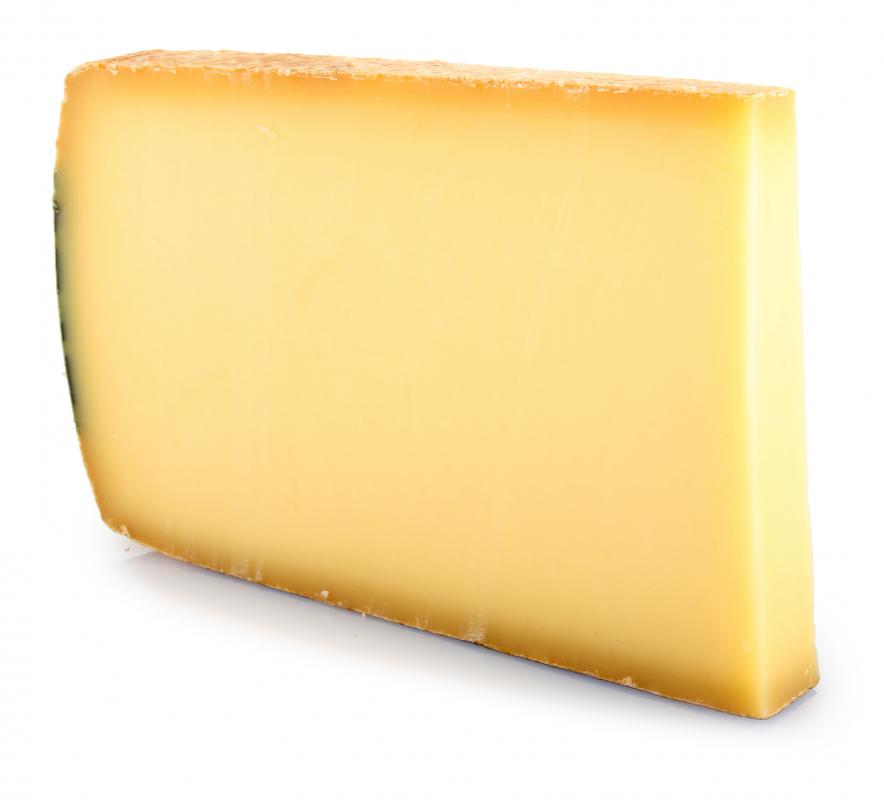
![Gruyere cheese, which is often included in formaggi sauce.]()
Gruyere cheese, which is often included in formaggi sauce. -
![Gorgonzola cheese, which can be added to formaggi sauce.]()
Gorgonzola cheese, which can be added to formaggi sauce. -
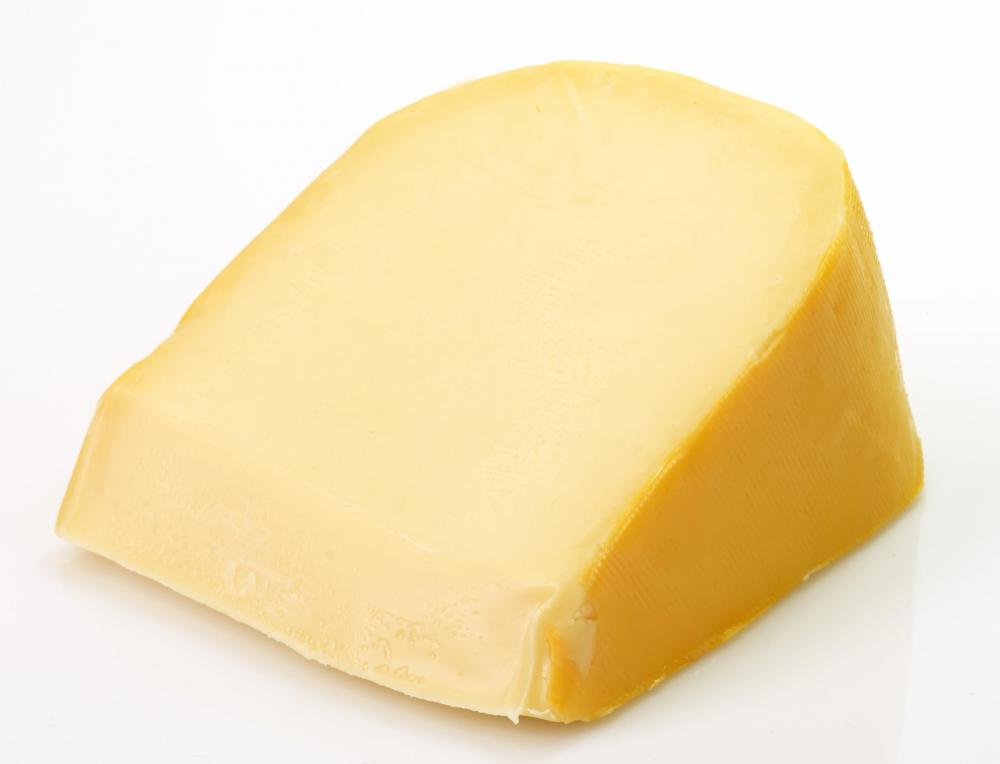
![Gouda cheese is often used in formaggi sauce.]() By: Birgit Reitz-HofmannGouda cheese is often used in formaggi sauce.
By: Birgit Reitz-HofmannGouda cheese is often used in formaggi sauce. -
![Blocks of sharp cheddar cheese, which can be used in a formaggi sauce.]() By: Bert FolsomBlocks of sharp cheddar cheese, which can be used in a formaggi sauce.
By: Bert FolsomBlocks of sharp cheddar cheese, which can be used in a formaggi sauce. -
![Herbs like basil can be added to a formaggi sauce.]() By: NatikaHerbs like basil can be added to a formaggi sauce.
By: NatikaHerbs like basil can be added to a formaggi sauce. -
![Some cooks like to use Parmesan in formaggi sauce.]() By: ElenathewiseSome cooks like to use Parmesan in formaggi sauce.
By: ElenathewiseSome cooks like to use Parmesan in formaggi sauce. -
![Many formaggi sauces begin as a basic cream sauce, and then cheese is slowly added.]() By: Lucky DragonMany formaggi sauces begin as a basic cream sauce, and then cheese is slowly added.
By: Lucky DragonMany formaggi sauces begin as a basic cream sauce, and then cheese is slowly added. -
![Formaggi sauces often include ricotta cheese.]() By: Roberto FasoliFormaggi sauces often include ricotta cheese.
By: Roberto FasoliFormaggi sauces often include ricotta cheese.



Discussion Comments
@turquoise-- Do you make it with plain pasta or the stuffed pastas sold in the cheese section?
I think it would be very good with cheese stuffed pasta, but then, it will be even more fattening. I have a feeling that it would be good with spinach pasta too.
I had plain pasta with formaggi sauce made from gouda and parmesan at a restaurant once and it was amazing. I also had formaggi sauce with blue cheese. I am not a fan of blue cheese in formaggi though, it becomes too overwhelming.
I make a very quick and easy formaggi sauce at home with cream and a packet of four-cheese mix from the grocery store. I realize that this is not the gourmet pasta sauce that one gets at restaurants, but it's a decent replica. It's easy and delicious.
I avoid making it all the time though because it's very high in calories. This is definitely not a diet food but my kids love it. It's one of the few dishes that they eat without making a fuss.
@anon106603-- I don't know about Italy, but ready-made formaggi sauce is sold in jars in Germany and the Czech Republic. I used to eat it all the time when I was in Europe, it's delicious.
@anon106603: How do you know that it won't be found in Italy? I find that hard to believe.
About as italian as meat balls. You'll not find it in Italy.
Post your comments