
At DelightedCooking, we're committed to delivering accurate, trustworthy information. Our expert-authored content is rigorously fact-checked and sourced from credible authorities. Discover how we uphold the highest standards in providing you with reliable knowledge.
What is Food Hygiene?
 Malcolm Tatum
Malcolm Tatum
Malcolm Tatum
The term "food hygiene" is used to describe the preservation and preparation of foods in a manner that ensures the food is safe for human consumption. This term typically refers to these practices at an individual or family level, whereas the term "food sanitation" usually refers to these types of procedures at the commercial level within the food industry, such as during production and packaging or at stores or restaurants. Food hygiene in the home kitchen includes things such as the proper storage of food before use, washing one's hands before handling food, maintaining a clean environment when preparing food and making sure that all serving dishes are clean and free of contaminants.
Meats

Meats must be stored and cooked properly as part of proper food hygiene. Many people use containers that are especially designed for use in a freezer to preserve raw meats for later use. Freezing helps slow the process of decay, thus minimizing the chances for food poisoning when the meat is used later. Unfrozen meats should be stored in a refrigerator at a temperature of 40° Fahrenheit (4.44° Celsius) or less. Meats also should be cooked thoroughly and to the proper temperature — at least 140° to 165° Fahrenheit (60° to 74° Celsius), depending on the specific type of meat — before being eaten.
Dry Goods

Storing food correctly can help maintain its quality so that it will be safe to eat. With dry goods such as sugar or flour, proper food hygiene calls for placing them in airtight containers that are clean and dry. The containers are then placed into a pantry or on a kitchen counter where they will be relatively safe from humidity and extreme temperatures.
Preparation Areas

Food hygiene also includes keeping preparation areas clean and germ-free. Mixing bowls, spoons, paring knives and any other tools used in the kitchen should be washed thoroughly before they are used, as well as after. Kitchen countertops and cutting boards also should be cleaned and sterilized from time to time. Keeping the workspace is sanitary decreases the chance that food will be contaminated and make people sick.
Cross-Contamination

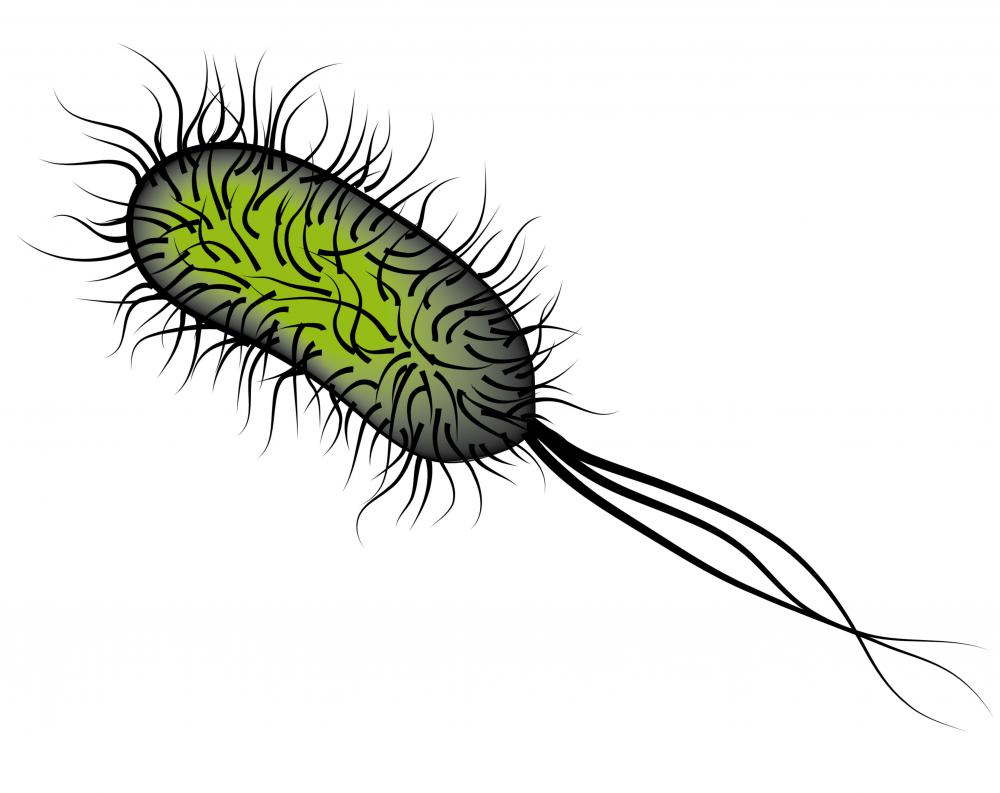
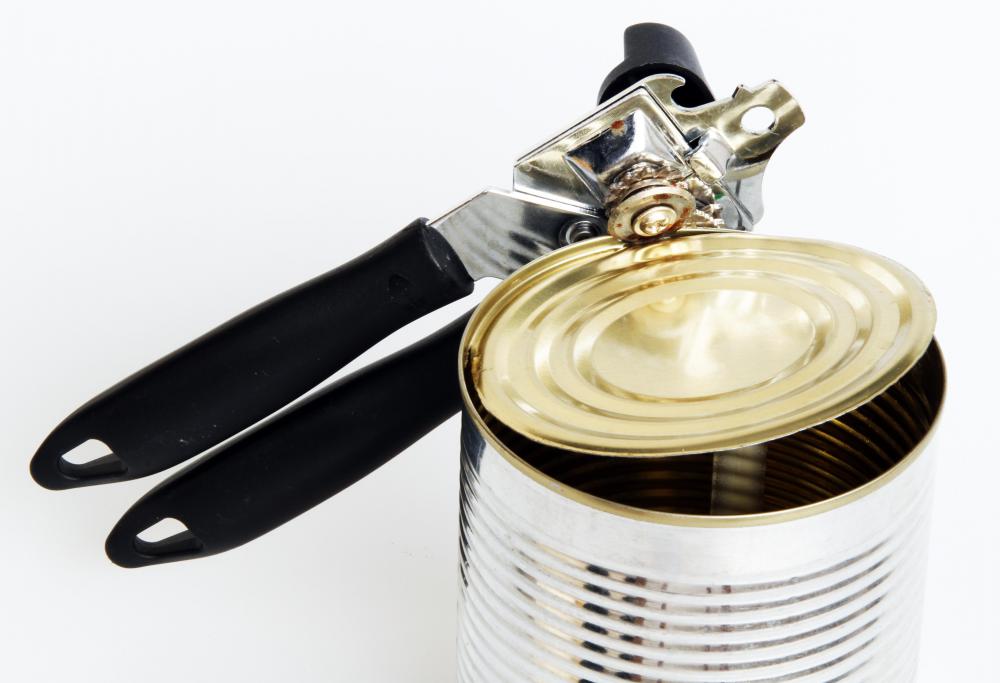
Preventing cross-contamination also is an important aspect of food hygiene. this can occur when cooking and preparation utensils are used with more than one type of food without being washed in between. For example, if the knife used to cut raw chicken is also used to chop lettuce for a salad, there is a chance that Salmonella bacteria will be transferred to the lettuce. This bacteria is killed when the chicken is cooked, but can continue to live on the vegetable, and could make someone who eats it sick with food poisoning. A cook might run a sink full of hot soapy water as part of the preparation process, then drop each utensil in after using it. This not only makes it easier to clean up after the food is prepared, it also prevents unwashed utensils from being reused.
Clean Dishes

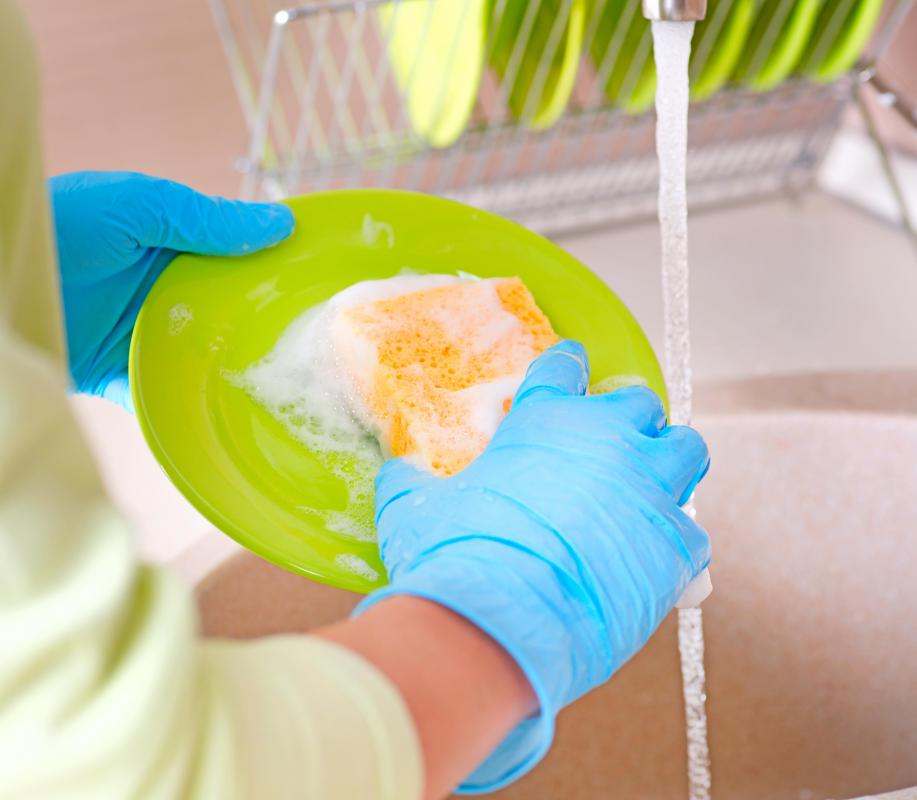
One aspect of food hygiene that some people do not address is cleaning dishes before placing them on the table before a meal. Although dishes that have been in a cupboard are likely to be relatively clean, a quick rinse with hot water and a small amount of dish soap will prevent stray bacteria from or other contaminants from being on the dishes. This is especially important for dishes that have not been used for quite a while, such as those reserved for special occasions.
After Preparation

Food that has been cooked or prepared is often safe to eat for only a few hours. After that time, the food should be refrigerated or thrown away. If food is left out for too long, bacteria could begin to grow on it. Consuming spoiled or contaminated food could result in food poisoning or other illness.
Malcolm Tatum
After many years in the teleconferencing industry, Michael decided to embrace his passion for trivia, research, and writing by becoming a full-time freelance writer. Since then, he has contributed articles to a variety of print and online publications, including DelightedCooking, and his work has also appeared in poetry collections, devotional anthologies, and several newspapers. Malcolm’s other interests include collecting vinyl records, minor league baseball, and cycling.
Learn more...
Malcolm Tatum
After many years in the teleconferencing industry, Michael decided to embrace his passion for trivia, research, and writing by becoming a full-time freelance writer. Since then, he has contributed articles to a variety of print and online publications, including DelightedCooking, and his work has also appeared in poetry collections, devotional anthologies, and several newspapers. Malcolm’s other interests include collecting vinyl records, minor league baseball, and cycling.
Learn more...AS FEATURED ON:
AS FEATURED ON:


-
![Having clean dishes is an important part of food hygiene.]() By: Subbotina AnnaHaving clean dishes is an important part of food hygiene.
By: Subbotina AnnaHaving clean dishes is an important part of food hygiene. -
![A refrigerator should be set below 40°F (4.44°C) to stay out of the temperature danger zone.]() By: Piotr PawinskiA refrigerator should be set below 40°F (4.44°C) to stay out of the temperature danger zone.
By: Piotr PawinskiA refrigerator should be set below 40°F (4.44°C) to stay out of the temperature danger zone. -
![A Salmonella bacterium, a common cause of food poisoning.]() By: Lyuba BunakovaA Salmonella bacterium, a common cause of food poisoning.
By: Lyuba BunakovaA Salmonella bacterium, a common cause of food poisoning. -
![A chef wearing gloves for good food hygiene.]() By: Mat HaywardA chef wearing gloves for good food hygiene.
By: Mat HaywardA chef wearing gloves for good food hygiene. -
![A can opener should be cleaned often to prevent the cross-contamination of food.]() By: Denis JunkerA can opener should be cleaned often to prevent the cross-contamination of food.
By: Denis JunkerA can opener should be cleaned often to prevent the cross-contamination of food. -
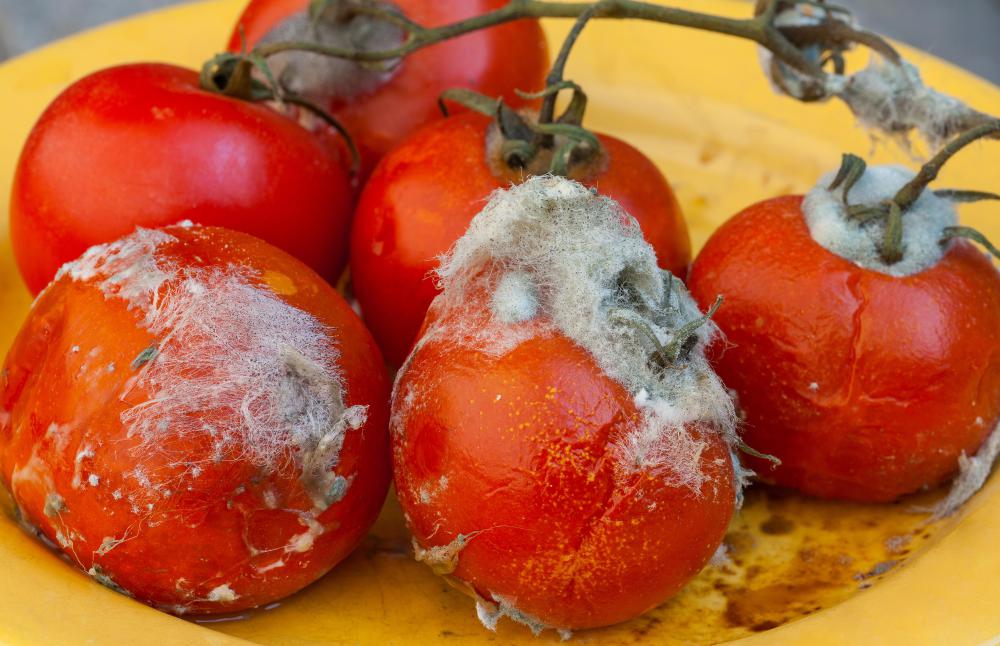
![Inspecting vegetables and discarding any that contains mold is a good food hygiene practice.]() By: Photographee.euInspecting vegetables and discarding any that contains mold is a good food hygiene practice.
By: Photographee.euInspecting vegetables and discarding any that contains mold is a good food hygiene practice. -
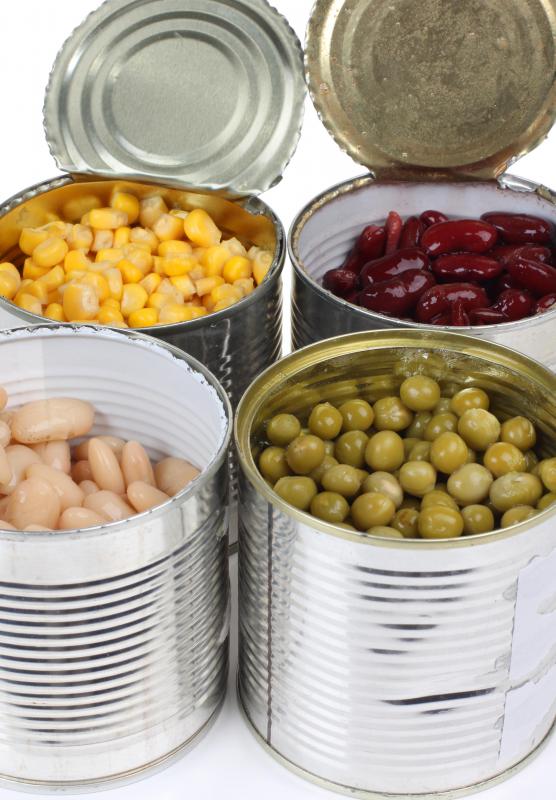
![Canned goods should be inspected to make sure they were properly sealed before eating contents.]() By: Ðиколай ÐÑигоÑÑевCanned goods should be inspected to make sure they were properly sealed before eating contents.
By: Ðиколай ÐÑигоÑÑевCanned goods should be inspected to make sure they were properly sealed before eating contents. -
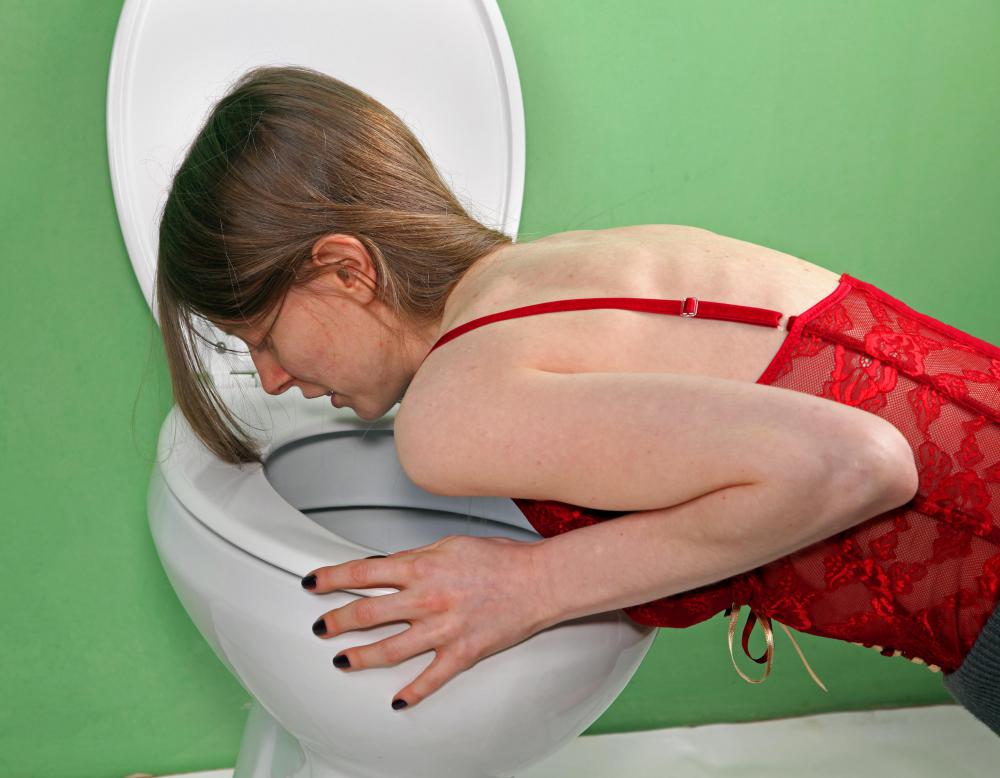
![Poor food hygiene can result in people getting sick.]() By: TattyPoor food hygiene can result in people getting sick.
By: TattyPoor food hygiene can result in people getting sick. -
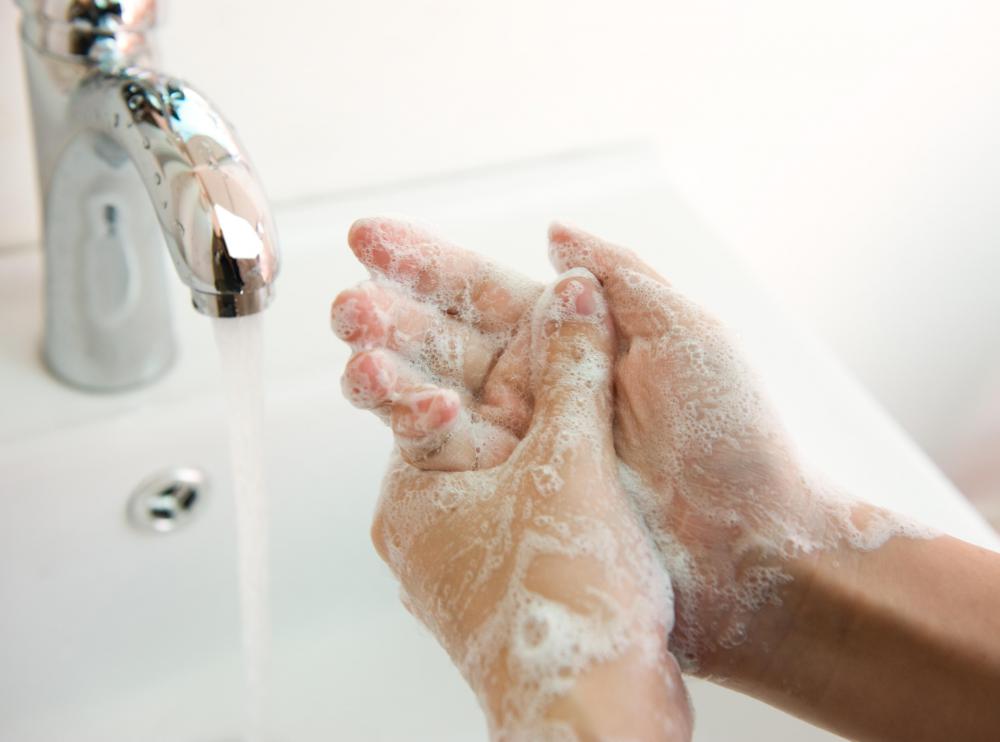
![Chefs should regularly wash their hands when handling food.]() By: xyChefs should regularly wash their hands when handling food.
By: xyChefs should regularly wash their hands when handling food. -
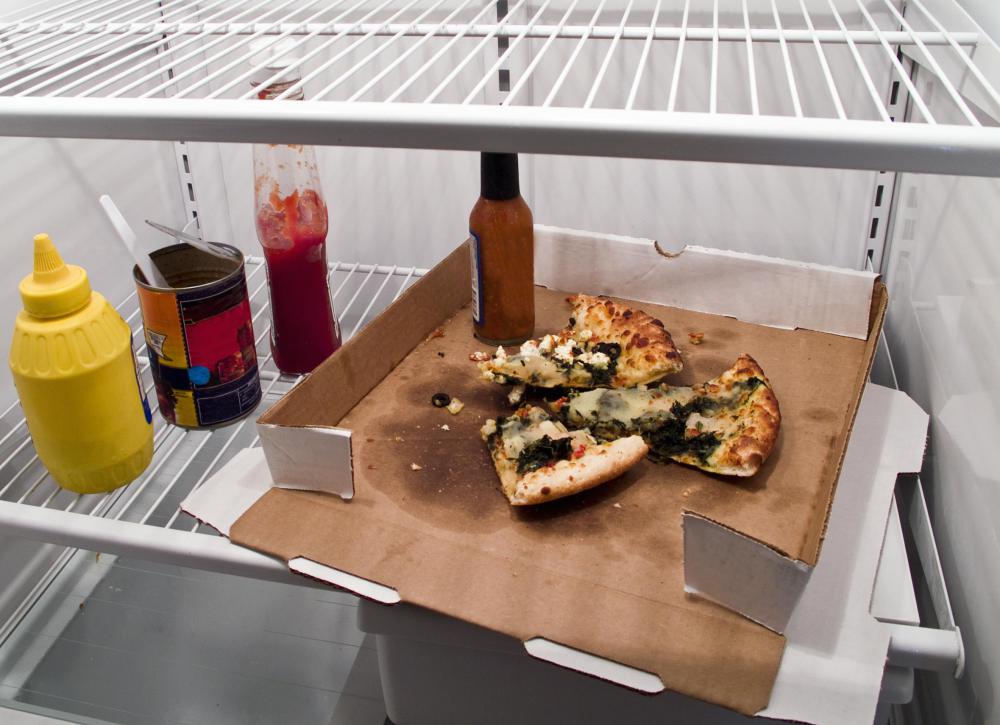
![Cooked food should be kept in sealed containers, not sitting open in the refrigerator.]() By: Jake HellbachCooked food should be kept in sealed containers, not sitting open in the refrigerator.
By: Jake HellbachCooked food should be kept in sealed containers, not sitting open in the refrigerator.


Discussion Comments
Working with raw chicken freaks me out. I suffer through it, because I love chicken, but just knowing that the potential for salmonella is there makes me very cautious.
I wash the cutting board, knife, and bowl in hot, soapy water as soon as I can. I wash my hands before and after washing the dishes, and I make sure to get under my nails, too.
I also wash the tongs that I use to flip the chicken when it is halfway done. I clean them before using them to remove the fully cooked chicken.
@feasting – As long as you know your cupboards are clean, this should be fine. However, some people have problems with mice, and it is very important that they follow this food hygiene safety rule.
I rent an old house with lots of gaps in it, so there is no way to keep the mice from getting in. I catch them in traps, but there seems to be an endless supply of them.
I have to wash every dish, every fork, and every serving spoon before using them. Several times, I have found mouse feces in the silverware drawer, and where there are feces, there is probably urine. Mouse urine can carry leptospirosis, which is often deadly.
I follow most of the food hygiene rules, but I don't rewash clean dishes before using them. This just seems a bit excessive.
It seems I'm always in a rush, so I don't have time for overprotective measures like this. I know that my cupboards are clean, and I really don't think anyone is going to get sick from eating off of the plates. I also don't rinse clean silverware that has been in the drawer before using it.
@Babalaas – I never knew this food safety rule. I generally do reheat meat at a substantial temperature, but that is just because I'm impatient and hungry. It's good to know that I've been doing it right!
A lot of people have to take some kind of food hygiene and safety course before they can find employment in a restaurant. These courses cover the basics of handling food in a safe and consistent way that conforms with the health code in that state.
I have worked in a couple of different restaurants and, unfortunately, food hygiene is not always the priority that it should be.
I have never seen any really egregious examples, but unsafe practices do happen regularly and it always astounds me that there are not more instances of illness from eating in restaurants.
@ Babalaas- I just wanted to add one quick note. Foods that stay out in food trays or warmers should maintain a temperature of at least 142 degrees if it will remain in the table for longer than two hours. If it is less than two hours then it depends on the type of food.
You must refrigerate foods below 40 degrees. If your coolers pop above forty degrees or a health inspector will make you throw everything in that cooler away. You may also fail the health inspection if it is a recurring event.
@ Babalaas- You are absolutely right about quick heating and cooling foods. I used to work as a restaurant manager, and this is one of the biggest safety concerns during a health inspection.
Another important aspect of food sanitation, as the article stated, is preventing cross contamination. One of the most vulnerable areas for cross contamination, are knives and cutting surfaces.
Cutting boards should be color coded, and knives should have color tape added to their handles. In my restaurant, we used red for meats, whites for breads and desserts, and green for fruits and veggies. We used permanent markers to color the edges of our boards.
Quick reheating and quick cooling of foods is very important. Bacteria begin to form on cooked foods within two hours, and they can make you very sick.
You should cool food as quickly as possible before putting them in the refrigerator, and you should not seal food while it is still hot. You can cool soups or sauces with a clean Lexan bottle filled with water and previously frozen. Drop this bottle in the soup or sauce to cool from the center.
When reheating foods, you should heat them as quickly as possible, and never more than once. Do not reheat a chili, soup, or meat dish on a warming setting. Ideally, you should reheat these items in ten minutes or less.
Post your comments