
At DelightedCooking, we're committed to delivering accurate, trustworthy information. Our expert-authored content is rigorously fact-checked and sourced from credible authorities. Discover how we uphold the highest standards in providing you with reliable knowledge.
What is Farina?
 Tricia Christensen
Tricia Christensen
Tricia Christensen
Farina is a milled cereal grain, usually made from wheat germ and the inner parts of wheat kernels called the endosperm. Sometimes, rice or potatoes can be milled and given this name too, but typically it’s considered wheat cereal. It has a very bland taste, which makes it adaptable to numerous toppings when it is prepared as a hot cereal, the typical preparation. Since it is so finely ground, it cooks quickly, and remains one of the more popular hot cereal choices.
Many people may be familiar with farina when sold as Cream of Wheat® or Malt-o-Meal®, which comes in quick cook and even instant varieties. A small amount of the grain is added to boiling water, and in a short amount of time, it quickly absorbs the water, producing hot cereal. Shoppers can even find some individual sized microwaveable packets. Some people vary the recipe by cooking it in milk instead of water, making it creamier and higher in protein.

Farina has a fairly high protein content, even when cooked in water. A serving of 1 cup (251 g) of the prepared cereal has only about 120 calories and contains close to 4 grams of protein. The grain is often sold in enriched form and may contain iron and calcium, and depending upon brand, it may be enriched with folate. Enriching with iron and calcium at the same time doesn’t make a lot of sense, since calcium absorption is inhibited by iron.

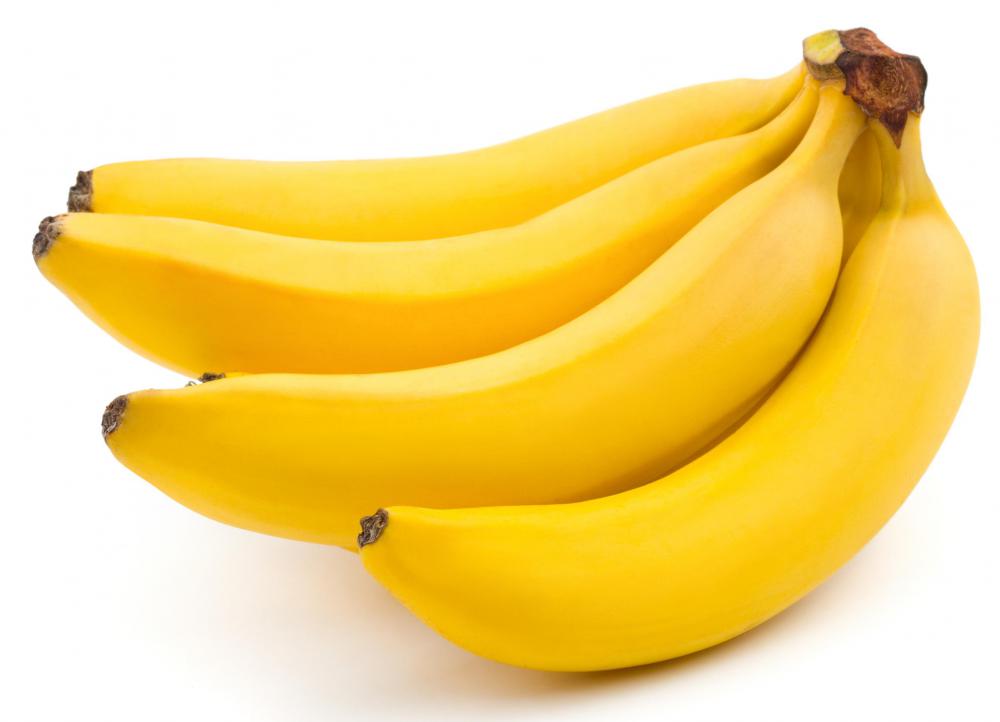
Toppings can range from a bit of white or brown sugar and butter, to slices of fruit, honey, syrup or jam. Since the cereal is often thought to be easily digestible, it might be a good idea to keep these toppings to a minimum at first. When it's introduced into a baby’s diet, parents should not sweeten it much. Infants eating solid foods for the first time are particularly good about eating fairly plain foods without complaint. If they do want a little sweetening, try mixing the cereal with plain unsweetened applesauce, or mashed banana.

Farina can also be used as a thickening agent for puddings, and may occasionally substitute for part of the wheat flour in baked goods. Since the protein value of this grain is fairly good, using it in this manner can be a nice means of enhancing the nutritional quality of certain foods. It’s unlikely to be noticed in these foods because it has such a mild taste.
Tricia Christensen
Tricia has a Literature degree from Sonoma State University and has been a frequent DelightedCooking contributor for many years. She is especially passionate about reading and writing, although her other interests include medicine, art, film, history, politics, ethics, and religion. Tricia lives in Northern California and is currently working on her first novel.
Learn more...
Tricia Christensen
Tricia has a Literature degree from Sonoma State University and has been a frequent DelightedCooking contributor for many years. She is especially passionate about reading and writing, although her other interests include medicine, art, film, history, politics, ethics, and religion. Tricia lives in Northern California and is currently working on her first novel.
Learn more...AS FEATURED ON:
AS FEATURED ON:


-
![Bananas can be used to sweeten farina.]() By: Nikolai SorokinBananas can be used to sweeten farina.
By: Nikolai SorokinBananas can be used to sweeten farina. -
![Wheat germ.]()
Wheat germ. -
![Farina is commonly consumed as a hot cereal.]() By: JJAVAFarina is commonly consumed as a hot cereal.
By: JJAVAFarina is commonly consumed as a hot cereal. -
![Honey is a popular topping for farina.]() By: Jaimie DuplassHoney is a popular topping for farina.
By: Jaimie DuplassHoney is a popular topping for farina. -
![Farina is a milled grain whose ingredients include wheat germ.]() By: Elzbieta SekowskaFarina is a milled grain whose ingredients include wheat germ.
By: Elzbieta SekowskaFarina is a milled grain whose ingredients include wheat germ. -
![Farina can be sweetened with applesauce.]() By: mitrs3Farina can be sweetened with applesauce.
By: mitrs3Farina can be sweetened with applesauce.


Discussion Comments
Love the ant killer suggestion. Mental picture of the ant exploding is hilarious!
I find it very silly that Farina became an english word known for cream of wheat. Farina is the word for flour in latin based languages.
@lighth0se33 – I agree with you. Wow, I wouldn't even try making it with water. That's like mixing instant hot chocolate with water instead of milk.
I love eating farina on cold winter mornings. Nothing warms me up faster or keeps me warm longer than a hot bowl of farina. It goes especially well with a cup of hot coffee.
I have tried eating it in the summer when the craving hit, but I absolutely burned up! I cannot eat this stuff if it isn't cold outside, because I stay uncomfortably hot for hours!
Farina cooked in milk tastes so much better than farina cooked in water. I have had it both ways, and the two tasted like totally different products.
Farina boiled in water just tastes bland. Even when I added sugar, it was so unappealing that I couldn't finish the bowl.
When I cooked it in milk, it tasted creamy and rich. I added some brown sugar, and it tastes absolutely addictive.
@Katzbros – That's interesting. I suppose it's no worse than many commercial ant killers, because some of them dehydrate the ants.
I didn't know that farina contained protein. That's good news to me.
I keep hearing experts say that you should include protein in your breakfast. Well, the only protein I ever felt like eating that early was sausage or bacon, neither of which are good for you.
Farina is a healthy food that I can stomach eating for breakfast. I think it will make an excellent protein substitute for bacon and sausage.
The West African farina, that some of us remember and love to eat, is ground cassava (yucca) root. After grinding the cassava, it is allowed to heat dry. Then, as desired, it is either eaten raw or cooked. -Emmanuel T.
Since there are no dates on the comments, I will post 02-12-2011. Farina is available locally at Sprouts Farmers Markets. They have a lot of natural foods in bins to scoop as you like, and especially if on sale, are great buys. This month Farina is .79 per pound. I am looking more and more into natural and old fashioned foods.
Farina= Cream of Wheat. you can buy it in any food store.
Where can I buy it? Long Beach, CA. Need it for an old cake recipe.
when I was ill as a small child, I remember my mother would prepare a food called chicken farina. My older sister said it was a baby cereal. i have looked online for it but can't find anything on it. She thought it might have been a gerber product.
I was too young to remember details other than its name, but i do remember the little orange colored specks in it that were tiny bits of carrot. has anyone else heard of this? I'm talking about the early '50s.
I have a lot of stomach issues and recently found out that as a child i was allergic to milk, eggs and farina. I have never heard of farina and wonder what common foods to avoid? Because like the ants, I often feel as though my stomach is going to explode.
is it good to eat farina raw or not?
Farina is also an effective, non-poisonous way of getting rid of ants. While not exactly humane, as it does kill them (it expands in their stomachs and they explode), it is safe to use around children and pets, and environmentally friendly to boot.
Post your comments